ZYLAB Knowledge Centre
231 guides, application notes and equipment explainers written by the engineers who build the machines - furnace selection, atmosphere control, milling, pressing, distillation and maintenance.
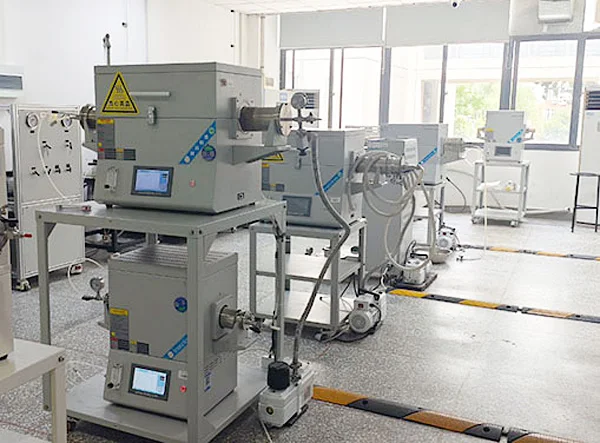
Laboratory
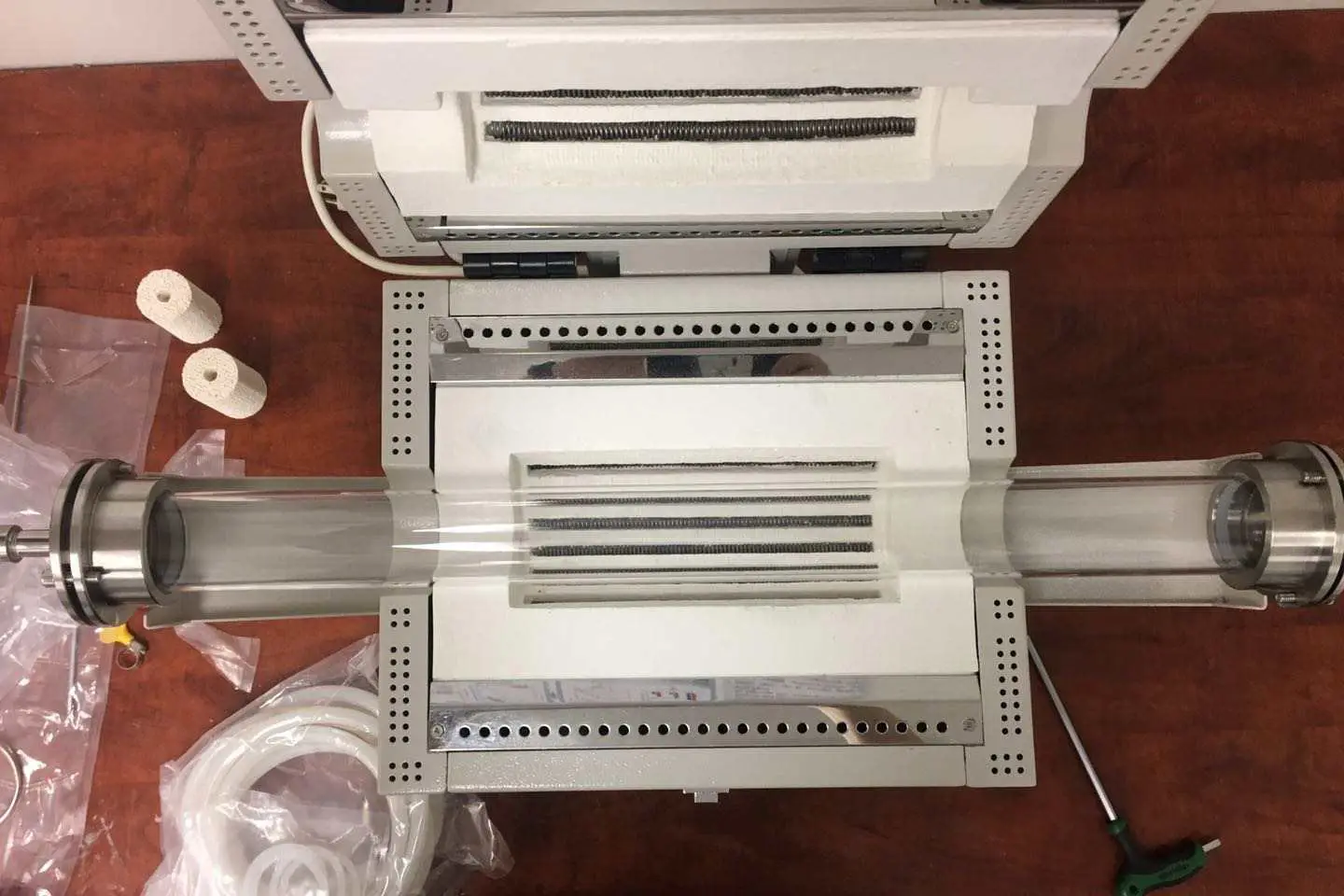
How to Choose a Laboratory Tube Furnace for Material Research
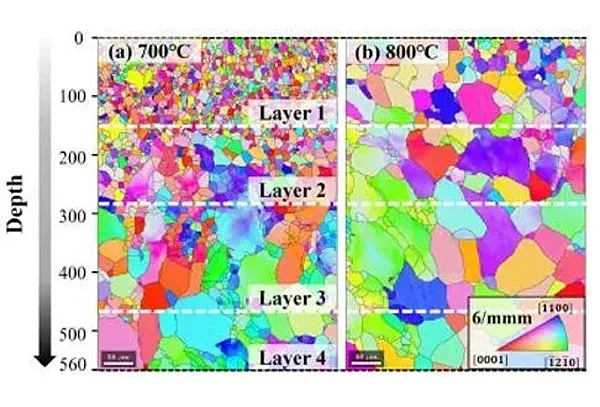
How Does Sintering Temperature Affect Nanostructured Gradient Materials?
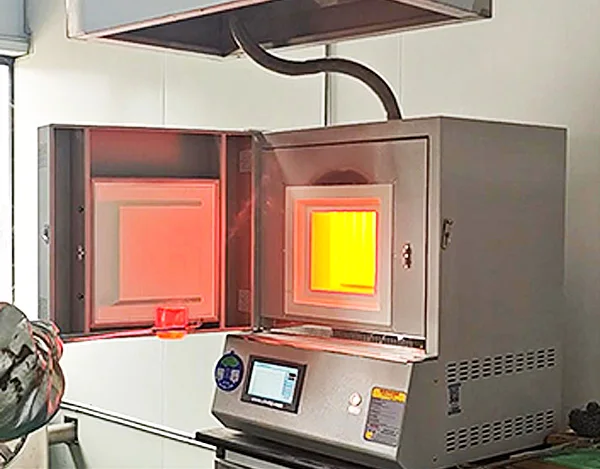
The Role of High-Temperature Sintering Furnaces in Amorphous Quartz Preparation
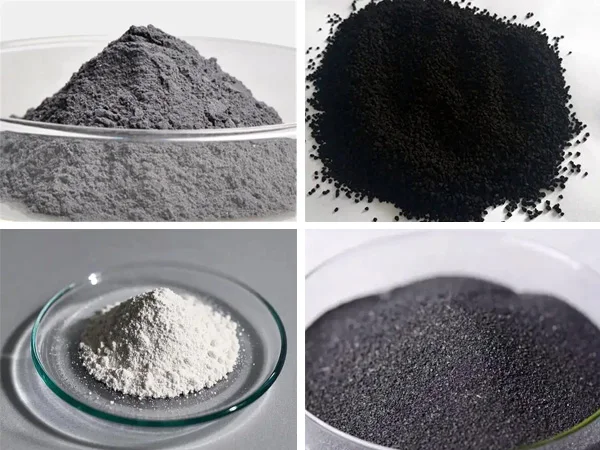
What Materials Can Be Processed in a Pilot-Scale Rotary Calcination Furnace?
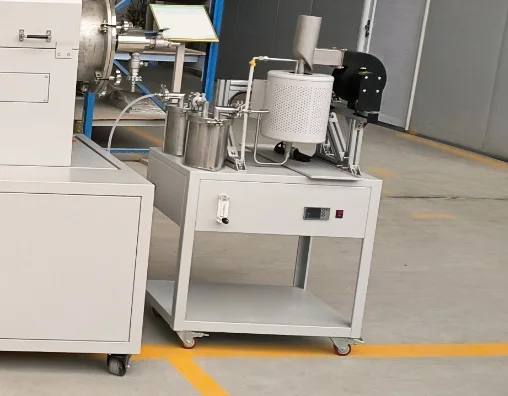
Why Is Tail Gas Treatment Important in Rotary Calcination Systems?
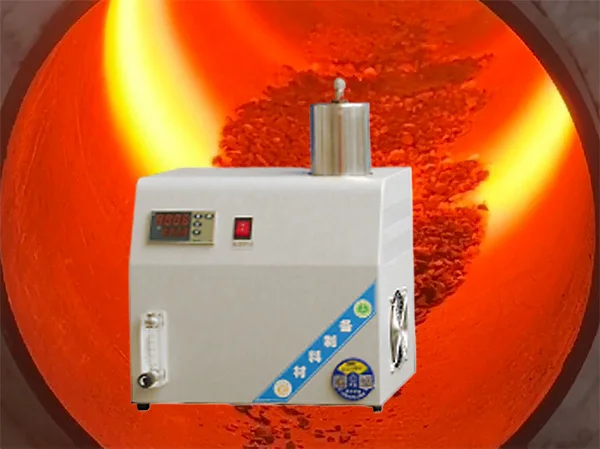
How Does a Gas Preheating System Improve Rotary Calcination Efficiency?
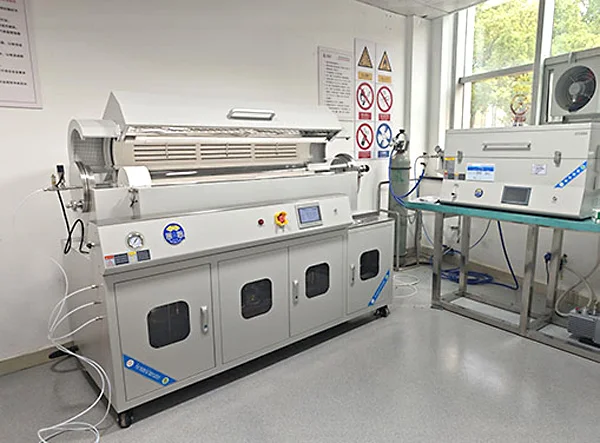
Why Three-Zone Tube Furnaces Are Ideal for Three-Stage Catalyst Preparation
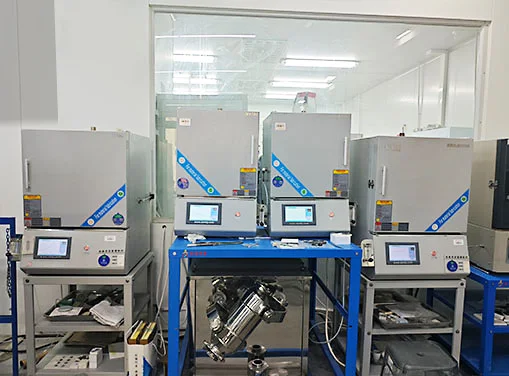
Can a Muffle Furnace Run Under Inert Gas Atmosphere? Understanding Gas Inlet Systems, Oxidation Control, and Vacuum Alternatives
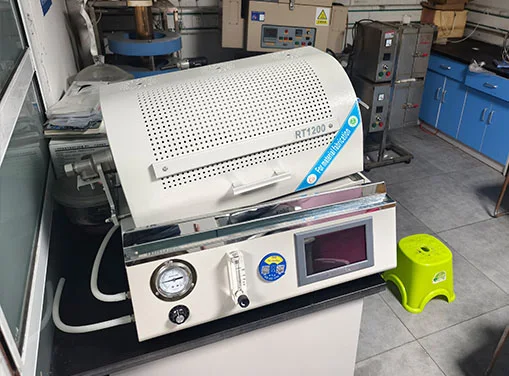
How to Solve Common Problems in High-Temperature Modification of Lithium Battery Cathode Materials
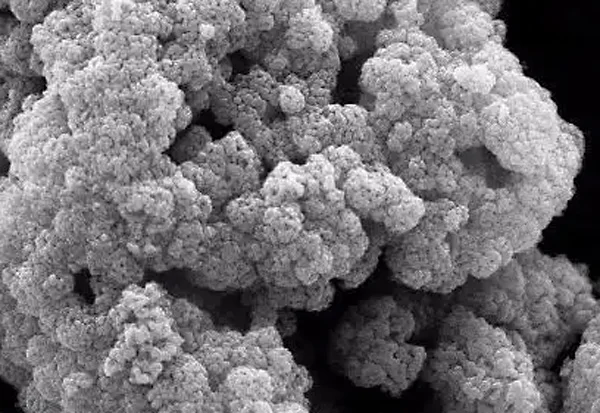
Why Do Powders Sinter During Reduction and How to Avoid It?
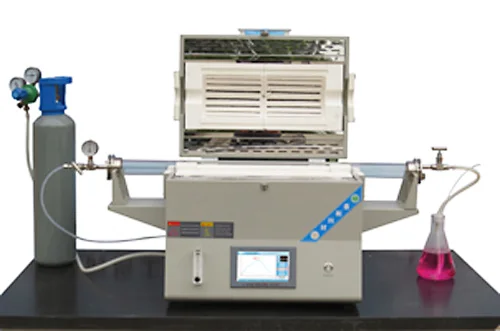
How to Perform Biomass Pyrolysis Using a Laboratory Tube Furnace Under Nitrogen Atmosphere
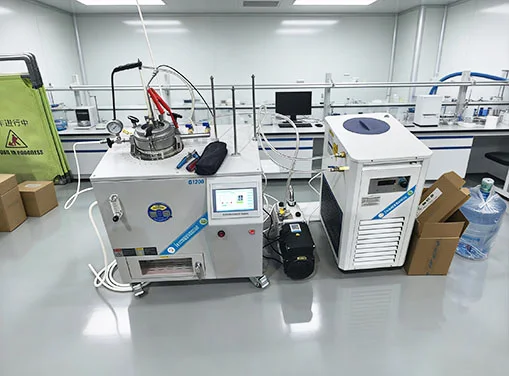
The Role of Laboratory Molten Salt Furnaces in Novel Molten Salt System Development and High-Temperature Structural Material Compatibility Research
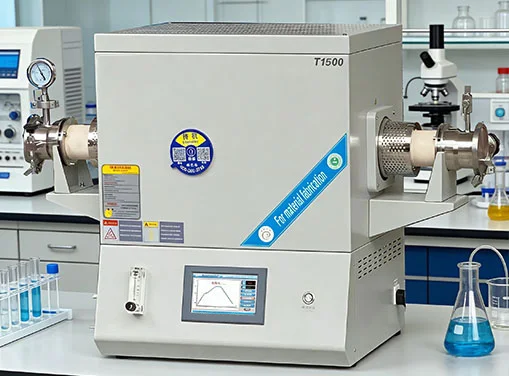
How to Choose a 1500°C Tube Furnace for Catalytic Materials Research
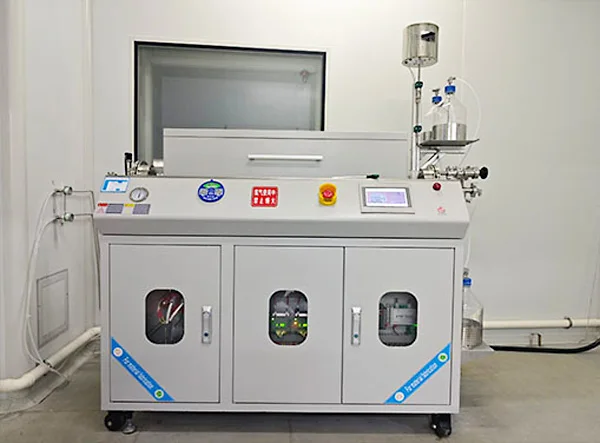
Hydrogen-Based Precious Metal Refining: Boost Purity and Efficiency While Reducing Environmental Impact
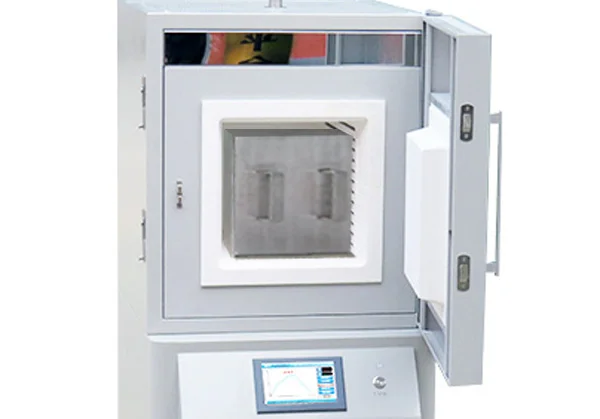
Box Furnace Pyrolysis Solution for High-Quality Biochar Production
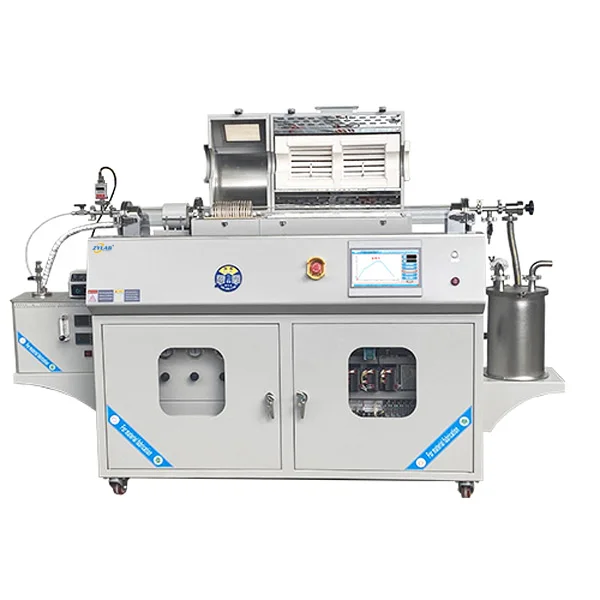
Low-Temperature (≤400°C) Deposition of High-Quality Dielectric and Passivation Films Using a 1200°C Dual-Zone PECVD System
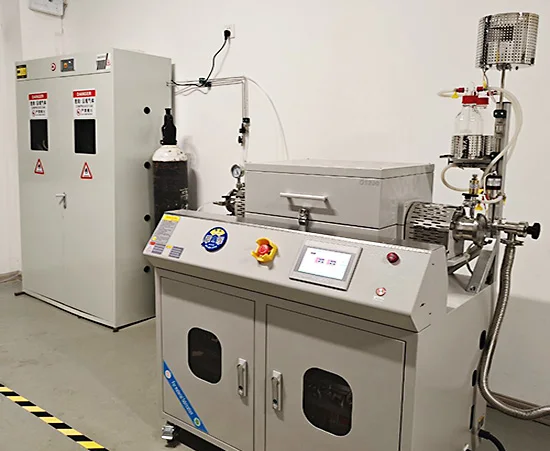
High-Temperature Sintering under Reducing Atmosphere: Principles, Advantages and Best Practices
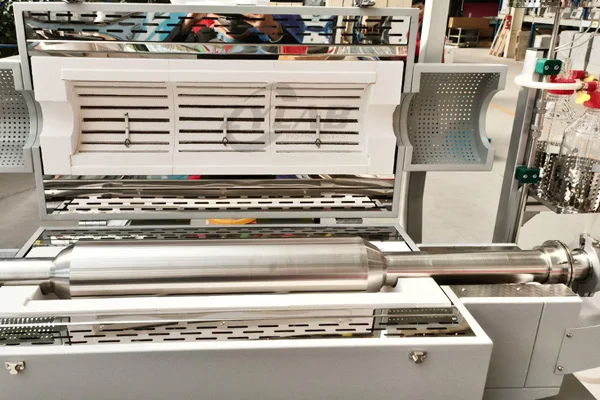
How to Use a Rocking Hydrogen Atmosphere Furnace for Reducing Copper Powder, Iron Powder, and Other High-Purity Metal Powders
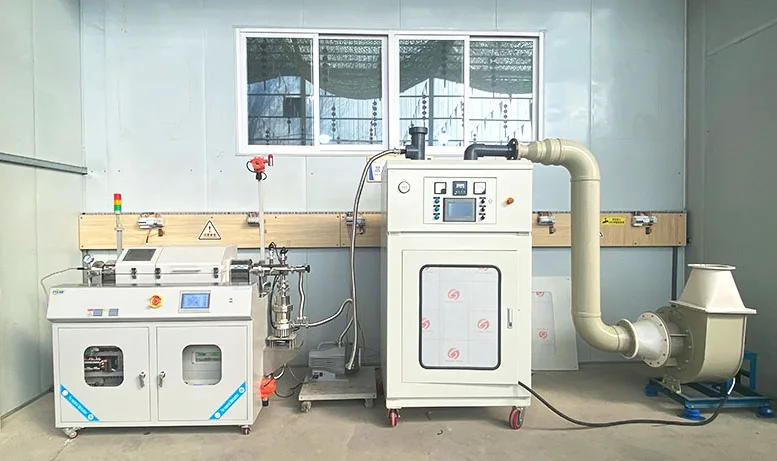
Exhaust Gas Treatment Solutions for High-Temperature Furnaces
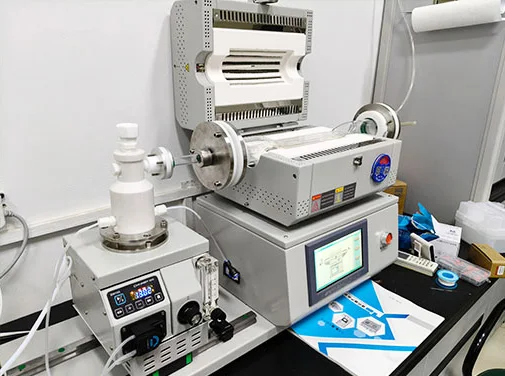
Advancing Key Material Research with Ultrasonic Atomization CVD
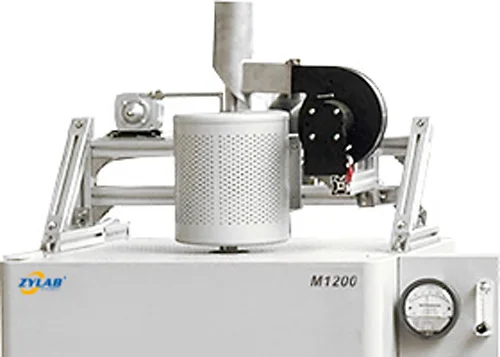
What Is the Afterburn on a Furnace?
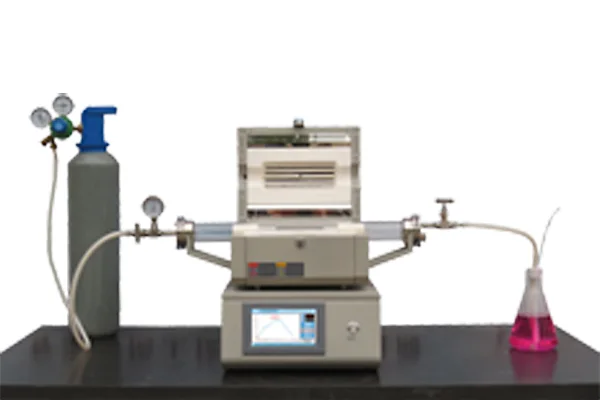
Precautions for Using Mini Tube Furnaces: Safe Operation Guide for High-Temperature Sintering
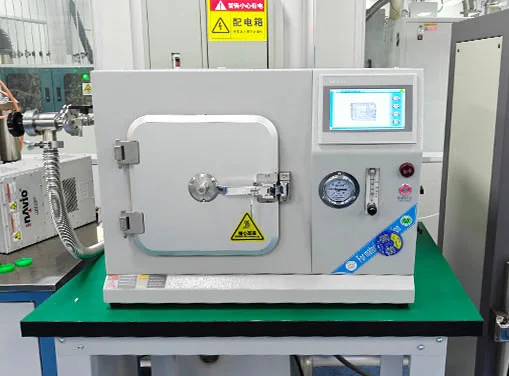
The Role of Vacuum Box Furnaces in High-Temperature Preparation of Oxidation-Sensitive Materials like Titanium Alloys and High-Purity Alumina Ceramics
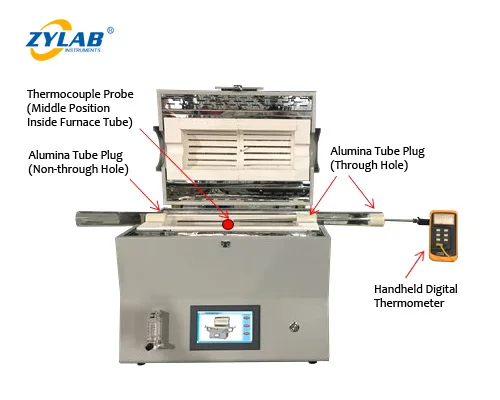
How to Measure Sample Surface Temperature in a Tube Furnace Using a Handheld Thermometer
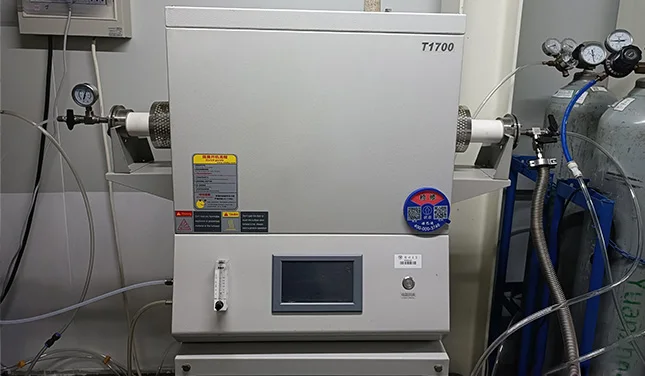
How a 1700℃ Tube Furnace Enhances High-Efficiency Catalyst Preparation Experiments
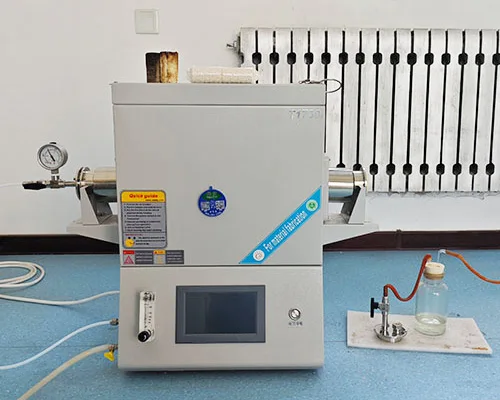
High-Temperature Tube Furnace: A Key Tool for Synthesizing Novel Carbon-Based Composites
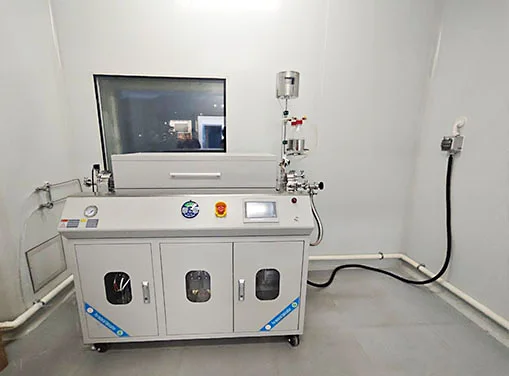
Boosting Precious Metal Refining with Hydrogen Reduction Furnaces
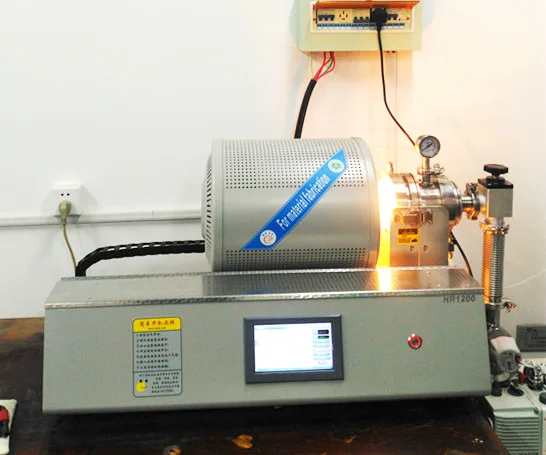
Rapid Thermal Processing (RTP) Furnace for Nanotechnology Research
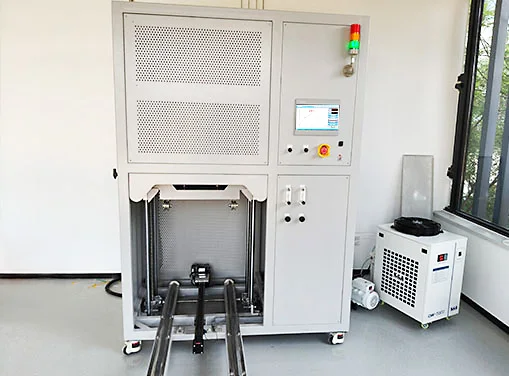
How Clean-Chamber Vacuum Atmosphere Bottom-Loading Furnaces Transform Nanomaterials and Enzyme Catalysis Research
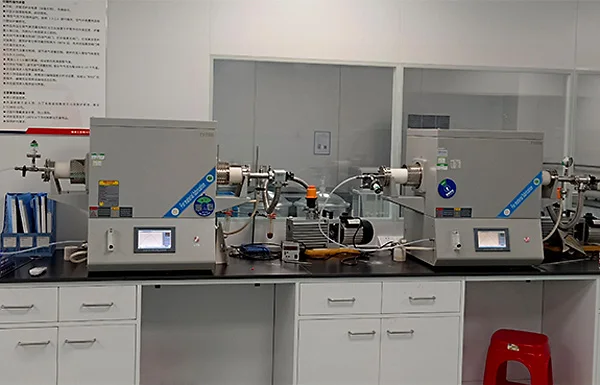
Top 5 Applications of Tube Furnaces in Materials Science
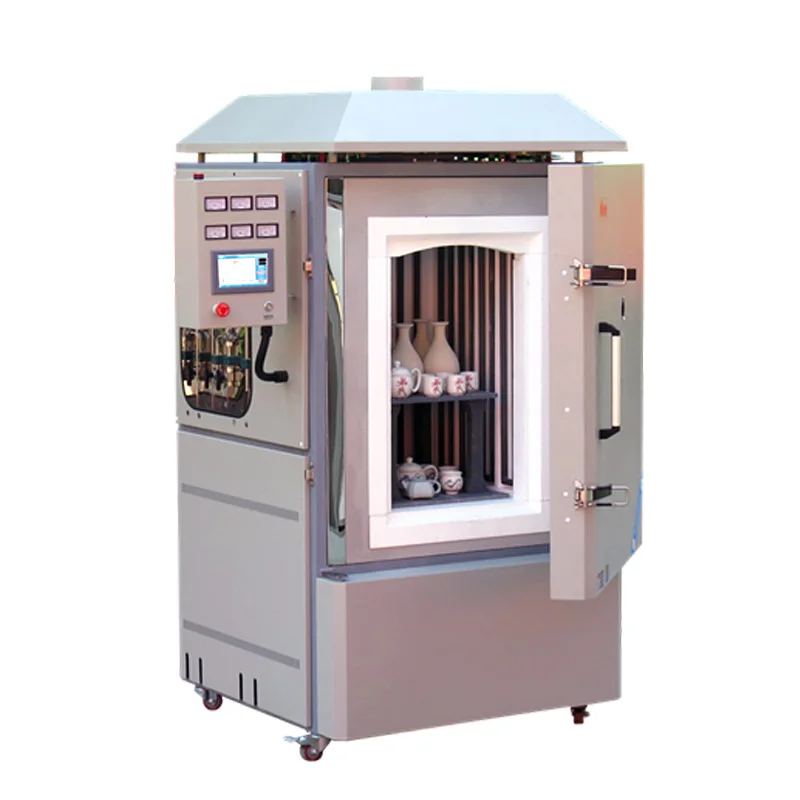
What is a Chamber Furnace? Applications, Features, and Selection Guide
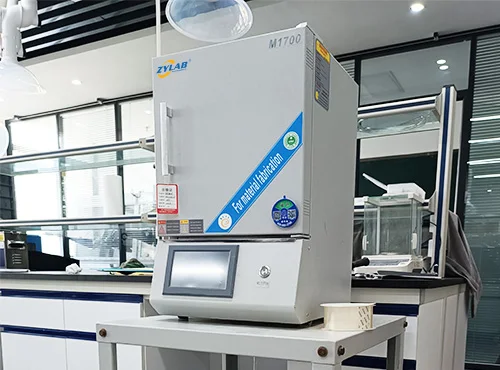
Installation Guide for a Muffle Furnace: Key Tips for Safe and Efficient Setup
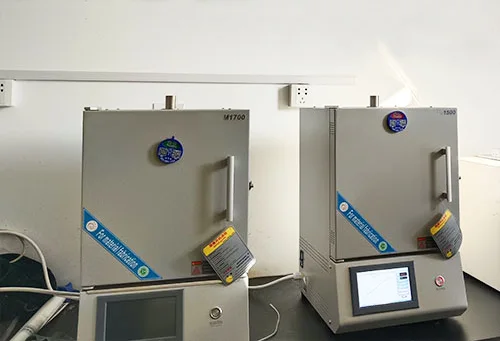
How to Use a Muffle Furnace for Cement Calcination? | ZYLAB Guide
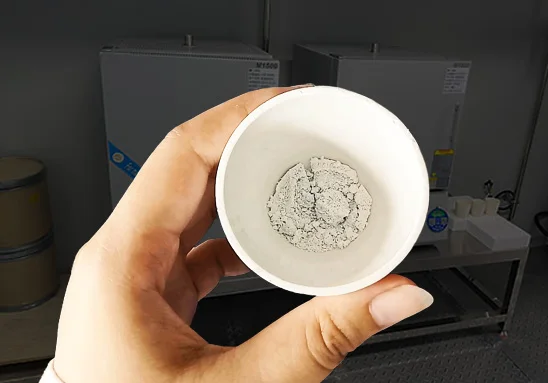
Ash Content Testing with Muffle Furnace | Comprehensive Guide
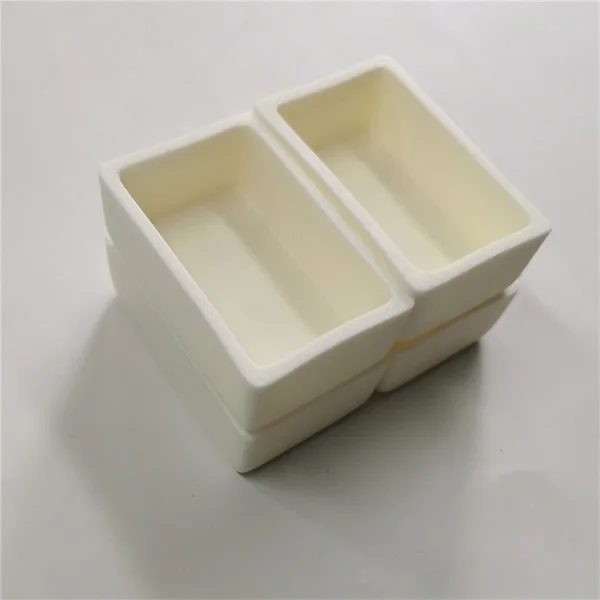
Why Do Alumina Crucibles Crack During Sintering? | Analysis & Practical Solutions
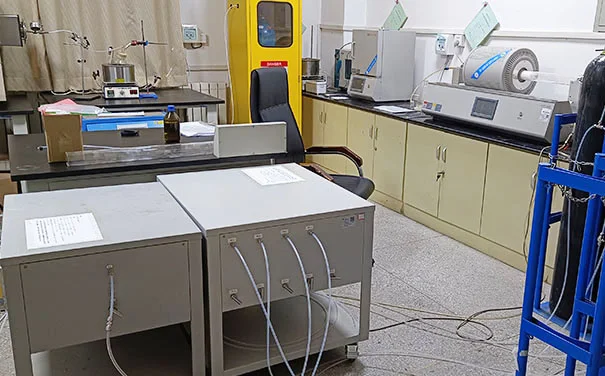
Why Atmosphere Control Matters in High-Temperature Processes: A Practical Guide
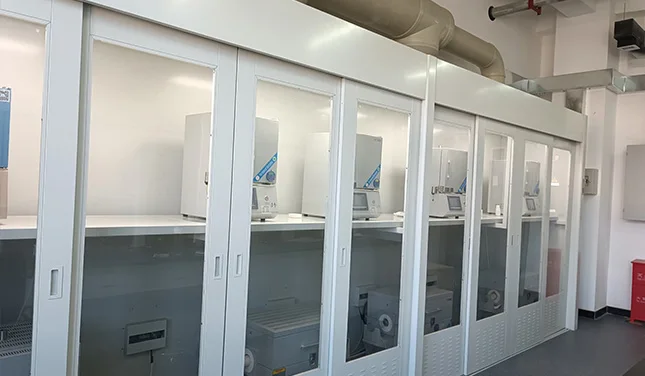
Heat Treatment and Automation: The Future of Smart Laboratories
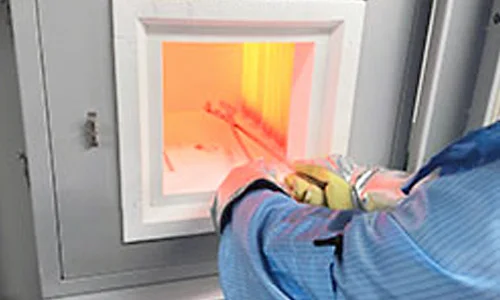
How to Safely Open a Laboratory Furnace at High Temperatures
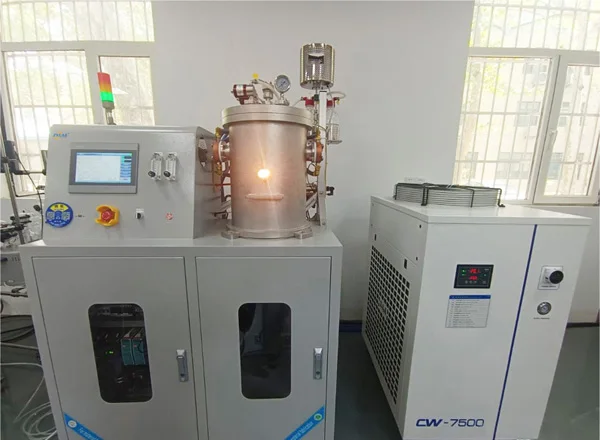
The Role of High Vacuum Tungsten Wire Furnace in Molybdenum Alloy Research
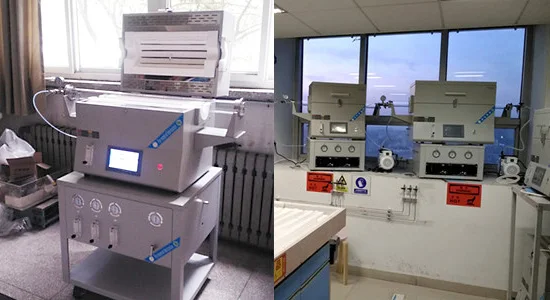
How to Choose Between Float Gas Flow Meters and Mass Flow Controllers for Tube Furnaces?
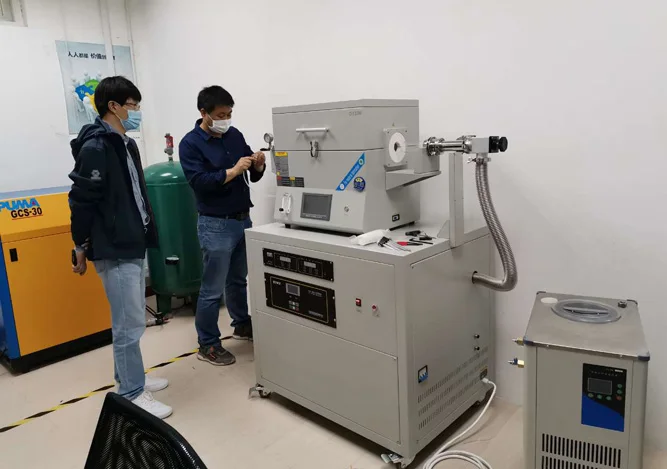
Advanced SiC Coating with High Vacuum CVD Furnaces: A Complete Guide
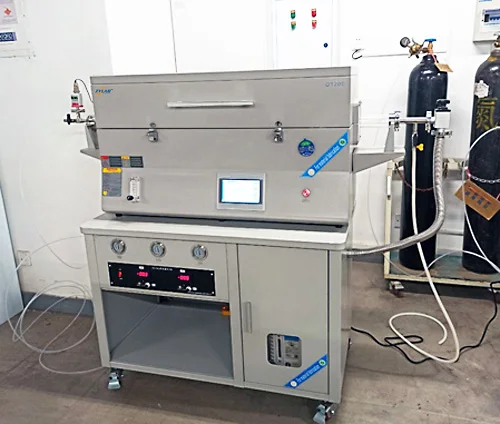
CVD Tube Furnace Sintering Systems for 2D Material Applications
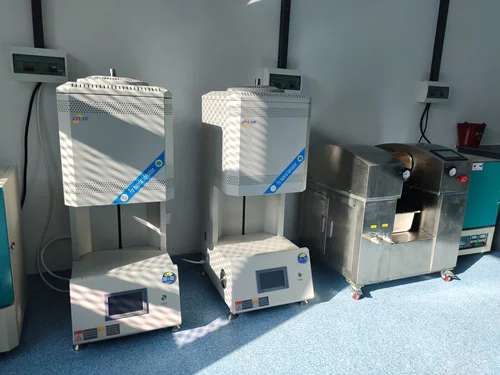
Equipment Selection Guide for Powder Metallurgy Sintering: Why Choose a Bottom-Loading Sintering Furnace for Large-Size Workpieces?
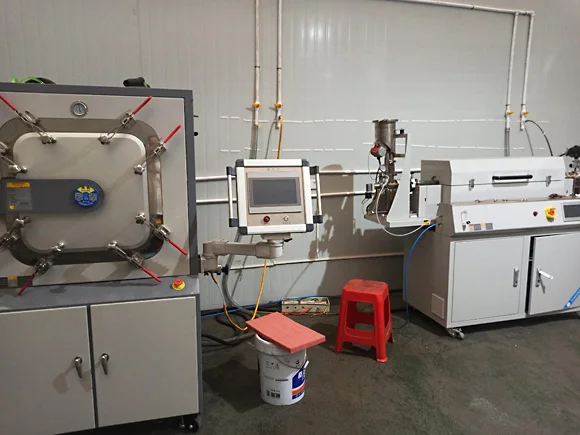
How to Use a Vacuum Atmosphere Muffle Furnace for Sintering Silicon Carbide Components
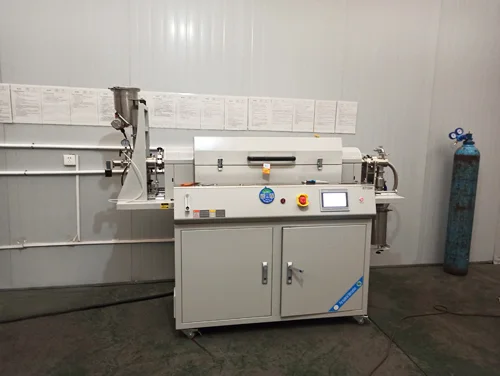
Why Automatic Feeding Rotary Swing Furnace Is Ideal for Producing High-Purity Silicon Carbide (SiC) MicropowderIntroduction
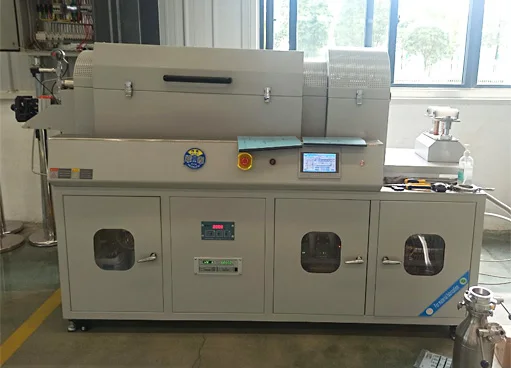
How Does an Automatic Feeding and Discharging Tube Furnace Synthesize Hydrogen Storage Materials Under High-Pressure Oxygen-Free Conditions?
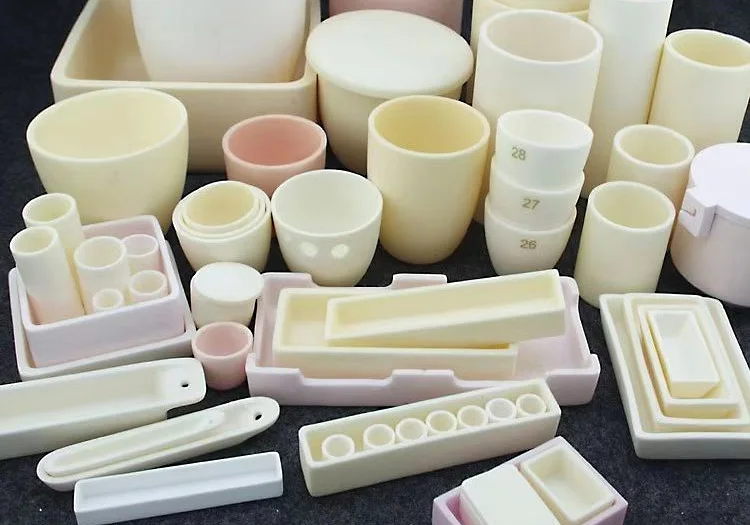
Laboratory Crucible Comparison: Choosing the Right Crucible for Your Experiment
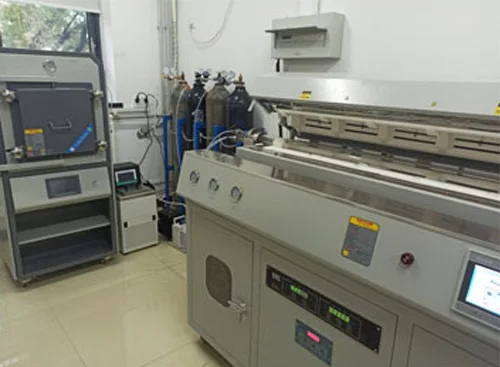
Applications of Vacuum Furnaces in Materials Preparation: An In-Depth Guide
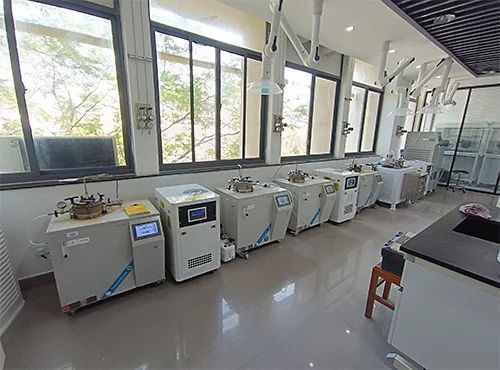
How Laboratory Molten Salt Electric Heating Furnaces Are Transforming the Aluminum Electrolysis Industry
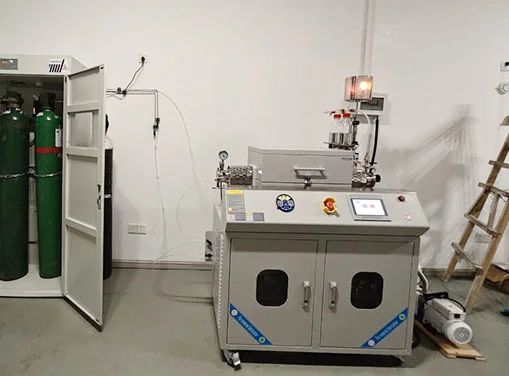
The Critical Role of Hydrogen Purge Reduction Furnaces in Semiconductor Material Synthesis
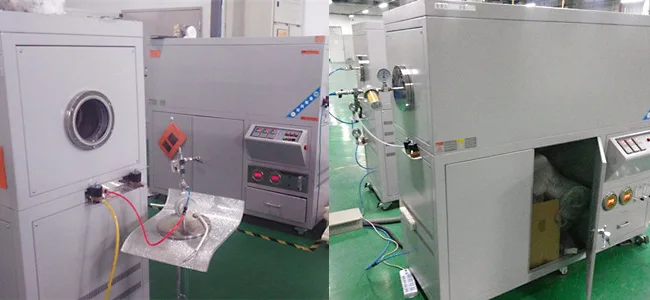
Optimizing LED Phosphor Production with a Large-Diameter Tube Furnace
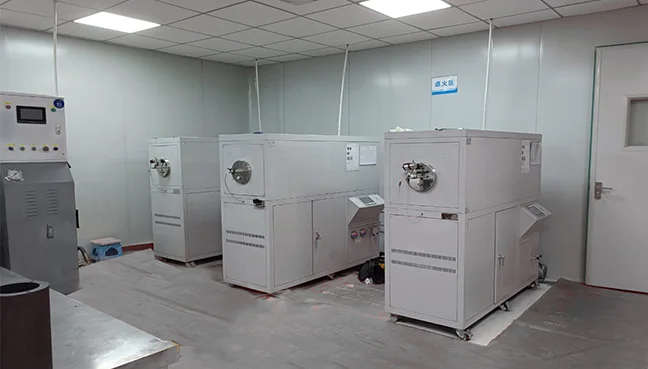
The Application of Large-Diameter Tube Furnace in Wafer Annealing
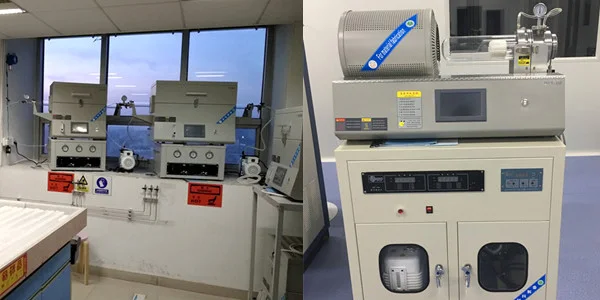
MOFs Fabrication via Chemical Vapor Deposition (CVD): A Breakthrough in Advanced Material Synthesis
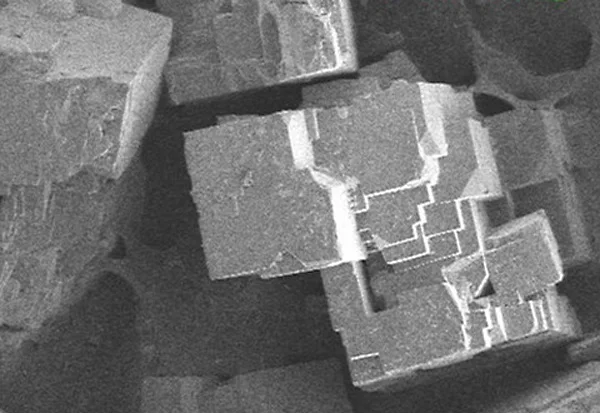
Solvothermal Synthesis of MOF Powder Materials: Process, Equipment, and Optimal Conditions
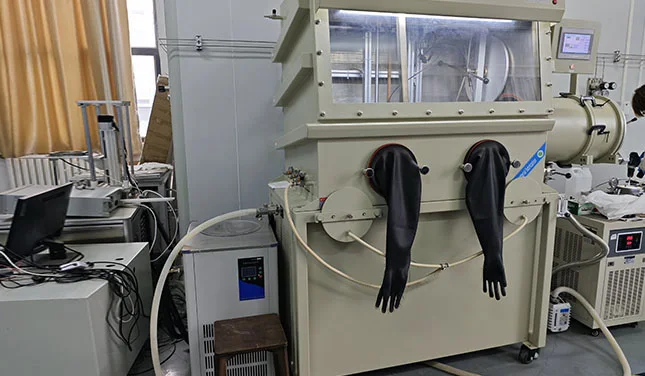
Molten Salt Electroplating Furnace: Advantages in Critical Metal Extraction
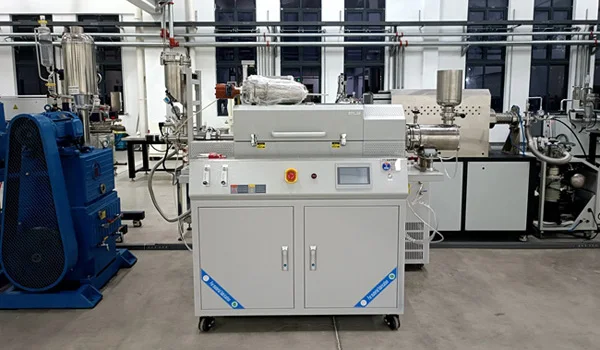
Understanding the Sintering Process of Porous Materials: From Laboratory to Industrial Applications
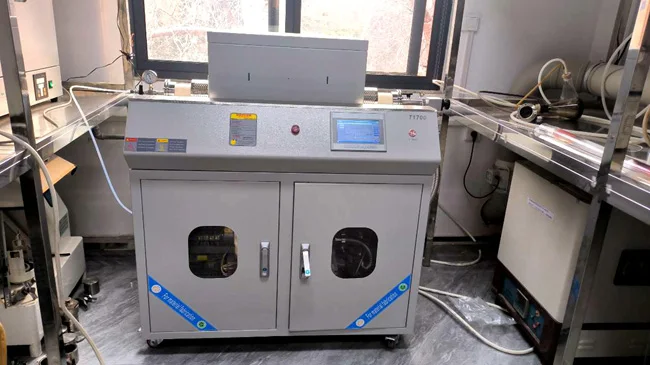
Applications of CVD Process in Porous Material Synthesis: Exploring MOFs and Nanocoating Technologies
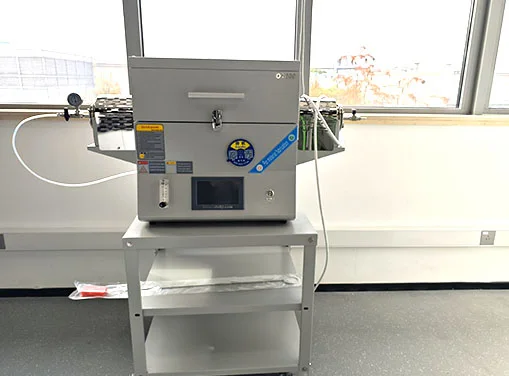
MOFs Synthesis and High-Temperature Treatment: Which Laboratory Furnace is More Suitable?
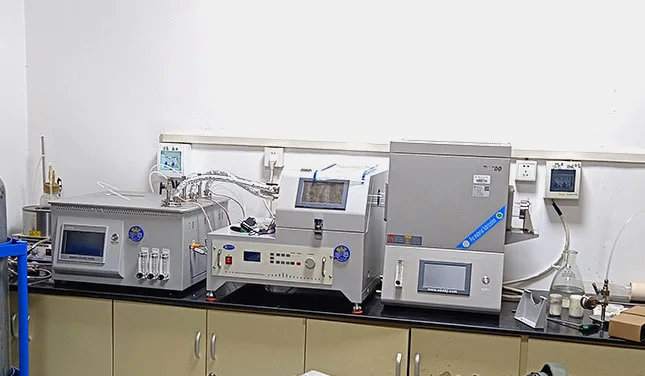
How to Choose the Right PECVD Furnace?
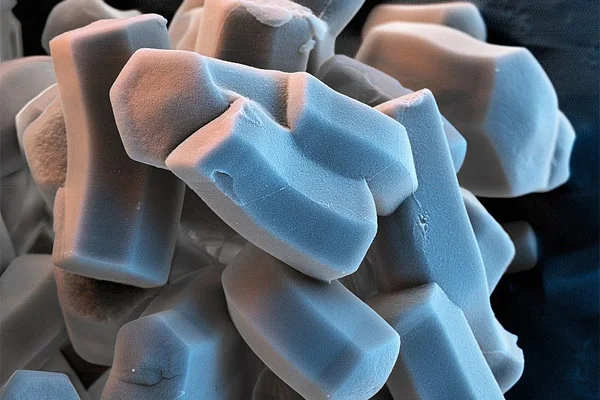
Thermal Treatment Processes for Porous Materials: How to Use Muffle Furnace, Tube Furnace, and CVD Furnace for MOFs and Silica Preparation?
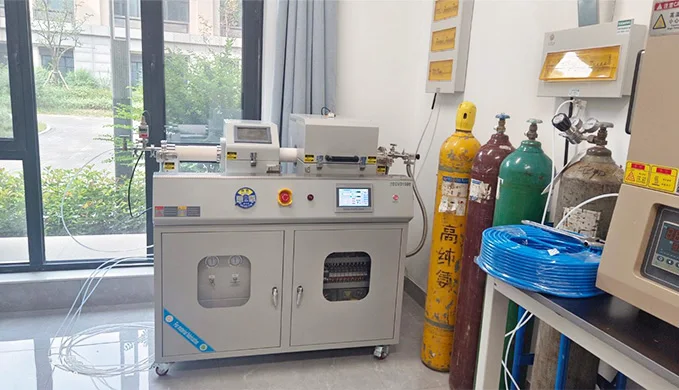
PECVD Furnace: Working Principle and Advantages
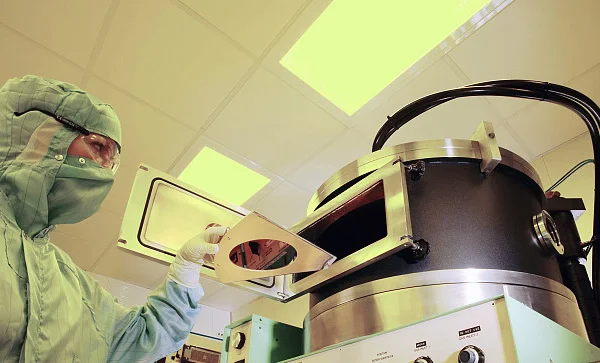
CVD Furnace, PECVD Furnace, and FBCVD Furnace: Which One is Right for Your Application?
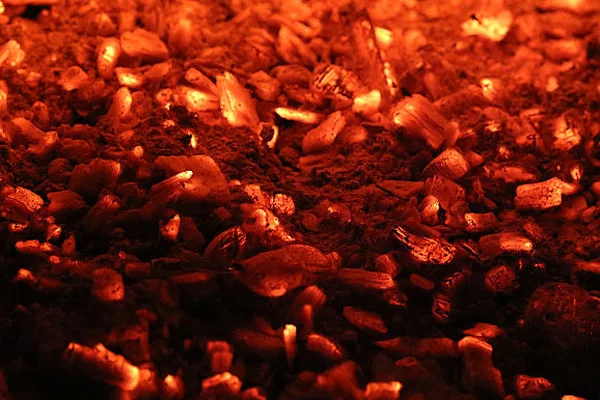
How to Produce High-Quality Biochar Using a Muffle Furnace: A Detailed Guide
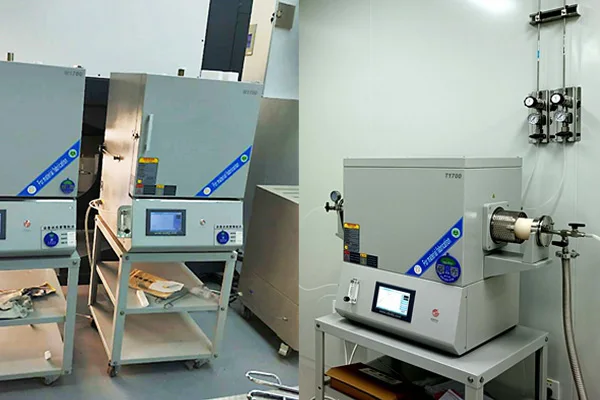
Muffle Furnaces and Tube Furnaces: Which One Suits Your Needs?
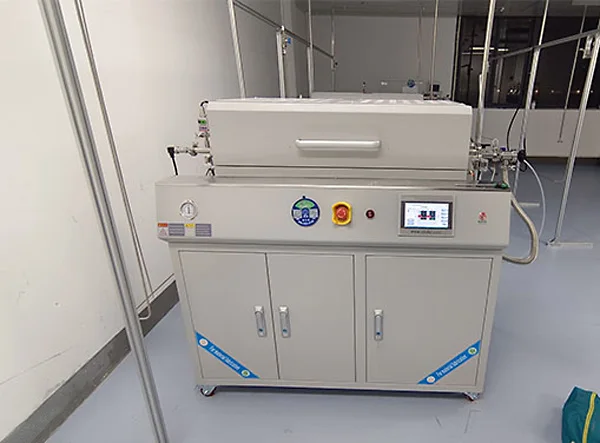
Vacuum Tube Furnaces in Material Synthesis: How They Enable Advanced Research
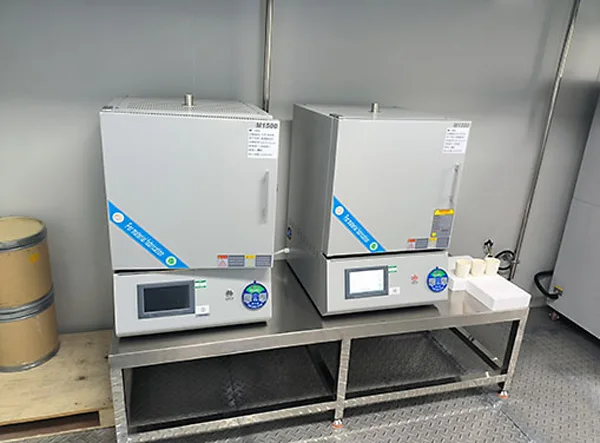
A Comprehensive Guide to Box Furnaces
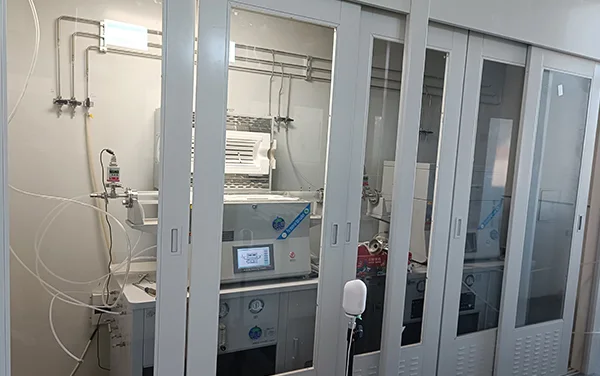
Rotary Tube Furnace vs. Horizontal Tube Furnace vs. Vertical Tube Furnace: Which One Suits Your Needs?
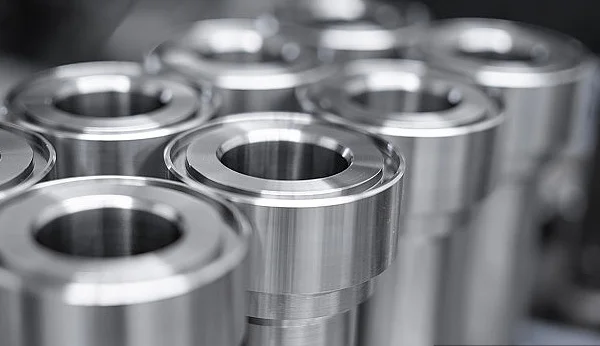
The Impact of Heat Treatment on Material Properties: Enhancing Hardness, Strength, and Corrosion Resistance
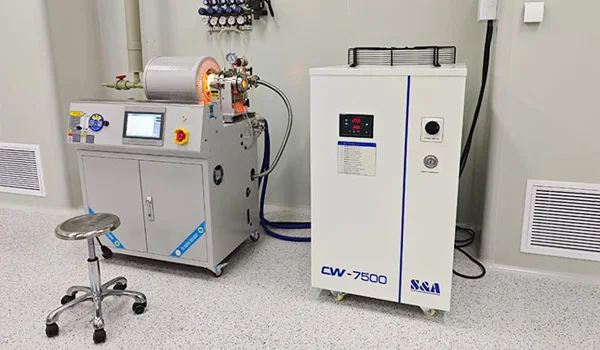
Applications of Rapid Annealing Furnaces in Advanced Materials and Semiconductor Technology Research
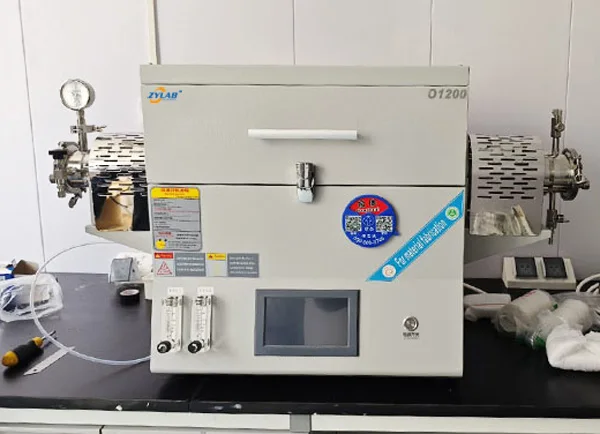
Applications of Tube Furnace in the Development of Advanced Ceramic Powder Materials
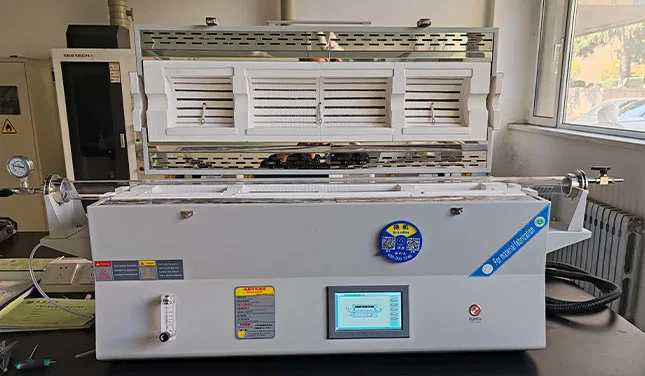
Applications of 1200°C Top-Open Tube Furnace in High-Temperature Material Synthesis and Heat Treatment Research
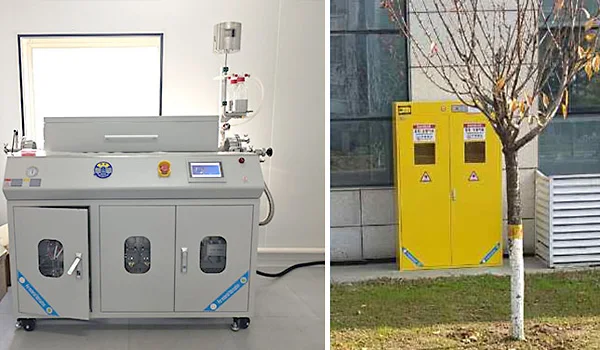
The Application of Hydrogen Reduction Furnace in Precious Metal Purification and Reduction Research
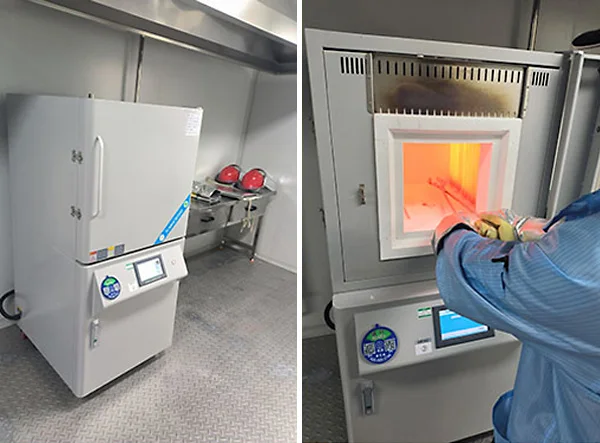
The Role of Box Furnaces in Research on New Conductive Silver Paste Materials
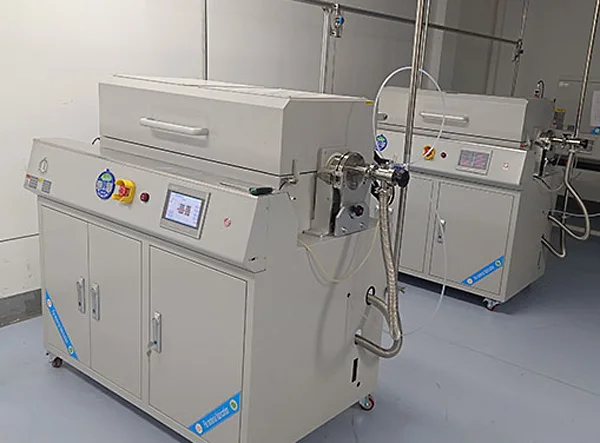
The Role of 1500°C High Vacuum Tube Furnace in Advanced Nanomaterials Research
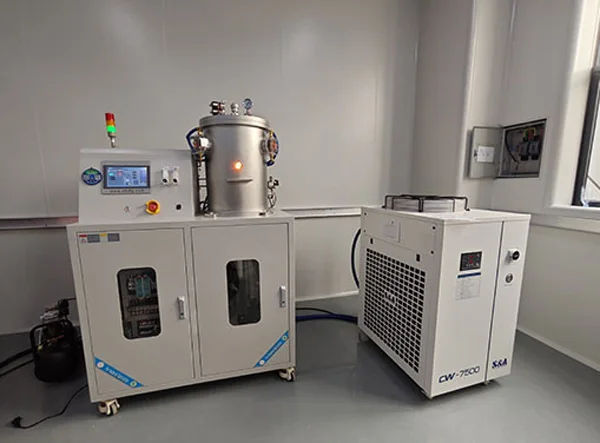
The Role of Vacuum Atmosphere Tungsten Heating Furnaces in Critical Metal Materials Research
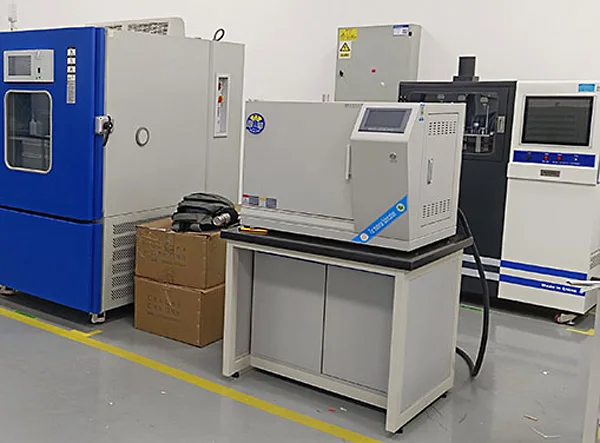
The Role of 1200°C Muffle Furnace in New Material Research
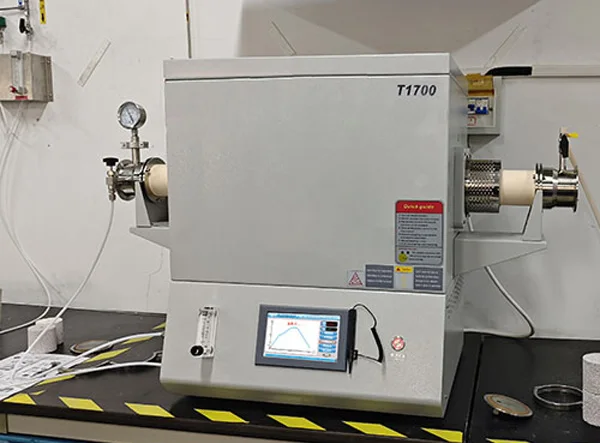
The Role of 1700°C Tube Furnace in Material Preparation
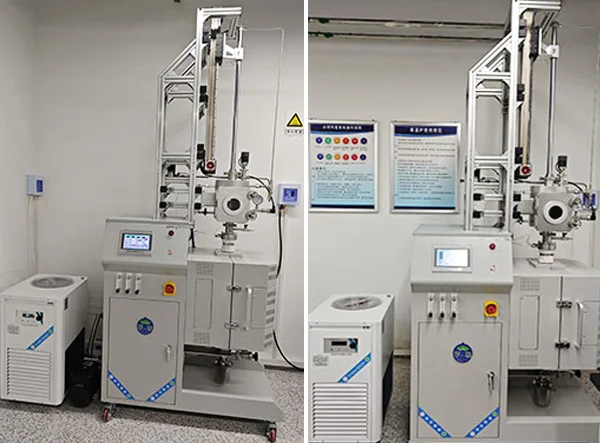
The Role of Vertical Fatigue Gas Quenching Furnace in Fatigue Performance Testing and Heat Treatment Research
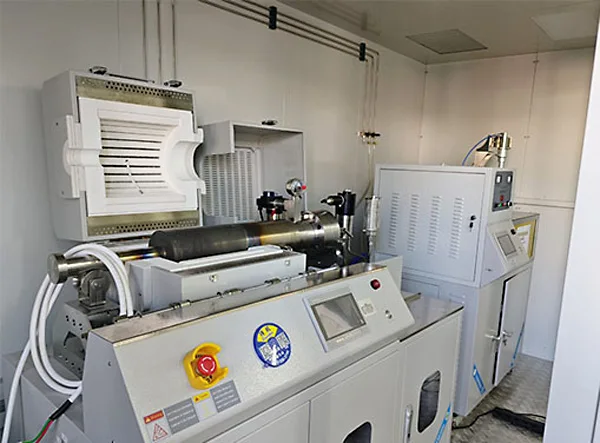
The Role of Ultra-High Pressure High-Temperature Sintering Furnace in Material Synthesis and Extreme Condition Research
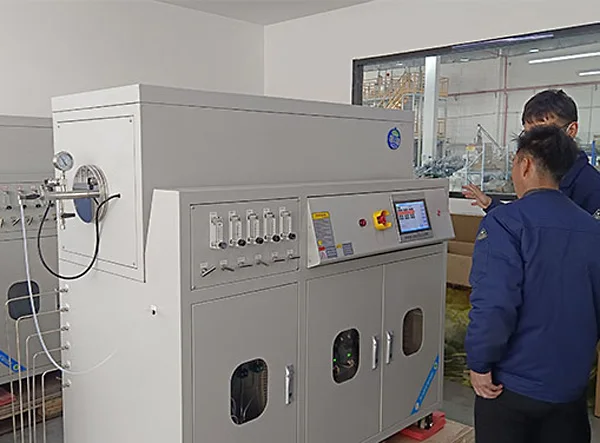
Role of Large Diameter Tube Furnace in Advanced Carbon Materials Research and Production
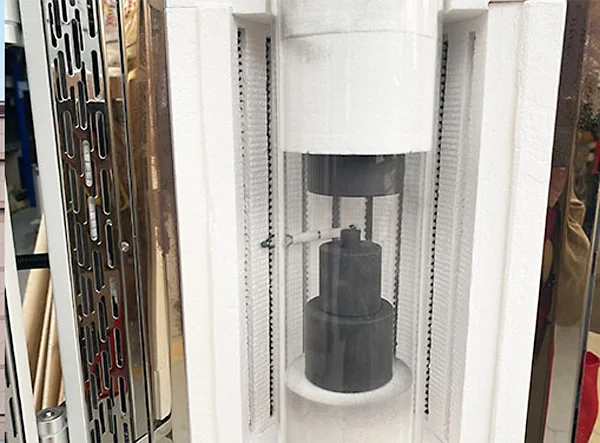
The Role of a 1200°C Vacuum Hot Press Furnace in Metal Powder Densification and Ceramic Material Sintering
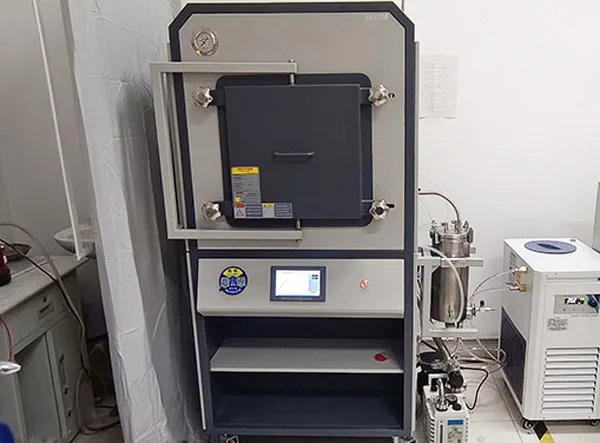
The Role of Vacuum Atmosphere Furnace in Advanced Material Research
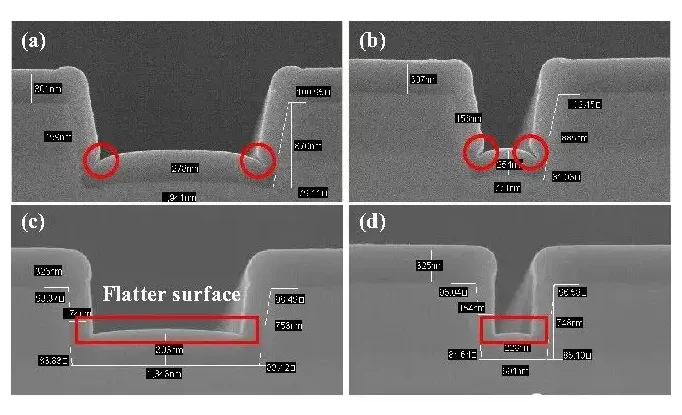
Why Does CVD Have Better Step Coverage Than PVD?
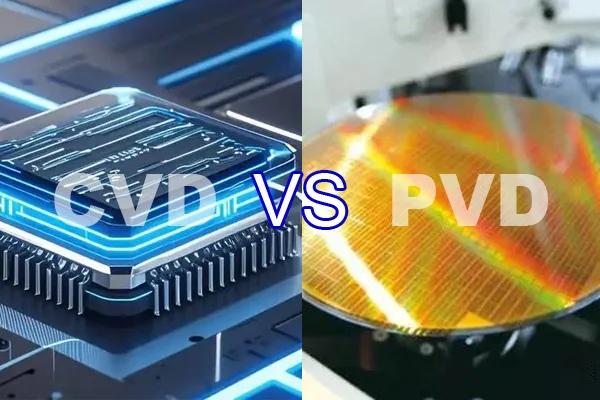
Which one is better, CVD or PVD?

Understanding Tube Furnace Temperatures: Medium vs. High-Temperature Applications
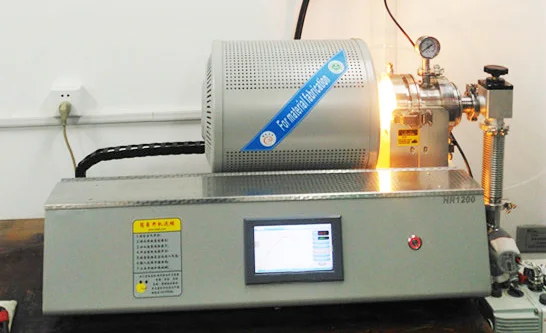
How Does a Tube Furnace Work? A Comprehensive Guide
What is the Tube Furnace Tube Made Of? An In-Depth Analysis
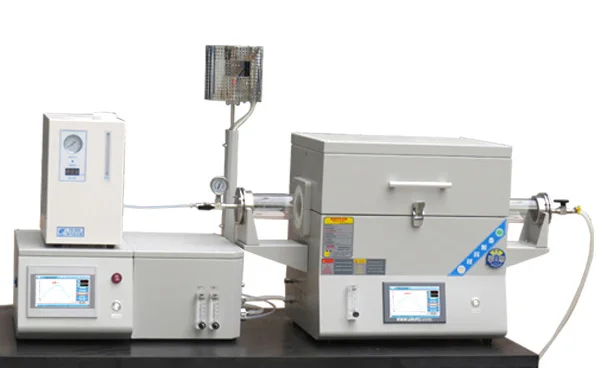
What is the Use of Hydrogen in the Tube Furnace?
Factors Influencing the Price of CVD Reactors
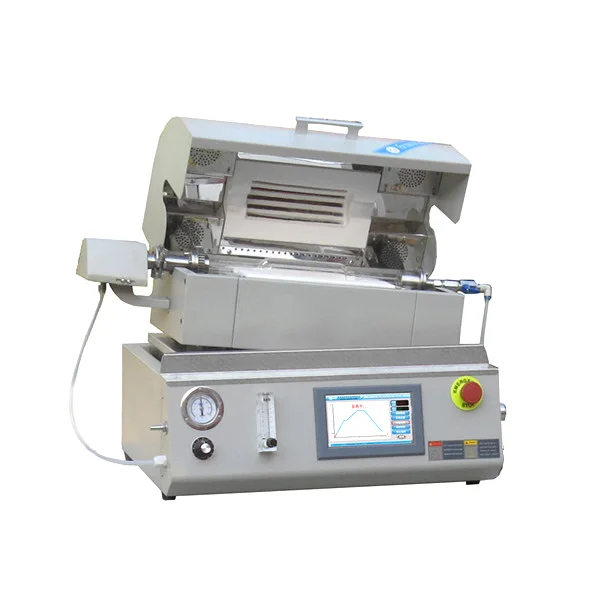
Rotary Tube Furnace Price: Factors, Trends, and ZYLAB’s Advantage
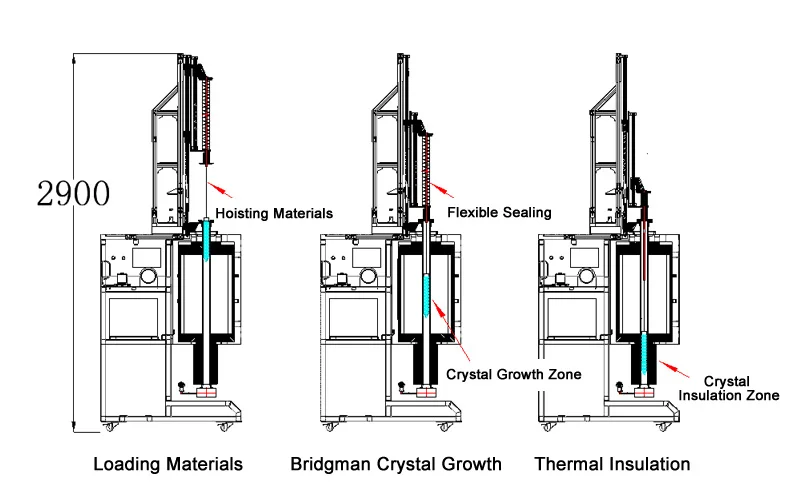
Understanding Bridgman Furnace Price: A Comprehensive Guide
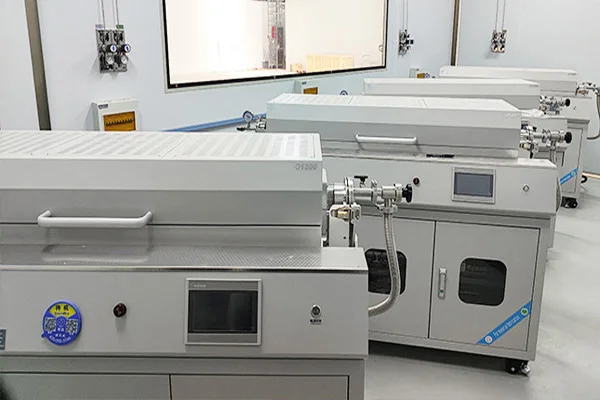
What is a CVD furnace?
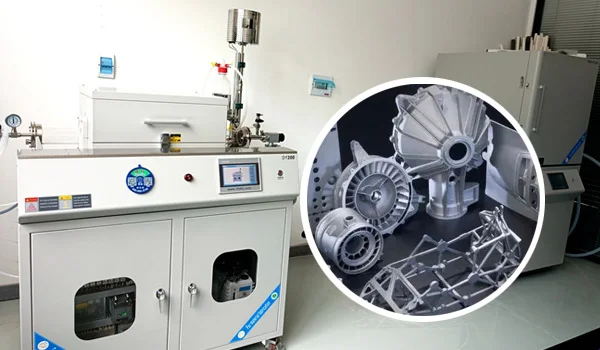
Advanced High-Temperature Furnaces for Hydrogen Furnace Steel Research
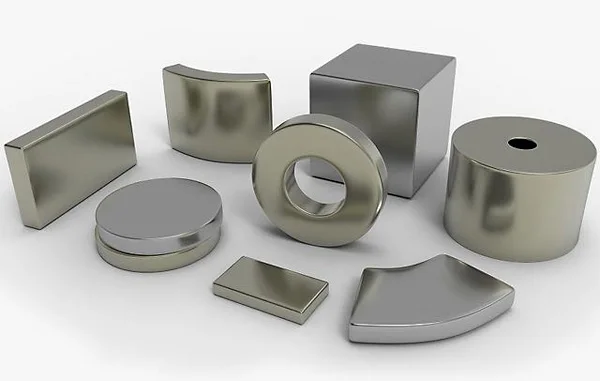
NdFeB Knowledge | Sintered Magnet Preparation Process and Equipment
Wafer Processing Techniques and Required Equipment
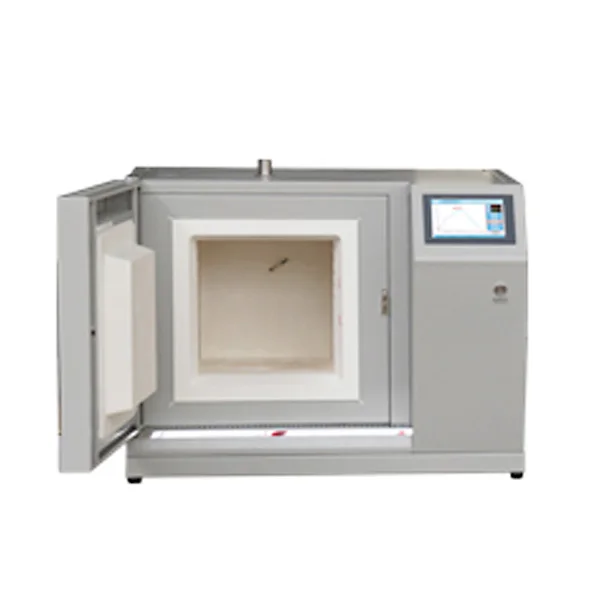
Muffle Furnace Usage Guide – ZYLAB
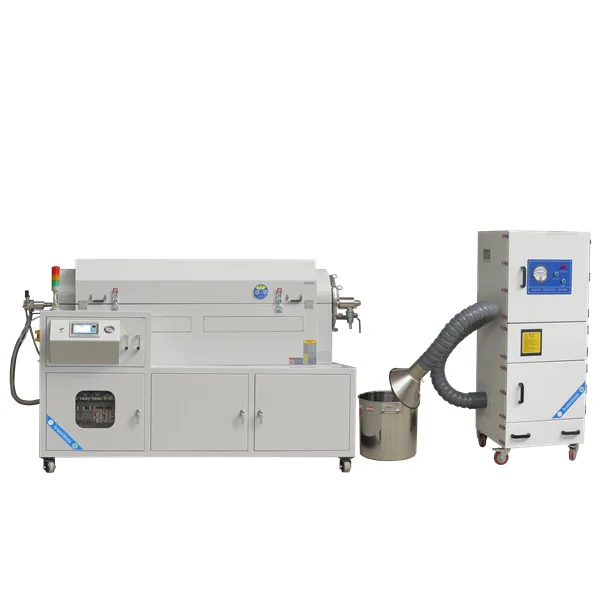
Calcination Furnace Purchasing Guide: From Technical Specifications to Supplier Selection
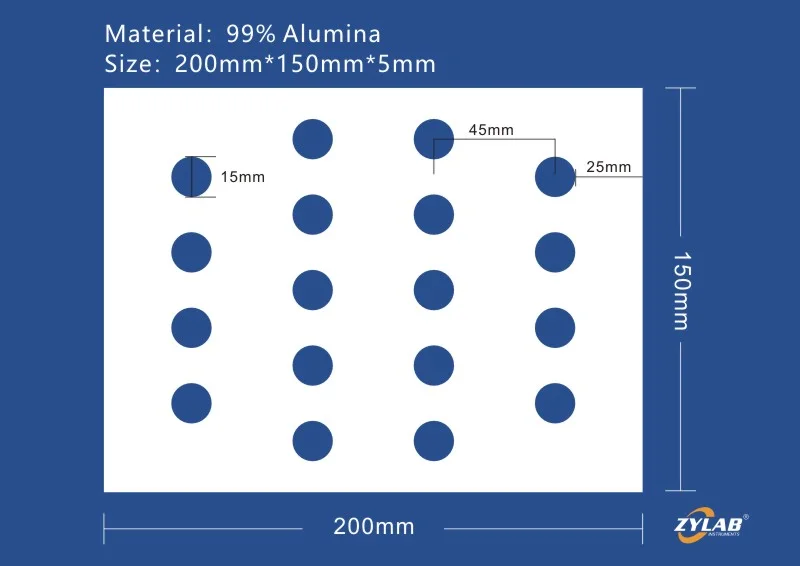
Custom Alumina Furnace Furniture | Drilling, Engraving and Grooving
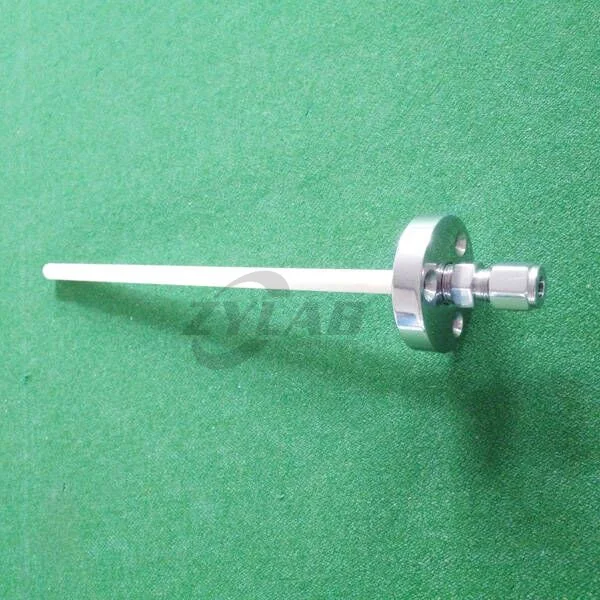
Gas Purging in Box Furnaces(Chamber Furnace/Muffle Furnace) : Essential for Atmosphere Control and Material Processing
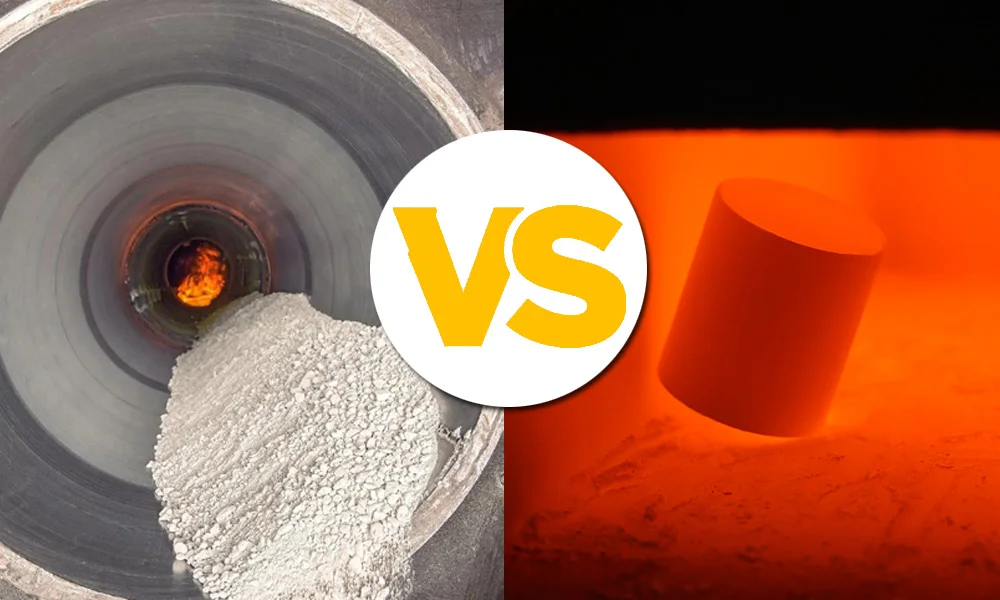
The Differences Between Calcination and Sintering Processes
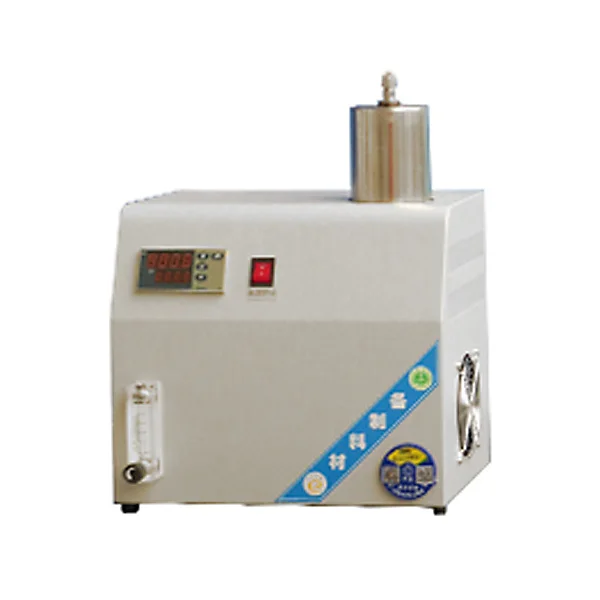
Laboratory Inert Gas Preheater: A Key Device for Optimizing Experimental Efficiency
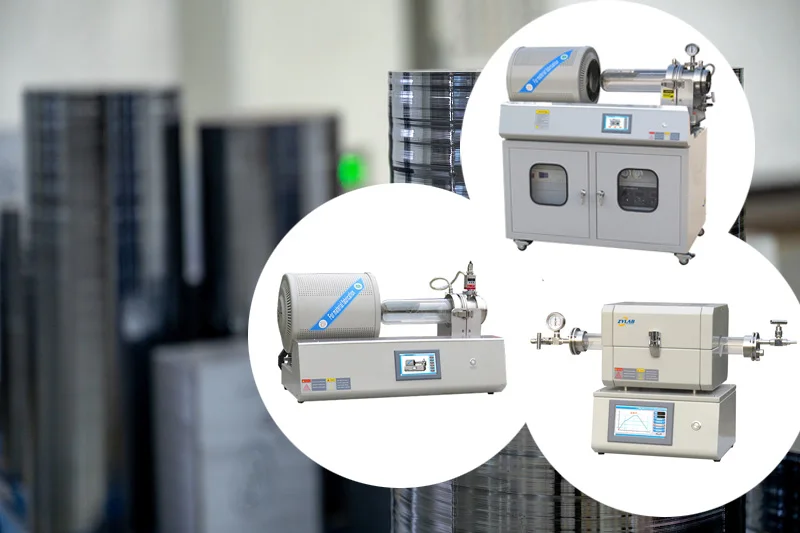
Why Does Monocrystalline Silicon Require Annealing?
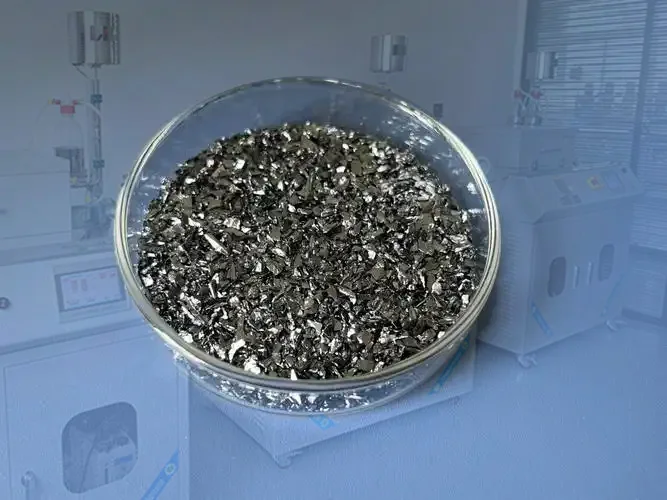
Key Equipment for Crystalline Hydrogen Reduction Processes
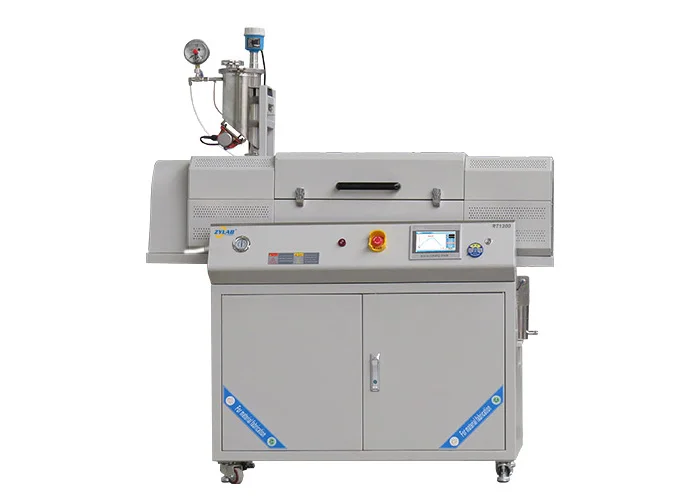
Organic Solid Waste Pyrolysis Treatment Technology
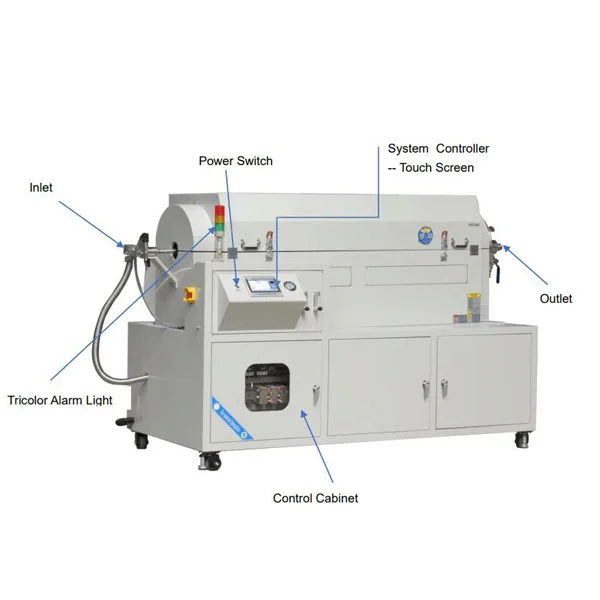
Calcination Heat Treatment Technology and Equipment for Powder Materials
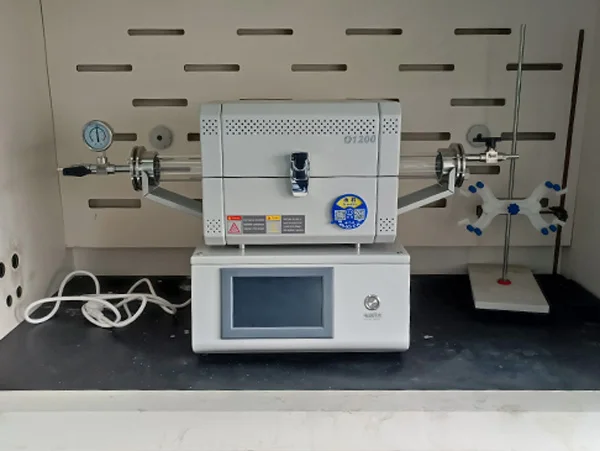
Analysis of Tube Furnace: Applications, Advantages, and Operations
Fluidized Bed Technology
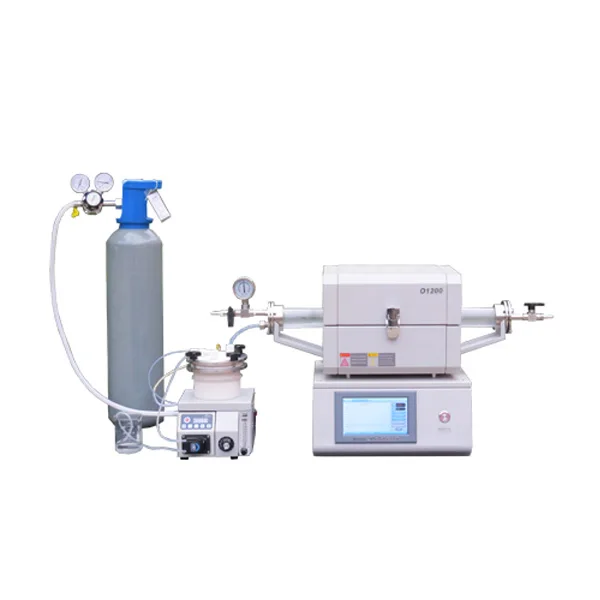
All about Aerosol-Assisted Chemical Vapor Deposition (AACVD) System
Applications of Ultrasonic Atomization CVD Furnace
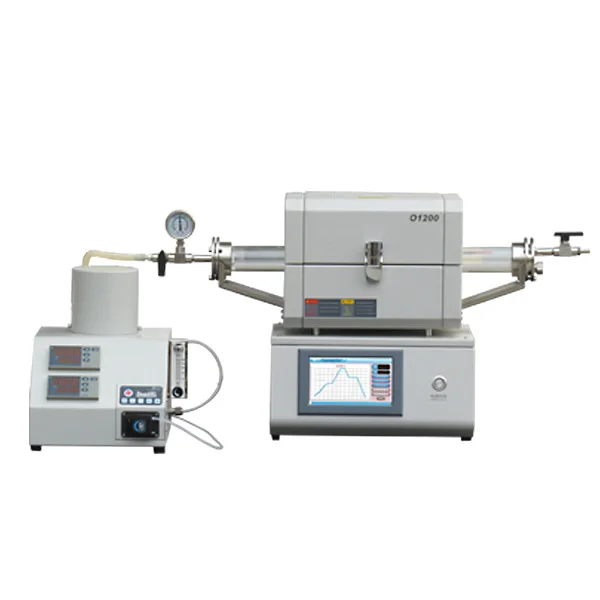
Applications of Water Vapor Generator Paired with Tube Furnace
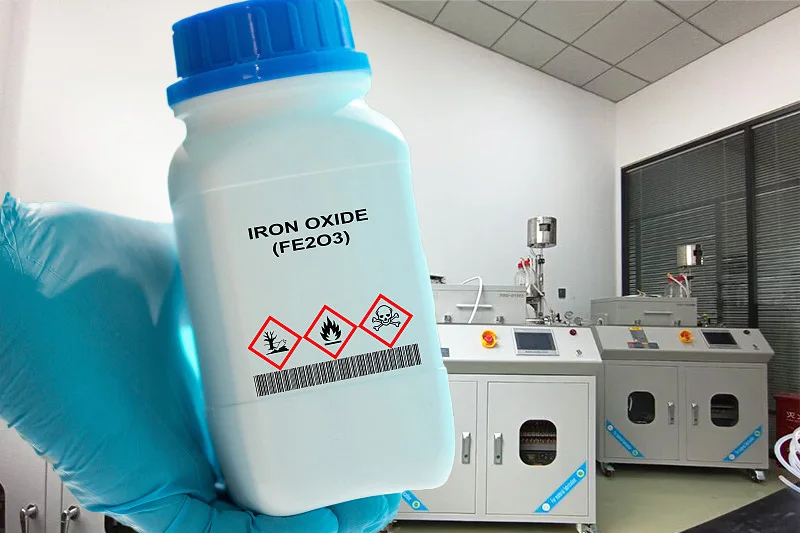
Key Equipment for the Hydrogen Reduction Metal Oxides
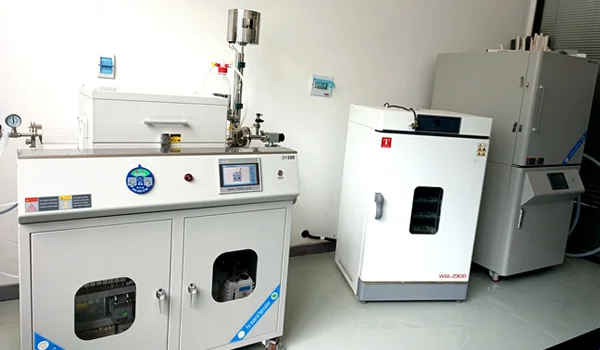
Applications of Hydrogen Reduction Furnace
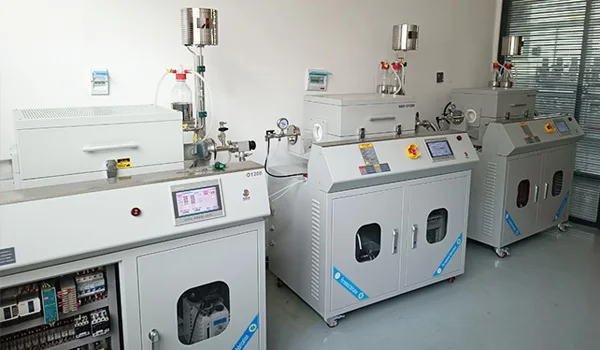
All About Hydrogen Reduction Furnace: An Essential Tool for Advanced Material Processing
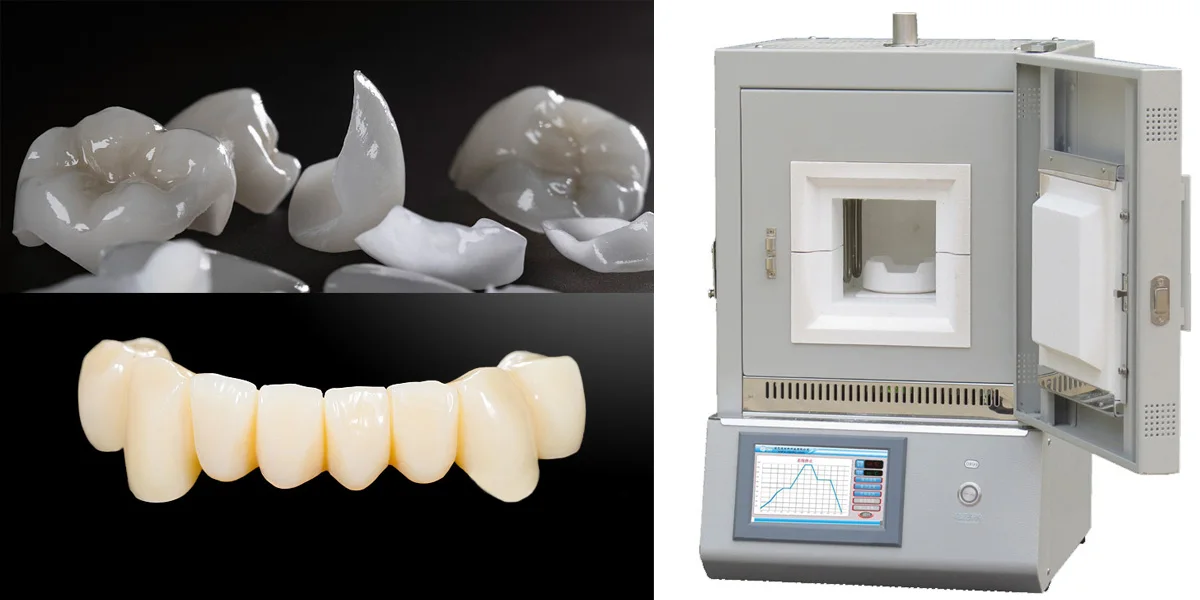
Precautions for Using the 1700°C High-Temperature Sintering Furnace
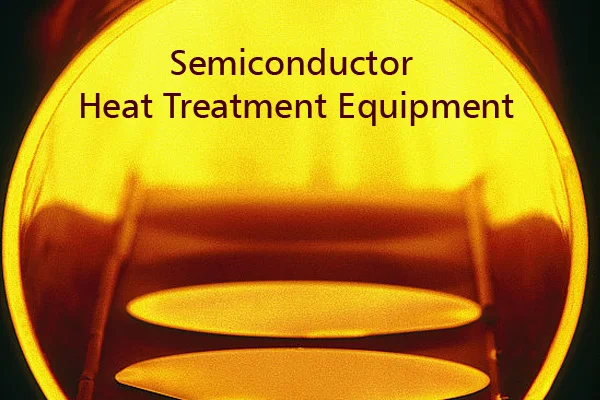
Which heat treatment equipment is commonly used in the semiconductor industry?
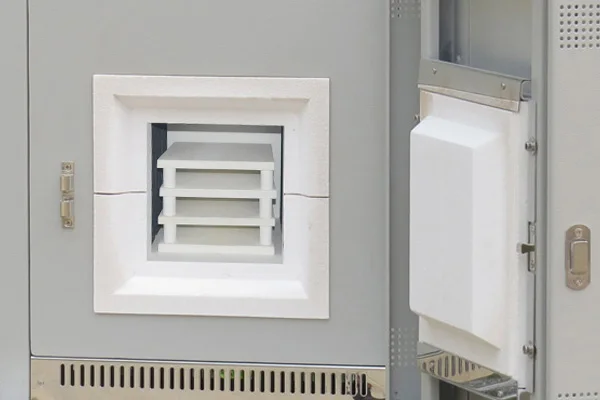
A Furnace Furniture Solution Composed of Alumina Plates and Stands
Leveraging Laboratory Furnaces for Advancing Solid-State Batteries
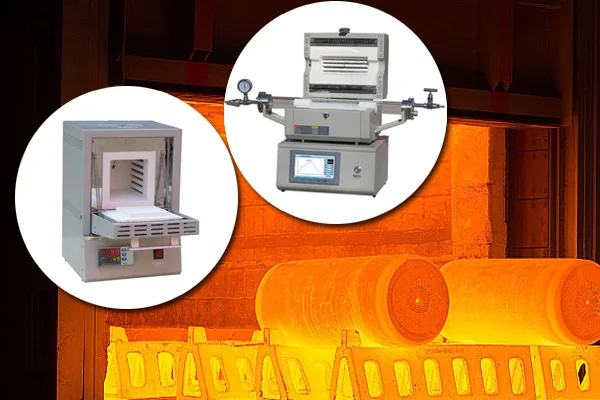
Resistance Furnace
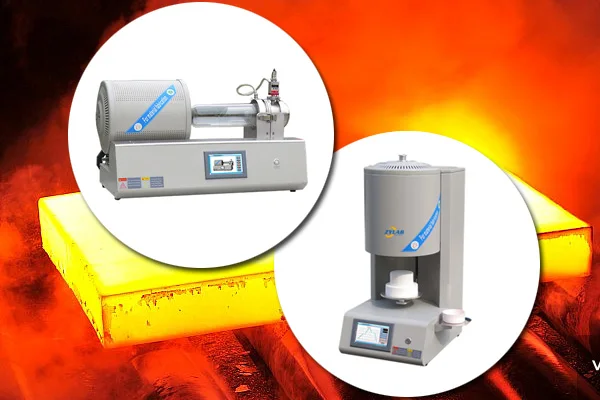
Annealing Furnace & Sintering Furnace – How to Choose?
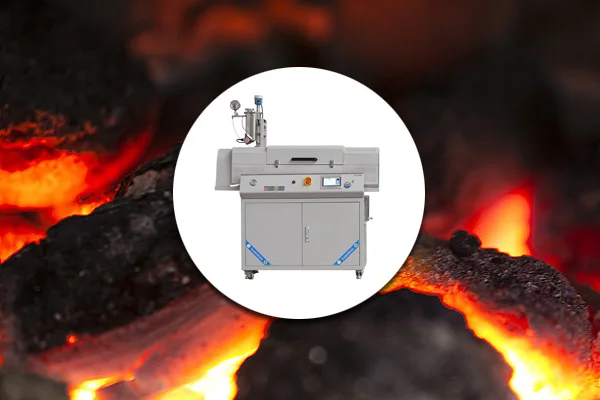
Choosing the Right Pyrolysis Furnace: A Guide for Researchers and Engineers
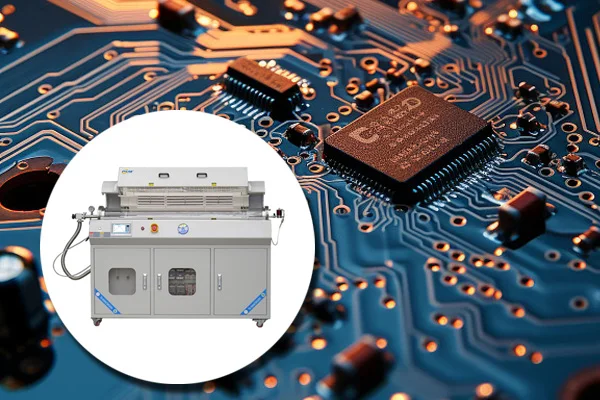
Choosing the Right CVD Furnace System: What You Need to Know
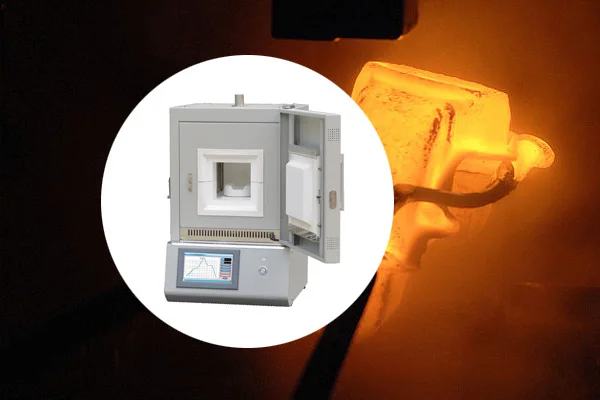
Sintering Furnace
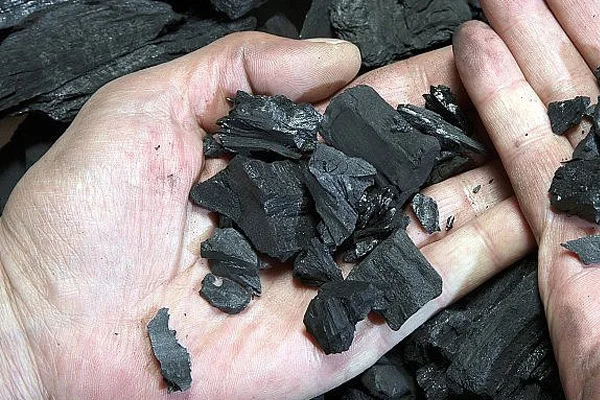
Biochar Research and Development
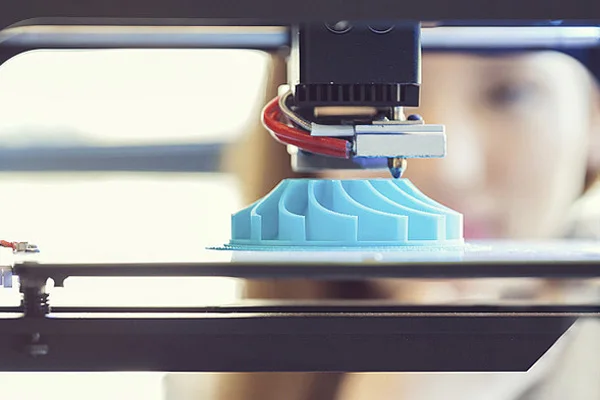
Additive Manufacturing
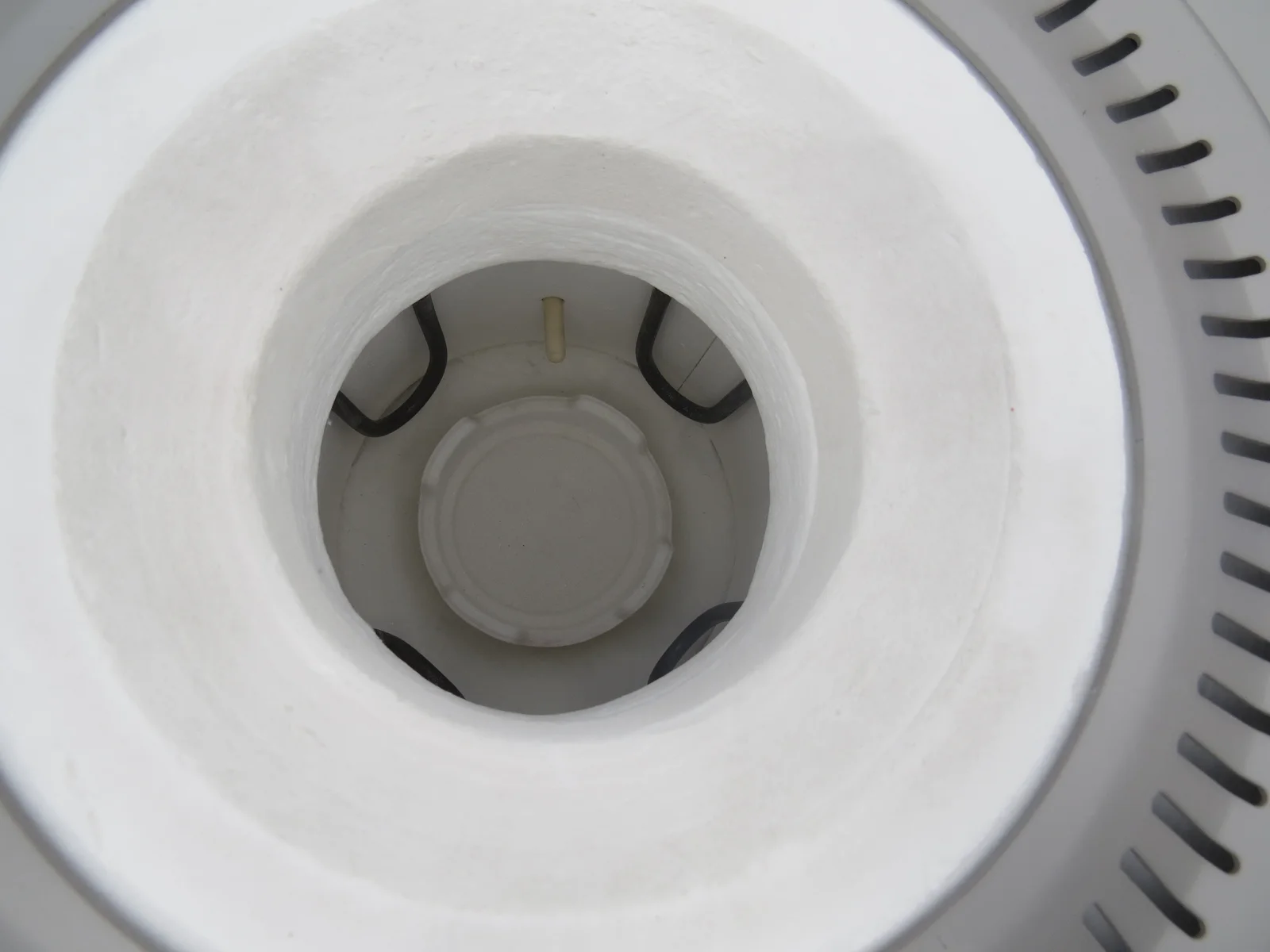
Crucible Furnace
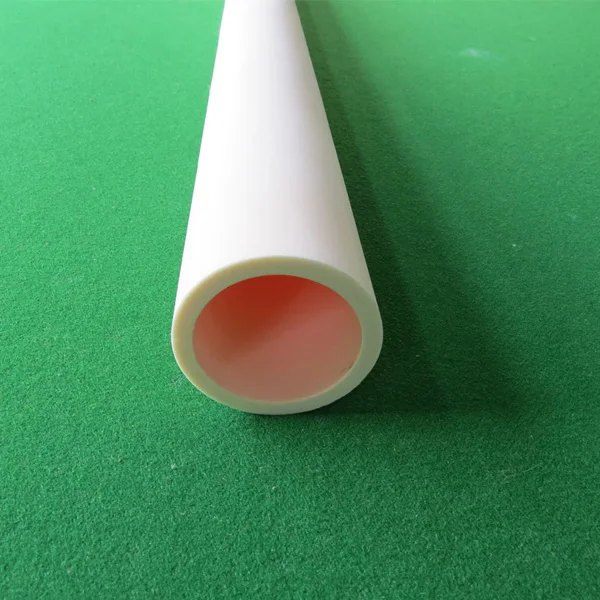
Alumina Tube
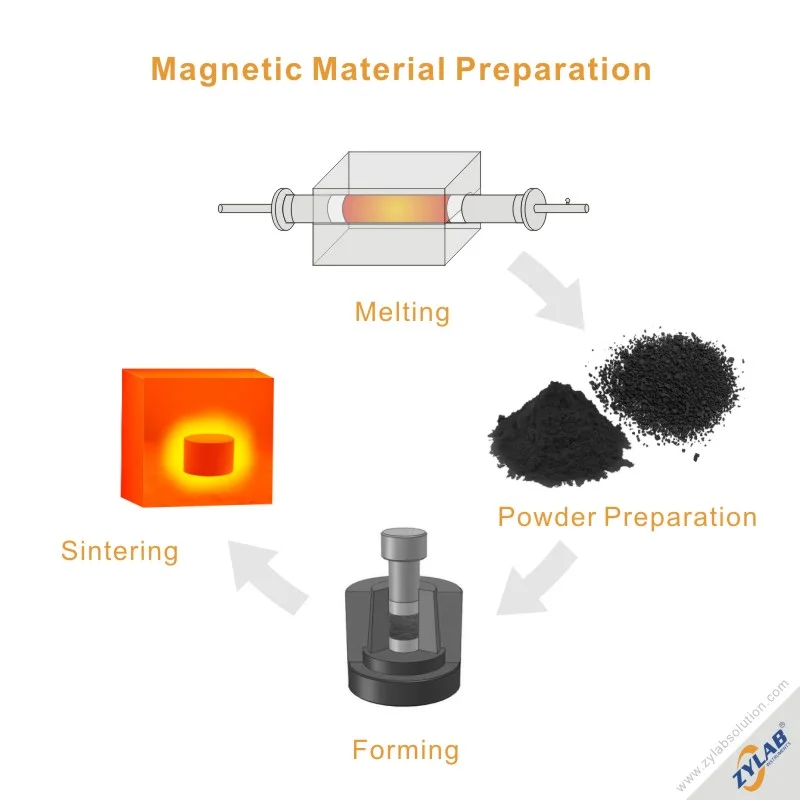
Magnetic Material Preparation
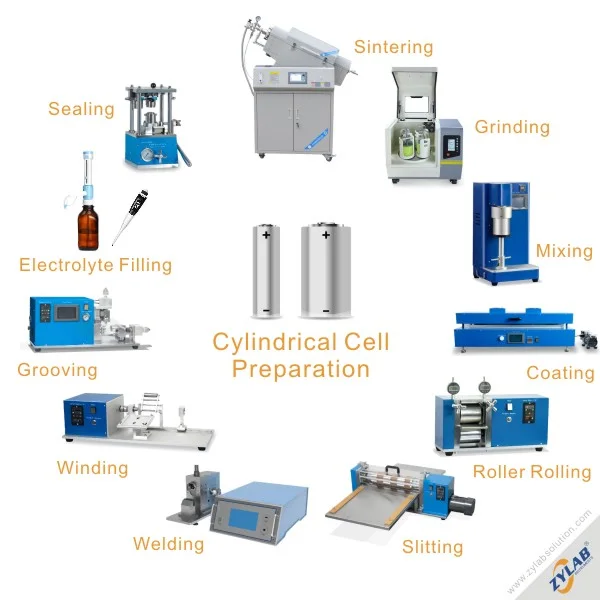
Cylindrical Cell Preparation
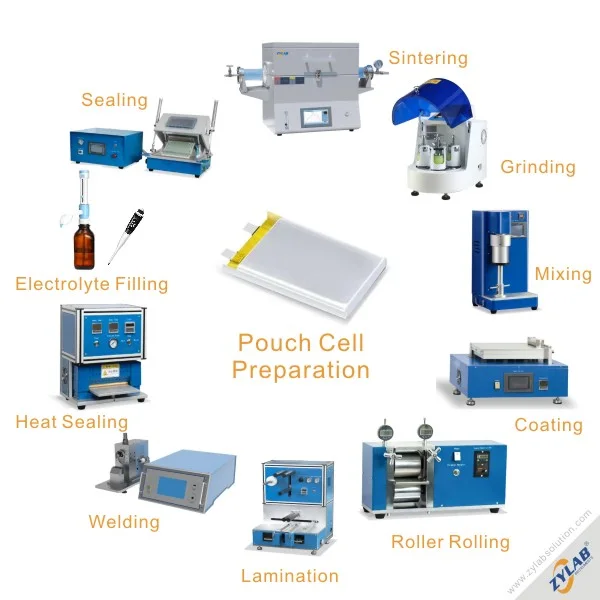
Pouch Cell Preparation
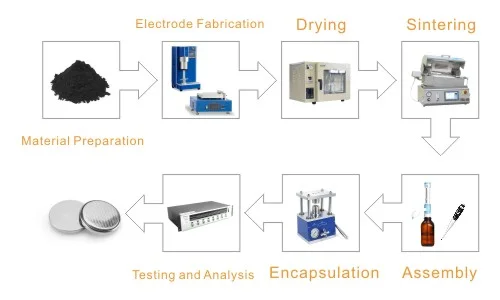
Coin Cell R&D
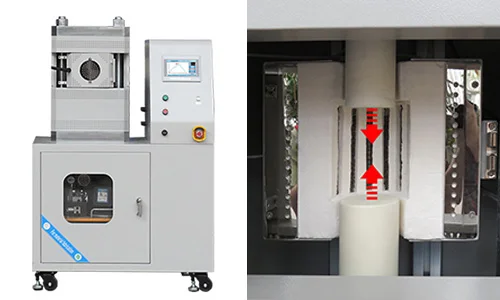
Applications of Detachable Hot Press Furnace
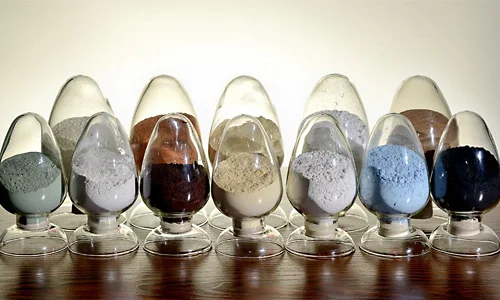
Powder Materials Preparation
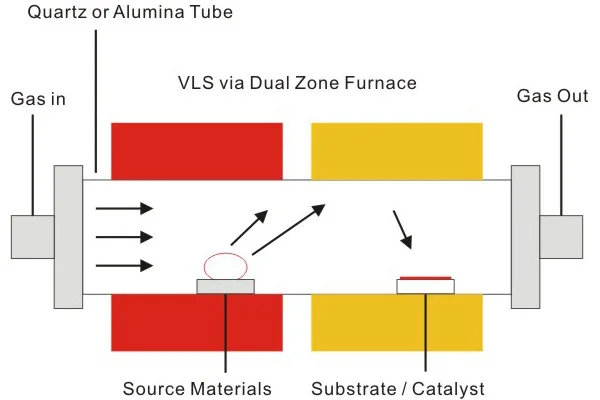
Chemical Vapour Deposition (CVD)
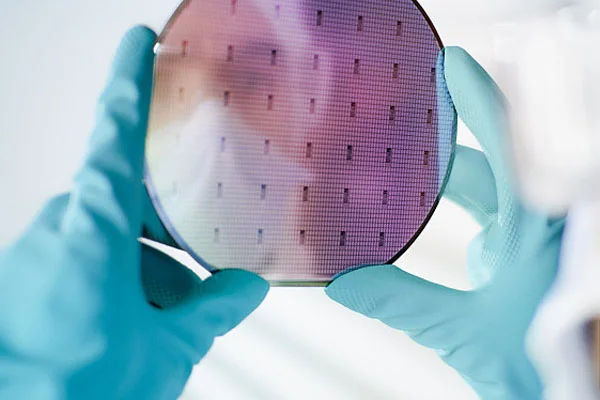
Applications of PECVD (Plasma-Enhanced Chemical Vapor Deposition) System
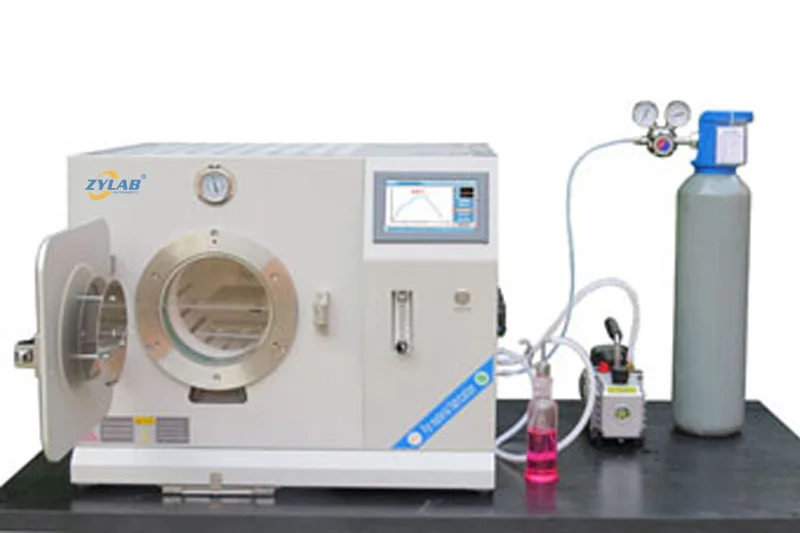
What Is a Vacuum Tube Furnace?
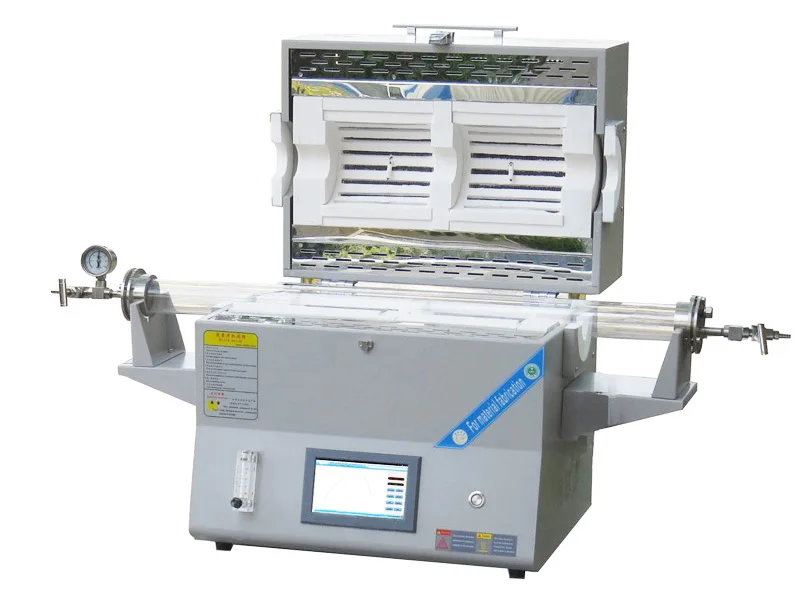
What Is a two zone tube furnace?
Tubular Furnace
Three Zone Tube Furnace
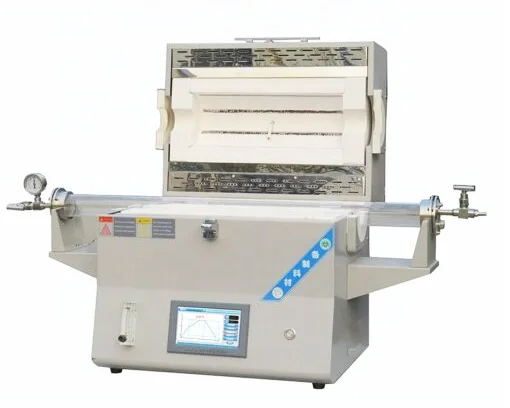
Split Tube Furnace
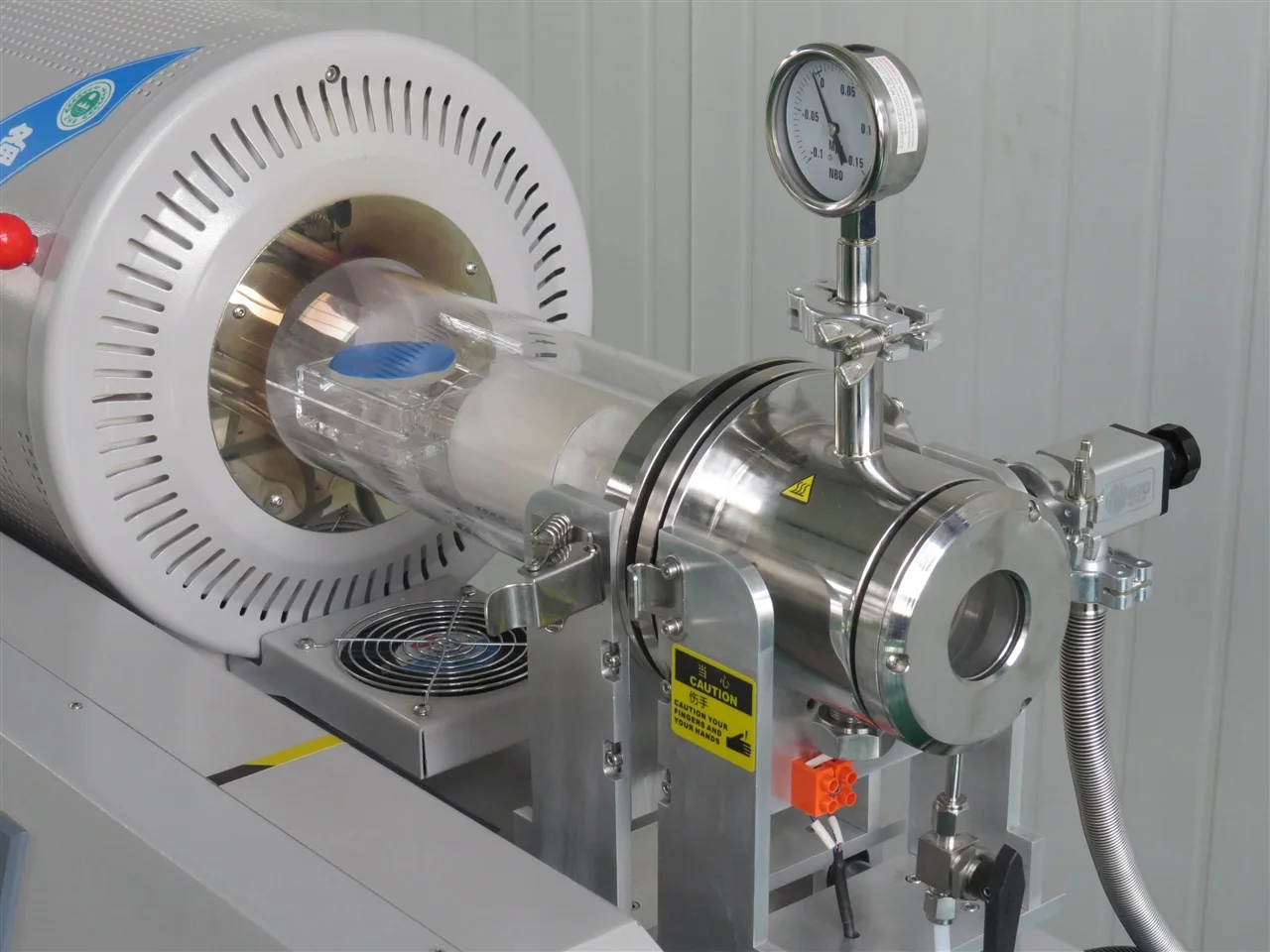
Quartz Tube Furnace
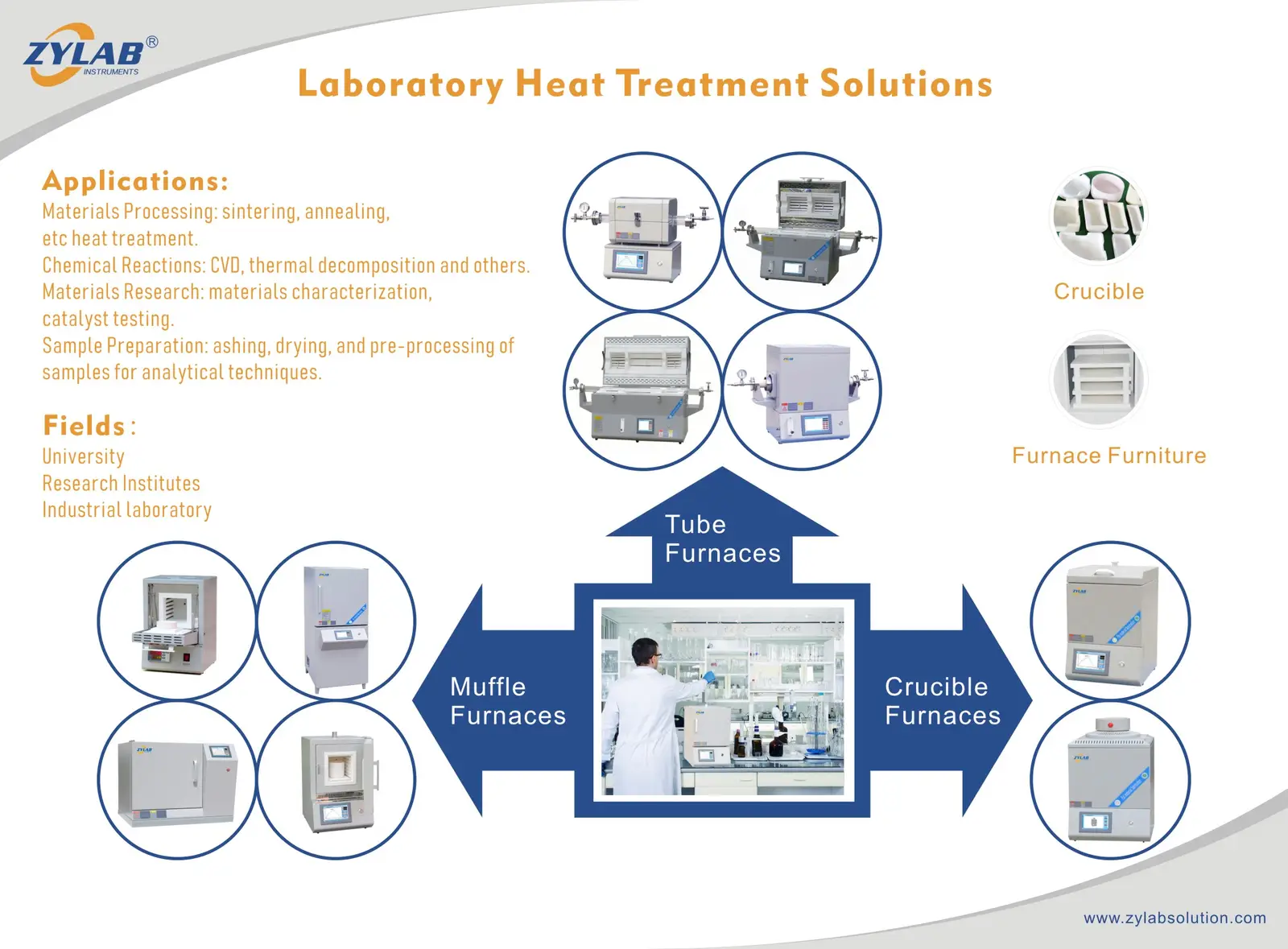
Laboratory Heat Treatment Solutions
Mini Tube Furnace
Laboratory Tube Furnace
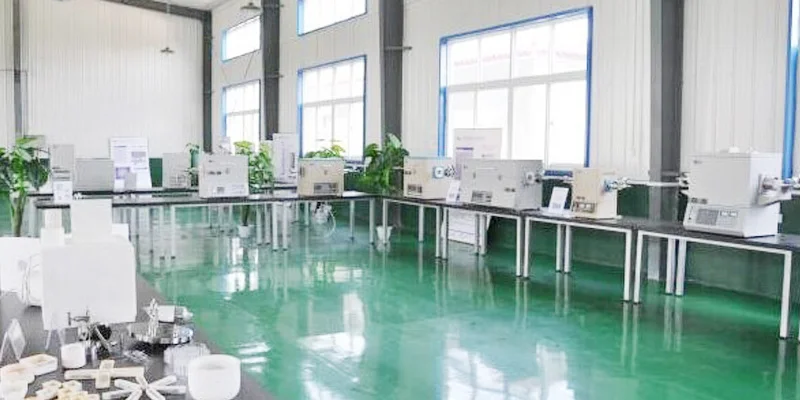
High Temperature Tube Furnace
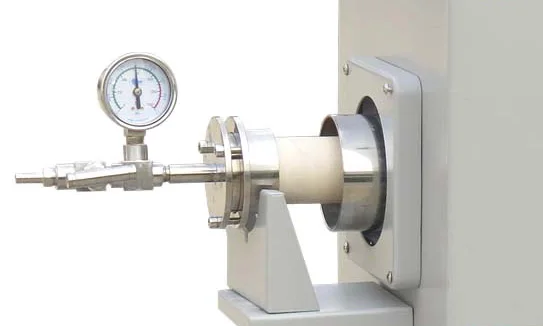
Alumina Tube Furnace
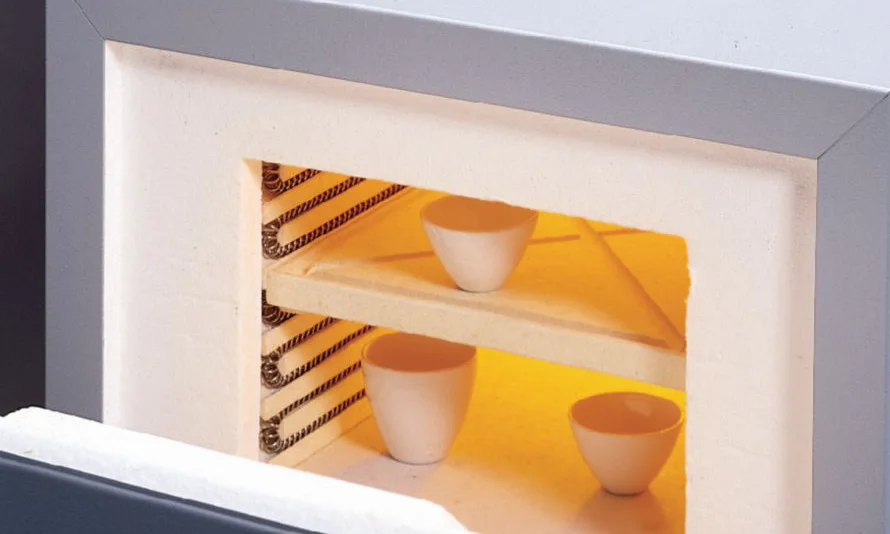
Applications of Box Furnaces
Tube Furnace Guide: Models, Applications & Custom Options
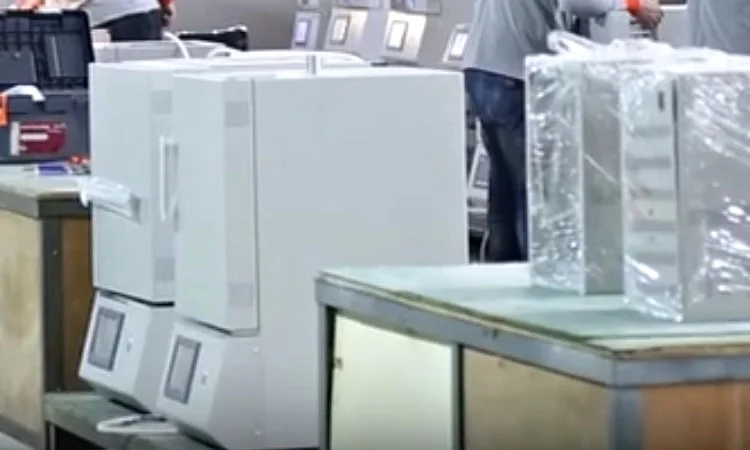
What Is a Muffle Furnace? A Complete Guide for Researchers and Engineers
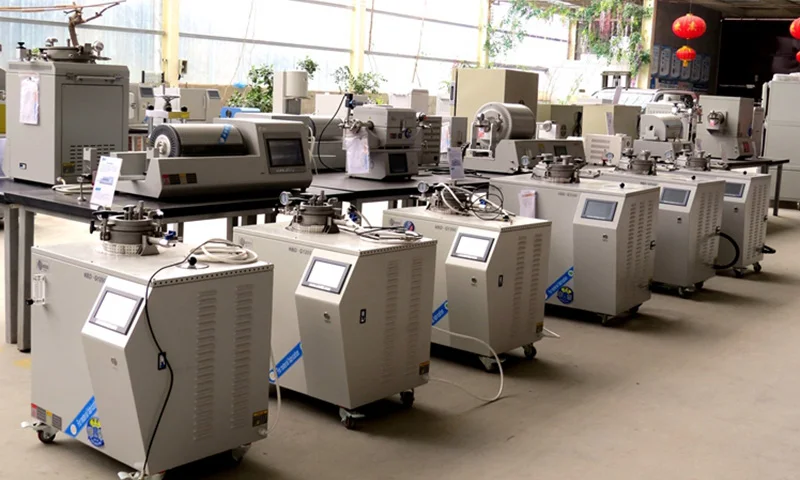
Types and Characteristics of Electric Furnaces Commonly Used in Laboratories
Application Fields and Industries of Laboratory Electric Furnaces
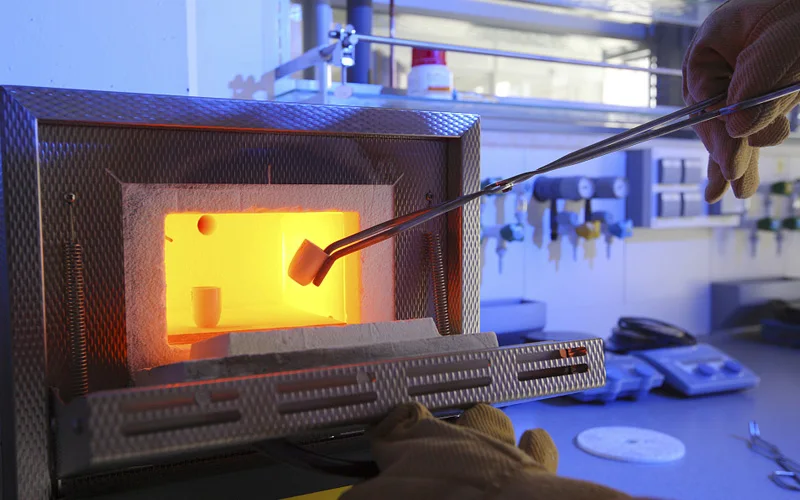
Working Principle & Classifications of Laboratory Electric Furnace
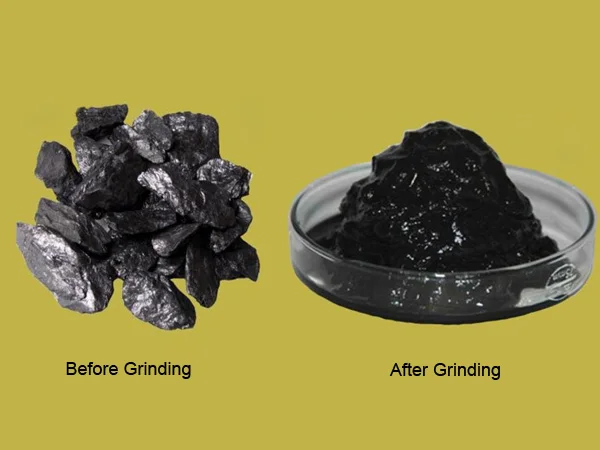
Grinding
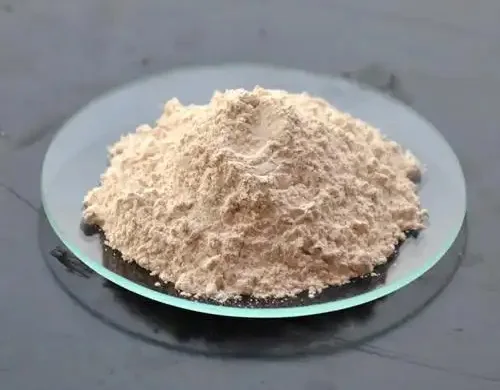
How to Prepare MnCO₃ Nanoparticles Using a Planetary Ball Mill
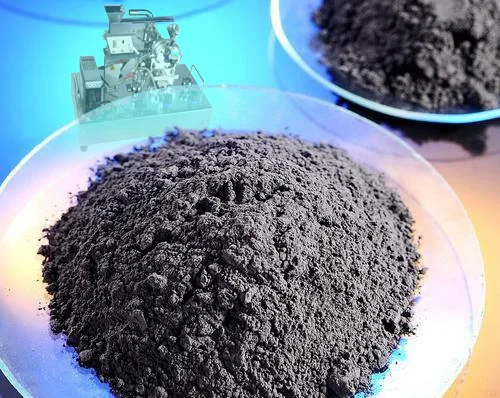
Common Problems in Lithium Iron Phosphate Grinding and How Lab Scale Jet Mills Solve Them
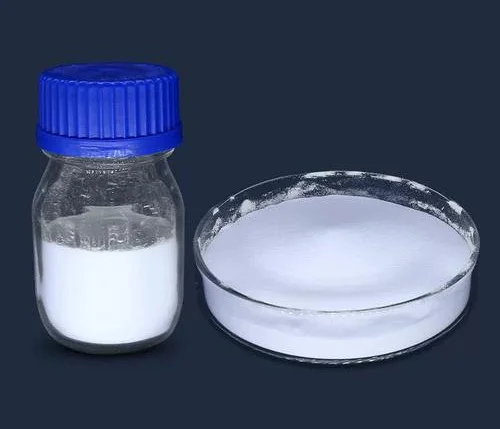
Jet Milling Solutions for Binder-Free Dry Electrode Powder Preparation
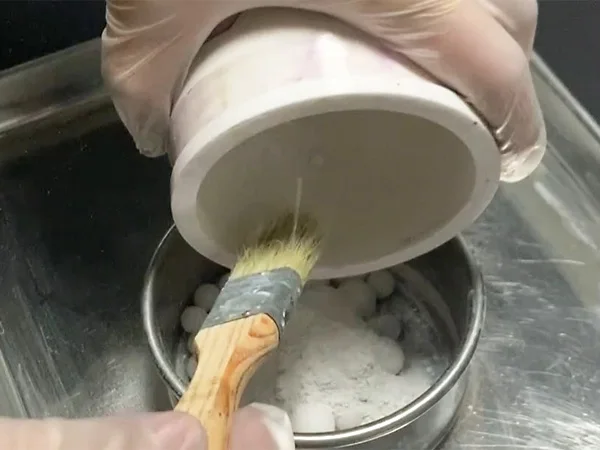
Why Large Particles Remain After Ball Milling and How to Solve It
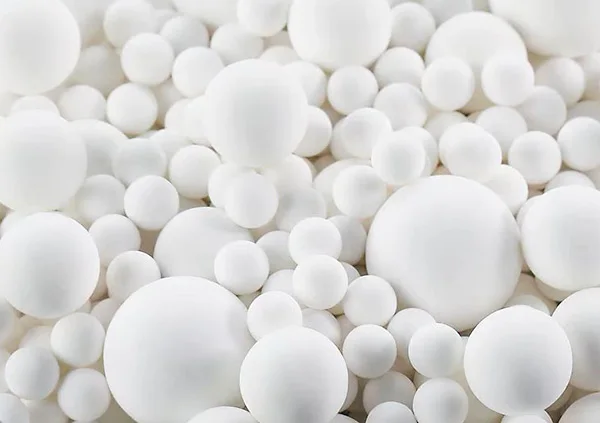
Why Are Different Size Grinding Balls Used in a Planetary Ball Mill and How to Choose the Right Sizes?
Efficient Methods for Grinding Chemical Fibrous Materials into Powder
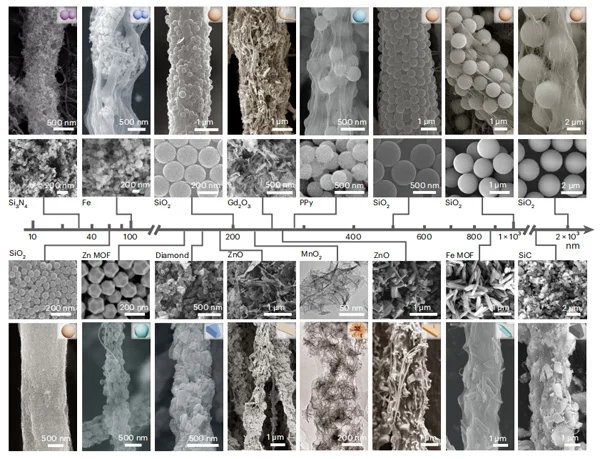
Powder Material Fibrillation: Mechanisms, Applications, and Research Trends
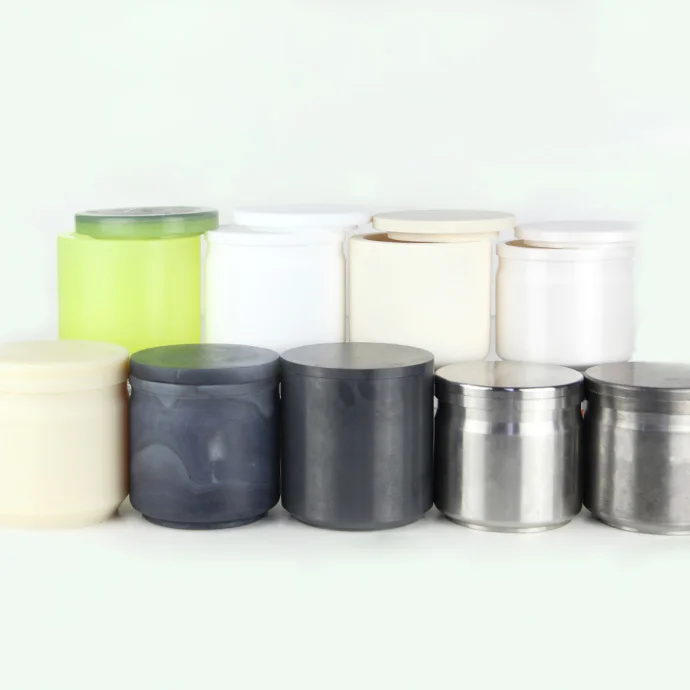
How to Select the Right Grinding Media for Laboratory Ball Milling | ZYLAB Guide
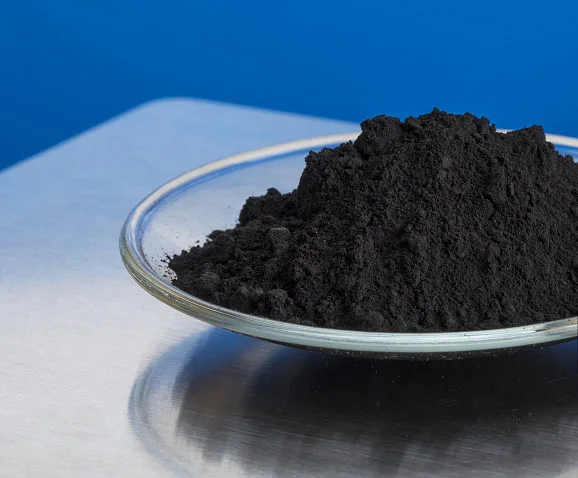
How to Choose Laboratory Powder-Milling Equipment: Ball Mills vs Jet Mills and Other Options
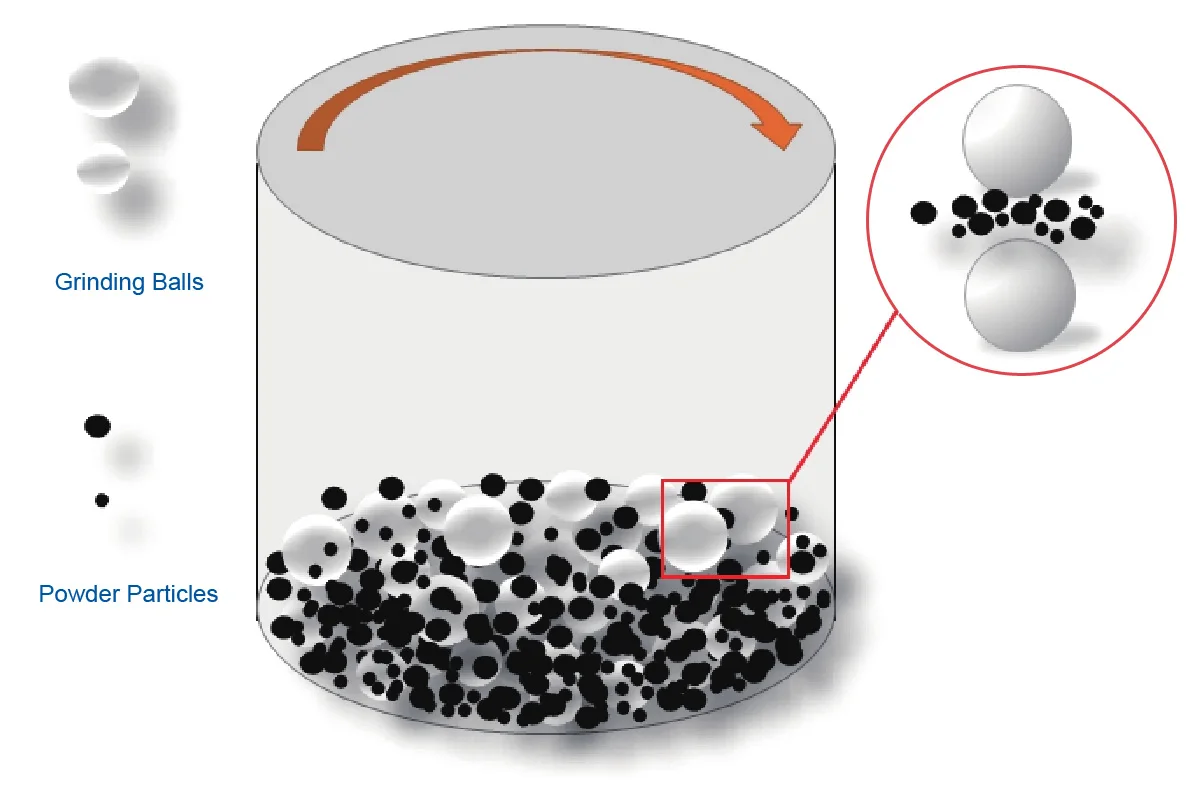
Mechanical Alloying in High-Energy Planetary Ball Mills
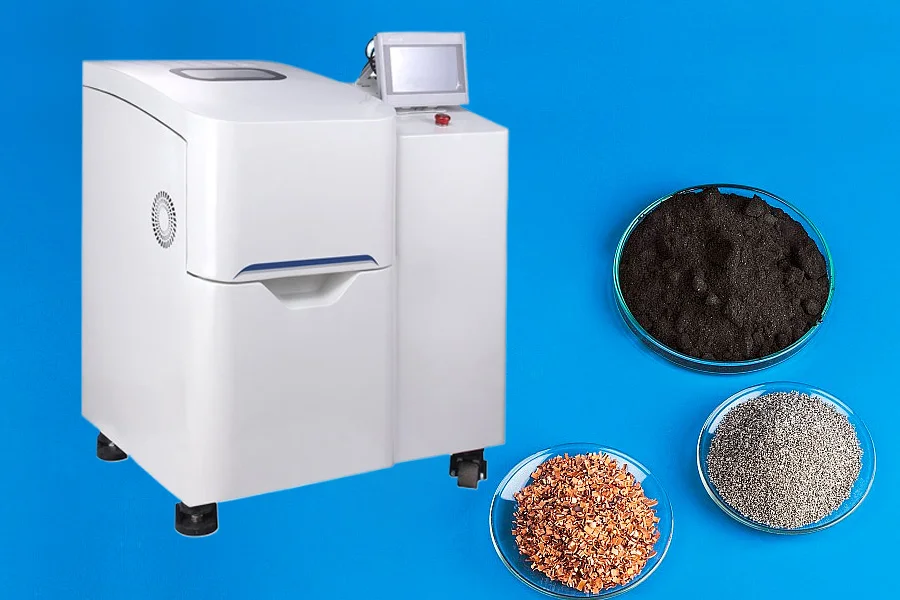
MAX1600 High-Energy Ball Mill Grinding Case Study
Exploring Powder Metallurgy: The Future of Modern Manufacturing
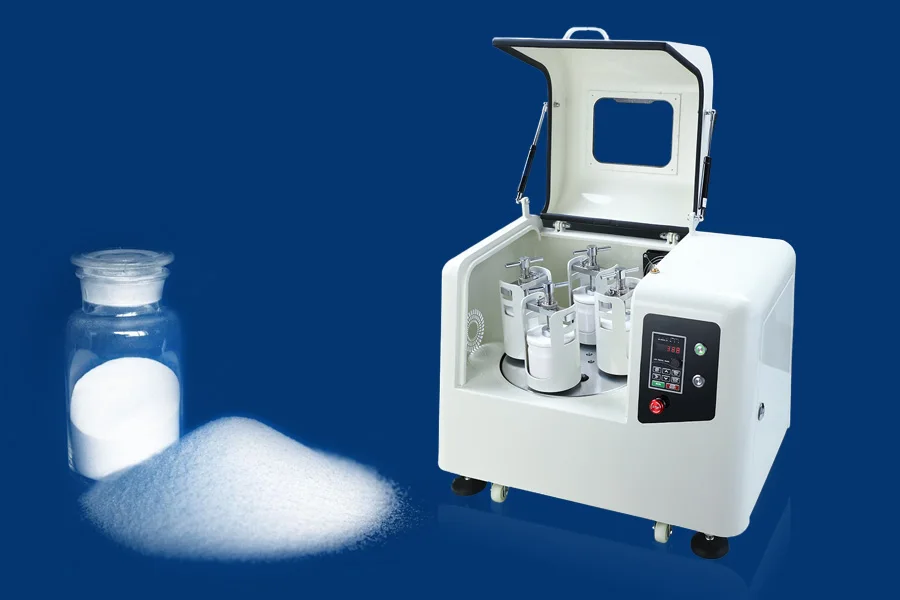
Complete Guide to Vertical Planetary Ball Mills: Structure, Jars, and Media
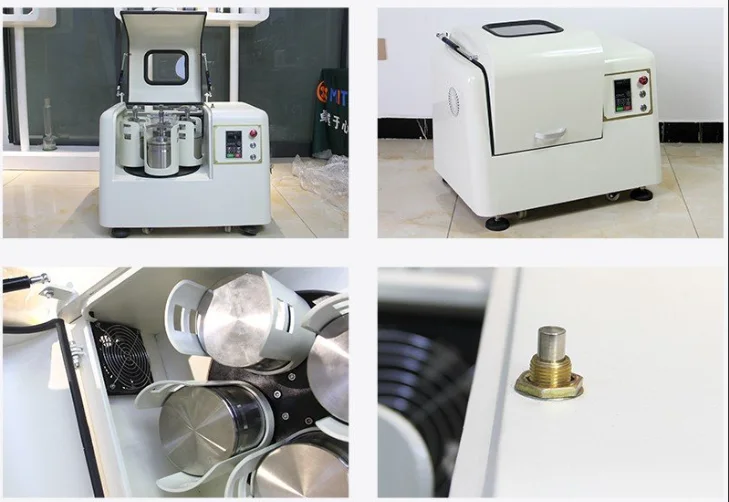
What is A Planetary Ball Mill?
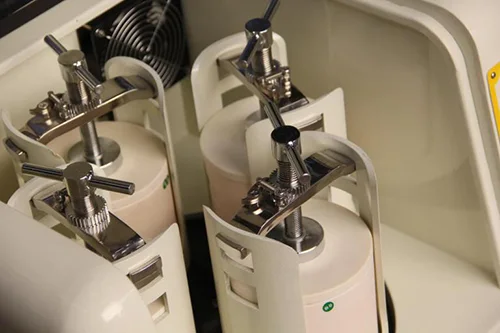
Choosing the Right Ball Mill Setup: Jars, Ball Size Distribution, and Dual-Stage Method
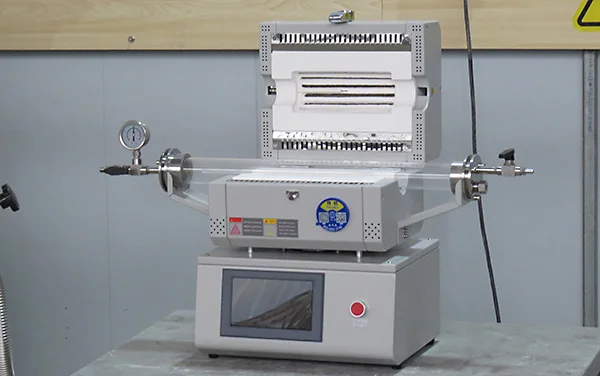
Thermal Processing
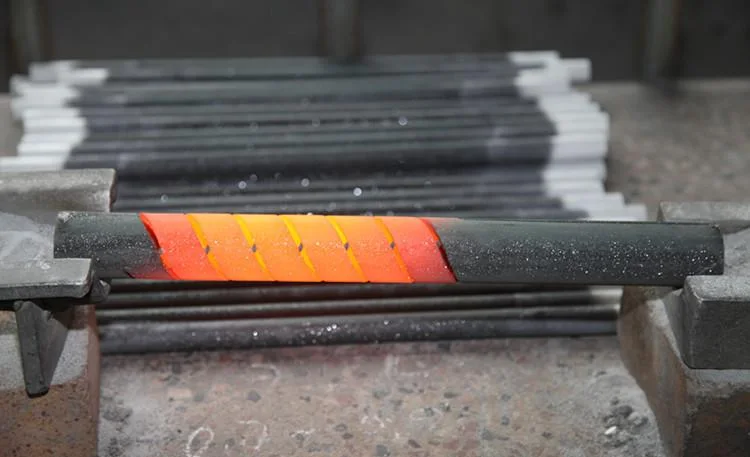
How to Extend the Service Life of SiC Heating Elements
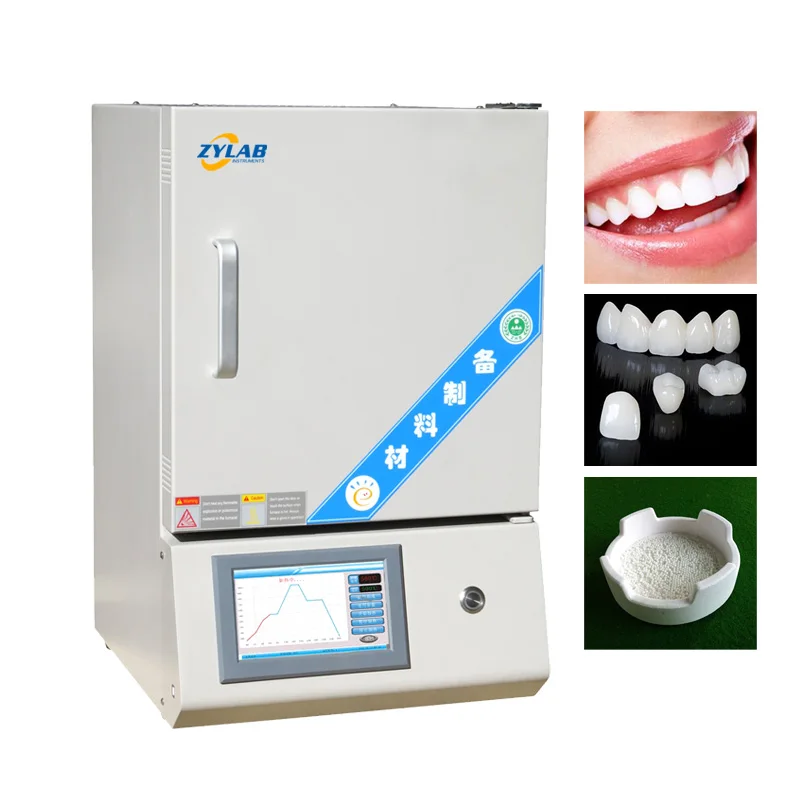
How Muffle Furnaces Support Ceramic and Metal Sintering in R&D Labs
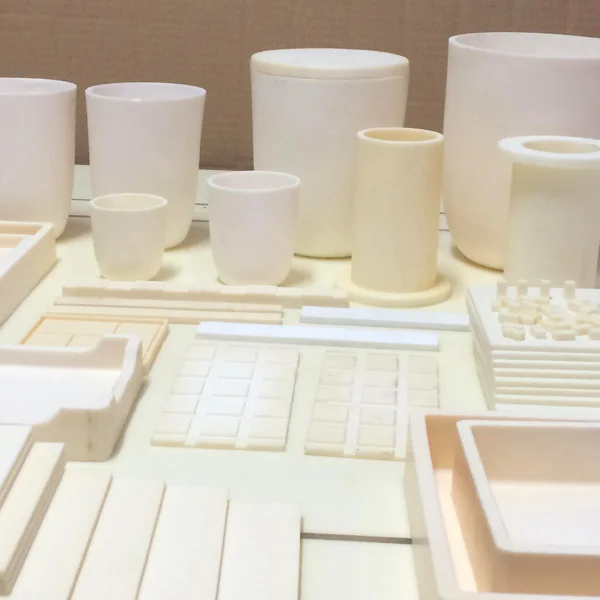
How to correctly select furnace furniture?
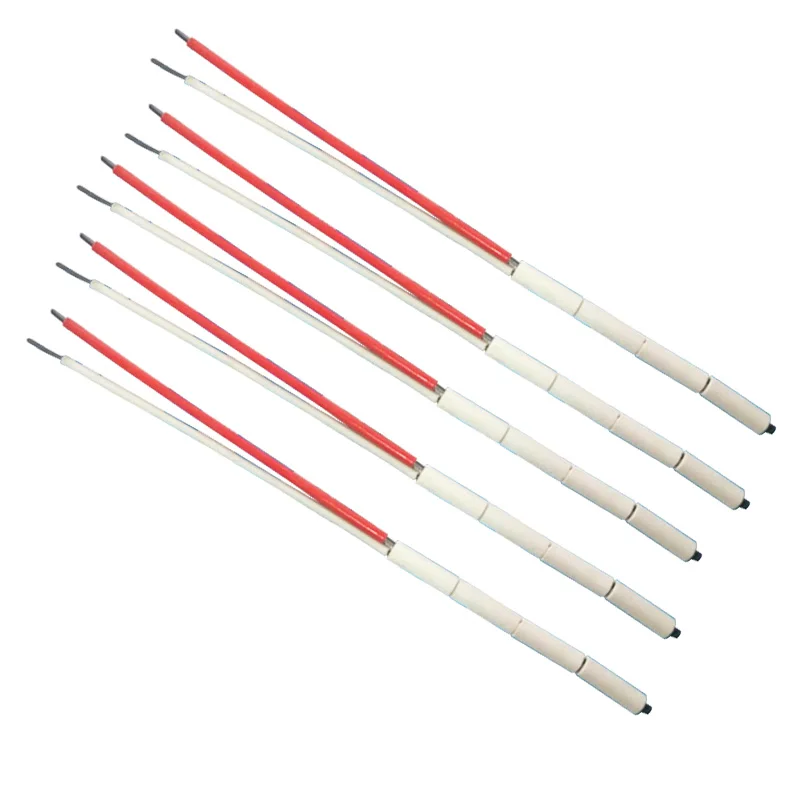
Thermocouples – Selection and Installation
MoSi2 Heating Elements: Complete Guide to Types, Selection, Installation, and Maintenance
SiC Heating Elements: Complete Guide to Types, Selection, Installation, and Maintenance
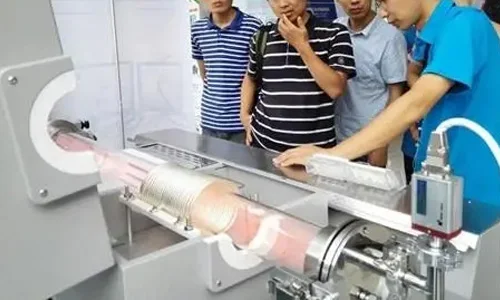
What is a horizontal tube furnace?

Technical Support & After-sales Services for ZYLAB Furnaces
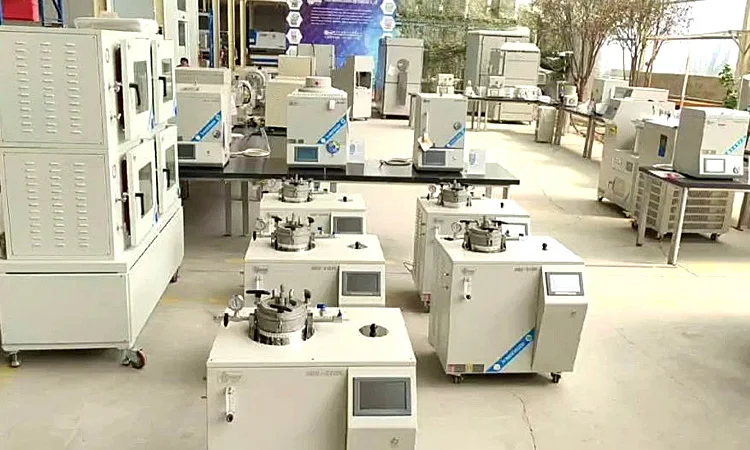
Characteristics of ZYLAB Furnaces
Development Trend and New Technology of Laboratory Electric Furnace

How to Choose a Laboratory Electric Furnace Supplier
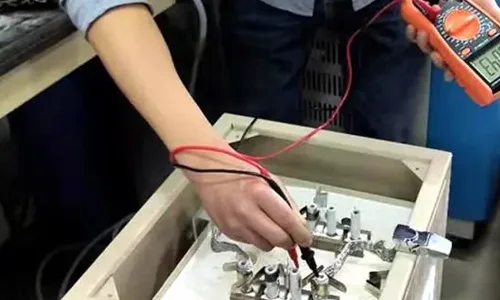
How to Maintenance and Upkeep a Laboratory Electric Furnace
How to Choose a Suitable Laboratory Furnace
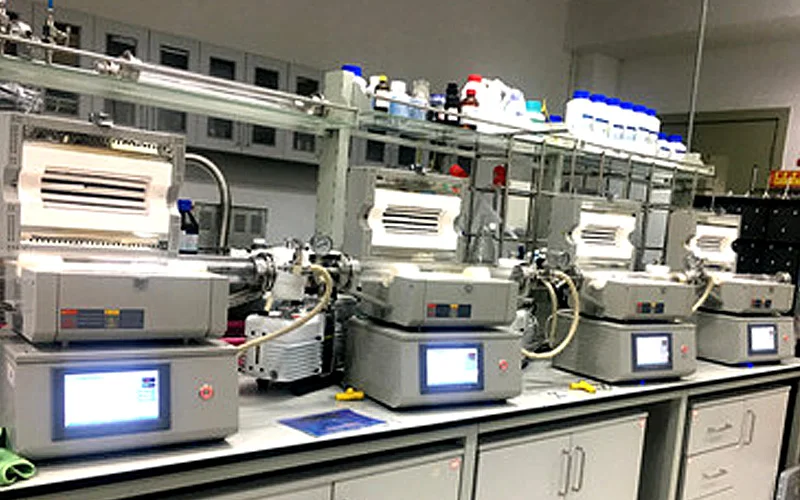
ZYLAB Furnaces and It’s Applications
Heat Treatment
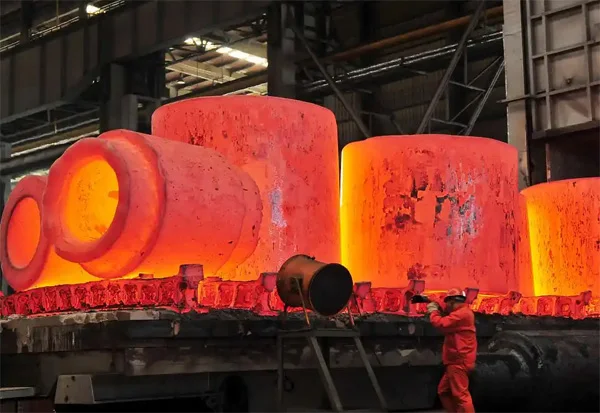
Heat Treatment Part 9: Aging Treatment
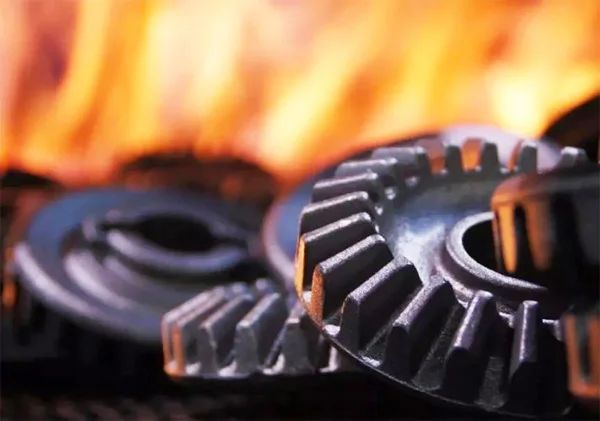
Heat Treatment Part 8: Solution Treatment
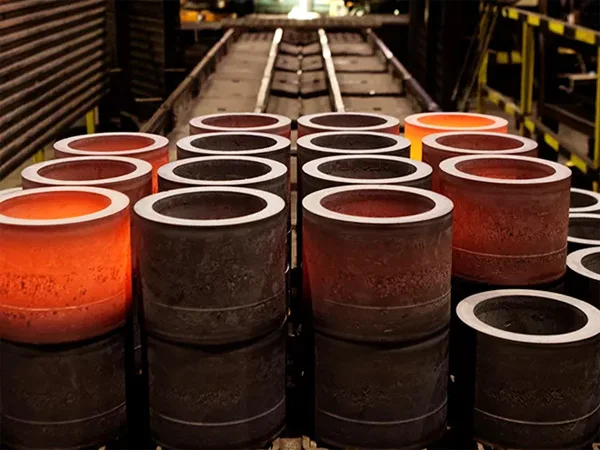
Heat Treatment Part 7: Quenching and Tempering (Quench-temper Treatment)
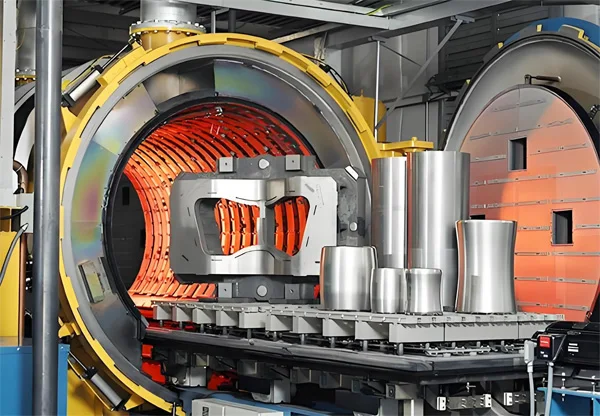
Heat Treatment Part 6: Conventional vs Vacuum Heat Treatment and Furnace Differences
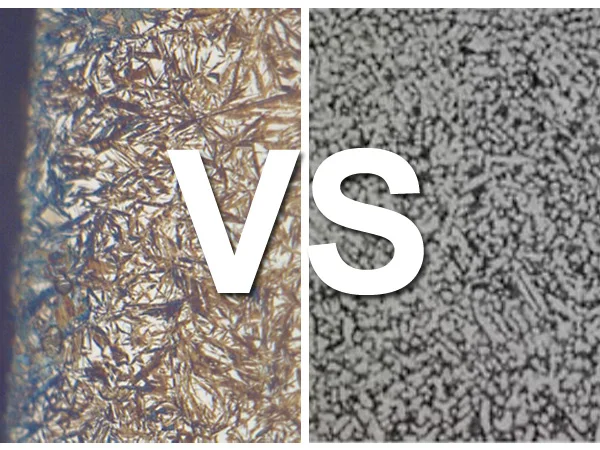
Heat Treatment Part 5: Carburizing and Nitriding
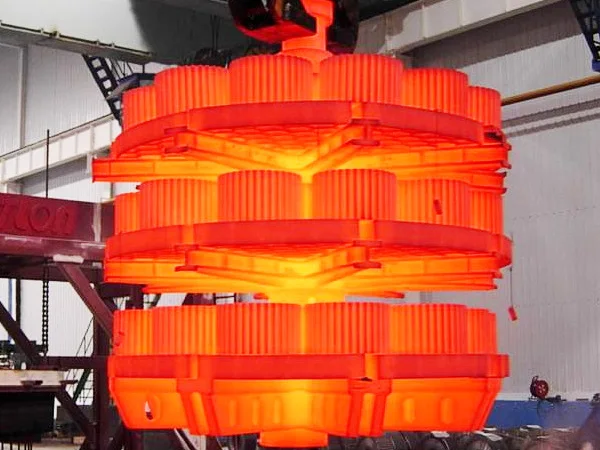
Heat Treatment Part 4: Tempering — The Gentle Care After Quenching
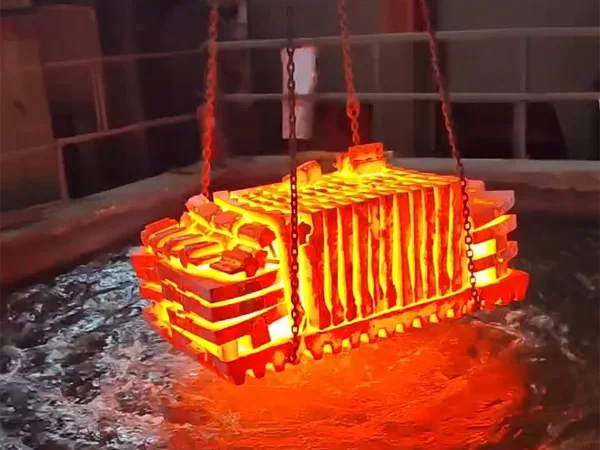
Heat Treatment Series, Part 3: Quenching – Harnessing the Power of Rapid Cooling
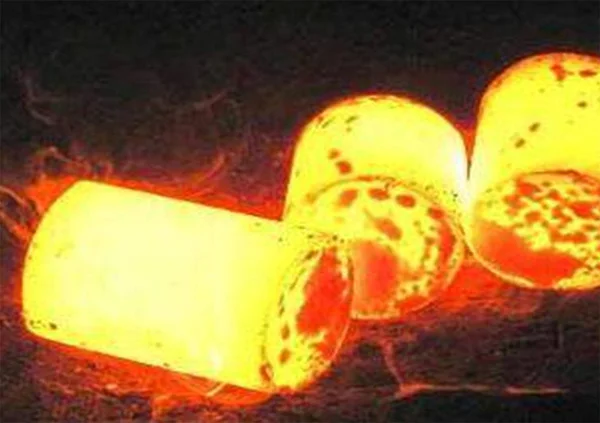
Heat Treatment Series, Part 2: Normalizing – Stronger Steel through Air Cooling
Heat Treatment Series, Part 1: Annealing – Relaxing Metals for Better Performance
Dental
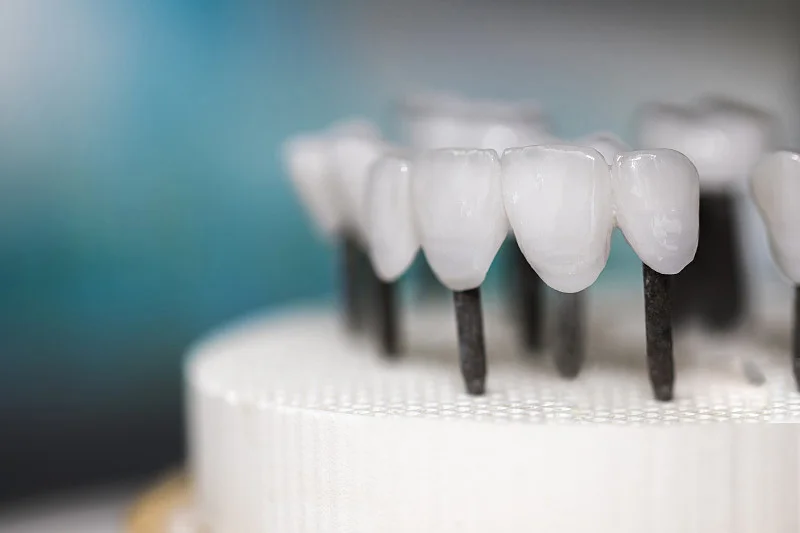
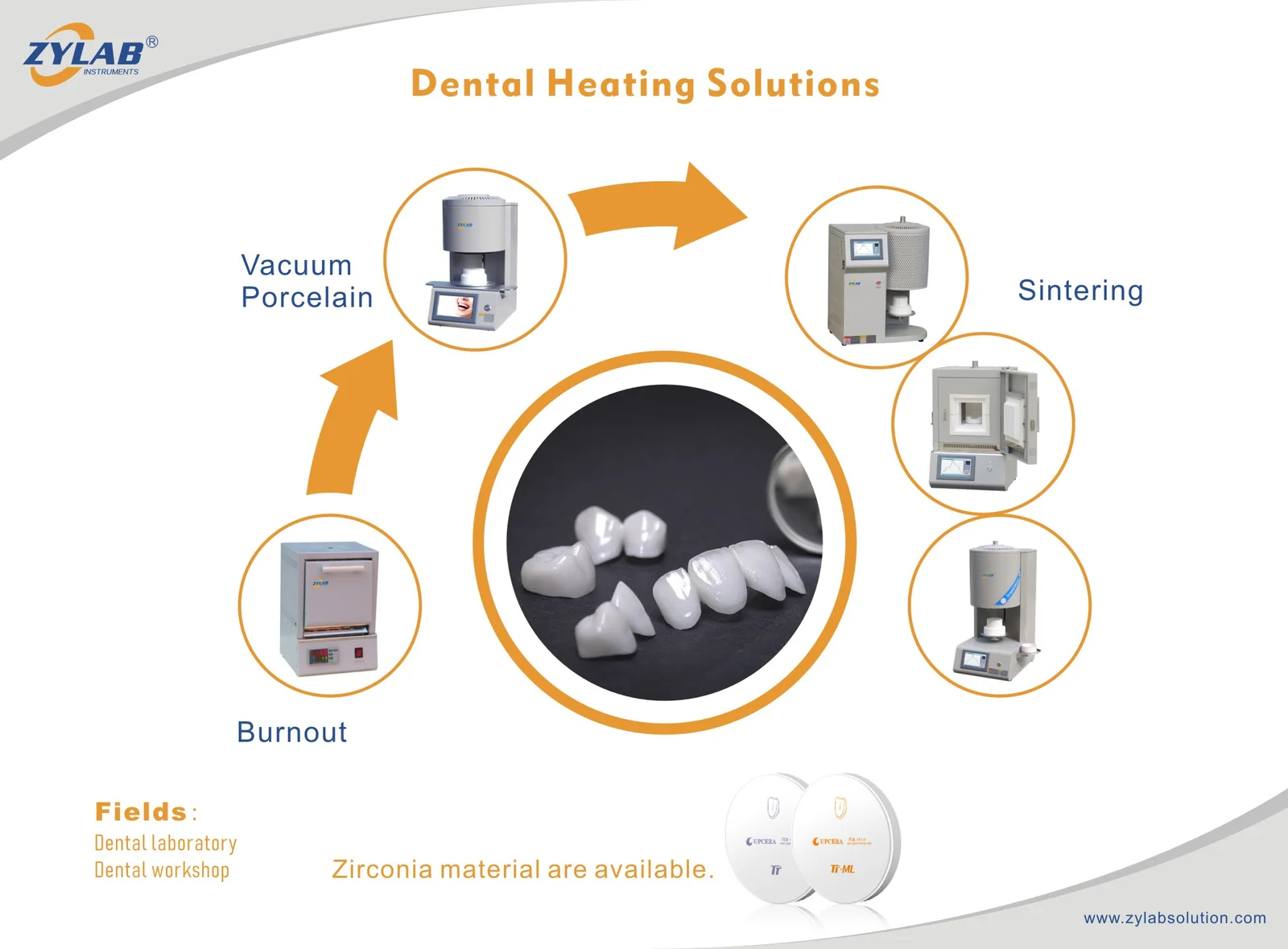

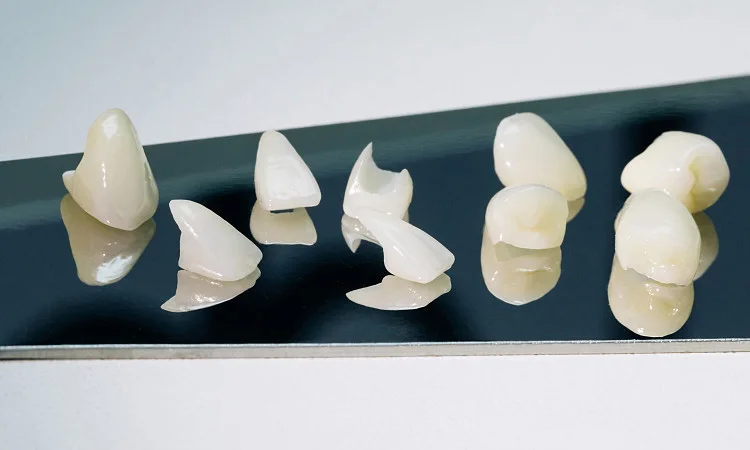
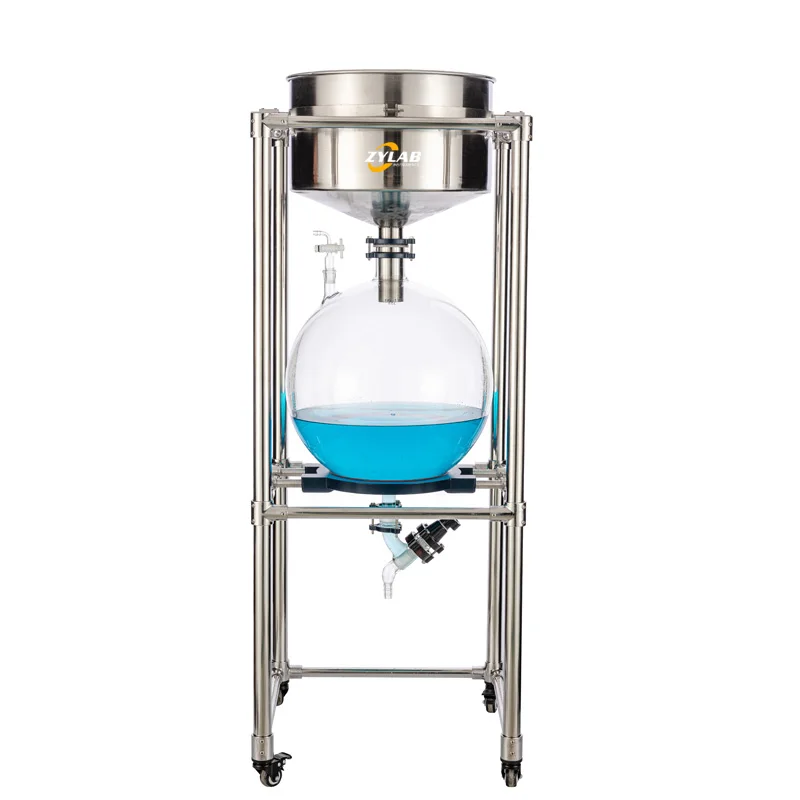
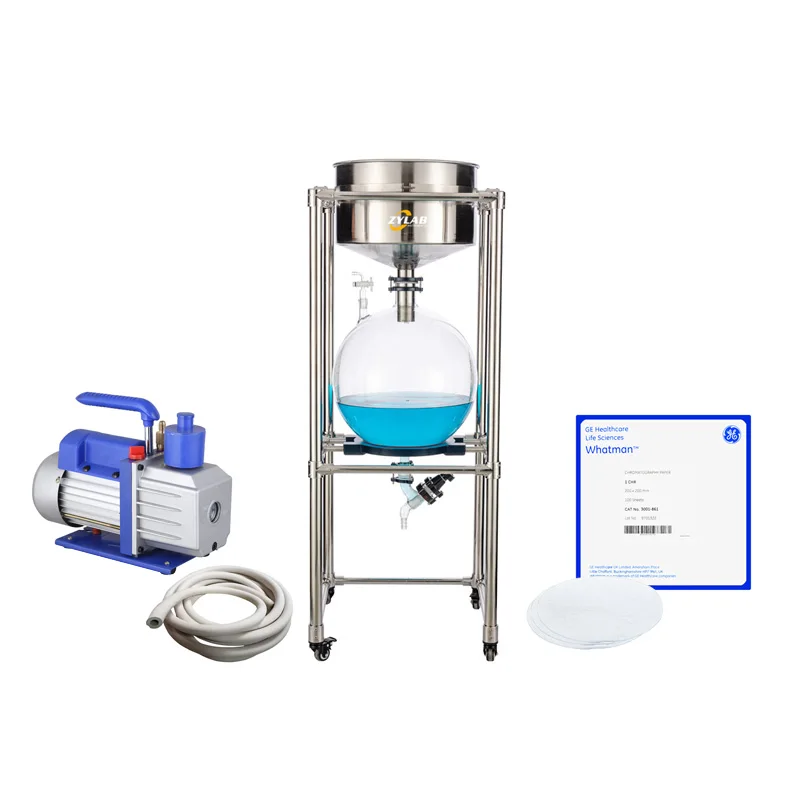
Knowledge Sharing Series
Powder Metallurgy Part 5 — Post-Processing and Performance Testing
Powder Metallurgy Part 4 — Sintering: From Fragile to Dense
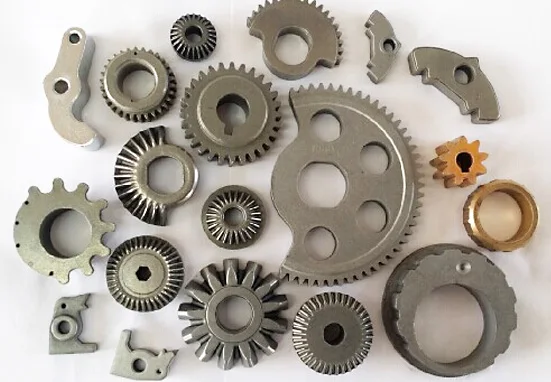
Powder Metallurgy Part 3 — From Powder to Shape: Forming Techniques Explained
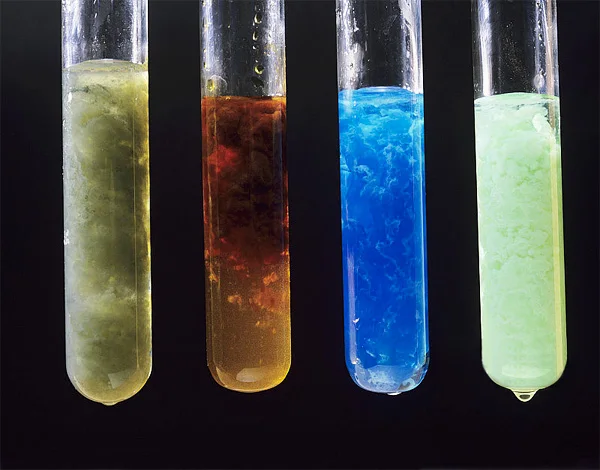
Powder Metallurgy Part 2 – Chemical Methods for Powder Production
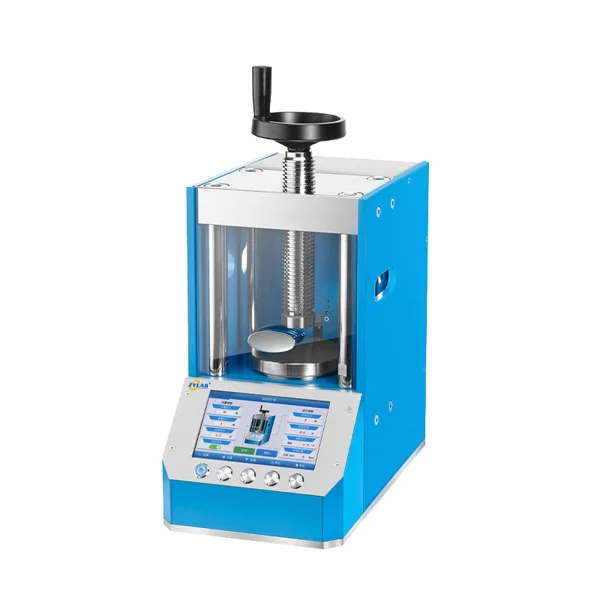
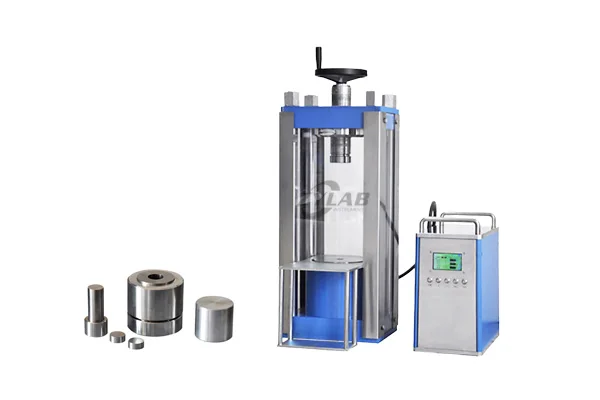
Powder Processing
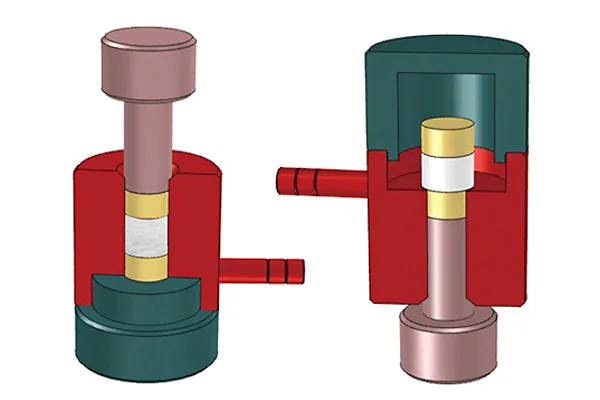
Lab Scale Jet Mill vs. Other Milling Techniques: A Practical Comparison for Researchers
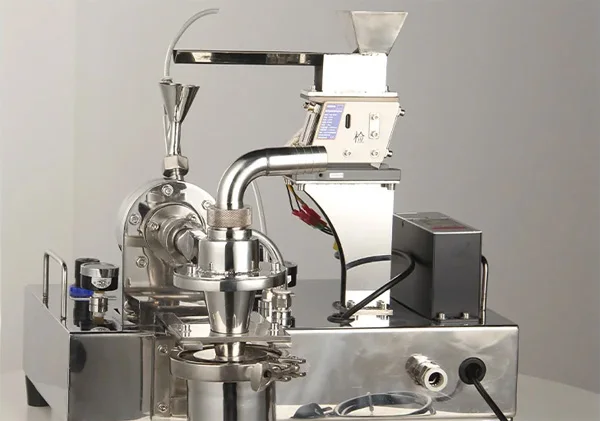
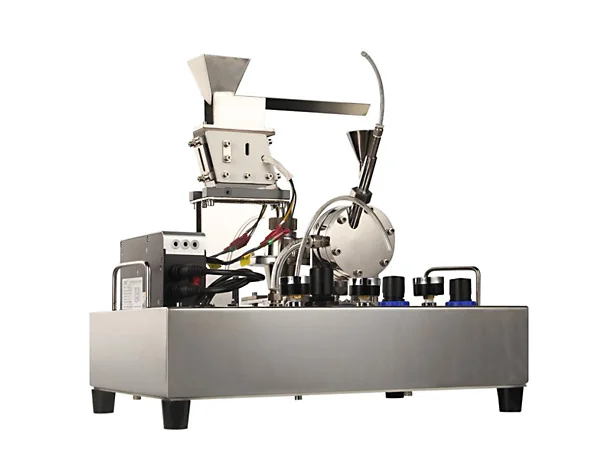
Laboratory Jet Mill: A Compact Solution for Ultra-Fine Powder Research
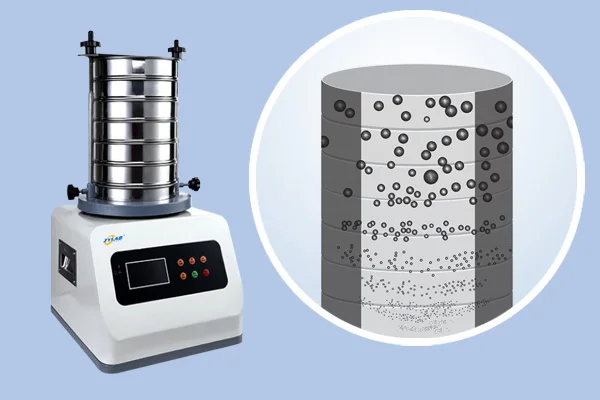
Working Principle and Application of Sieve Shaker: How to Optimize Particle Size Analysis in the Laboratory?
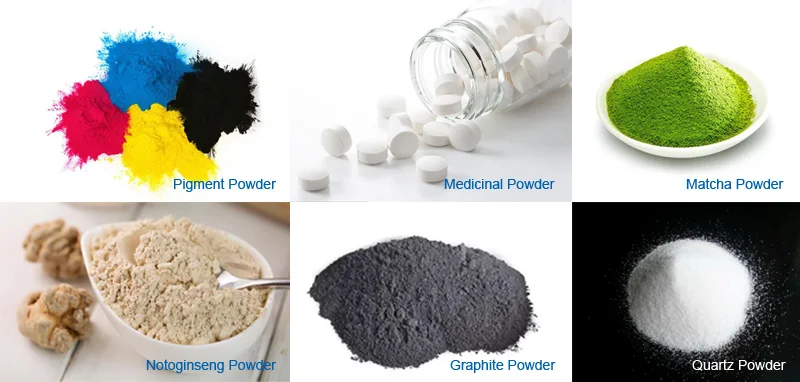
Main Processes and Applications of Powder Processing – Laboratory Powder Equipment
Mixing
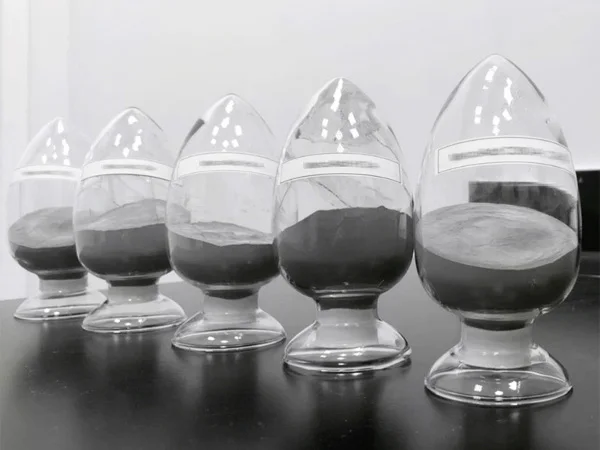
How To Avoid Powder Agglomeration And Segregation During Additive Manufacturing Material Preparation

Why 3D Shaker Mixers Are Ideal for High-Uniformity API Blending in Pharmaceutical Formulation Development
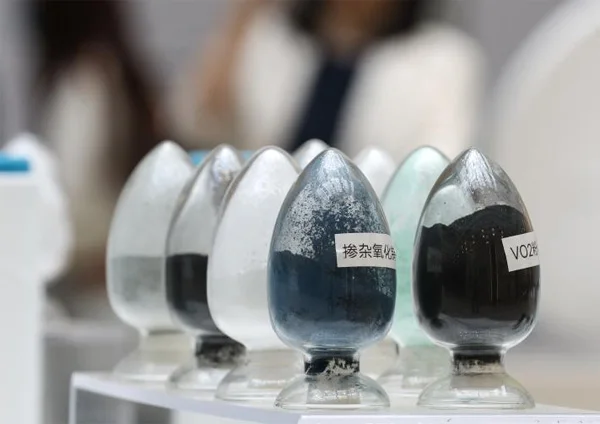
Powder Mixing in Laboratory Battery Research: Methods, Challenges, and Best Practices
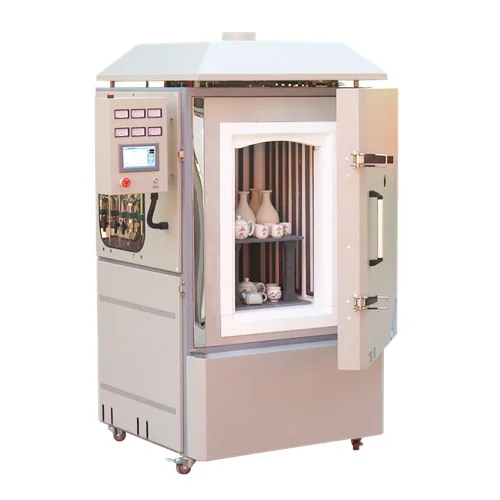
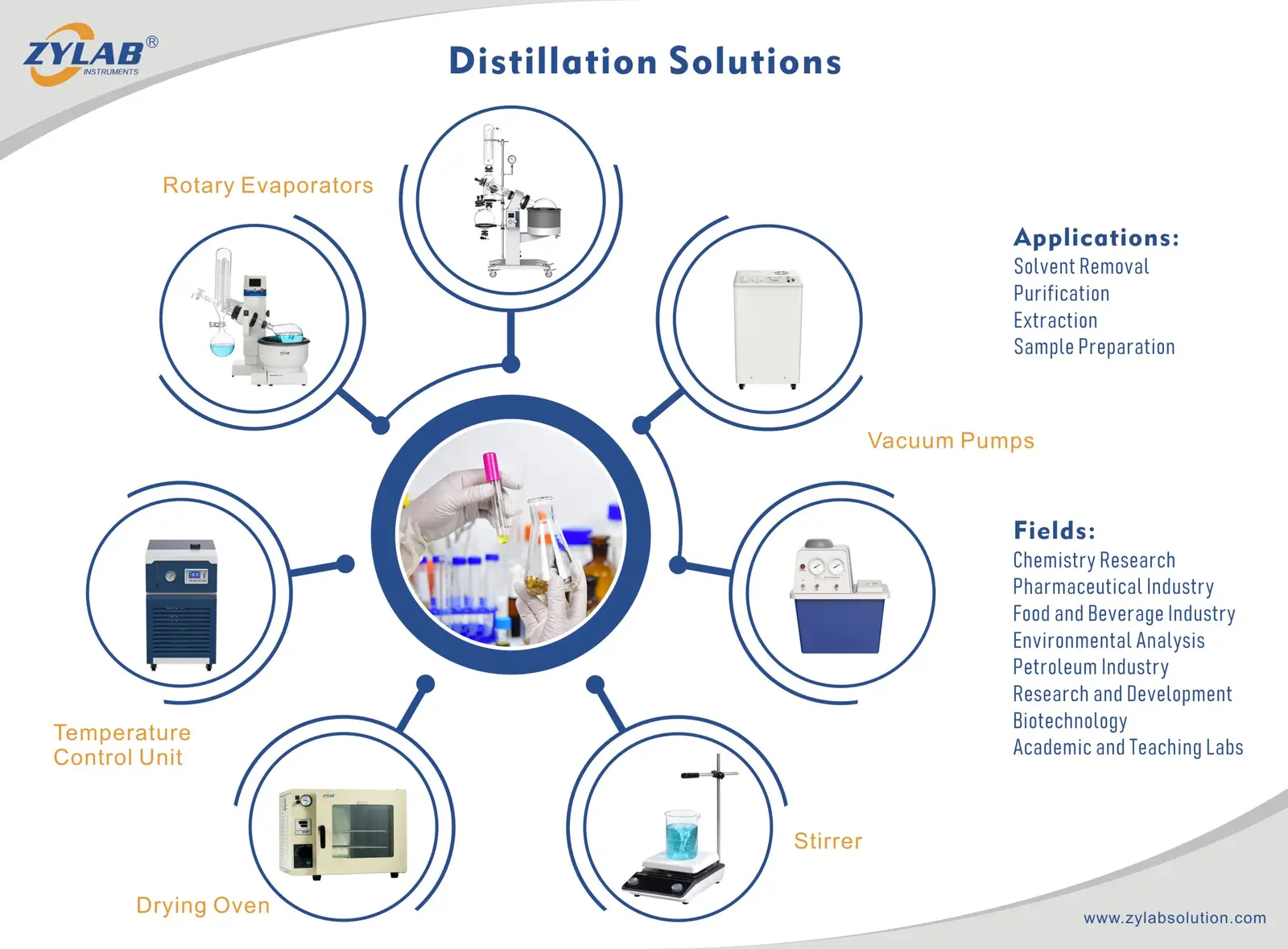
Distillation
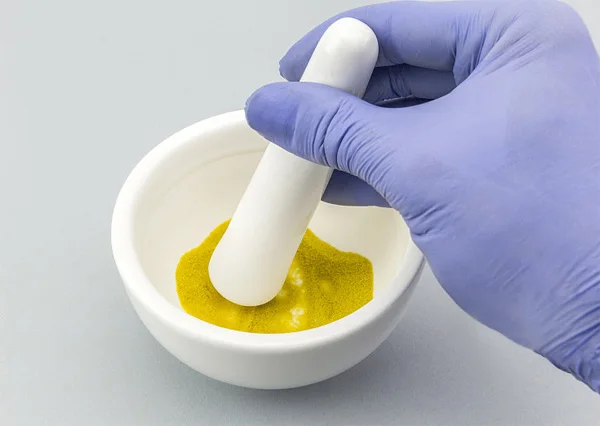
Sample Preparation
Powder Metallurgy
Questions The Guides Get Asked Most
Can laboratory furnace selection be customised for our process?
Yes. Chamber or tube size, temperature profile, atmosphere, gas path, control system and data recording can all be adapted. Send us your process conditions and sample details and our engineers work out a configuration with you.
What warranty comes with laboratory furnace selection?
Most ZYLAB products carry a 2-year warranty, glass components excluded; the exact term for this model is the one printed in its specification table and repeated on the quotation. Within the warranty period any part that fails through no misuse of your own is replaced free of charge.
How can we pay for laboratory furnace selection?
Bank (wire) transfer, letter of credit for larger orders, major credit and debit cards, and PayPal. Bank details are printed on the invoice; send us the transfer confirmation and we start processing straight away.
How is laboratory furnace selection packed for export?
Packing is chosen for the safety of the machine against freight cost, typically a plywood or wooden crate with internal padding and vacuum-sealed accessories. Export documents such as Form A, Form E and Form F can be issued to help you save duty.
Is there a minimum order quantity for laboratory furnace selection?
No. ZYLAB has no minimum order requirement, so a single unit of laboratory furnace selection is a normal order. Occasionally a component supplier imposes a minimum quantity of their own, and we tell you as soon as we are notified.
Cannot Find The Answer
Our technical support is free whether or not you have ordered before. Send the question and an engineer replies.