
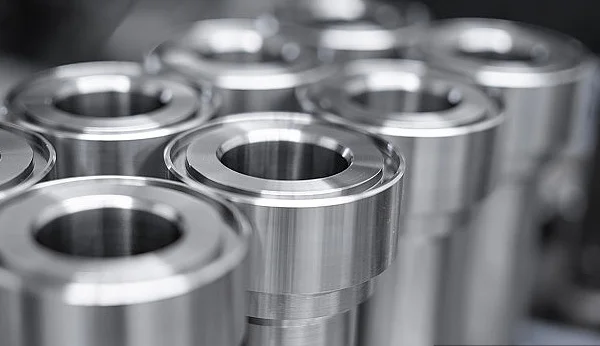
The Impact of Heat Treatment on Material Properties: Enhancing Hardness, Strength, and Corrosion Resistance
By carefully controlling temperature, heating duration, and cooling methods, materials can achieve enhanced hardness, strength, and corrosion resistance. Using ZYLAB high-temperature furnaces, researchers and engineers can optimize heat treatment processes for superior material performance.
- LaboratoryThermal ProcessingAtmosphere-Controlled High-Temperature FurnacesCustom High-Temperature FurnacesHeat Treatment and Corrosion Resistance2025-02-19
Introduction
Heat treatment is a crucial process in materials science that alters the microstructure of metals and alloys to improve their mechanical and chemical properties.
By carefully controlling temperature, heating duration, and cooling methods, materials can achieve enhanced hardness, strength, and corrosion resistance.
Using ZYLAB high-temperature furnaces, researchers and engineers can optimize heat treatment processes for superior material performance.
1. Enhancing Hardness
Hardness is a material’s ability to resist deformation, wear, and abrasion. Heat treatment processes such as quenching and tempering play a key role in improving hardness:
- Quenching: Rapid cooling from high temperatures using water, oil, or air to form a hard but brittle martensitic structure.
- Tempering: Reheating a quenched material at a lower temperature to reduce brittleness while maintaining hardness.
2. Increasing Strength
Strength is a material’s ability to withstand force without deformation or failure. Various heat treatment methods contribute to strength enhancement:
- Annealing: Heating to a specific temperature and slowly cooling to refine grain structure, reduce internal stress, and improve ductility.
- Solution Treatment & Aging: Used for aluminum and titanium alloys, this process dissolves alloying elements in a solid solution followed by controlled aging to increase strength.
3. Improving Corrosion Resistance
Corrosion resistance is essential for materials exposed to harsh environments. Heat treatment can enhance resistance through:
- Passivation: Heat treatment at controlled temperatures to form a protective oxide layer on stainless steel and alloys.
- Carburization & Nitriding: Surface hardening techniques that introduce carbon or nitrogen to improve wear and oxidation resistance.
Why Choose ZYLAB High-Temperature Furnaces for Heat Treatment?
ZYLAB high-temperature furnaces are designed for precise, reliable, and repeatable heat treatment experiments. Key benefits include:
- Wide Temperature Range: Up to 1700°C for diverse material applications.
- Advanced PID Temperature Control: Ensures stability and accuracy in heating cycles.
- Customizable Atmosphere Control: Ideal for oxidation-reduction reactions and protective gas environments.
- Uniform Heating Zone: Minimizes thermal gradients, ensuring consistent material properties.
Conclusion
Heat treatment is a powerful tool for improving the hardness, strength, and corrosion resistance of materials, making them suitable for various industrial applications. With ZYLAB high-temperature furnaces, researchers and manufacturers can achieve precise, repeatable, and efficient heat treatment results.
Looking for a reliable high-temperature furnace for your heat treatment experiments? Contact ZYLAB today for customized solutions!
Share this entry
You might also like
Why Does CVD Have Better Step Coverage Than PVD?
Which one is better, CVD or PVD?
Understanding Tube Furnace Temperatures: Medium vs. High-Temperature Applications
How Does a Tube Furnace Work? A Comprehensive Guide
Related ZYLAB Products
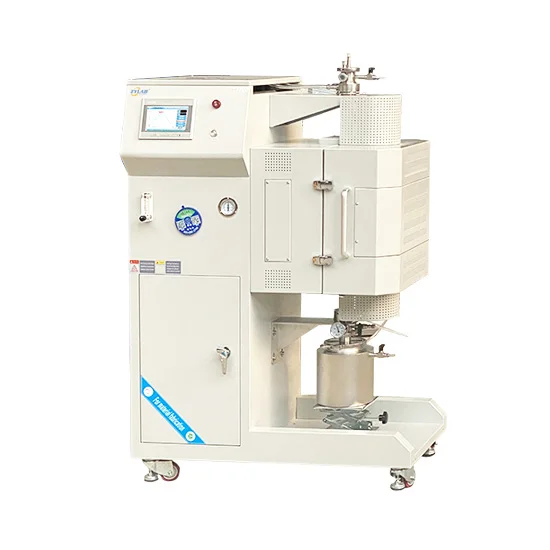
1700°C Vertical Atmosphere Controlled Quenching Furnace for High-Performance Heat Treatment
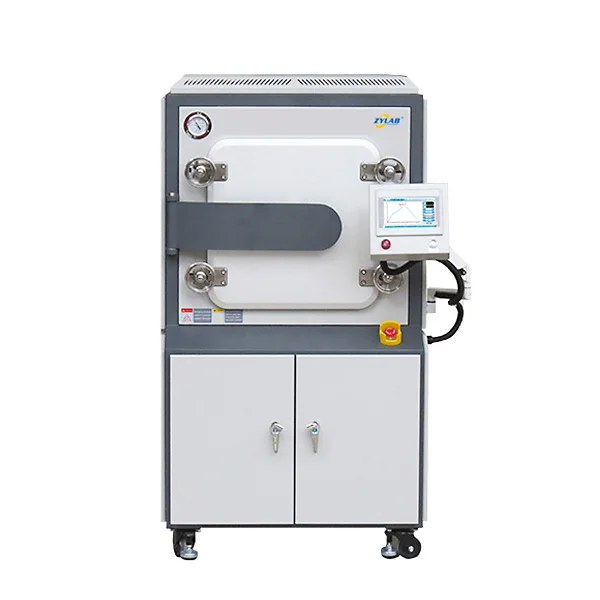
1200°C 27L Vacuum Atmosphere Muffle Furnace for Heat Treatment
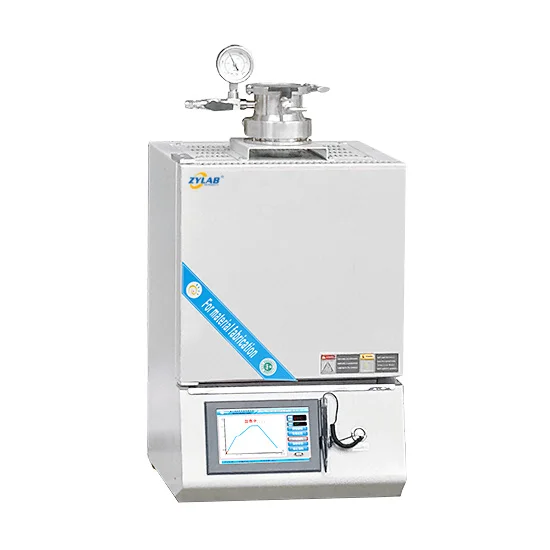
Vacuum Atmosphere Hybrid Box/Tube Furnace for Precision Heat Treatment
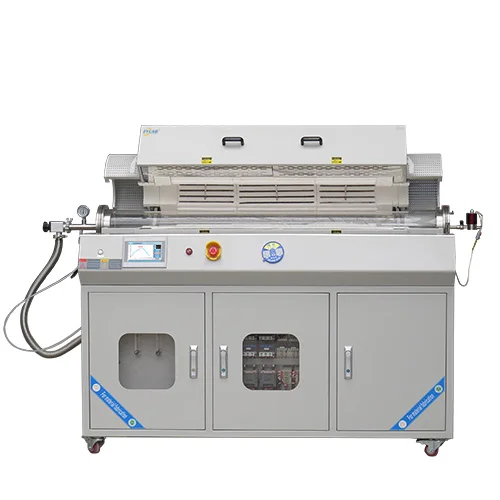
Large-Diameter Multi-Zone Tube Furnace – Precision Heat Treatment for Large Samples and Batch Processing
Working With ZYLAB On A Project Like This
Can The Impact of Heat Treatment on Material Properties: Enhancing Hardnes be customised for our process?
Yes. Chamber or tube size, temperature profile, atmosphere, gas path, control system and data recording can all be adapted. Send us your process conditions and sample details and our engineers work out a configuration with you.
How quickly can The Impact of Heat Treatment on Material Properties: Enhancing Hardnes be shipped?
Most standard ZYLAB models are held in stock. After testing and packing we normally ship The Impact of Heat Treatment on Material Properties: Enhancing Hardnes within 3 to 7 days. Customised builds are scheduled after the drawing is confirmed, and we give you the date in writing before the order is placed.
How is The Impact of Heat Treatment on Material Properties: Enhancing Hardnes packed for export?
Packing is chosen for the safety of the machine against freight cost, typically a plywood or wooden crate with internal padding and vacuum-sealed accessories. Export documents such as Form A, Form E and Form F can be issued to help you save duty.
Can you supply items that are not on this page?
Yes. We have access to the complete lines of most of our suppliers and build custom equipment in our own factory, so tell us what the experiment needs and we will source or make it.
Have A Similar Requirement
Describe the material, the temperature and the throughput you need and an engineer will answer with a workable configuration.