
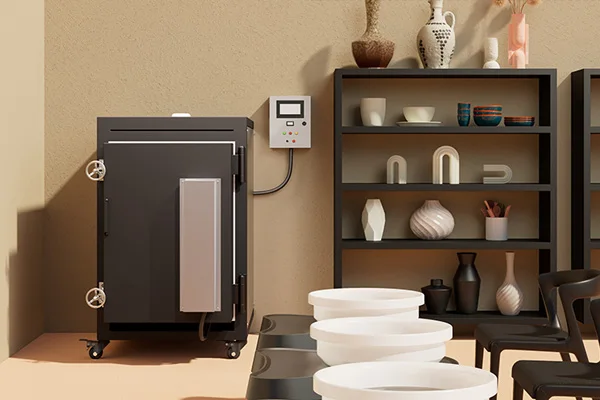
Ceramic Kiln | Home Use,ceramics art education
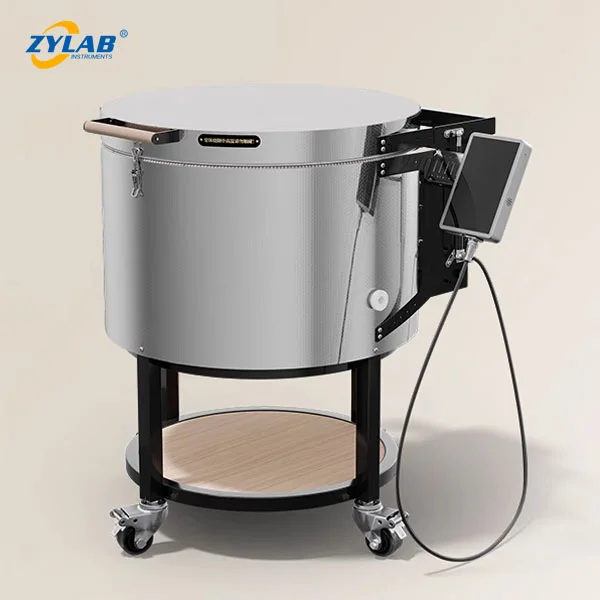
Our ceramic kilns are widely used in ceramic arts education, ceramic hobbyist activities, research and development, and are essential tools in pottery and ceramic arts.
- CeramicThermal ProcessingCeramic kilnCeramic kiln supplierCustom ceramic kiln2024-03-25
What Is a Ceramic Kiln?
Ceramic kilns are furnaces used to fire (heat) ceramic materials at high temperatures, transforming them into hardened, durable forms.
These kilns are specifically designed to meet the unique requirements of ceramic materials, providing precise temperature control and controllable atmospheres to achieve optimal ceramic processing.
Our ceramic kilns are widely used in ceramic arts education, ceramic hobbyist activities, research and development, and are essential tools in pottery and ceramic arts.
Loading
Place the ceramic pieces to be processed into the kiln chamber. These pieces may include pottery, ceramic crafts, or other ceramic products made from clay.
Preheating
Preheating is typically done before the actual firing process to remove any residual moisture from the ceramics, thus preventing cracking or fracturing at high temperatures.
Firing
Once preheating is complete, the kiln gradually heats up to the desired firing temperature. This temperature depends on the type of ceramic material and the desired firing effect. The firing process usually involves different stages, such as bisque firing and main firing. During firing, ceramic pieces undergo chemical and physical changes until they reach the desired level of hardness.
Cooling
After firing is complete, the kiln gradually cools down to a safe temperature.
Unloading
Once the kiln has fully cooled, the finished ceramic pieces can be removed. They are now hardened and durable, ready for further decoration, glazing, or other finishing processes.
Ceramic Art
Ceramic kilns are essential tools for ceramic artists and craftsmen in creating various ceramic works such as pottery, ceramic sculptures, and decorative pieces.
Ceramic Industry
Ceramic kilns play a crucial role in the ceramic manufacturing industry. They are used in the production of various ceramic products including porcelain, ceramic tiles, and ceramic pipes.
Ceramic Education
Ceramic kilns are widely utilized in educational institutions and studios for teaching and training in ceramic techniques. Students can learn the ceramic making process and practice firing their own creations using ceramic kilns.
Ceramic Research and Development
In the field of ceramic material research and development, ceramic kilns are employed to test the firing effects of different material formulations and to explore new ceramic production techniques and processes.
Ceramic Restoration and Conservation
In the field of cultural heritage conservation, ceramic kilns can be used for the restoration of ancient ceramic artifacts or for protective firing to extend their lifespan while preserving their original appearance.
Firing Pottery and Ceramic Pieces
Ceramic kilns are essential equipment used for firing pottery, ceramic sculptures, decorations, and other ceramic works.
Teaching and Training
Many pottery studios offer pottery courses and workshops, where kilns are used to teach and train students in pottery making skills.
Artistic Creation Space
Ceramic kilns provide a space for artistic creation, allowing ceramic artists to experiment and create. Artists in the studio can share kiln resources, inspire each other, and collaborate to create more interesting works.
Customization and Batch Production
Pottery studios can use kilns for customization and batch production to meet customer demands.
Community and Event Venues
Pottery studios often serve as gathering places for pottery enthusiasts, where kilns are not only creative tools but also important facilities for community activities. Studios can host various pottery events and exhibitions, attracting more people to participate and experience the joy of pottery.
Advantages of Ceramic Kilns
1、Lightweight with Large Space (Available in sizes from 0.014m³ to 0.07m³). Equipped with swivel casters for easy mobility.
2、Three-dimensional cycle firing in all directions,the heating is balanced, the firing is more stable.
3、A variety of firing modes to meet diverse needs, whether it is on-glaze underglaze, glaze firing (color glaze, artistic glaze, crack glaze), green body drying, ceramic firing, blue and white firing, etc.
4、Split controller has a longer service life.
5、Intelligent APP control, it can be controlled remotely and controlled by one key.
6、Green and environmental protection, low energy consumption and more energy-saving, long-term use is more cost-effective.
Ceramic Kiln Price
The price of ceramic kilns can vary widely depending on factors such as size, capacity, brand, features, and whether it’s new or used.
Generally, smaller kilns suitable for hobbyists or small studios can range from a few hundred to a few thousand dollars.
Larger, industrial-grade kilns used for professional ceramic production can cost several thousand to tens of thousands of dollars.
For a more specific and up-to-date price range, it’s best to check with ceramic kiln suppliers directly, either through their websites or by contacting them directly for a quote.
What to Consider When Purchasing Ceramic Kiln?
When purchasing a ceramic kiln, there are several important factors to consider to ensure that you choose the right one for your needs:
Size and Capacity
Consider the size of the kiln you need, based on the volume of ceramics you plan to fire.
Temperature Range
Check the maximum temperature capability of the kiln to ensure it meets the firing requirements of the clay and glazes you’ll be using.
Temperature Control
Look for kilns with precise temperature control features, such as digital controllers or programmable settings, to achieve consistent and accurate firing results.
Even Heating
Ensure that the kiln provides even heating throughout the firing chamber to prevent uneven firing, cracking, or warping of ceramics.
Construction and Insulation
Consider the construction materials and insulation of the kiln, as these factors can affect heat retention, energy efficiency, and durability.
Ventilation
Check if the kiln has adequate ventilation systems to remove fumes and gases generated during firing, ensuring a safe working environment.
Ease of Use
Look for kilns with user-friendly features such as easy-to-read controls, convenient loading and unloading mechanisms, and safety features.
Budget
Determine your budget and compare prices from different suppliers to find a kiln that offers the best value for your investment.
Warranty and Support
Consider the warranty coverage and after-sales support offered by the manufacturer or supplier, including technical assistance, maintenance services, and replacement parts availability.
FAQ
Q: How can I extend the lifespan of the kiln?
A: Regularly clean the kiln chamber, check the connections at the back cover for looseness, ensure stable voltage during normal firing processes, operate the kiln door within the correct temperature range, and recommend firing temperature between 1200-1280 degrees Celsius.
Q: How much electricity does each kiln consume? How do I calculate it?
A: One kilowatt-hour (kWh) is consumed for every hour of firing. Generally, firing times are 8-10 hours, so it would be approximately 64-80 kWh. However, in practical scenarios, kilns heat up gradually during firing, so the actual electricity consumption may be slightly lower. Based on experience, it typically requires about 50 kWh per firing for a kiln with a chamber volume of 0.07m³.
Q: What aspects should be considered in evaluating the quality of a kiln?
A: To judge the quality of a kiln, firstly, look for kilns from reputable manufacturers with good brand reputation and market feedback. Secondly, assess the material quality and craftsmanship of the kiln itself. Additionally, the manufacturer’s after-sales service capability is also crucial.
Related ZYLAB Products
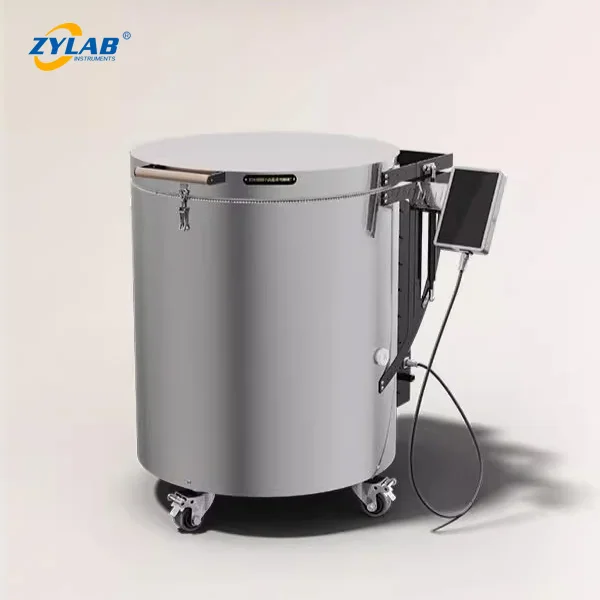
Smart 60L Top-Loading Full Ring Electric Kiln for Ceramic Firing
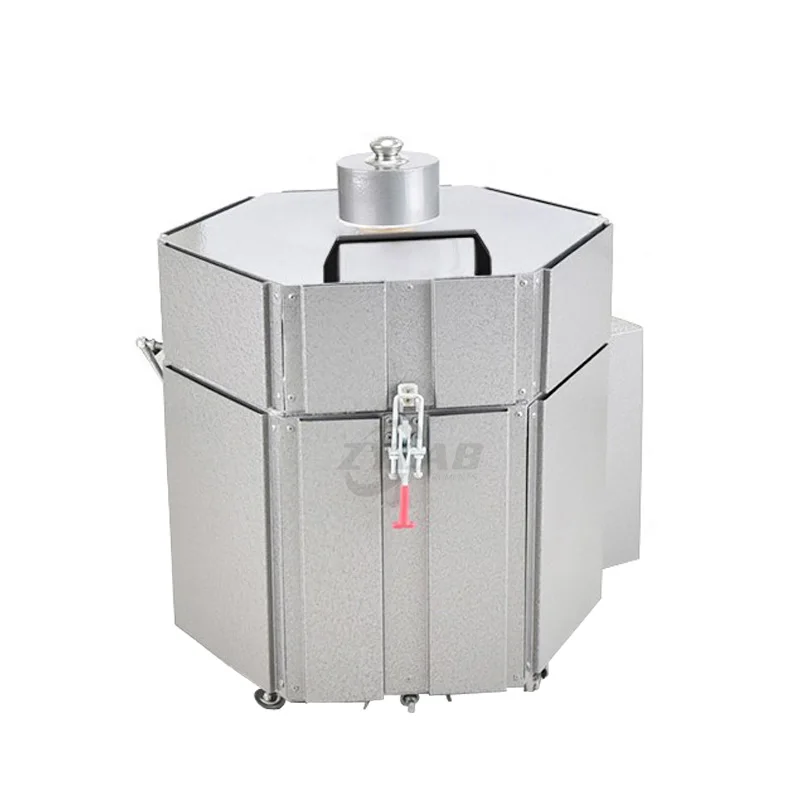
1280.C Low Power Household Mini Ceramic Electric Kiln
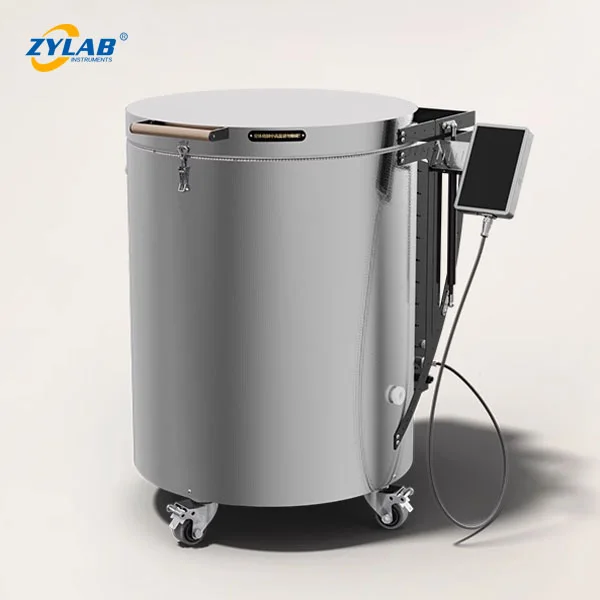
80L Top Loading Pottery Kiln with Full Ring Firing | High-Temperature Ceramic Kiln
Smart 30L Compact Home Pottery Kiln | Top-Loading, Full Ring Firing Design
Working With ZYLAB On A Project Like This
What warranty comes with Ceramic Kiln | Home Use,ceramics art education?
Most ZYLAB products carry a 2-year warranty, glass components excluded; the exact term for this model is the one printed in its specification table and repeated on the quotation. Within the warranty period any part that fails through no misuse of your own is replaced free of charge.
Can we get technical help before ordering Ceramic Kiln | Home Use,ceramics art education?
Yes, and it is free. Our technical staff help with model selection, troubleshooting, manuals and application questions whether or not you have ordered from us before. Write to [email protected] or message us on WhatsApp.
Which shipping methods do you use?
Sea freight for consignments over about 60 kg (11-30 days to North America, 25-33 days to Europe, 7-20 days to Southeast Asia), air freight to airport in roughly 7-10 days, and DHL, FedEx or UPS door to door in about 5-7 days for small urgent items.
How can we pay for Ceramic Kiln | Home Use,ceramics art education?
Bank (wire) transfer, letter of credit for larger orders, major credit and debit cards, and PayPal. Bank details are printed on the invoice; send us the transfer confirmation and we start processing straight away.
Have A Similar Requirement
Describe the material, the temperature and the throughput you need and an engineer will answer with a workable configuration.