Working Principle & Classifications of Laboratory Electric Furnace
Table of Contents Laboratory electric furnace is a type of
- LaboratoryAnnealing FurnaceBox FurnaceCeramic FurnaceChamber Furnace2023-04-21
Table of Contents
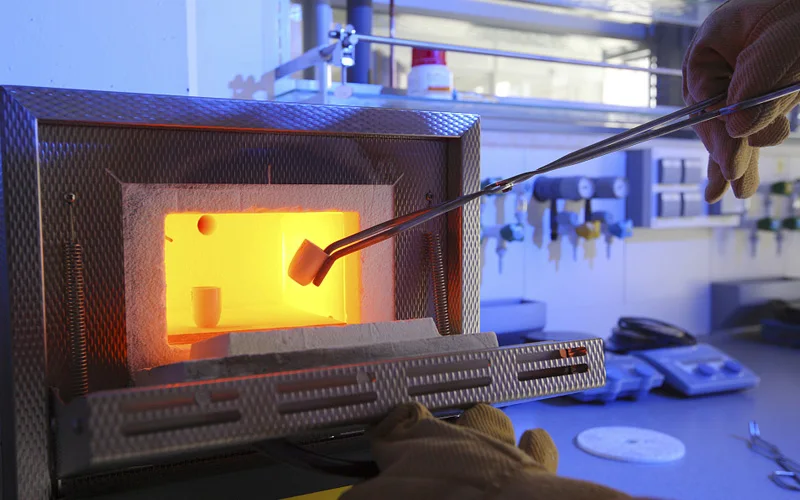
Laboratory electric furnace is a type of heating device, used in scientific research, materials processing, and quality control applications. It use electricity to generate heat, which is then transferred to the sample through conduction, convection, or radiation.
The Working Principle of Laboratory Electric Furnace
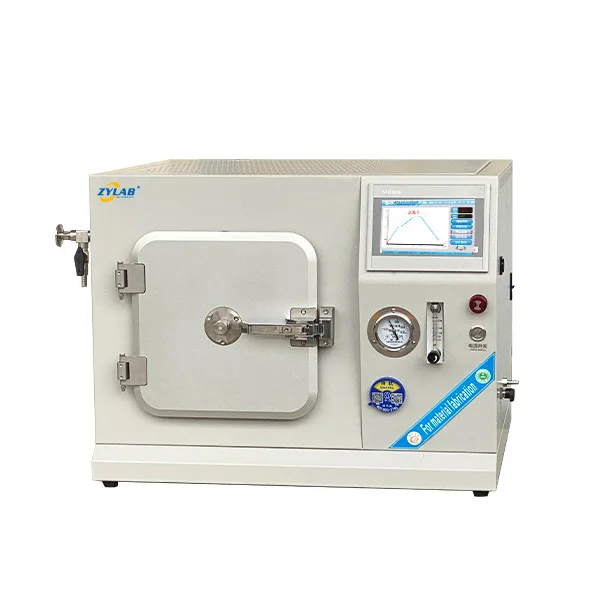
Clear heating curves ; can store temperature curves to avoid the trouble caused by repeated settings of different experimental processes. Very easy to use and it’s simple and practical for your laboratory heating treatment problem.
The Classifications of Laboratory Electric Furnaces
Laboratory electric furnaces can be classified based on several factors, including the heating element, temperature range, design, and features.
1. Based on the Heating Element, Common Classifications Include
- Resistance wire furnaces: These furnaces use a heating element made of a resistance wire, such as nichrome or kanthal, that is wound around a ceramic or metal core. They can typically achieve temperatures up to 1200°C.
- Silicon carbide (SiC) furnace: These furnaces use a heating element made of SiC, a high-temperature ceramic material. They can typically achieve temperatures up to 1500°C.
- Molybdenum disilicide (MoSi2) furnaces: These furnaces use a heating element made of MoSi2, a high-temperature ceramic material. They can typically achieve temperatures up to 1700°C.
2. Based on the Temperature Range, Common Classifications
- Low-temperature furnaces (up to 1200°C).
- Medium-temperature furnaces (up to 1500°C).
- High-temperature furnaces (up to 1700°C).
3. Based on the Design, Common Classifications Include
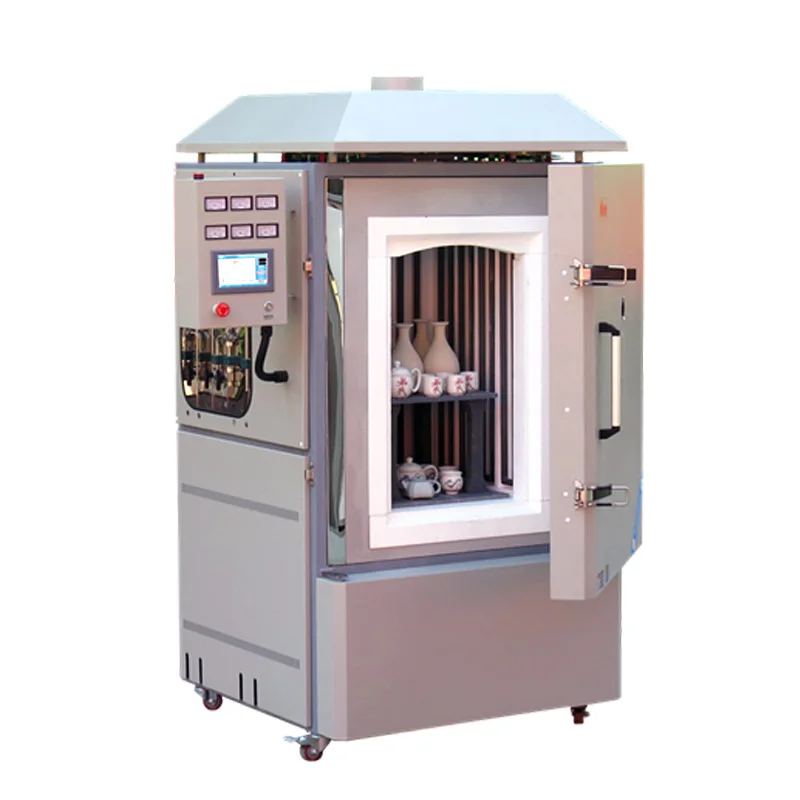
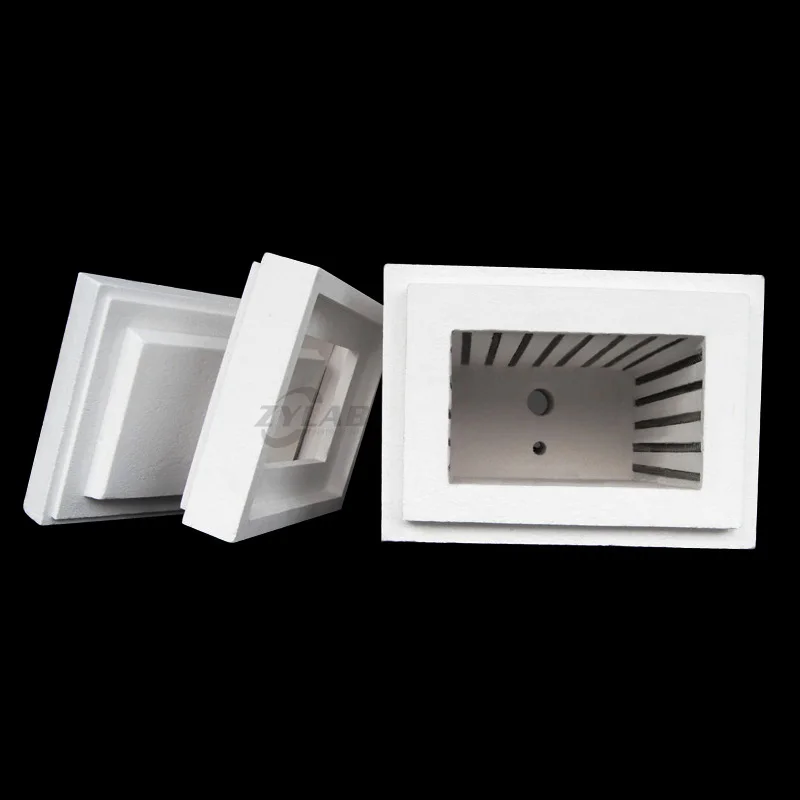
- Box furnaces(also named Muffle Furnaces, Chamber Furnaces): Have a rectangular or square shape and are used for batch processing or for heating larger samples.
- Tube furnaces: Have a cylindrical chamber, includs two types: horizontal and vertical, and horizontal tube furnaces are more commonly used. Mainly used for heating smaller samples or for applications that require a continuous flow of gas.
- Split tube furnaces: Are similar to tube furnaces, but have a split design that allows for easier loading and unloading of samples.
- Multi-zone furnaces: Have multiple heating zones that can be independently controlled, allowing for more precise temperature control.
- Vacuum furnaces: Are used for processing samples under low-pressure conditions, such as for heat treatment or sintering.
4. Based on Features, Common Classifications Include
- Atmosphere-controlled furnaces: Can control the gas atmosphere in the furnace chamber to create an inert, reducing, or oxidizing environment.
- Rapid heating and cooling furnaces: Can achieve high heating rates and quenching to rapidly change the temperature of the sample.
- Programmable furnaces: Have advanced temperature, time, and ramp/soak control features, allowing for precise control of heating and cooling profiles. (ZYLAB furnaces are all come with programmable feature.)
- Ashing furnaces: For removing organic materials from samples, such as in elemental analysis or soil testing.
Overall, ZYLAB experts will help researchers and technicians to select the appropriate furnace for their specific application, based on the temperature requirements, sample size and type, and other experimental parameters.
Share this entry
You might also like
Working With ZYLAB On A Project Like This
How quickly can Working Principle & Classifications of Laboratory Electric Furnace be shipped?
Most standard ZYLAB models are held in stock. After testing and packing we normally ship Working Principle & Classifications of Laboratory Electric Furnace within 3 to 7 days. Customised builds are scheduled after the drawing is confirmed, and we give you the date in writing before the order is placed.
Can Working Principle & Classifications of Laboratory Electric Furnace be customised for our process?
Yes. Chamber or tube size, temperature profile, atmosphere, gas path, control system and data recording can all be adapted. Send us your process conditions and sample details and our engineers work out a configuration with you.
What warranty comes with Working Principle & Classifications of Laboratory Electric Furnace?
Most ZYLAB products carry a 2-year warranty, glass components excluded; the exact term for this model is the one printed in its specification table and repeated on the quotation. Within the warranty period any part that fails through no misuse of your own is replaced free of charge.
Can we get technical help before ordering Working Principle & Classifications of Laboratory Electric Furnace?
Yes, and it is free. Our technical staff help with model selection, troubleshooting, manuals and application questions whether or not you have ordered from us before. Write to [email protected] or message us on WhatsApp.
Have A Similar Requirement
Describe the material, the temperature and the throughput you need and an engineer will answer with a workable configuration.