
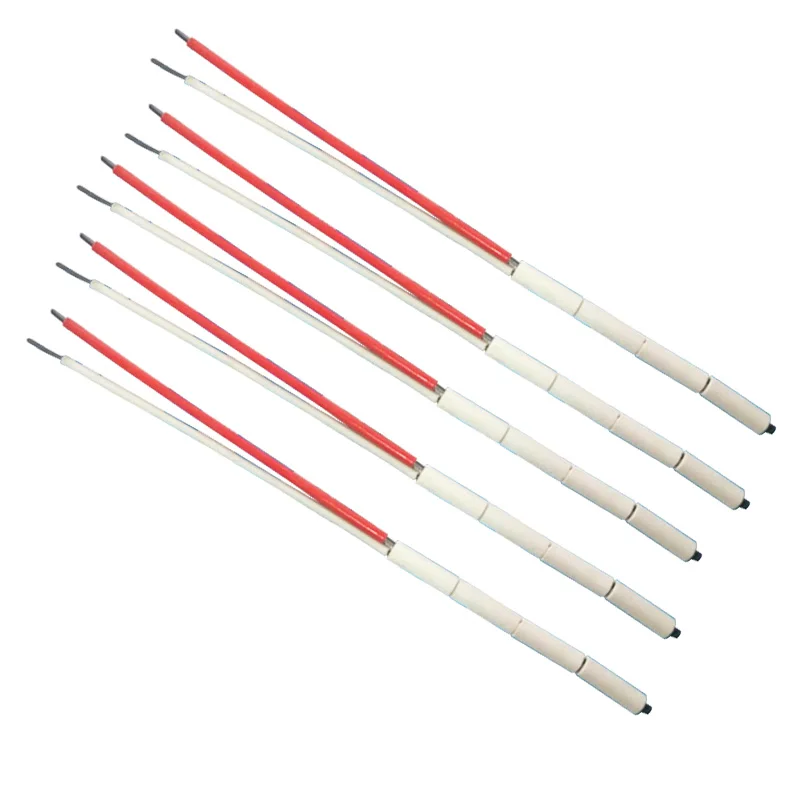
Thermocouples – Selection and Installation
When selecting a thermocouple, choose the appropriate type based on the required temperature range and desired accuracy level.
- Thermal ProcessingHand-held ThermometerK-Type ThermocoupleR/S-Type ThermocoupleThermocouple2024-03-18
What Is a Thermocouple?
A thermocouple is a sensor used to measure temperature.
It consists of two conductors made of different metals, which are connected at one end to form an electrical junction, while the other end is used for temperature measurement.
When the contact points of the two different metals are at different temperatures, they generate a thermoelectric potential, a phenomenon known as the thermoelectric effect. The temperature of the measurement point can be calculated based on the magnitude of the thermoelectric potential.
The operating principle of a thermocouple is based on the Seebeck effect and the Peltier effect, both of which are based on the effect of temperature changes in the conductor materials on the potential difference.
Thermocouples are widely used in scientific research and laboratory settings for precise temperature measurements. They are employed in experiments, environmental chambers, incubators, ovens, and various analytical instruments to monitor and control temperature conditions.
Selection of Thermocouples Based on Temperature Measurement Range and Accuracy
When selecting a thermocouple, it’s essential to determine the required temperature measurement range and accuracy level. Here are some common types of thermocouples and their applicable ranges and accuracies:
K-Type Thermocouple:
Temperature Range: -200°C to 1,370°C (-328°F to 2,498°F)
Accuracy: Typically ±1.5°C or ±0.25% (whichever is greater)
J-Type Thermocouple:
Temperature Range: -210°C to 1,200°C (-346°F to 2,192°F)
Accuracy: Typically ±2.2°C or ±0.75% (whichever is greater)
T-Type Thermocouple:
Temperature Range: -270°C to 400°C (-454°F to 752°F)
Accuracy: Typically ±1°C or ±0.75% (whichever is greater)
E-Type Thermocouple:
Temperature Range: -270°C to 800°C (-454°F to 1,472°F)
Accuracy: Typically ±1.7°C or ±0.5% (whichever is greater)
R/S-Type Thermocouple:
Temperature Range: 0°C to 1,600°C (32°F to 2,912°F)
Accuracy: Typically ±1.5°C or ±0.25% (whichever is greater)
When selecting a thermocouple, choose the appropriate type based on the required temperature range and desired accuracy level.
For example, K-type thermocouples are commonly used in laboratory furnaces operating at 1200°C. They are made of chromium (nickel-chromium alloy) and aluminum (nickel-aluminum alloy), typically featuring a red-white alternating sheath and ceramic casing.
Thermocouple Installation Precautions
Choose an appropriate installation location: Ensure the installation location accurately reflects the required temperature measurement and avoid locations susceptible to physical damage or chemical corrosion.
Keep the thermocouple clean: Ensure the thermocouple and the measurement area are clean before installation to prevent dust or impurities from affecting measurement accuracy.
Ensure good contact: Ensure the thermocouple has good contact with the surface or medium being measured to accurately transmit temperature. Use appropriate fixtures or mounting devices to keep the thermocouple in a stable position.
Avoid electromagnetic interference: Avoid installing the thermocouple in areas susceptible to electromagnetic interference to prevent signal interference and ensure measurement accuracy.
Proper wiring: Ensure the thermocouple wires are correctly connected to the reading device or control system. Wiring connections should be secure to prevent loosening or disconnection.
Consider temperature gradients: If the measurement area has significant temperature gradients, take measures to reduce the impact of temperature gradients on the thermocouple, such as using heat-insulating sheaths or other heat insulation measures.
Environmental protection: Choose appropriate thermocouple materials and protective measures according to the actual environmental conditions to ensure stable operation in harsh environments.
Regular inspection and maintenance: Regularly inspect the operation status and connection of the thermocouple to ensure normal operation. If necessary, perform maintenance and replacement promptly.
Follow manufacturer recommendations: Follow the installation guidelines and recommendations provided by the thermocouple manufacturer to ensure the installation process meets best practices and specifications.
Related ZYLAB Products
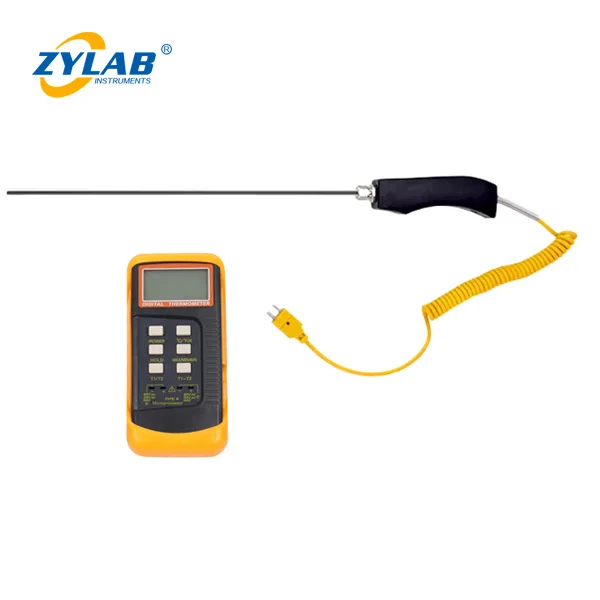
Handheld K-Type Armored Thermocouple and Digital Thermometer
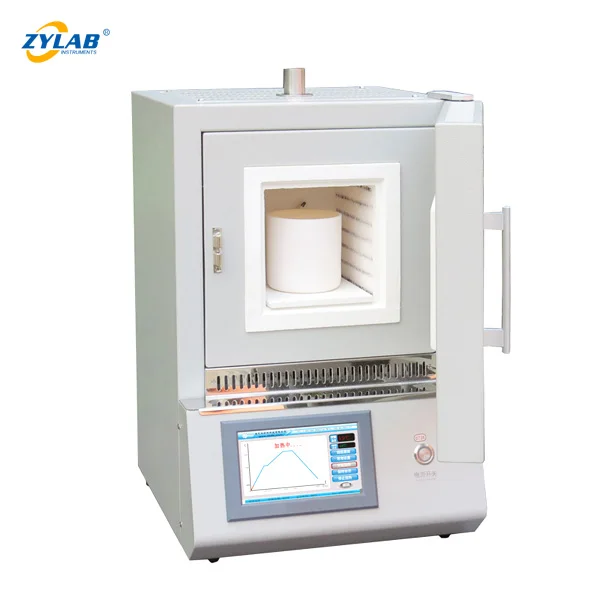
4.5L Muffle Furnace – Precision 1200°C Laboratory Furnace for Thermal Processing
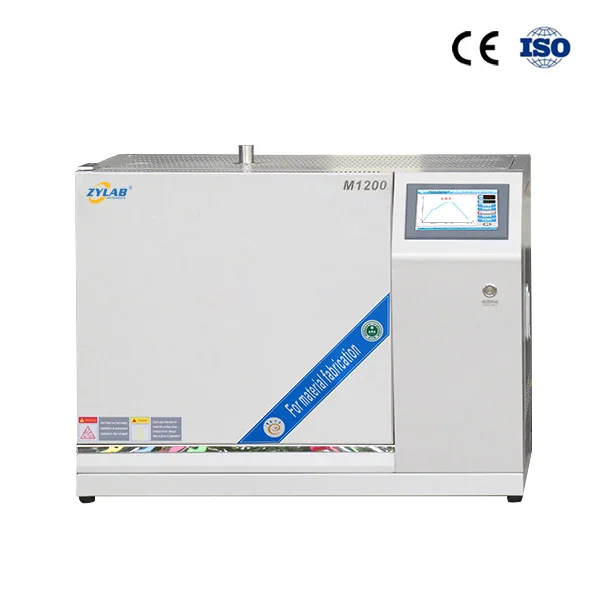
Economy Muffle Furnace | 1200°C Lab Furnace for Routine Thermal Processing
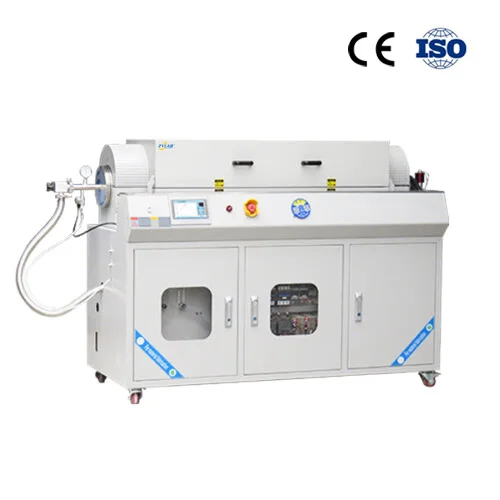
Advanced Tube Furnace for Nanomaterial Processing with Auto Door and Handheld Thermometer
Working With ZYLAB On A Project Like This
What warranty comes with Thermocouples – Selection and Installation?
Most ZYLAB products carry a 2-year warranty, glass components excluded; the exact term for this model is the one printed in its specification table and repeated on the quotation. Within the warranty period any part that fails through no misuse of your own is replaced free of charge.
Can we get technical help before ordering Thermocouples – Selection and Installation?
Yes, and it is free. Our technical staff help with model selection, troubleshooting, manuals and application questions whether or not you have ordered from us before. Write to [email protected] or message us on WhatsApp.
Which shipping methods do you use?
Sea freight for consignments over about 60 kg (11-30 days to North America, 25-33 days to Europe, 7-20 days to Southeast Asia), air freight to airport in roughly 7-10 days, and DHL, FedEx or UPS door to door in about 5-7 days for small urgent items.
How can we pay for Thermocouples – Selection and Installation?
Bank (wire) transfer, letter of credit for larger orders, major credit and debit cards, and PayPal. Bank details are printed on the invoice; send us the transfer confirmation and we start processing straight away.
Have A Similar Requirement
Describe the material, the temperature and the throughput you need and an engineer will answer with a workable configuration.