The Role of Laboratory Molten Salt Furnaces in Novel Molten Salt System Development and High-Temperature Structural Material Compatibility Research
A laboratory molten salt furnace is not simply a heating device. It is a core research tool that enables controlled melting, long-term thermal stability evaluation, and systematic compatibility testing between molten salts and structural materials. This article discusses the technical role of labora
- LaboratoryThermal Processinghigh temperature molten salt testinglaboratory molten salt furnacemolten salt corrosion testing2026-02-24
Table of Contents
Molten salt systems are increasingly important in advanced energy technologies, including thermal energy storage, high-temperature heat transfer systems, and next-generation nuclear reactors such as the Molten Salt Reactor (MSR).
As research moves toward higher operating temperatures and more chemically complex salt compositions—particularly chloride and fluoride systems—the need for precise, stable, and reliable high-temperature experimental platforms becomes critical.
A laboratory molten salt furnace is not simply a heating device. It is a core research tool that enables controlled melting, long-term thermal stability evaluation, and systematic compatibility testing between molten salts and structural materials.
This article discusses the technical role of laboratory molten salt furnaces in molten salt system development and high-temperature material compatibility research.
Controlled Melting and Phase Stability Evaluation
The first step in developing a new molten salt system is accurate determination of:
Melting temperature
Phase transition behavior
Homogeneity of salt mixtures
Thermal decomposition limits
A laboratory molten salt furnace provides:
Precisely controlled heating rates
Stable holding temperatures
Uniform thermal distribution
This controlled environment ensures accurate observation of melting behavior and prevents misleading data caused by temperature fluctuations.
High-Temperature Thermal Stability Testing
Many advanced molten salt systems operate between 600°C and 900°C. At these temperatures, salts may undergo:
Thermal decomposition
Component volatilization
Chemical transformation
Long-duration holding tests in a molten salt furnace allow researchers to evaluate:
Stability under continuous high-temperature exposure
Decomposition kinetics
Chemical durability
Such testing is essential for applications in thermal storage and high-temperature reactors.
Thermal Cycling and Aging Studies
In real engineering systems, molten salts experience thermal cycling during startup and shutdown phases. Laboratory molten salt furnaces enable programmable thermal cycling profiles, which help researchers:
Study phase stability during repeated heating and cooling
Identify crystallization risks
Evaluate long-term aging behavior
This data is critical for designing reliable molten salt systems.
Supporting High-Temperature Structural Material Compatibility Research
One of the most important roles of laboratory molten salt furnaces is enabling systematic material compatibility testing.
Molten salts—especially chloride and fluoride systems—can be highly corrosive at elevated temperatures. Understanding corrosion mechanisms is essential for safe and durable system design.
Controlled Corrosion Testing
Laboratory molten salt furnaces provide stable temperature environments necessary for immersion testing of materials such as:
Nickel-based alloys
Stainless steels
Refractory metals
Advanced ceramics
By maintaining constant temperature conditions over extended periods (100–1000+ hours), researchers can accurately evaluate:
Mass loss
Surface degradation
Corrosion layer formation
Microstructural changes
Precise temperature control ensures reproducibility and reliability of corrosion data.
Mechanism Investigation
Temperature stability is essential when investigating corrosion mechanisms, including:
Selective element dissolution
Intergranular corrosion
Diffusion-driven degradation
Oxidation-reduction reactions
Even minor temperature fluctuations can significantly affect reaction kinetics. A high-quality molten salt furnace ensures experimental consistency, enabling reliable mechanistic analysis.
Protective Coating Evaluation
Protective coatings are widely studied to improve corrosion resistance in molten salt environments.
Laboratory molten salt furnaces allow:
Exposure testing of ceramic and oxide coatings
Evaluation of coating integrity under thermal cycling
Comparison of coated and uncoated material performance
Stable and uniform heating ensures meaningful comparative results.
Simulating Real Operating Conditions
Molten salt systems in industrial or nuclear environments operate under:
Constant high temperatures
Long-term exposure
Controlled atmospheres
Laboratory molten salt furnaces allow simulation of such conditions in a controlled research environment.
Advanced furnace configurations may include:
Atmosphere control systems (inert or controlled gases)
Sealed chambers for reduced contamination
Programmable heating profiles
These capabilities make molten salt furnaces indispensable for realistic system validation.
Research Fields Benefiting From Laboratory Molten Salt Furnaces
Laboratory molten salt furnaces are widely used in:
Molten salt reactor research
Thermal energy storage material development
High-temperature corrosion studies
Electrochemical molten salt systems
Advanced structural material design
High-temperature heat transfer research
They are essential equipment in universities, national laboratories, and industrial R&D centers.
Equipment Considerations for Research Laboratories
When selecting a laboratory molten salt furnace, researchers typically evaluate:
Maximum operating temperature
Temperature control accuracy
Heating element configuration
Furnace chamber materials
Compatibility with crucibles
Atmosphere control options
Long-duration operational capability
Manufacturers such as ZYLAB provide laboratory molten salt furnace systems designed to meet these research-oriented requirements, offering customizable configurations for advanced high-temperature studies.
Conclusion
Laboratory molten salt furnaces play a central role in advancing molten salt technology. They enable:
Accurate development of new molten salt formulations
Reliable thermal stability evaluation
Systematic high-temperature corrosion testing
Structural material compatibility analysis
Simulation of real operating environments
As molten salt systems continue to expand in energy, materials science, and high-temperature engineering applications, laboratory molten salt furnaces remain fundamental research tools for generating reliable and reproducible experimental data.
Share this entry
You might also like
PECVD Furnace: Working Principle and Advantages
CVD Furnace, PECVD Furnace, and FBCVD Furnace: Which One is Right for Your Application?
How to Produce High-Quality Biochar Using a Muffle Furnace: A Detailed Guide
Muffle Furnaces and Tube Furnaces: Which One Suits Your Needs?
Related ZYLAB Products

Mini Molten Salt Furnace for Laboratory Electrochemistry and High-Temperature Research
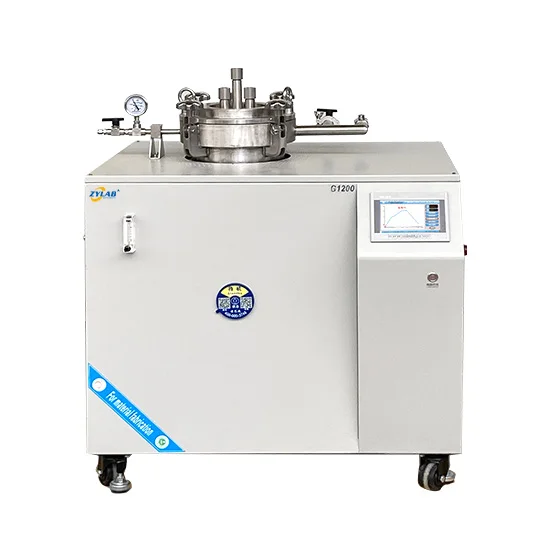
Vacuum Molten Salt Electrolysis Furnace for High-Temperature Electrochemical Research
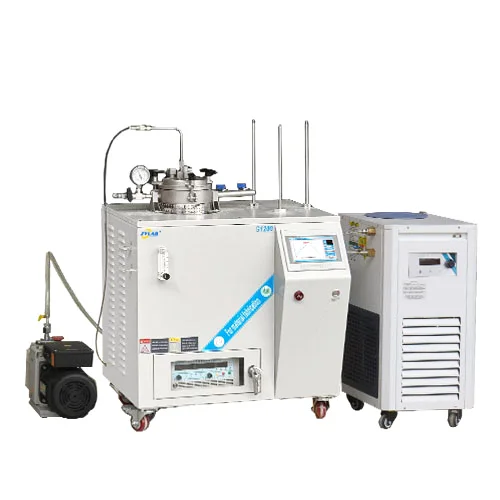
Vacuum Molten Salt Electroplating Furnace for High-Temperature Metal Coating
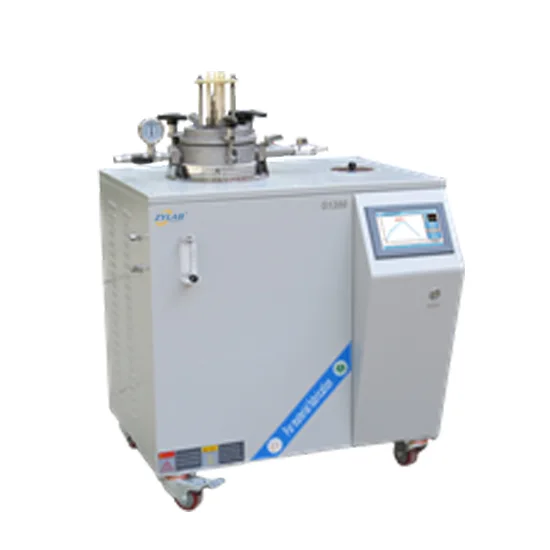
Pit Type Molten Salt Electroplating Furnace for High-Temperature Metal Coating
Working With ZYLAB On A Project Like This
How quickly can The Role of Laboratory Molten Salt Furnaces in Novel Molten Salt Syste be shipped?
Most standard ZYLAB models are held in stock. After testing and packing we normally ship The Role of Laboratory Molten Salt Furnaces in Novel Molten Salt Syste within 3 to 7 days. Customised builds are scheduled after the drawing is confirmed, and we give you the date in writing before the order is placed.
Is there a minimum order quantity for The Role of Laboratory Molten Salt Furnaces in Novel Molten Salt Syste?
No. ZYLAB has no minimum order requirement, so a single unit of The Role of Laboratory Molten Salt Furnaces in Novel Molten Salt Syste is a normal order. Occasionally a component supplier imposes a minimum quantity of their own, and we tell you as soon as we are notified.
Can we get technical help before ordering The Role of Laboratory Molten Salt Furnaces in Novel Molten Salt Syste?
Yes, and it is free. Our technical staff help with model selection, troubleshooting, manuals and application questions whether or not you have ordered from us before. Write to [email protected] or message us on WhatsApp.
What if The Role of Laboratory Molten Salt Furnaces in Novel Molten Salt Syste is damaged in transit?
Contact your ZYLAB sales engineer immediately with photographs. We arrange a substitute delivery promptly and handle the claim with the carrier.
Have A Similar Requirement
Describe the material, the temperature and the throughput you need and an engineer will answer with a workable configuration.