
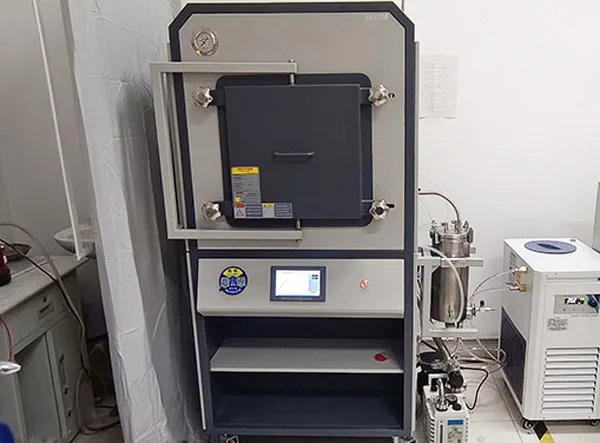
The Role of Vacuum Atmosphere Furnace in Advanced Material Research
In material science research, precise temperature and atmospheric control are crucial for developing materials with enhanced properties. A university’s materials science department recently integrated a 1700℃ vacuum atmosphere furnace into their research facilities, significantly advancing new ceram
- LaboratoryThermal ProcessingAdvanced material researchCeramic material sinteringControlled atmosphere furnace2025-02-06
Table of Contents
In material science research, precise temperature and atmospheric control are crucial for developing materials with enhanced properties.
A university’s materials science department recently integrated a 1700℃ vacuum atmosphere furnace into their research facilities, significantly advancing new ceramic material development and metal heat treatment studies.
Enhancing New Ceramic Material Development
Ceramic materials are widely used in electronics, aerospace, and biomedical applications due to their exceptional thermal and mechanical properties. However, achieving desired properties requires precise control of temperature and atmosphere during sintering and processing.
- Optimized Sintering Conditions – The vacuum atmosphere furnace provides a stable, high-temperature environment that allows researchers to fine-tune sintering parameters, ensuring uniform densification and enhanced mechanical strength.
- Improved Electrical Conductivity – Through controlled oxidation and reduction reactions, researchers successfully synthesized ceramic materials with superior electrical conductivity, expanding their applications in advanced electronic components.
- Minimized Defects – By eliminating unwanted gas impurities in the chamber, the furnace ensures a high-purity processing environment, reducing defects such as porosity and grain boundary contamination.
Using these advancements, researchers have developed ceramic materials with improved strength, durability, and conductivity, paving the way for their integration into next-generation electronic devices.
Advancing Metal Heat Treatment Research
Heat treatment plays a critical role in tailoring metal properties such as hardness, ductility, and corrosion resistance. Traditional heat treatment methods often suffer from oxidation and contamination, leading to inconsistent results. The vacuum atmosphere furnace addresses these challenges by providing a controlled environment for metal processing.
- Microstructure Optimization – Precise temperature control allows researchers to manipulate grain structures and phase transformations, enhancing the mechanical properties of metals used in high-performance applications.
- Oxidation Prevention – By operating in a vacuum or controlled gas atmosphere, the furnace prevents oxidation and unwanted reactions, ensuring high-purity metal surfaces ideal for aerospace and medical applications.
- Enhanced Strength & Toughness – Researchers have successfully utilized the furnace to optimize heat treatment cycles, improving metal strength and toughness for industrial and scientific applications.
Through these processes, the furnace has helped researchers develop stronger, more durable metal alloys, improving their performance in demanding environments such as automotive engineering, aerospace, and high-tech manufacturing.
Why Choose ZYLAB Vacuum Atmosphere Furnace?
ZYLAB’s vacuum atmosphere furnace stands out due to its advanced engineering, user-friendly control system, and precision processing capabilities. Key benefits include:
- Dual-Layer Water-Cooled Structure – Effectively reduces exterior surface temperatures, ensuring safe operation.
- Smart Process Control – Features non-linear temperature correction for accurate thermal profiling.
- Data Logging & Remote Monitoring – Allows for real-time monitoring, data export, and experiment reporting, ensuring seamless research documentation.
- Customizable Chamber Size & Atmosphere Options – Tailored to meet specific research and industrial needs.
Conclusion
The 1700℃ vacuum atmosphere furnace has proven to be an essential tool in new ceramic material development and metal heat treatment research. By providing precise temperature control and an oxidation-free environment, it enables scientists to achieve breakthrough advancements in material properties.
As industries continue to demand high-performance ceramics and optimized metal alloys, such furnaces will remain a key component in shaping the future of material science.
For more information or technical support, feel free to contact ZYLAB.
Share this entry
You might also like
Rotavapor
Filtration
Magnetic Material Preparation
Cylindrical Cell Preparation
Related ZYLAB Products
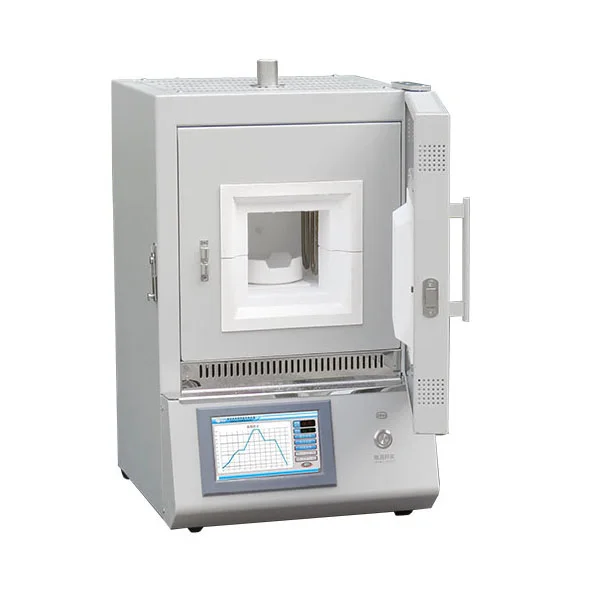
Premium High-temp Sintering Furnace for Ceramics, Metal Powder & Material Research
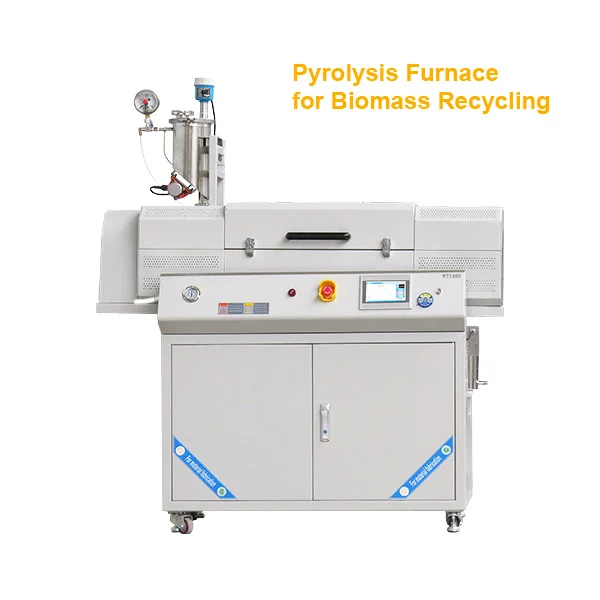
Advanced Continuous Pyrolyzers for Biomass and Organic Solid Waste Thermal Processing & Sintering
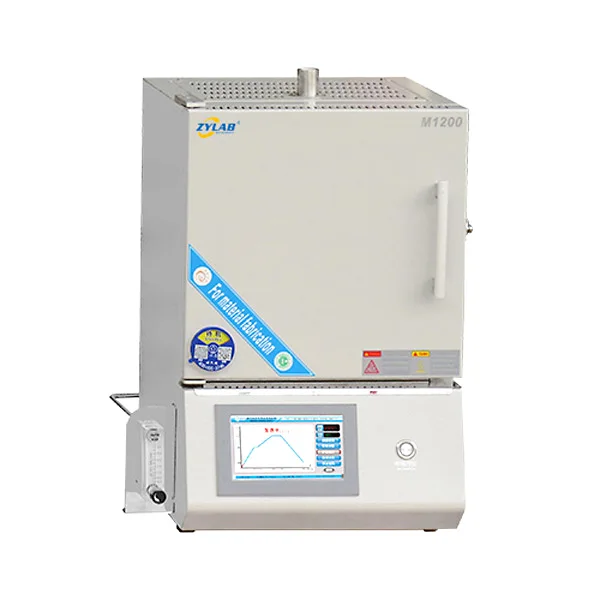
Lab Atmosphere Controlled Argon-Purged Sintering Furnace
Laboratory Vacuum Atmosphere Tube Furnace for Wafer Processing
Working With ZYLAB On A Project Like This
Can The Role of Vacuum Atmosphere Furnace in Advanced Material Research be customised for our process?
Yes. Chamber or tube size, temperature profile, atmosphere, gas path, control system and data recording can all be adapted. Send us your process conditions and sample details and our engineers work out a configuration with you.
What warranty comes with The Role of Vacuum Atmosphere Furnace in Advanced Material Research?
Most ZYLAB products carry a 2-year warranty, glass components excluded; the exact term for this model is the one printed in its specification table and repeated on the quotation. Within the warranty period any part that fails through no misuse of your own is replaced free of charge.
How can we pay for The Role of Vacuum Atmosphere Furnace in Advanced Material Research?
Bank (wire) transfer, letter of credit for larger orders, major credit and debit cards, and PayPal. Bank details are printed on the invoice; send us the transfer confirmation and we start processing straight away.
How is The Role of Vacuum Atmosphere Furnace in Advanced Material Research packed for export?
Packing is chosen for the safety of the machine against freight cost, typically a plywood or wooden crate with internal padding and vacuum-sealed accessories. Export documents such as Form A, Form E and Form F can be issued to help you save duty.
Have A Similar Requirement
Describe the material, the temperature and the throughput you need and an engineer will answer with a workable configuration.