Applications of CVD Process in Porous Material Synthesis: Exploring MOFs and Nanocoating Technologies
Chemical Vapor Deposition (CVD) has emerged as a key technology in the synthesis of advanced porous materials, including Metal-Organic Frameworks (MOFs) and nanoscale coatings. With its ability to deposit thin films with precise control over composition and morphology, CVD plays a vital role in vari
- LaboratoryThermal ProcessingChemical vapor deposition for catalystsChemical Vapor Deposition for porous materialsCVD applications in material science2025-03-03
Introduction
Chemical Vapor Deposition (CVD) has emerged as a key technology in the synthesis of advanced porous materials, including Metal-Organic Frameworks (MOFs) and nanoscale coatings.
With its ability to deposit thin films with precise control over composition and morphology, CVD plays a vital role in various industries such as energy storage, catalysis, gas separation, and biomedical applications.
Understanding CVD in Porous Material Synthesis
CVD is a deposition technique that involves chemical reactions of gaseous precursors on a heated substrate, resulting in the formation of a solid material. Unlike traditional solution-based synthesis methods, CVD offers advantages such as:
- High purity and uniformity of deposited materials.
- Precise control over film thickness and morphology.
- Scalability for industrial applications.
- Ability to coat complex geometries and porous structures.
These benefits make CVD particularly attractive for the fabrication of MOFs and functional nanocoatings.
Why Use CVD for MOFs?
Metal-Organic Frameworks (MOFs) are highly porous materials with tunable structures, making them ideal for gas storage, catalysis, and separation processes. Traditional MOF synthesis methods, such as solvothermal or hydrothermal techniques, often suffer from limitations like poor substrate adhesion and uncontrolled growth. CVD addresses these challenges by:
- Enabling direct growth of MOFs on substrates without additional binders.
- Enhancing MOF stability and uniformity.
- Allowing for layer-by-layer deposition to achieve desired porosity and composition.
Types of CVD for MOF Growth
- Atomic Layer Deposition (ALD-CVD) – A specialized form of CVD that enables atomic-level precision in MOF synthesis.
- Plasma-Enhanced CVD (PECVD) – Utilizes plasma to enhance MOF formation at lower temperatures, beneficial for temperature-sensitive applications.
- Metal-Organic CVD (MOCVD) – Involves volatile metal-organic precursors to form MOFs with controlled crystallinity and surface properties.
The Role of CVD in Nanocoatings
Nanocoatings enhance the performance of porous materials by providing protective, catalytic, or functional layers. CVD offers unmatched capabilities in depositing thin, uniform films on MOFs and other porous materials, ensuring:
- Improved chemical and thermal stability.
- Enhanced adsorption and catalytic efficiency.
- Functionalization for selective gas separation and sensor applications.
Key CVD Techniques for Nanocoatings
- Thermal CVD – Used for depositing oxide and carbide coatings on MOFs to improve their stability.
- PECVD – Ideal for creating hydrophobic or conductive coatings on porous structures.
- ALD-CVD – Enables conformal coating on intricate porous networks with nanometer-scale precision.
Industrial and Research Applications
The integration of CVD in MOF synthesis and nanocoatings has revolutionized multiple sectors:
- Energy Storage – MOFs with CVD-derived coatings enhance supercapacitors and battery performance.
- Gas Separation – CVD-coated MOFs improve efficiency in CO2 capture and hydrogen storage.
- Biomedical Engineering – Functionalized porous materials support drug delivery and biosensing applications.
- Catalysis – CVD-modified MOFs provide active sites for chemical and electrochemical reactions.
Conclusion
Chemical Vapor Deposition (CVD) is transforming the field of porous material synthesis, offering precise control over MOF growth and nanocoating deposition. By leveraging CVD technologies such as ALD, PECVD, and MOCVD, researchers and industries can develop advanced materials with enhanced properties for diverse applications.
For high-quality CVD systems tailored to MOF synthesis and nanocoating applications, ZYLAB provides cutting-edge solutions designed to meet research and industrial needs.
Share this entry
You might also like
CVD Tube Furnace Sintering Systems for 2D Material Applications
Equipment Selection Guide for Powder Metallurgy Sintering: Why Choose a Bottom-Loading Sintering Furnace for Large-Size Workpieces?
How to Use a Vacuum Atmosphere Muffle Furnace for Sintering Silicon Carbide Components
Why Automatic Feeding Rotary Swing Furnace Is Ideal for Producing High-Purity Silicon Carbide (SiC) Micropowder
Introduction
Related ZYLAB Products
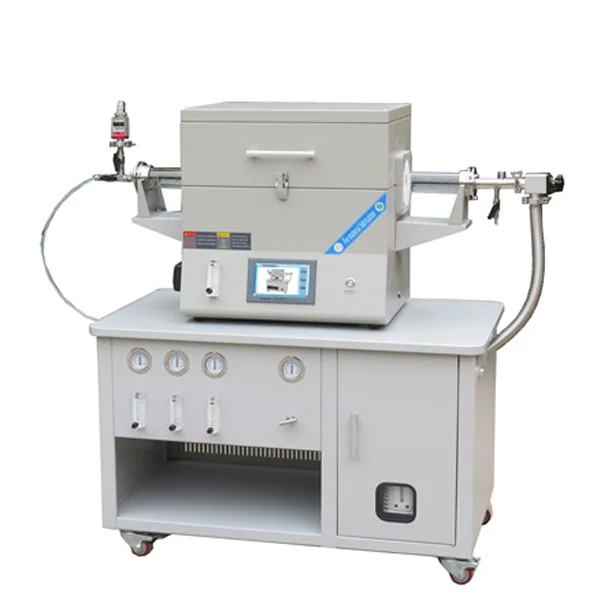
Chemical Vapor Deposition (CVD) System
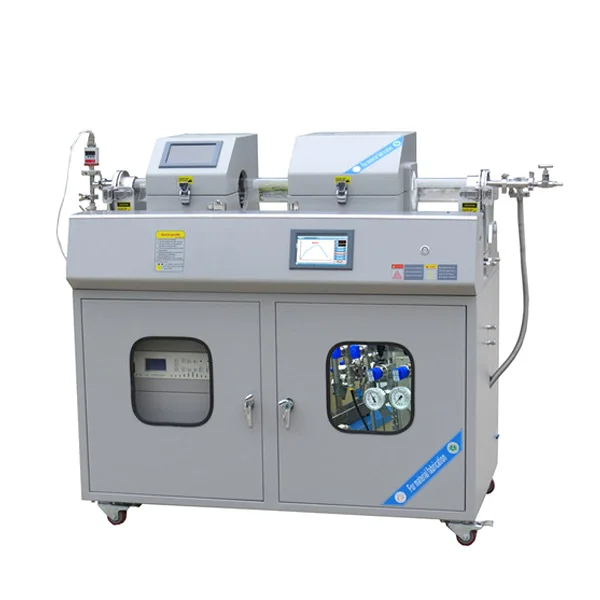
Advanced Plasma-Enhanced Chemical Vapor Deposition PECVD Furnace System
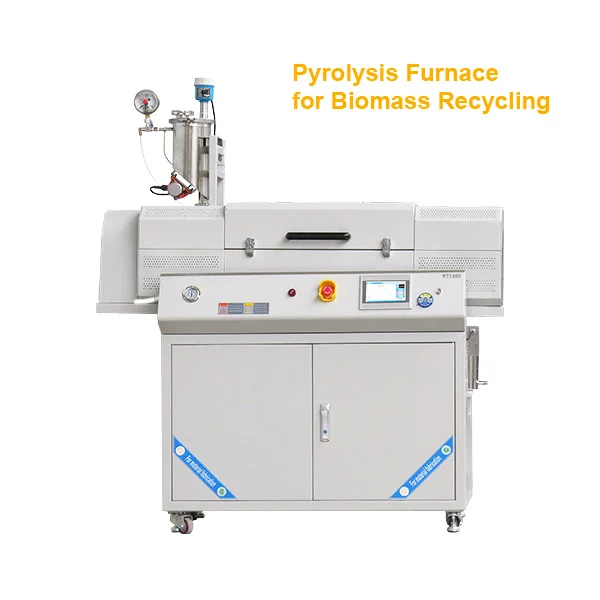
Advanced Continuous Pyrolyzers for Biomass and Organic Solid Waste Thermal Processing & Sintering
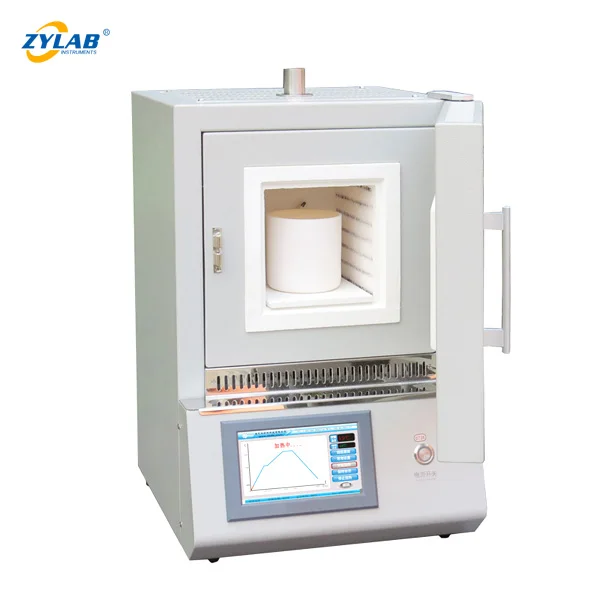
4.5L Muffle Furnace – Precision 1200°C Laboratory Furnace for Thermal Processing
Working With ZYLAB On A Project Like This
Can Applications of CVD Process in Porous Material Synthesis: Exploring MO be customised for our process?
Yes. Chamber or tube size, temperature profile, atmosphere, gas path, control system and data recording can all be adapted. Send us your process conditions and sample details and our engineers work out a configuration with you.
What warranty comes with Applications of CVD Process in Porous Material Synthesis: Exploring MO?
Most ZYLAB products carry a 2-year warranty, glass components excluded; the exact term for this model is the one printed in its specification table and repeated on the quotation. Within the warranty period any part that fails through no misuse of your own is replaced free of charge.
How can we pay for Applications of CVD Process in Porous Material Synthesis: Exploring MO?
Bank (wire) transfer, letter of credit for larger orders, major credit and debit cards, and PayPal. Bank details are printed on the invoice; send us the transfer confirmation and we start processing straight away.
How is Applications of CVD Process in Porous Material Synthesis: Exploring MO packed for export?
Packing is chosen for the safety of the machine against freight cost, typically a plywood or wooden crate with internal padding and vacuum-sealed accessories. Export documents such as Form A, Form E and Form F can be issued to help you save duty.
Have A Similar Requirement
Describe the material, the temperature and the throughput you need and an engineer will answer with a workable configuration.