
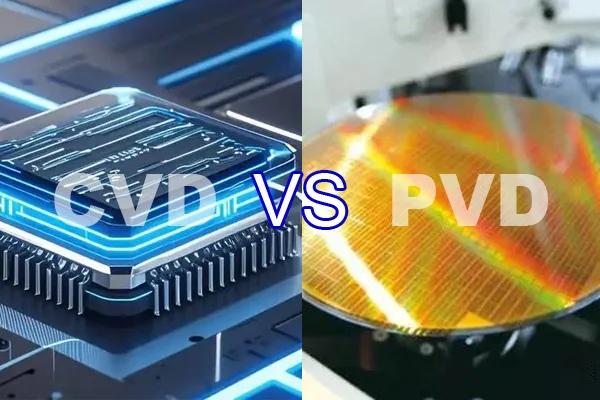
Which one is better, CVD or PVD?
The choice between CVD and PVD depends on specific application requirements and material properties.
- LaboratoryThermal ProcessingBest thin film deposition methodChemical vs Physical Vapor DepositionChoosing between CVD and PVD2025-02-04
Table of Contents
The choice between CVD and PVD depends on specific application requirements and material properties.
Advantages
- High Uniformity: Suitable for coating complex-shaped surfaces.
- Controllable Deposition Thickness: Easily achieves thick film deposition.
- Strong Adhesion: Films have strong bonding with the substrate.
- Wide Material Range: Can deposit various metals, oxides, carbides, and reduced compounds.
Disadvantages
- High-Temperature Requirement: Typically requires high deposition temperatures (>500°C), making it unsuitable for low-melting-point substrates.
- Chemical Safety Concerns: Requires handling toxic or hazardous gases.
Applications
- Semiconductor device manufacturing (e.g., transistors and photovoltaic cells).
Hard coatings (e.g., tungsten carbide coatings).
Advantages
- Low-Temperature Deposition: Suitable for heat-sensitive substrates.
- Environmentally Friendly: Uses fewer hazardous chemicals.
- High Deposition Rate: Ideal for fast coating processes.
- High-Purity Coatings: Suitable for high-performance thin films.
Disadvantages
- Limited Coverage on Complex Shapes: Uniform deposition on intricate geometries is challenging.
- Lower Film Durability: Compared to CVD, PVD coatings tend to wear out more quickly.
Applications
- Hard coatings (e.g., tool surface coatings).
- Optical films (e.g., mirrors and optical filters).
- Protective coatings (e.g., wear-resistant and corrosion-resistant coatings).
How to Choose CVD or PVD?
- Temperature Tolerance: If the substrate can withstand high temperatures, CVD is preferable.
- Film Uniformity: CVD is better for uniform coatings on complex geometries.
- Environmental & Cost Factors: PVD is a milder, more eco-friendly process, suitable for temperature-sensitive materials or small-batch production.
- Film Performance: For high hardness and wear resistance, PVD coatings often perform better.
In conclusion, both technologies serve different applications. The selection should be based on process requirements, substrate properties, and budget considerations.
For more information or technical support, feel free to contact ZYLAB.
ZYLAB offers free quotes for all furnaces and customized solutions!
Share this entry
You might also like
Coin Cell R&D
Applications of Detachable Hot Press Furnace
Powder Materials Preparation
Chemical Vapour Deposition (CVD)
Related ZYLAB Products
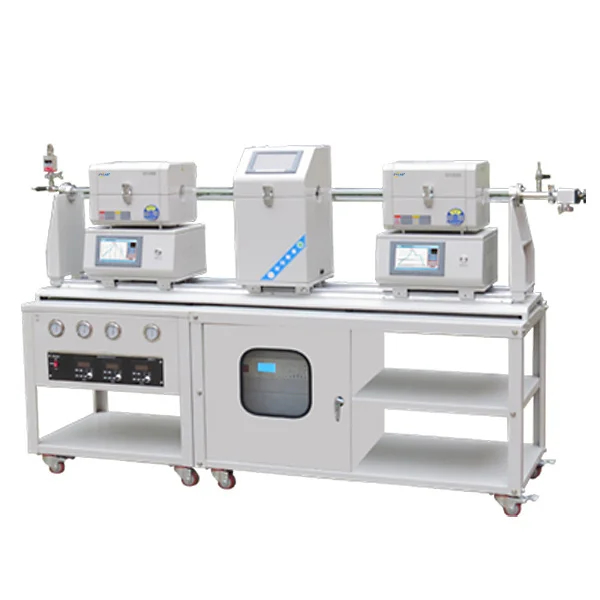
Fast Heating PECVD System for Rapid Thin Film Deposition
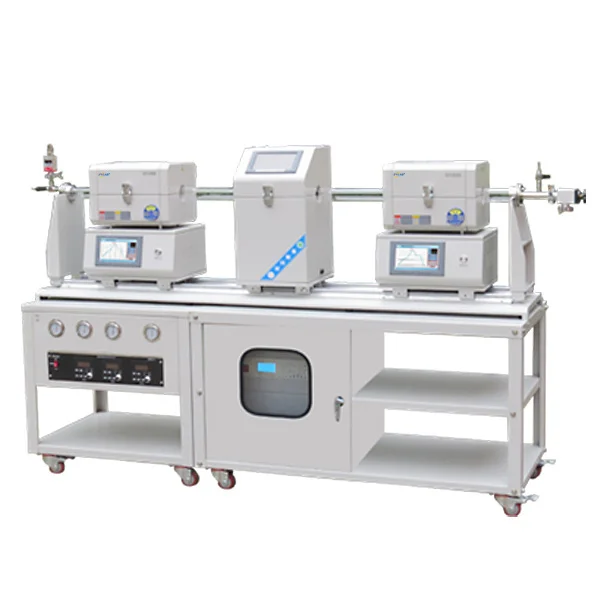
Dual-Furnace Sliding PECVD System for High-Precision Nanowire and Thin Film Deposition
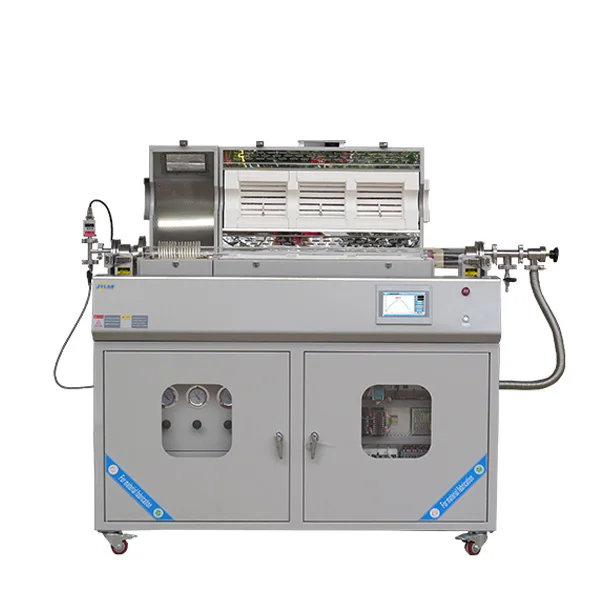
High-Performance Three-Zone PECVD System for Precision Thin Film Deposition
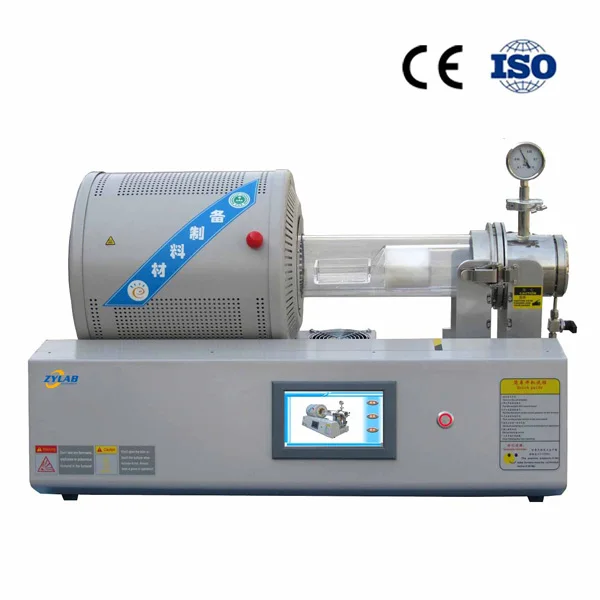
RTP Furnace for Rapid Thermal Processing of Semiconductor Thin Films
Working With ZYLAB On A Project Like This
How quickly can Which one is better, CVD or PVD? be shipped?
Most standard ZYLAB models are held in stock. After testing and packing we normally ship Which one is better, CVD or PVD? within 3 to 7 days. Customised builds are scheduled after the drawing is confirmed, and we give you the date in writing before the order is placed.
Is there a minimum order quantity for Which one is better, CVD or PVD??
No. ZYLAB has no minimum order requirement, so a single unit of Which one is better, CVD or PVD? is a normal order. Occasionally a component supplier imposes a minimum quantity of their own, and we tell you as soon as we are notified.
Can we get technical help before ordering Which one is better, CVD or PVD??
Yes, and it is free. Our technical staff help with model selection, troubleshooting, manuals and application questions whether or not you have ordered from us before. Write to [email protected] or message us on WhatsApp.
What if Which one is better, CVD or PVD? is damaged in transit?
Contact your ZYLAB sales engineer immediately with photographs. We arrange a substitute delivery promptly and handle the claim with the carrier.
Have A Similar Requirement
Describe the material, the temperature and the throughput you need and an engineer will answer with a workable configuration.