
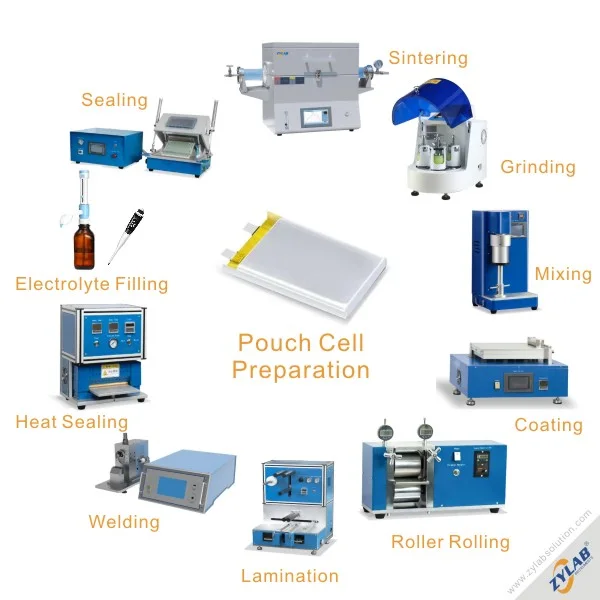
Pouch Cell Preparation Process Guide
The preparation process of pouch cell involves multiple steps, primarily including the preparation of positive and negative electrode materials, electrolyte preparation, battery assembly, and testing stages.
- LaboratoryThermal ProcessingBattery Anode Cathode PreparationBattery Electrode CoatingBattery Electrolyte Injection2024-01-23
Table of Contents
Pouch cell preparation, also known as pouch lithium batteries, are a type of rechargeable battery widely used in lithium battery applications.
Compared to traditional cylindrical or prismatic lithium batteries, the main feature of soft pack lithium batteries is the flexible aluminum-plastic composite film used as the outer packaging, making the battery shape more flexible and versatile. This flexibility gives soft pack lithium batteries advantages in special applications such as curved electronic devices and electric vehicles.
Electric Vehicles
Pouch cells are extensively used in electric vehicles, including electric cars and electric bicycles. The flexible outer packaging adapts to the flexible structure of electric vehicles, providing a reliable power source with high energy density.
Mobile Electronic Devices
Pouch cell find widespread use in mobile phones, tablets, laptops, and other portable electronic devices. Their lightweight design helps reduce device volume while providing relatively high energy density.
Energy Storage Systems
Pouch cell play a crucial role as a key component in energy storage systems, storing the electricity generated from renewable sources such as solar and wind energy. This is essential for balancing grid loads and addressing energy fluctuations.
Medical Devices
Due to their flexibility, pouch cells are suitable for portable medical devices, including portable medical monitoring equipment and electric wheelchairs.
Portable Electronic Products
Portable electronic products like portable speakers, Bluetooth headphones, smart wristbands, etc., often use pouch cell to meet the requirements of lightweight and thin design.
Aerospace
Pouch cells are employed in some aerospace applications where lightweight and flexibility are critical factors, such as in aircraft and satellites.
New Energy Vehicles
In addition to electric vehicles, pouch cells are widely applied in new energy vehicles, including hybrid cars and fully electric vehicles.
Embedded Systems
Pouch cells are used in various embedded systems, IoT devices, and sensors, meeting specific requirements for battery shape and weight.
Positive Electrode Material Preparation
Material Selection: Choose positive electrode materials, commonly oxide materials such as lithium cobalt oxide (LiCoO2), nickel manganese cobalt oxide (NMC), lithium iron phosphate (LiFePO4), etc., with good electrochemical performance.
Mixing and Grinding: Mix positive electrode active materials with conductive additives (such as carbon black) and binders, then mechanically grind to ensure uniform mixing.
Coating: Apply the mixture onto a conductive current collector (usually aluminum foil) to form the positive electrode sheet. This step is typically done using a coating machine or a roll coating process.
Drying: Dry the positive electrode sheet to remove solvents from the coating process.
Cutting: Cut the positive electrode sheet into the desired size to meet the battery design requirements.
Negative Electrode Material Preparation
Material Selection: Choose negative electrode materials, commonly using graphite or silicon, with good electrochemical performance and lithium-ion accommodation capacity.
Mixing and Grinding: Mix negative electrode active materials with conductive additives and binders, mechanically grind to ensure uniform mixing.
Coating: Apply the mixture onto a conductive current collector (usually copper foil) to form the negative electrode sheet.
Drying: Dry the negative electrode sheet to remove solvents from the coating process.
Cutting: Cut the negative electrode sheet into the desired size to meet the battery design requirements.
ZYLAB recommends experimental equipment for the preparation of positive and negative electrode materials:
Electrolyte Preparation
● Choose electrolyte materials, typically an organic solution containing lithium salt.
● Mix and process the electrolyte solution to ensure its quality and purity.
● Prepare the electrolyte liquid for impregnating between positive and negative electrode sheets.
Battery Assembly
● Stack positive and negative electrode sheets with the electrolyte liquid in between.
● Place the electrode sheets and electrolyte into the soft pack material.
● Seal the soft pack to prevent electrolyte leakage.
● Optionally, add protection circuits and temperature control systems to the exterior of the soft pack.
Charging and Testing
● Charge the prepared soft pack battery to activate it.
● Perform battery performance tests, including voltage stability, capacity testing, cycle life, etc.
● Check the safety of the battery to ensure no abnormal conditions occur.
Data Recording and Analysis
● Record parameters for battery preparation and testing.
● Analyze test results to evaluate the battery’s performance and stability.
Heat Treatment of Positive and Negative Electrode Materials
High-temperature furnaces are used for the heat treatment of positive and negative electrode materials. This process improves the crystalline structure and electrochemical performance of the materials. Controlled heat treatment adjusts parameters such as crystal structure and particle size, enhancing battery performance and cycle life.
Solvent Evaporation During Coating Process
In the coating process of positive and negative electrode materials onto current collectors, high-temperature furnaces assist in solvent evaporation. The furnace provides a temperature-controlled environment, allowing solvents to evaporate quickly, ensuring uniformity and stability of the electrode sheets.
Graphitization Treatment (for Negative Electrode Materials)
For certain negative electrode materials like graphite, high-temperature furnaces are used for graphitization treatment. This thermal process transforms the non-crystalline carbon structure in graphite to a more stable crystalline structure, improving conductivity and cycle life.
Optimization of Material Properties
High-temperature furnaces play a crucial role in optimizing the properties of positive and negative electrode materials, including crystal structure, particle size, and conductivity. Precise control of the high-temperature environment allows for the enhancement of electrochemical properties.
Removal of Organic Solvents
In the preparation process, organic solvents are commonly used. High-temperature furnaces aid in removing residual organic solvents, ensuring that the electrodes do not contain impurities that could affect battery performance.
Here are several high-temperature furnaces recommended by ZYLAB for your reference:
When selecting a high-temperature furnace, it is essential to consider the specific requirements of your experiments, such as sample size, temperature gradients, heating rates, etc. Additionally, ensure that the chosen high-temperature furnace complies with laboratory safety standards and meets the needs of experiments for the preparation of positive and negative electrode materials in soft pack batteries.
Feel free to contact our technical staff if you have any questions.
Related ZYLAB Products
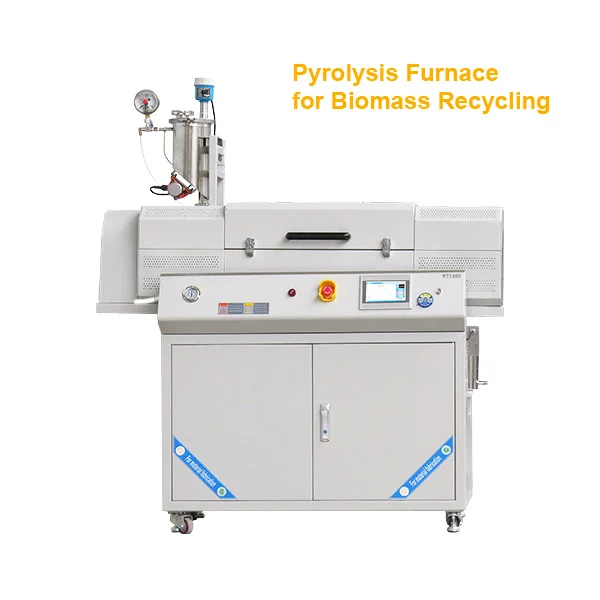
Advanced Continuous Pyrolyzers for Biomass and Organic Solid Waste Thermal Processing & Sintering
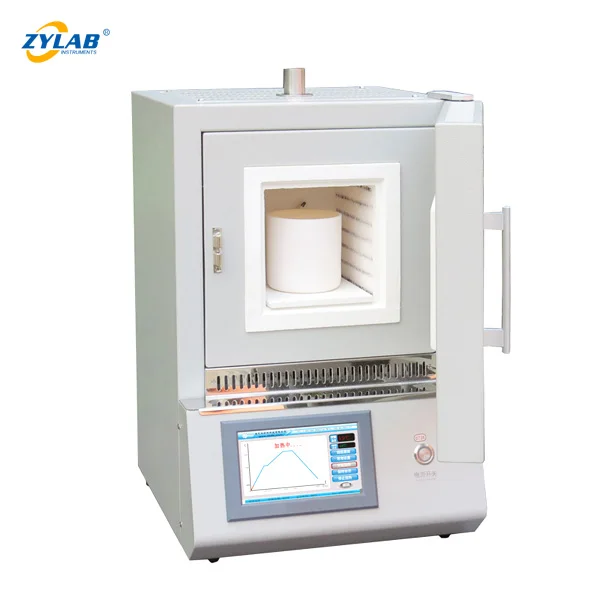
4.5L Muffle Furnace – Precision 1200°C Laboratory Furnace for Thermal Processing
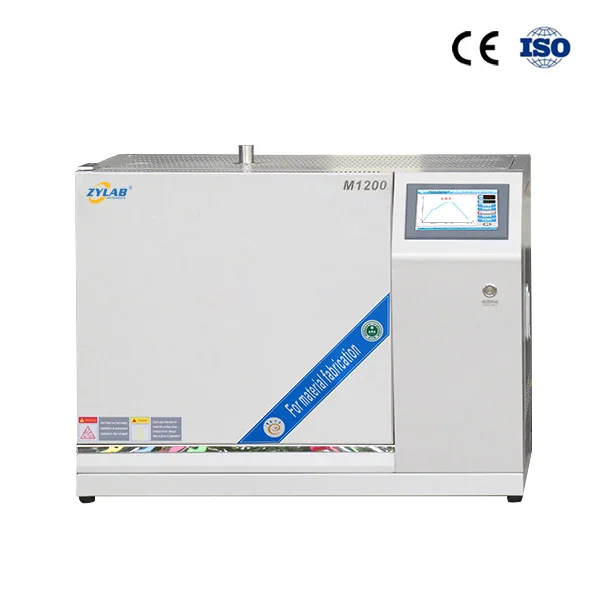
Economy Muffle Furnace | 1200°C Lab Furnace for Routine Thermal Processing
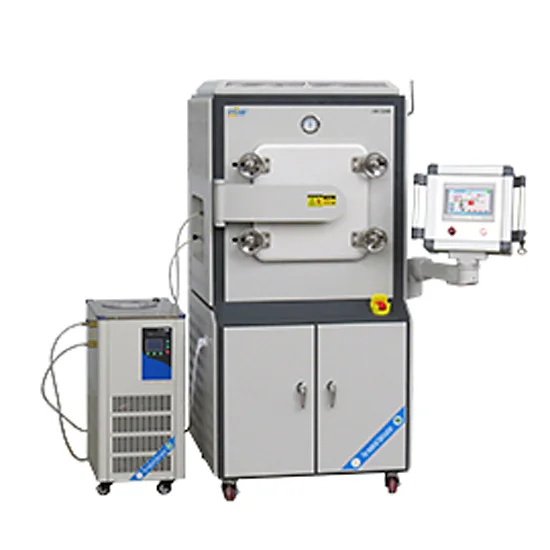
Debinding Furnace for Thermal Post-Processing in Additive Manufacturing
Working With ZYLAB On A Project Like This
How quickly can Pouch Cell Preparation Process Guide be shipped?
Most standard ZYLAB models are held in stock. After testing and packing we normally ship Pouch Cell Preparation Process Guide within 3 to 7 days. Customised builds are scheduled after the drawing is confirmed, and we give you the date in writing before the order is placed.
Is there a minimum order quantity for Pouch Cell Preparation Process Guide?
No. ZYLAB has no minimum order requirement, so a single unit of Pouch Cell Preparation Process Guide is a normal order. Occasionally a component supplier imposes a minimum quantity of their own, and we tell you as soon as we are notified.
Can we get technical help before ordering Pouch Cell Preparation Process Guide?
Yes, and it is free. Our technical staff help with model selection, troubleshooting, manuals and application questions whether or not you have ordered from us before. Write to [email protected] or message us on WhatsApp.
What if Pouch Cell Preparation Process Guide is damaged in transit?
Contact your ZYLAB sales engineer immediately with photographs. We arrange a substitute delivery promptly and handle the claim with the carrier.
Have A Similar Requirement
Describe the material, the temperature and the throughput you need and an engineer will answer with a workable configuration.