
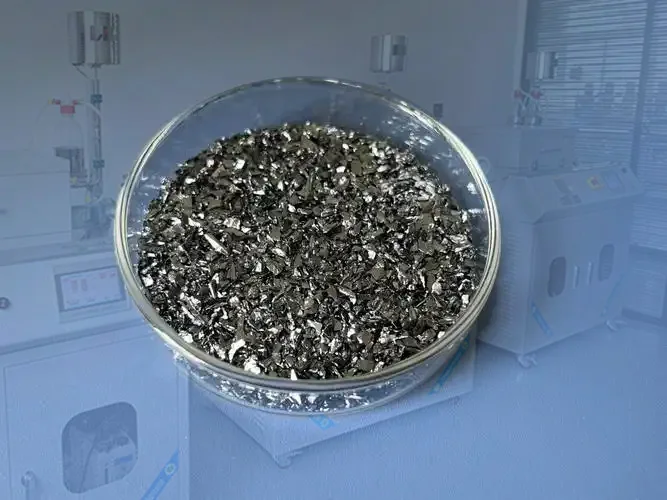
Key Equipment for Crystalline Hydrogen Reduction Processes
Crystalline hydrogen reduction is a technique that uses hydrogen as a reducing agent to process crystalline materials. It is commonly employed to modify the chemical properties of materials, enhance their physical performance, or achieve specific functionalization.
- LaboratoryThermal ProcessingAdvanced Hydrogen Reduction EquipmentCrystalline Hydrogen Reduction FurnaceCrystalline Hydrogen Reduction Process2024-11-20
Concept
Crystalline hydrogen reduction is a technique that uses hydrogen as a reducing agent to process crystalline materials. It is commonly employed to modify the chemical properties of materials, enhance their physical performance, or achieve specific functionalization.
This process primarily occurs at high temperatures, where hydrogen reacts with oxides or other reducible components in the material, removing oxygen or other elements to produce pure metals, alloys, or compound crystals.
Reduction Reaction
At high temperatures, hydrogen reacts with oxides in crystalline materials to form water vapor, releasing oxygen from the oxides. For example:
MeO+H2→Me+H2O
Here, Me represents a metal, and MeO is a metal oxide.
Environmental Control
A pure hydrogen atmosphere must be maintained under inert gas or vacuum conditions to prevent the material from reacting with oxygen or moisture again.
Process Flow
Material Preparation:
Load oxide crystals, powders, or other materials to be processed into the reaction furnace.
Gas Flow:
Introduce high-purity hydrogen gas to purge oxygen and other impurities from the furnace chamber.
Heating and Reduction:
Heat the furnace to the specified temperature (typically between 300°C and 1000°C, depending on the material’s reduction characteristics) and maintain this temperature for a set duration to ensure a thorough reduction reaction.
Cooling and Collection:
Gradually cool the material while maintaining an inert gas or vacuum environment to prevent oxidation.
Applications
Metal Material Preparation:
Used to produce high-purity metals or metal alloys, such as the reduction of high-melting-point metals like tungsten and molybdenum.
Semiconductor Materials:
Improves crystal quality, reduces defects, and enhances the conductivity and stability of semiconductor materials.
Energy Materials:
Applied in lithium battery and fuel cell materials to adjust electronic structures or catalytic performance.
Functional Ceramics:
Used to produce reduced oxide ceramics, such as conductive oxide ceramics.
Equipment for Crystalline Hydrogen Reduction
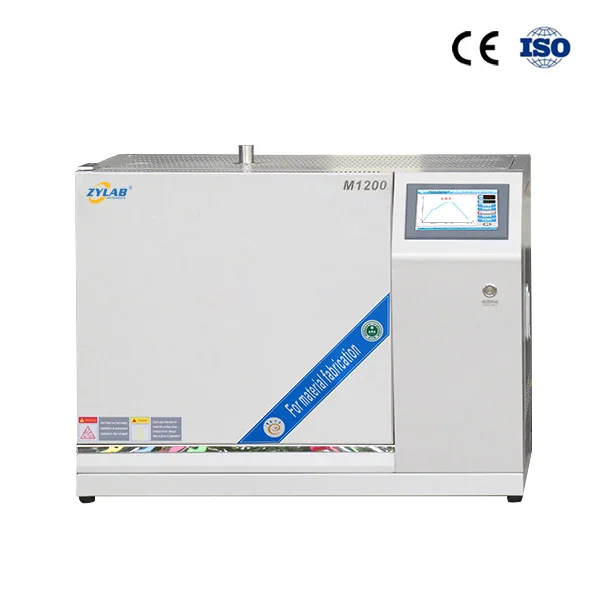
This Mini Hydrogen Reduction Furnace incorporates safety features such as pressure monitoring within the furnace tube, providing functions like gas cutoff and temperature reduction.
Additionally, it has the capability to ignite and treat combustible tail gases, with a dual ignition protection system in place to ensure the complete combustion of discharged gases.
The hydrogen reduction sintering furnace consists of five main components: the sintering system, electrical control system, gas inlet and outlet system, vacuum system, and ignition system.
It is a specialized piece of equipment developed for universities, research institutes, and industrial enterprises, used for sintering, melting, and analysis of metals, non-metals, and other composite materials under atmospheric or vacuum conditions.
The intelligent sliding hydrogen atmosphere furnace is mainly composed of a sliding furnace chamber, a stainless steel quick-release reaction chamber, a liquid-gas supply system, a high-vacuum molecular pump set, and a gas safety protection system.
Featuring an advanced control system, the furnace chamber automatically slides away after sintering to enable rapid material cooling. Upon reaching the set temperature, the gas supply shuts off automatically, completing the entire experimental process.
This furnace is widely used across various industries, particularly in materials science and metallurgy.
This technology is widely used in materials science, chemical engineering, metallurgy, and new energy fields, significantly enhancing the quality and performance of crystalline materials.
Share this entry
You might also like
Related ZYLAB Products
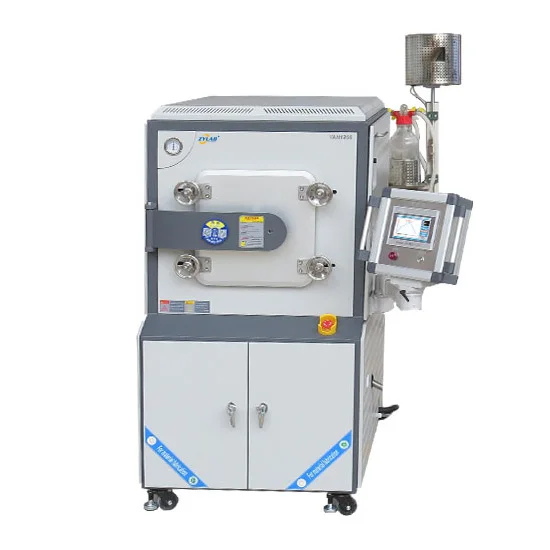
Advanced Clean Box Hydrogen Reduction Furnace for Metallurgy and Material Science
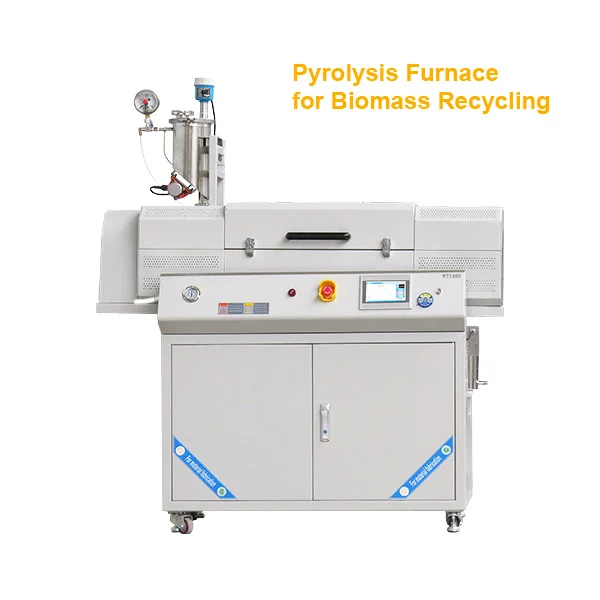
Advanced Continuous Pyrolyzers for Biomass and Organic Solid Waste Thermal Processing & Sintering
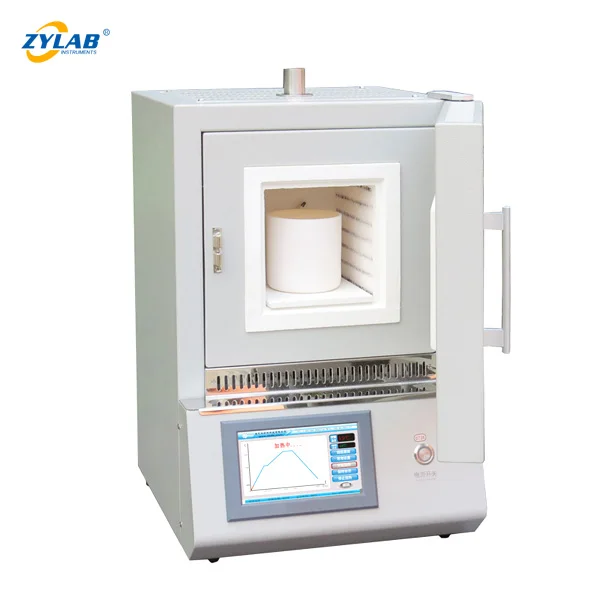
4.5L Muffle Furnace – Precision 1200°C Laboratory Furnace for Thermal Processing
Economy Muffle Furnace | 1200°C Lab Furnace for Routine Thermal Processing
Working With ZYLAB On A Project Like This
Can Key Equipment for Crystalline Hydrogen Reduction Processes be customised for our process?
Yes. Chamber or tube size, temperature profile, atmosphere, gas path, control system and data recording can all be adapted. Send us your process conditions and sample details and our engineers work out a configuration with you.
What warranty comes with Key Equipment for Crystalline Hydrogen Reduction Processes?
Most ZYLAB products carry a 2-year warranty, glass components excluded; the exact term for this model is the one printed in its specification table and repeated on the quotation. Within the warranty period any part that fails through no misuse of your own is replaced free of charge.
How can we pay for Key Equipment for Crystalline Hydrogen Reduction Processes?
Bank (wire) transfer, letter of credit for larger orders, major credit and debit cards, and PayPal. Bank details are printed on the invoice; send us the transfer confirmation and we start processing straight away.
How is Key Equipment for Crystalline Hydrogen Reduction Processes packed for export?
Packing is chosen for the safety of the machine against freight cost, typically a plywood or wooden crate with internal padding and vacuum-sealed accessories. Export documents such as Form A, Form E and Form F can be issued to help you save duty.
Have A Similar Requirement
Describe the material, the temperature and the throughput you need and an engineer will answer with a workable configuration.