Why Atmosphere Control Matters in High-Temperature Processes: A Practical Guide
When it comes to working at temperatures above 1000°C, what’s happening around your material can be just as important as what’s happening to it. That’s where atmosphere control comes in — a silent, invisible force that shapes everything from material quality to process safety.
- LaboratoryThermal ProcessingArgon AtmosphereAtmosphere ControlControlled atmosphere furnace2025-04-24
Table of Contents
When it comes to working at temperatures above 1000°C, what’s happening around your material can be just as important as what’s happening to it. That’s where atmosphere control comes in — a silent, invisible force that shapes everything from material quality to process safety.
What Is “Controlled Atmosphere”?
In high-temperature furnaces, a “controlled atmosphere” means replacing the air inside the chamber with specific gases — or removing the air entirely (vacuum). This helps avoid unwanted chemical reactions like oxidation, contamination, or material degradation.
Common Atmospheres and What They Do
🔹 Nitrogen (N₂):
A budget-friendly inert gas used to prevent oxidation. Ideal for metal parts, ceramics, and powder metallurgy.
🔹 Argon (Ar):
Even more stable than nitrogen, argon is perfect for high-purity or reactive materials like titanium or rare earths.
🔹 Vacuum:
By removing all gases, vacuum conditions eliminate oxygen completely — crucial for ultra-pure materials, thermal decomposition, and evaporation processes.
🔹 Mixed Gas Atmospheres:
Some processes require a combination — for example, H₂ + N₂ for reducing environments or O₂ + inert gases for controlled oxidation or crystal growth.
Why It’s Not Just “Plug and Play”
Maintaining a stable atmosphere at high temperatures involves several technical challenges:
- Leak-tight chamber design – even a tiny leak can ruin the atmosphere
- Accurate gas flow and pressure control – consistency is key
- Programmable gas switching – some processes need to change atmospheres mid-cycle
- Safety systems – especially when working with flammable or reactive gases
Did You Know?
Even slight changes in oxygen level can dramatically affect the color, strength, or phase of ceramics and metal oxides. That’s why research labs and production lines rely on precise gas control systems.
Atmosphere Control Solutions
At ZYLAB, we provide more than just high-temperature furnaces. We offer fully integrated atmosphere control solutions — including:
- Single and multi-gas systems
- Gas mixing and switching units
- Vacuum modules
- Real-time monitoring and automation
Whether you’re sintering ceramics, annealing wafers, or running CVD processes, we can help you build the right environment for consistent results.
Contact us to learn more — or ask about our custom solutions.
Share this entry
You might also like
Case Study: Provides Handheld Thermocouples to Worcester Polytechnic Institute
Why Do Powders Sinter During Reduction and How to Avoid It?
Case Study: Mini Hydrogen Reduction Furnace Supplied to the University of British Columbia (UBC)
Common Problems in Lithium Iron Phosphate Grinding and How Lab Scale Jet Mills Solve Them
Related ZYLAB Products
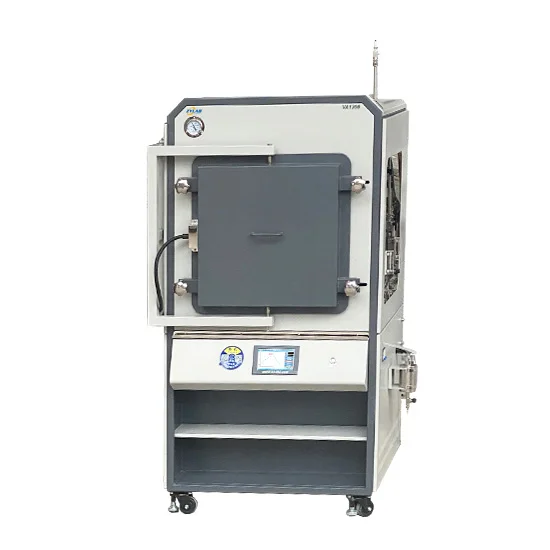
Vacuum Atmosphere Muffle Furnace for Titanium Diffusion Welding with Argon Purging and Mild Vacuum Control
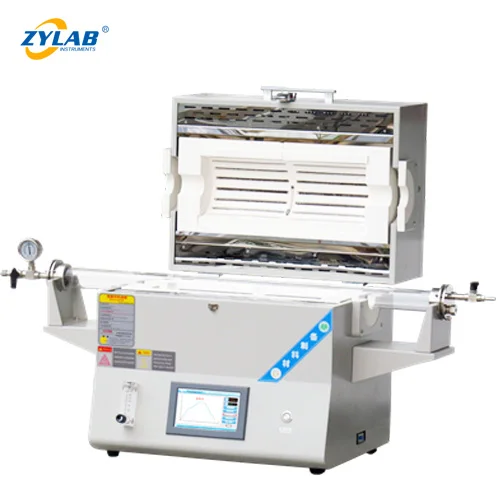
Customizable Tube Furnace with Gas Control System – Precision Atmosphere Processing
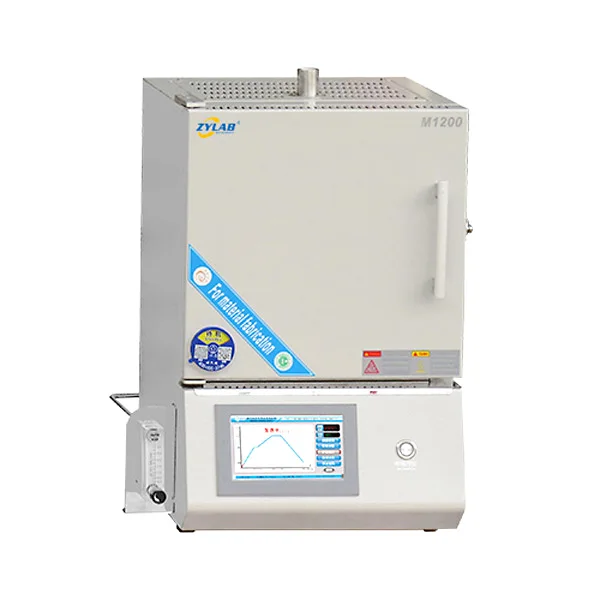
Lab Atmosphere Controlled Argon-Purged Sintering Furnace
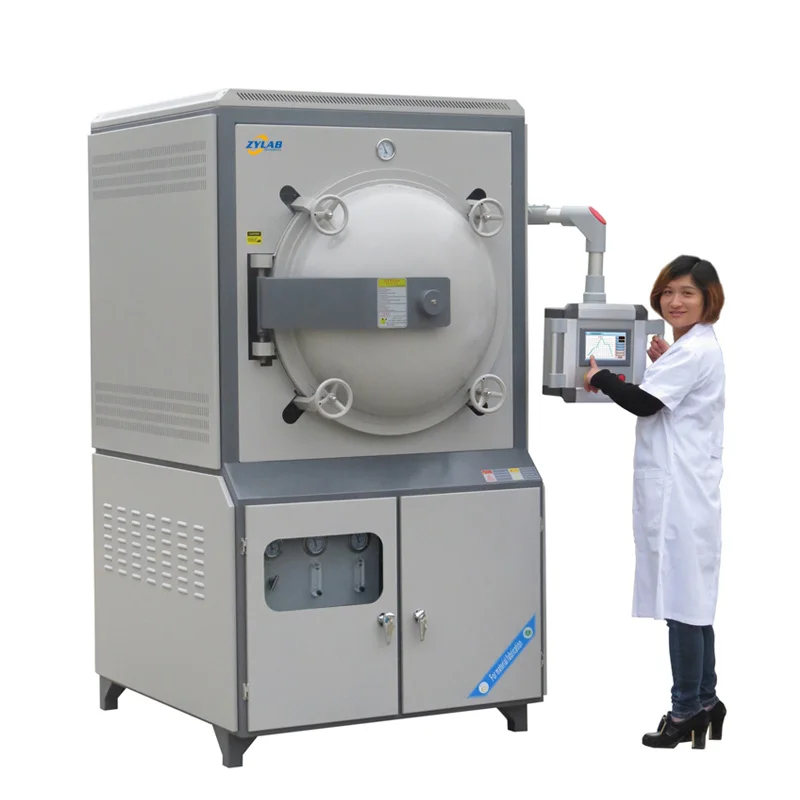
Large High-Temperature Controlled Atmosphere Furnace
Working With ZYLAB On A Project Like This
What warranty comes with Why Atmosphere Control Matters in High-Temperature Processes: A Practi?
Most ZYLAB products carry a 2-year warranty, glass components excluded; the exact term for this model is the one printed in its specification table and repeated on the quotation. Within the warranty period any part that fails through no misuse of your own is replaced free of charge.
Can we get technical help before ordering Why Atmosphere Control Matters in High-Temperature Processes: A Practi?
Yes, and it is free. Our technical staff help with model selection, troubleshooting, manuals and application questions whether or not you have ordered from us before. Write to [email protected] or message us on WhatsApp.
Which shipping methods do you use?
Sea freight for consignments over about 60 kg (11-30 days to North America, 25-33 days to Europe, 7-20 days to Southeast Asia), air freight to airport in roughly 7-10 days, and DHL, FedEx or UPS door to door in about 5-7 days for small urgent items.
How can we pay for Why Atmosphere Control Matters in High-Temperature Processes: A Practi?
Bank (wire) transfer, letter of credit for larger orders, major credit and debit cards, and PayPal. Bank details are printed on the invoice; send us the transfer confirmation and we start processing straight away.
Have A Similar Requirement
Describe the material, the temperature and the throughput you need and an engineer will answer with a workable configuration.