
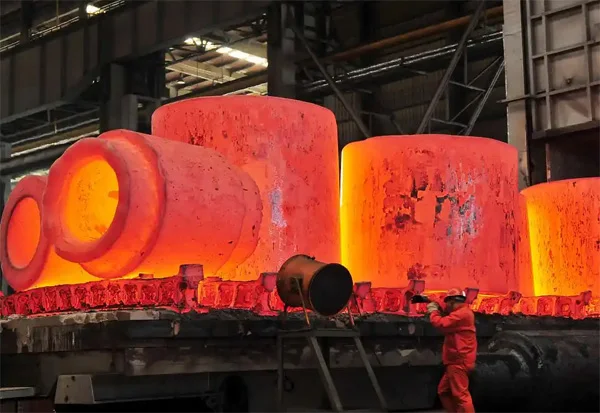
Heat Treatment Part 9: Aging Treatment
Aging treatment, also known as precipitation hardening, is a key step in modern heat treatment technology. This process follows solution treatment and involves heating alloys at a controlled temperature to allow the formation of fine precipitates, which strengthen the metal.
- Heat TreatmentKnowledge Sharing Seriesaging treatmentaluminum alloysHeat Treatment Furnace2025-11-17
Table of Contents
Aging treatment, also known as precipitation hardening, is a key step in modern heat treatment technology. This process follows solution treatment and involves heating alloys at a controlled temperature to allow the formation of fine precipitates, which strengthen the metal.
In this article, part nine of our Heat Treatment Series, we explore the definition, purpose, process, key applications, and differences from solution treatment, providing insights into how aging treatment improves mechanical properties in various alloys.
What Is Aging Treatment?
Aging treatment is a thermal process in which metals or alloys are held at a moderate temperature to enable the precipitation of solute atoms from a supersaturated solid solution. These precipitates act as obstacles to dislocation motion, significantly increasing the material’s strength, hardness, and sometimes wear resistance.
Aging can be performed in two ways:
Natural Aging: Occurs at room temperature over time (common in some aluminum alloys like 6061).
Artificial Aging: Conducted at elevated temperatures to accelerate the precipitation process (typical for high-strength aluminum, nickel-based, or titanium alloys).
Purpose of Aging Treatment
Increase strength and hardness – fine precipitates hinder dislocation motion.
Improve dimensional stability – reduce distortion during subsequent manufacturing steps.
Optimize mechanical properties – balance between strength, ductility, and toughness.
Enhance wear resistance – particularly for components exposed to high stress or friction.
Aging Treatment Process Steps
Preparation: Start with a solution-treated and quenched alloy to create a supersaturated solid solution.
Heating: Maintain the material at the appropriate aging temperature, usually lower than the solution treatment temperature (e.g., 120–200°C for aluminum alloys, 500–700°C for nickel-based alloys).
Soaking: Hold at temperature for a precise duration to allow uniform precipitation of strengthening phases.
Cooling: After the aging cycle, cool the material to room temperature; quenching is generally not required unless further processing demands it.
Precise temperature and time control is critical—overaging can coarsen precipitates and reduce mechanical strength, while underaging may result in insufficient hardening.
1. Aluminum Alloys (e.g., 2024, 6061, 7075)
Aging treatment is essential to achieve high strength-to-weight ratios in aerospace, automotive, and transportation components. After solution treatment and aging, aluminum alloys develop fine precipitates (e.g., Mg₂Si or Al₂Cu), significantly enhancing mechanical performance.
2. Nickel-Based Superalloys
Used in turbine blades, jet engines, and power generation equipment, aging treatment improves creep resistance, high-temperature strength, and fatigue life by forming coherent γ’ precipitates in the nickel matrix.
3. Titanium Alloys
In aerospace and biomedical applications, aging treatment increases strength and hardness while retaining corrosion resistance. Precipitation of secondary phases improves the alloy’s mechanical stability for structural components or implants.
4. Other Precipitation-Hardened Alloys
Aging is also applied to some stainless steels, copper alloys, and specialty magnesium alloys, providing a combination of high strength and corrosion resistance for industrial and research applications.
Difference Between Aging Treatment and Solution Treatment
Although aging and solution treatment are consecutive steps in heat treatment, they serve different purposes:
| Aspect | Solution Treatment | Aging Treatment |
|---|---|---|
| Purpose | Dissolve alloying elements into a homogeneous solid solution | Precipitate strengthening phases to increase hardness and strength |
| Temperature | High (e.g., 500–1150°C depending on alloy) | Moderate (e.g., 120–700°C depending on alloy) |
| Microstructure Result | Homogeneous single-phase solid solution | Precipitation of fine strengthening phases |
| Follow-up Process | Quenching to retain solid solution | Final properties achieved after aging; overaging may reduce strength |
In essence, solution treatment prepares the alloy, while aging treatment unlocks its full mechanical potential through controlled precipitation.
Furnaces for Aging Treatment
Successful aging treatment requires stable, uniform heating at precise temperatures. ZYLAB furnaces are ideal for laboratory and small-batch industrial applications, featuring:
High temperature stability for consistent aging cycles
Programmable PID control for precise time-temperature profiles
Optional controlled atmosphere to prevent oxidation in sensitive alloys
Versatile chamber sizes to accommodate various sample volumes
Such precision ensures reproducible mechanical properties and minimizes the risk of overaging or uneven hardness.
Conclusion
Aging treatment is a critical step in modern heat treatment, essential for achieving the desired balance of strength, hardness, and dimensional stability in advanced alloys.
By combining solution treatment with proper aging cycles, engineers and researchers can optimize performance for aerospace, automotive, energy, and high-precision industrial applications.
Using high-precision furnaces, ensures repeatable, reliable results across laboratory and production environments.
Share this entry
You might also like
Pellet Press
What is A Planetary Ball Mill?
Choosing the Right Ball Mill Setup: Jars, Ball Size Distribution, and Dual-Stage Method
Alumina Tube
Related ZYLAB Products
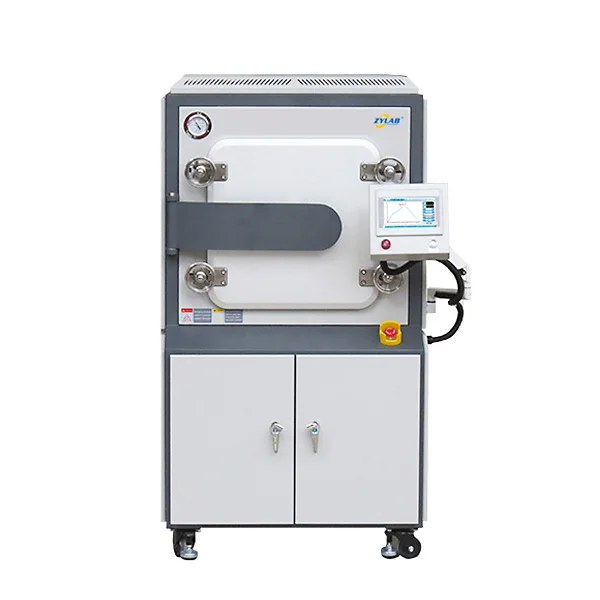
1200°C 27L Vacuum Atmosphere Muffle Furnace for Heat Treatment
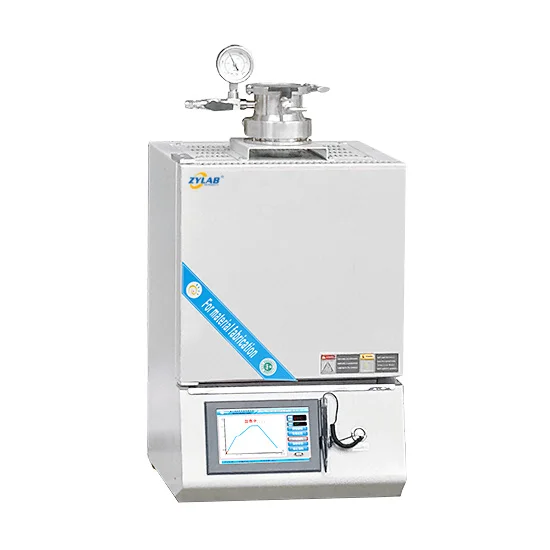
Vacuum Atmosphere Hybrid Box/Tube Furnace for Precision Heat Treatment
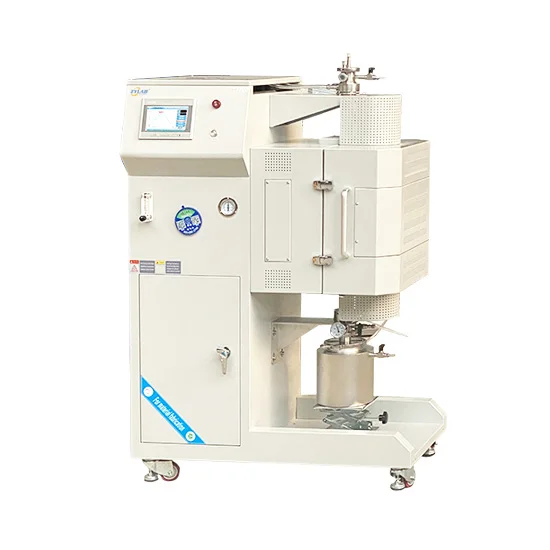
1700°C Vertical Atmosphere Controlled Quenching Furnace for High-Performance Heat Treatment
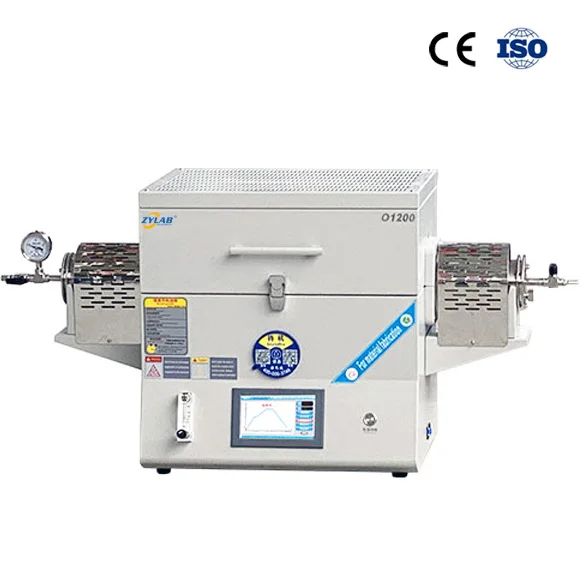
Horizontal Tube Furnace Range – Precision Heat Treatment up to 1700°C
Working With ZYLAB On A Project Like This
How quickly can Heat Treatment Part 9: Aging Treatment be shipped?
Most standard ZYLAB models are held in stock. After testing and packing we normally ship Heat Treatment Part 9: Aging Treatment within 3 to 7 days. Customised builds are scheduled after the drawing is confirmed, and we give you the date in writing before the order is placed.
Is there a minimum order quantity for Heat Treatment Part 9: Aging Treatment?
No. ZYLAB has no minimum order requirement, so a single unit of Heat Treatment Part 9: Aging Treatment is a normal order. Occasionally a component supplier imposes a minimum quantity of their own, and we tell you as soon as we are notified.
Can we get technical help before ordering Heat Treatment Part 9: Aging Treatment?
Yes, and it is free. Our technical staff help with model selection, troubleshooting, manuals and application questions whether or not you have ordered from us before. Write to [email protected] or message us on WhatsApp.
What if Heat Treatment Part 9: Aging Treatment is damaged in transit?
Contact your ZYLAB sales engineer immediately with photographs. We arrange a substitute delivery promptly and handle the claim with the carrier.
Have A Similar Requirement
Describe the material, the temperature and the throughput you need and an engineer will answer with a workable configuration.