
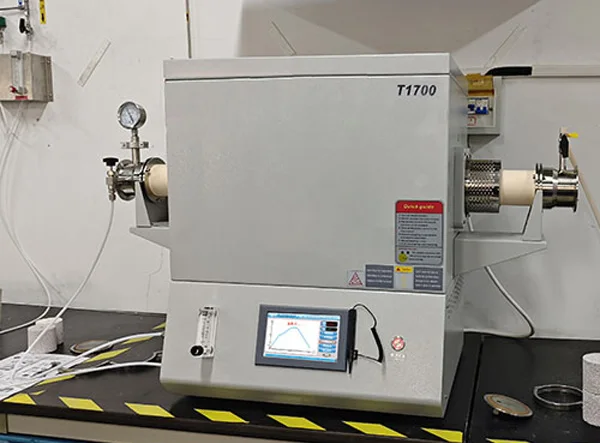
The Role of 1700°C Tube Furnace in Material Preparation
Material synthesis and thermal treatment are fundamental in developing nanomaterials, battery materials, ceramics, and other high-performance materials. The 1700°C Tube Furnace plays a critical role in these processes by providing precise temperature control, vacuum and atmosphere protection, and un
- LaboratoryThermal Processing1700 degree tube furnace1700°C tube furnace1700°C vacuum tube furnace2025-02-11
Introduction
Material synthesis and thermal treatment are fundamental in developing nanomaterials, battery materials, ceramics, and other high-performance materials. The 1700°C Tube Furnace plays a critical role in these processes by providing precise temperature control, vacuum and atmosphere protection, and uniform heating.
This furnace is widely used in vacuum sintering, high-temperature annealing, and controlled atmosphere heat treatment, enabling researchers and manufacturers to optimize material properties for advanced applications.
1. Nanomaterials Synthesis
Nanomaterials require precise control over particle size, morphology, and purity. The 1700°C Tube Furnace enables:
- Vacuum sintering of nanostructures, reducing contamination and improving crystallinity.
- Controlled atmosphere processing to prevent oxidation and ensure stability.
- Rapid thermal treatment, essential for synthesizing carbon nanotubes, nanowires, and quantum dots.
- CVD (Chemical Vapor Deposition) and precursor decomposition, critical for functional nanomaterials.
2. Battery Material Processing
Battery performance depends heavily on the crystal structure and composition of electrode materials.The 1700°C Tube Furnace supports:
- High-temperature calcination of cathode and anode materials (e.g., LiCoO₂, LiFePO₄).
- Atmosphere-controlled sintering to optimize ion conductivity and electrochemical stability.
Vacuum treatment to remove volatile impurities, ensuring high-purity battery materials.Precise temperature ramping to tailor material microstructures for improved battery performance.
3. Advanced Ceramic Sintering
High-performance ceramics require controlled sintering conditions to achieve desired mechanical, thermal, and electrical properties. This furnace is ideal for:
- Vacuum sintering of technical ceramics, reducing defects and enhancing density.
- Controlled atmosphere processing for electronic ceramics (e.g., piezoelectric materials, capacitors).
- Synthesis of ultra-high temperature ceramics (UHTCs) for aerospace and industrial applications.
- Heat treatment of transparent ceramics, improving optical clarity and performance.
4. High-Performance Material Annealing & Sintering
Many advanced materials, including superalloys, composites, and semiconductor materials, require precise thermal processing. The 1700°C Tube Furnace is used for:
- Vacuum annealing to relieve stress and refine microstructures.
- Sintering in controlled gas atmospheres (e.g., nitrogen, argon, hydrogen) to prevent oxidation.
- Graphitization of carbon materials, crucial for conductive applications.
- Solid-state reactions, enabling the formation of complex material phases.
Why Choose ZYLAB 1700°C Tube Furnace?
ZYLAB’s 1700°C Tube Furnace combines cutting-edge technology, safety, and efficiency, making it an ideal choice for research institutes, universities, and industrial laboratories.
Its high precision, user-friendly interface, and reliable performance ensure that researchers and engineers achieve optimal results in their material preparation processes.
Conclusion
The 1700°C Tube Furnace is an indispensable tool in modern material science, offering high-temperature processing, precise control, and customizable atmosphere conditions.
Whether for nanomaterials, battery research, or high-performance ceramics, this furnace provides exceptional stability, efficiency, and safety for researchers and engineers worldwide.
By integrating advanced thermal control, superior insulation, and versatile functionalities, the ZYLAB 1700°C Tube Furnace stands out as an essential piece of equipment for cutting-edge material research and industrial applications.
For more information on Tube furnaces or to inquire about custom solutions, feel free to contact us.
Share this entry
You might also like
Which heat treatment equipment is commonly used in the semiconductor industry?
A Furnace Furniture Solution Composed of Alumina Plates and Stands
Leveraging Laboratory Furnaces for Advancing Solid-State Batteries
How to correctly select furnace furniture?
Related ZYLAB Products
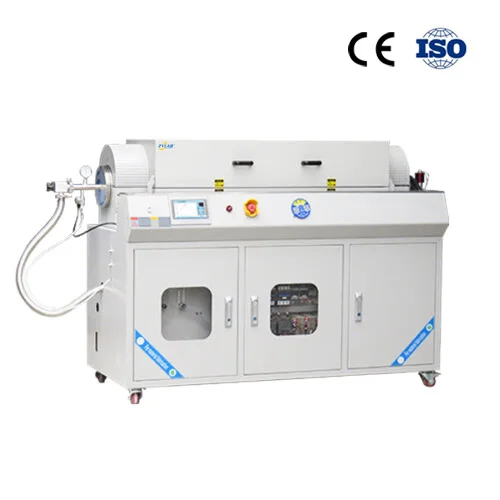
Advanced Tube Furnace for Nanomaterial Processing with Auto Door and Handheld Thermometer
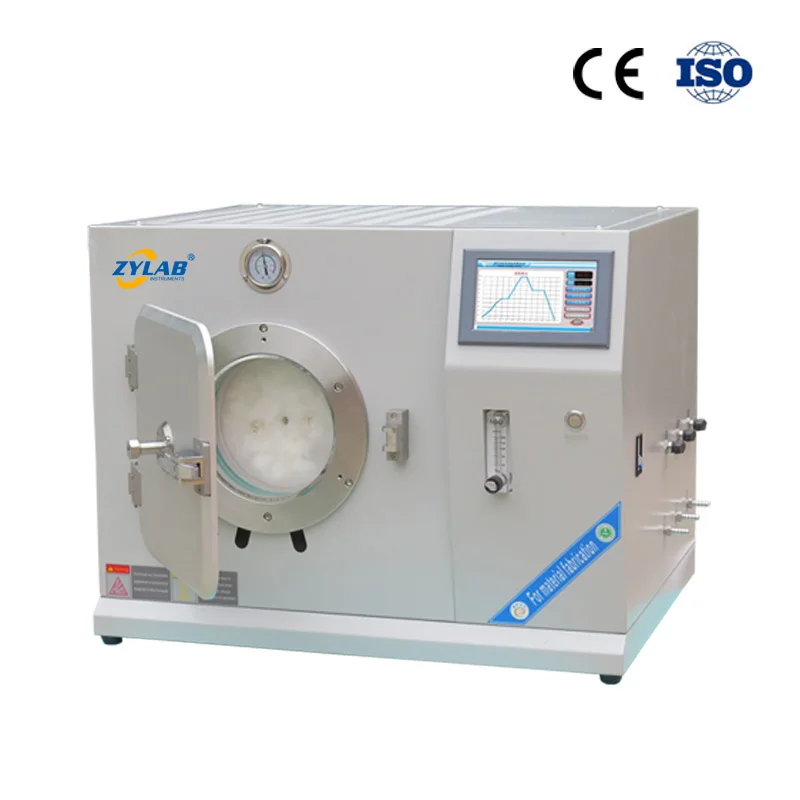
Laboratory Vacuum Atmosphere Tube Furnace for Wafer Processing
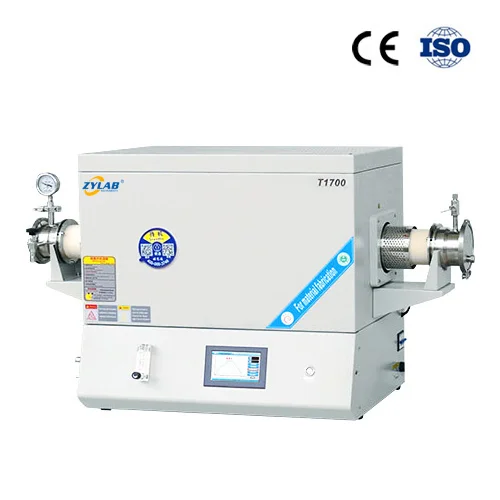
1700°C Two Zone Tube Furnace for Precision Thermal Processing
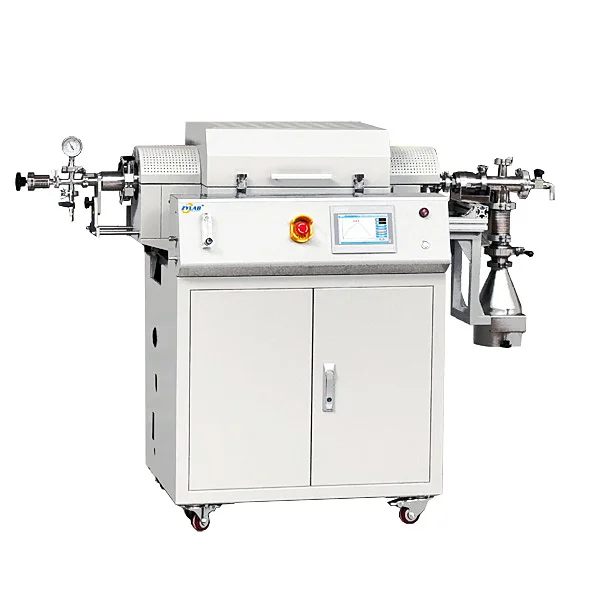
Laboratory Rotary Tilting Tube Furnace with Automatic Material Collection System
Working With ZYLAB On A Project Like This
How quickly can The Role of 1700°C Tube Furnace in Material Preparation be shipped?
Most standard ZYLAB models are held in stock. After testing and packing we normally ship The Role of 1700°C Tube Furnace in Material Preparation within 3 to 7 days. Customised builds are scheduled after the drawing is confirmed, and we give you the date in writing before the order is placed.
Is there a minimum order quantity for The Role of 1700°C Tube Furnace in Material Preparation?
No. ZYLAB has no minimum order requirement, so a single unit of The Role of 1700°C Tube Furnace in Material Preparation is a normal order. Occasionally a component supplier imposes a minimum quantity of their own, and we tell you as soon as we are notified.
Can we get technical help before ordering The Role of 1700°C Tube Furnace in Material Preparation?
Yes, and it is free. Our technical staff help with model selection, troubleshooting, manuals and application questions whether or not you have ordered from us before. Write to [email protected] or message us on WhatsApp.
What if The Role of 1700°C Tube Furnace in Material Preparation is damaged in transit?
Contact your ZYLAB sales engineer immediately with photographs. We arrange a substitute delivery promptly and handle the claim with the carrier.
Have A Similar Requirement
Describe the material, the temperature and the throughput you need and an engineer will answer with a workable configuration.