
Powder Metallurgy Part 3 — From Powder to Shape: Forming Techniques Explained
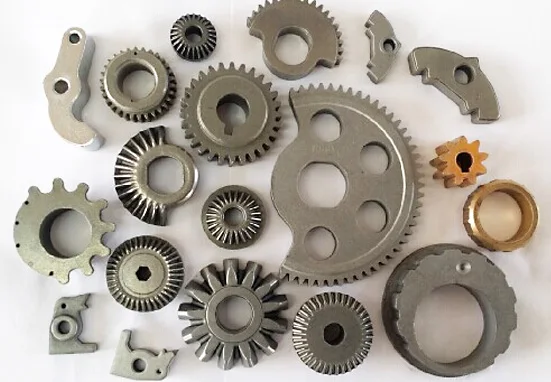
Forming is a critical stage in powder metallurgy (PM) that determines the geometry, density, and strength of the final sintered product. During this step, loose metal powders are compacted or shaped into a defined geometry known as the green compact, which is later densified through sintering.
- Knowledge Sharing SeriesPowder Metallurgygreen compactisostatic pressingmetal additive manufacturing2025-10-27
Table of Contents
Forming is a crucial stage in powder metallurgy (PM) that defines the geometry, density, and strength of the final sintered component.
In this stage, loose metal powders are compacted or shaped into a defined geometry known as the green compact, which is later densified through sintering.
The forming process bridges the gap between raw metal powders and functional metal parts. With ongoing advancements in compaction control, powder flow optimization, and isostatic pressing, PM forming has evolved into a precise and reliable technology widely applied in automotive, aerospace, energy, and electronic industries.
Fundamentals of Powder Metallurgy Forming
In PM, forming transforms loose powders into a coherent body with sufficient strength for handling and sintering. The main objectives include:
Achieving uniform powder distribution and density
Minimizing cracks, delamination, or segregation
Ensuring dimensional precision for sintering shrinkage control
Forming directly impacts the microstructure and mechanical properties of the final part. Poor control over powder packing or density can lead to inhomogeneous sintering, resulting in defects or performance variations.
Powder Characteristics Influencing Forming
The success of any PM forming process depends heavily on powder characteristics:
Particle Size and Distribution:
Fine powders enhance surface contact and green density, while a broader size range improves packing efficiency.Particle Shape:
Spherical powders flow better and fill dies more uniformly, while irregular shapes enhance interparticle bonding.Powder Hardness and Ductility:
Softer powders compact more easily; harder powders may require higher compaction pressures.Surface Cleanliness:
Oxides and contaminants can prevent particle bonding, reducing green strength and uniformity.
Tip: For critical components, use powders with controlled size distribution and low oxygen content to ensure consistent compaction quality.
Uniaxial Pressing
Uniaxial pressing is the most widely used PM forming technique.
The process involves compressing powder in a rigid die under high pressure (typically 100–800 MPa) to form a compact with the desired geometry.
Advantages:
Simple and cost-effective.
Ideal for mass production of simple shapes (e.g., gears, bearings, bushings).
Cold and Hot Isostatic Pressing
Isostatic pressing applies pressure uniformly from all directions using a liquid or gas medium, ensuring consistent density throughout the compact.
Cold Isostatic Pressing (CIP):
Conducted at room temperature.
Produces uniform density; green parts are usually machined and then sintered.
Hot Isostatic Pressing (HIP):
Combines high pressure and elevated temperature.
Eliminates residual porosity and achieves near-theoretical density.
Common in aerospace, energy, and high-performance tooling applications.
Key Benefits:
Superior homogeneity compared to uniaxial pressing.
Ideal for large or complex parts requiring high integrity.
Other Forming Techniques
Although pressing methods dominate industrial PM, several specialized forming approaches are used for specific requirements:
Powder Rolling:
Produces metal strips or sheets by compacting powders between rotating rollers.Powder Extrusion:
Used for long or tubular parts with uniform cross-sections, such as rods and bars.Advanced Forming Processes (Overview):
Modern techniques like Metal Injection Molding (MIM) or Binder Jetting are applied where intricate geometries or miniaturized components are required.
However, for most PM components, mechanical compaction and isostatic methods remain the core technologies due to their efficiency and scalability.
Factors Affecting Forming Quality
No matter which forming method is used, several parameters determine green compact quality:
Compaction Pressure and Speed:
Must be optimized to ensure density uniformity and prevent cracking.Lubrication and Friction Control:
Reduces tool wear and improves particle rearrangement.Powder Flowability:
Ensures consistent die filling and uniform distribution.Particle Packing Efficiency:
Blending powders of different sizes enhances packing density and minimizes porosity.
Summary
Forming is the foundation of powder metallurgy and the starting point for achieving high-quality sintered products.
From uniaxial pressing to isostatic pressing, each forming method offers unique advantages depending on the component geometry, performance requirements, and production scale.
By controlling powder characteristics, compaction pressure, and pressing uniformity, manufacturers can produce components with consistent density, minimal defects, and excellent mechanical performance after sintering.
As PM continues to evolve toward precision manufacturing and sustainable materials, forming will remain central to achieving high-performance, cost-effective metal components.
Share this entry
You might also like
Technical Support & After-sales Services for ZYLAB Furnaces
Characteristics of ZYLAB Furnaces
Development Trend and New Technology of Laboratory Electric Furnace
Types and Characteristics of Electric Furnaces Commonly Used in Laboratories
Related ZYLAB Products
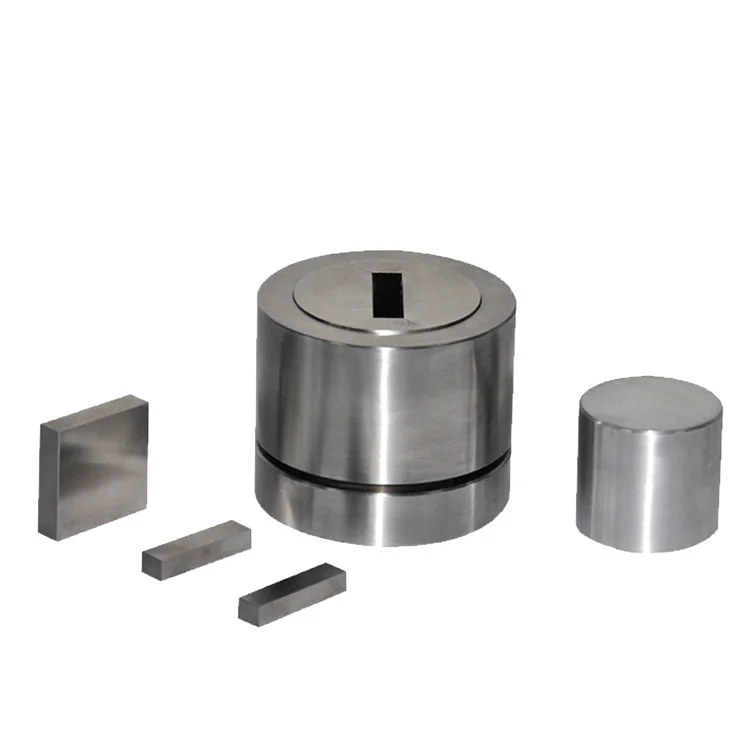
Lab Hydraulic Press Parts Square Split Pressing Die Set for Powder Sample Forming
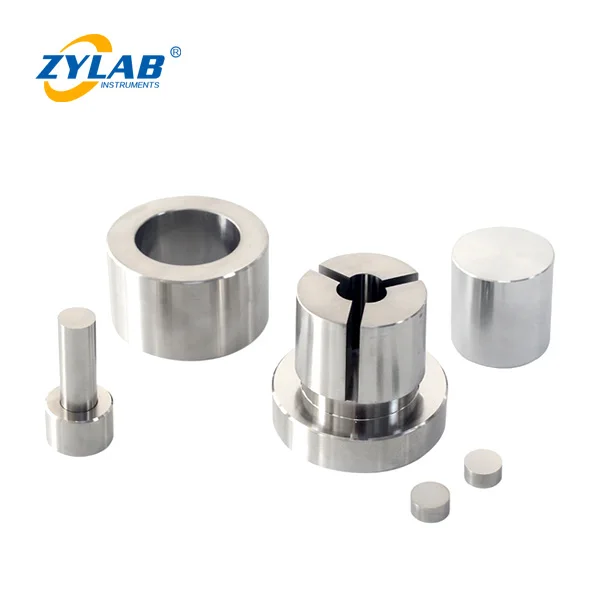
Cylindrical Split Molds for Powder Pressing (Lab Hydraulic Press Use)
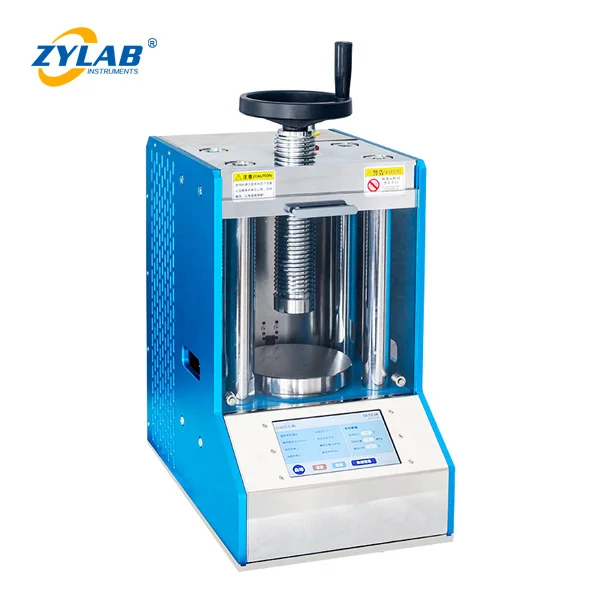
Automatic Lab Press for Powder Pellet Pressing (2–60 Ton)
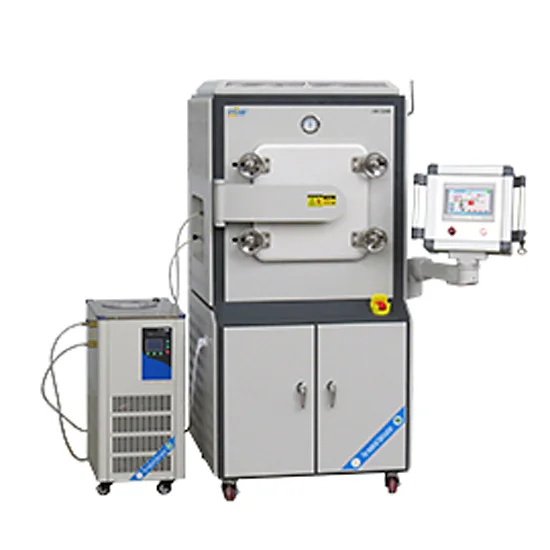
Debinding Furnace for Thermal Post-Processing in Additive Manufacturing
Working With ZYLAB On A Project Like This
Can Powder Metallurgy Part 3 — From Powder to Shape: Forming Techniques Ex be customised for our process?
Yes. Chamber or tube size, temperature profile, atmosphere, gas path, control system and data recording can all be adapted. Send us your process conditions and sample details and our engineers work out a configuration with you.
How quickly can Powder Metallurgy Part 3 — From Powder to Shape: Forming Techniques Ex be shipped?
Most standard ZYLAB models are held in stock. After testing and packing we normally ship Powder Metallurgy Part 3 — From Powder to Shape: Forming Techniques Ex within 3 to 7 days. Customised builds are scheduled after the drawing is confirmed, and we give you the date in writing before the order is placed.
How is Powder Metallurgy Part 3 — From Powder to Shape: Forming Techniques Ex packed for export?
Packing is chosen for the safety of the machine against freight cost, typically a plywood or wooden crate with internal padding and vacuum-sealed accessories. Export documents such as Form A, Form E and Form F can be issued to help you save duty.
Can you supply items that are not on this page?
Yes. We have access to the complete lines of most of our suppliers and build custom equipment in our own factory, so tell us what the experiment needs and we will source or make it.
Have A Similar Requirement
Describe the material, the temperature and the throughput you need and an engineer will answer with a workable configuration.