
How to Choose a Suitable Laboratory Furnace
It is important to consider factors such as temperature range, heating rate, heating method, size and capacity, and control system.
- Thermal ProcessingBox FurnaceCeramic FurnaceChamber FurnaceCrucible Furnace2023-04-26
Table of Contents
Laboratory furnaces are essential tools for a wide range of research applications, including materials science, chemistry, and metallurgy. They can be used for heating, melting, and sintering materials at high temperatures, making them critical components in many research projects.
However, choosing the right laboratory furnace can be a daunting task, especially for those who are new to the field.
1. Temperature Range
One of the most important factors to consider when choosing a laboratory furnace is the temperature range it can achieve. Different applications require different temperature ranges, so it is essential to choose a furnace that can meet your specific needs.
For example, if you are working with high-temperature materials such as ceramics, you will need a furnace that can reach temperatures of 1500°C or higher.
2. Heating Rate
The heating rate of a laboratory furnace is another important consideration. Heating rate refers to how quickly the furnace can reach the desired temperature.
If you are working with materials that require rapid heating or cooling, you will need a furnace that can achieve a high heating rate.
3. Heating Method
There are two main types of heating methods used in laboratory furnaces: resistance heating and induction heating.
Resistance heating uses electrical resistance to generate heat, while induction heating uses an electromagnetic field to generate heat. Each method has its advantages and disadvantages, so it is important to choose the right heating method for your specific needs.
4. Size and Capacity
The size and capacity of the laboratory furnace are also important considerations.
The size of the furnace should be large enough to accommodate your samples, while the capacity should be sufficient for your research needs. It is also important to consider the available space in your laboratory when choosing a furnace.
5. Control System
A good laboratory furnace should have a reliable and user-friendly control system.
The control system should allow you to set and adjust the temperature, heating rate, and other parameters easily. It should also provide accurate and reliable temperature readings and be equipped with safety features such as over-temperature protection.
6. Type of Furnace
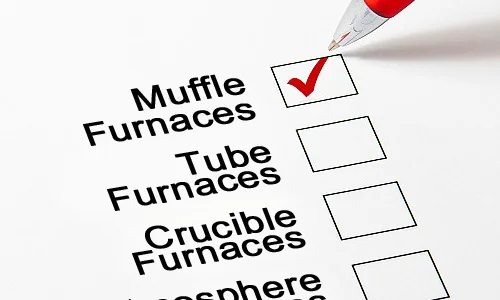
There are different types of electric furnaces available, such as muffle furnaces, tube furnaces, and crucible furnaces.
Choose the type of furnace that is suitable for your application.
Choosing the Right Supplier
Once you have determined your specific needs and requirements for a laboratory furnace, the next step is to find the right supplier. Here are some key factors to consider when choosing a supplier:
1. Experience and Expertise
Choose a supplier with a proven track record of providing high-quality laboratory furnace solutions.
Look for a supplier with extensive experience and expertise in the field, as this will ensure that you receive the best possible advice and support.
2. Quality of Products
The quality of the products is another important consideration when choosing a supplier.
Look for a supplier that uses high-quality materials and components in their products, as this will ensure that your furnace is reliable, durable, and efficient.
3. Customization
Choose a supplier that can offer customized solutions to meet your specific needs.
A good supplier will work closely with you to understand your requirements and develop a solution that meets your exact specifications.
4. Support and Service
Choose a supplier that provides comprehensive support and service, including installation, maintenance, and repair services.
Look for a supplier that is available to answer your questions and provide assistance whenever you need it.
5. Price and Value
Price is always an important consideration, but it should not be the only factor you consider when choosing a supplier.
Look for a supplier that offers good value for money, rather than just the lowest price.
Choosing the right laboratory furnace is essential for the success of your research projects. When choosing a furnace, it is important to consider factors such as temperature range, heating rate, heating method, size and capacity, and control system.
Once you have determined your specific needs, it is important to choose a supplier with experience and expertise in the field, a focus on quality, the ability to offer customized solutions, comprehensive support and service, and good value for money.
By taking these factors into account, you can find a laboratory furnace solution that meets your specific needs and helps you achieve your research goals.
Share this entry
You might also like
How to Choose a Laboratory Electric Furnace Supplier
How to Maintenance and Upkeep a Laboratory Electric Furnace
How to Choose a Suitable Laboratory Furnace
Application Fields and Industries of Laboratory Electric Furnaces
Related ZYLAB Products
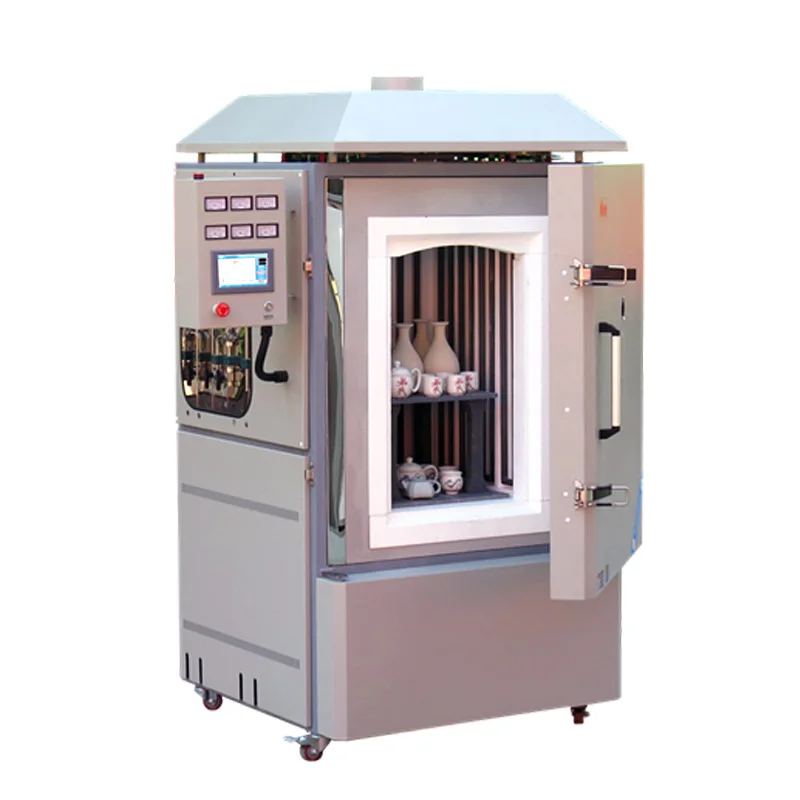
1500°C Large-Capacity Chamber Furnace for Ceramic Sintering
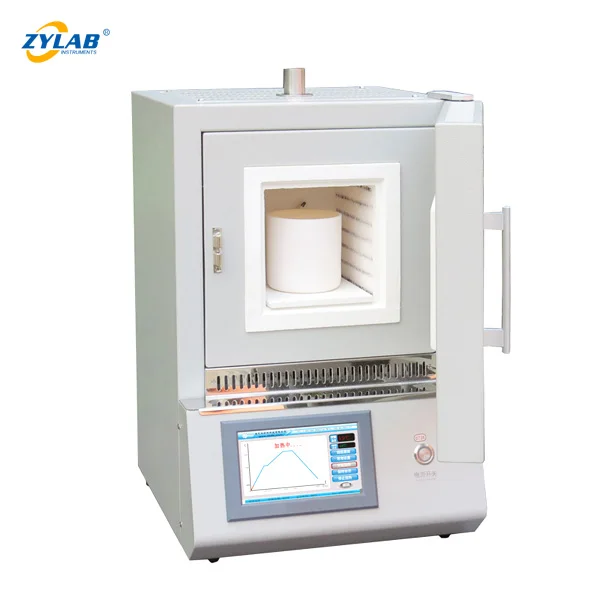
4.5L Muffle Furnace – Precision 1200°C Laboratory Furnace for Thermal Processing
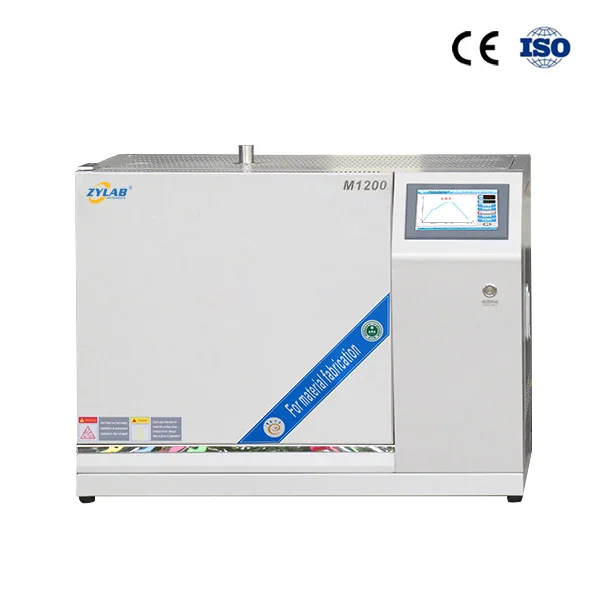
Economy Muffle Furnace | 1200°C Lab Furnace for Routine Thermal Processing
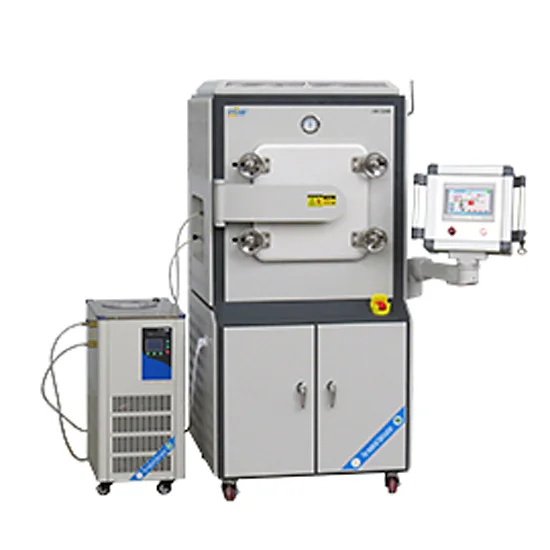
Debinding Furnace for Thermal Post-Processing in Additive Manufacturing
Working With ZYLAB On A Project Like This
Can How to Choose a Suitable Laboratory Furnace be customised for our process?
Yes. Chamber or tube size, temperature profile, atmosphere, gas path, control system and data recording can all be adapted. Send us your process conditions and sample details and our engineers work out a configuration with you.
How quickly can How to Choose a Suitable Laboratory Furnace be shipped?
Most standard ZYLAB models are held in stock. After testing and packing we normally ship How to Choose a Suitable Laboratory Furnace within 3 to 7 days. Customised builds are scheduled after the drawing is confirmed, and we give you the date in writing before the order is placed.
How is How to Choose a Suitable Laboratory Furnace packed for export?
Packing is chosen for the safety of the machine against freight cost, typically a plywood or wooden crate with internal padding and vacuum-sealed accessories. Export documents such as Form A, Form E and Form F can be issued to help you save duty.
Can you supply items that are not on this page?
Yes. We have access to the complete lines of most of our suppliers and build custom equipment in our own factory, so tell us what the experiment needs and we will source or make it.
Have A Similar Requirement
Describe the material, the temperature and the throughput you need and an engineer will answer with a workable configuration.