
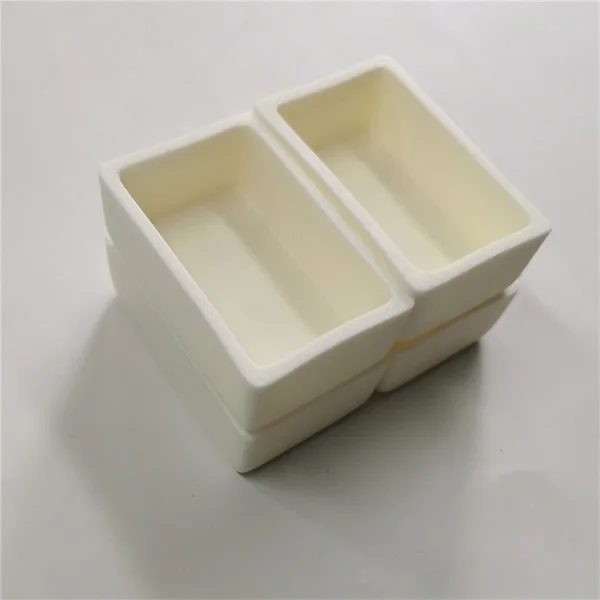
Why Do Alumina Crucibles Crack During Sintering? | Analysis & Practical Solutions
Alumina crucibles (Al₂O₃) are widely used in high-temperature applications such as ceramic sintering, metal melting, and powder heat treatment thanks to their excellent thermal stability and chemical resistance. However, users often encounter cracking issues during use, which can lead to wasted mate
- LaboratoryThermal ProcessingAl₂O₃ CruciblesAlumina CruciblesCeramic Processing2025-04-24
Table of Contents
Alumina crucibles (Al₂O₃) are widely used in high-temperature applications such as ceramic sintering, metal melting, and powder heat treatment thanks to their excellent thermal stability and chemical resistance.
However, users often encounter cracking issues during use, which can lead to wasted materials, failed experiments, and production delays.
Let’s explore the common causes of crucible cracking and how to prevent them effectively.
1. Thermal Shock
- What happens: Sudden cracking when heating or cooling too quickly
- Why: Alumina has low thermal conductivity and a relatively high thermal expansion rate. Rapid temperature changes create internal stresses that lead to fractures.
2. Uneven Heating
- What happens: Warping or cracking at specific areas
- Why: If the crucible is placed off-center or too close to the heat source, the temperature gradient across the body causes stress buildup.
3. Overfilling or Powder Expansion
- What happens: The walls bulge or crack outward
- Why: Some powders expand significantly during heating, generating pressure that the crucible walls can’t withstand.
4. Chemical Reaction or Gas Erosion
- What happens: Surface corrosion or brittle structure
- Why: Certain atmospheres or sample vapors may react with alumina, weakening its structure over time.
5. Microcrack Accumulation From Repeated Use
- What happens: A crucible suddenly breaks after multiple uses
- Why: Microcracks develop with each thermal cycle and eventually propagate into full fractures.
1. Control Heating & Cooling Rates
- Keep ramp rates below 5°C/min, especially between 200–600°C, where thermal stress is most severe
- Use programmable furnaces to set smooth, multi-stage temperature curves
2. Ensure Even Heating
- Place the crucible in the center of the furnace chamber
- Avoid contact with heating elements or furnace walls
- Distribute powder evenly and avoid overpacking
3. Pre-fire New Crucibles
- Preheat new crucibles at moderate temperatures for 1–2 hours before use to release internal stress
4. Choose the Right Atmosphere & Sample Loading
- Use inert gases (e.g., N₂ or Ar) when possible to avoid chemical reactions
- For reactive samples, consider using a protective liner or barrier
5. Inspect and Replace When Necessary
- Regularly check for fine cracks before reusing
- Avoid using damaged crucibles at high temperatures
ZYLAB High-Purity Alumina Crucibles
Made from ≥99.5% high-purity Al₂O₃, our crucibles offer excellent thermal shock resistance, dense structure, and long service life. Available in large-capacity, windowed, and customized designs.
Read the Article: Custom Alumina Furnace Furniture
We also provide matching furnace systems and gas control solutions to support your full sintering process.
Contact us for technical support or to request a product catalog.
Share this entry
You might also like
Case Study: 1200°C Muffle Furnace with Gas Inlet System for High-Performance Metal Powder Development in Additive Manufacturing
How to Solve Common Problems in High-Temperature Modification of Lithium Battery Cathode Materials
How To Avoid Powder Agglomeration And Segregation During Additive Manufacturing Material Preparation
Case Study: Supplies 5L High-Speed 3D Shaker Mixer To European Additive Manufacturing Company
Related ZYLAB Products
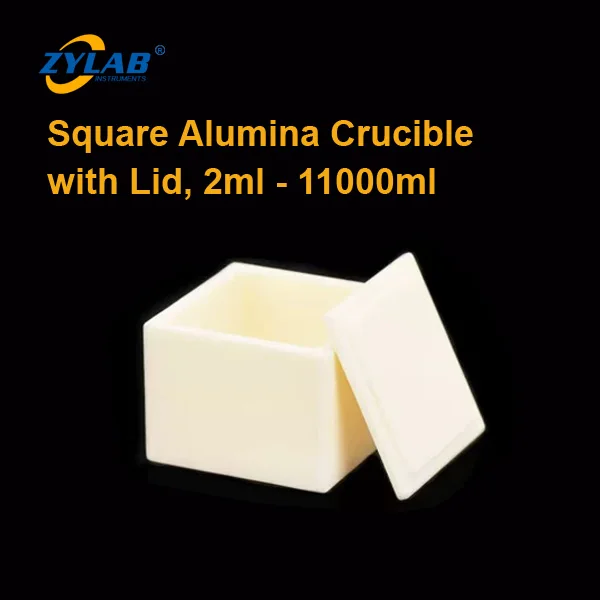
High-Purity Rectangular Alumina Crucible with Lid for Advanced Ceramic Sintering
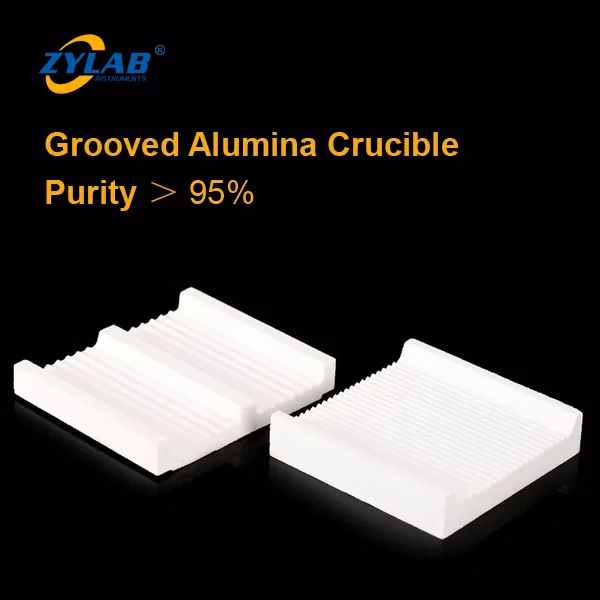
Grooved Alumina Crucible – High-Temperature Ceramic Crucible
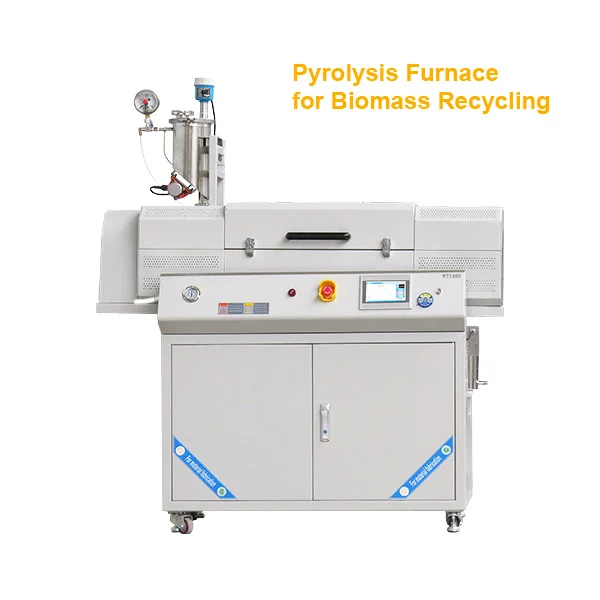
Advanced Continuous Pyrolyzers for Biomass and Organic Solid Waste Thermal Processing & Sintering
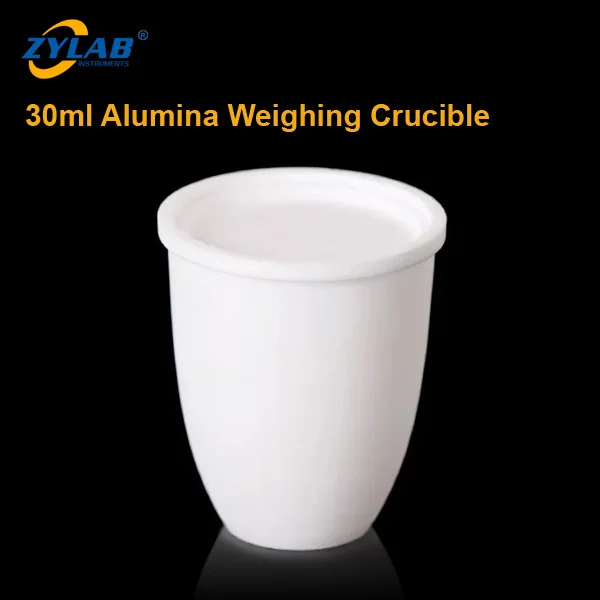
Customizable Alumina Weighing Crucible – Precision Laboratory Sample Analysis
Working With ZYLAB On A Project Like This
Can Why Do Alumina Crucibles Crack During Sintering? | Analysis & Practica be customised for our process?
Yes. Chamber or tube size, temperature profile, atmosphere, gas path, control system and data recording can all be adapted. Send us your process conditions and sample details and our engineers work out a configuration with you.
How quickly can Why Do Alumina Crucibles Crack During Sintering? | Analysis & Practica be shipped?
Most standard ZYLAB models are held in stock. After testing and packing we normally ship Why Do Alumina Crucibles Crack During Sintering? | Analysis & Practica within 3 to 7 days. Customised builds are scheduled after the drawing is confirmed, and we give you the date in writing before the order is placed.
How is Why Do Alumina Crucibles Crack During Sintering? | Analysis & Practica packed for export?
Packing is chosen for the safety of the machine against freight cost, typically a plywood or wooden crate with internal padding and vacuum-sealed accessories. Export documents such as Form A, Form E and Form F can be issued to help you save duty.
Can you supply items that are not on this page?
Yes. We have access to the complete lines of most of our suppliers and build custom equipment in our own factory, so tell us what the experiment needs and we will source or make it.
Have A Similar Requirement
Describe the material, the temperature and the throughput you need and an engineer will answer with a workable configuration.