
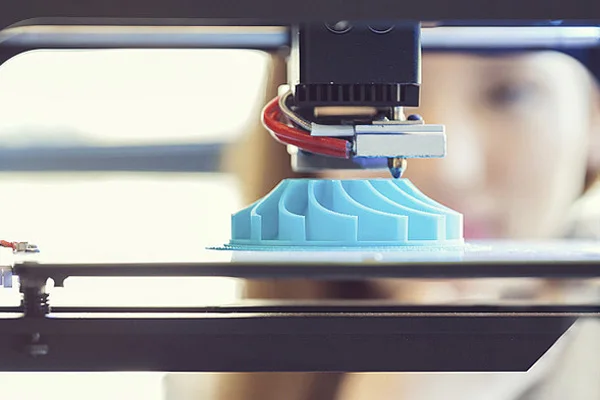
Additive Manufacturing
Additive Manufacturing is a manufacturing technology that constructs objects by adding material layer by layer, while electric furnaces can provide the necessary heat energy to melt or sinter materials, thus facilitating this process.
- LaboratoryThermal Processing3D PrintingAdditive FabricationAdditive Manufacturing2024-02-26
What Is Additive Manufacturing
Additive Manufacturing (AM) is a manufacturing process in which three-dimensional objects are created by adding material layer by layer, as opposed to traditional subtractive manufacturing methods where material is removed from a solid block.
In AM, a digital 3D model of the object is sliced into thin horizontal cross-sections, and then each layer is sequentially built up to form the final object. This process allows for the creation of complex geometries and intricate designs that may be difficult or impossible to achieve with traditional manufacturing techniques.
Additive Manufacturing encompasses various technologies, including but not limited to 3D printing, stereolithography (SLA), selective laser sintering (SLS), and fused deposition modeling (FDM).
Characteristics
Design flexibility: Enables the creation of complex geometries and structures, offering designers high degrees of design freedom.
Customization: It allows for the rapid production of customized products, catering to individualized needs and preferences.
Material efficiency: Unlike subtractive manufacturing methods, additive manufacturing minimizes material waste by only using the necessary amount of material to build the object.
Short production cycles: Facilitates rapid prototyping and production, reducing lead times and accelerating time-to-market for products.
Multi-material capabilities: Additive manufacturing processes support various materials, including metals, plastics, ceramics, and composites, expanding its applicability across different industries and applications.
Cost-effectiveness: For low-volume or complex parts, additive manufacturing can be more cost-effective than traditional manufacturing methods, particularly in avoiding the need for tooling and fixtures.
Iterative design and optimization: Its digital nature allows for easy iteration and optimization of designs, enabling quick modifications without the need for retooling or remanufacturing.
Applications of Additive Manufacturing
Aerospace: Additive manufacturing is used for prototyping, manufacturing lightweight components, and producing complex geometries in aircraft and spacecraft.
Automotive: It’s utilized for rapid prototyping, customization of parts, production of lightweight components, and tooling in the automotive industry.
Healthcare: It’s employed in the production of patient-specific implants, prosthetics, dental devices, and medical instruments.
Consumer Goods: It’s used for creating customized products, rapid prototyping, and manufacturing small batches of consumer goods such as jewelry, eyewear, and fashion accessories.
Industrial Manufacturing: It’s applied in producing tooling, jigs, fixtures, and spare parts, as well as in optimizing supply chain management through on-demand manufacturing.
Architecture and Construction: It’s utilized for creating architectural models, prototypes, and even full-scale structures using various materials such as concrete and composite materials.
Education and Research: It’s used in educational institutions and research laboratories for teaching, research, and development purposes across various disciplines.
Defense and Military: It’s employed for prototyping, manufacturing custom components, and producing lightweight parts for military equipment and vehicles.
Energy: It’s applied in the production of turbine components, heat exchangers, and other parts used in renewable energy systems and power generation.
Electronics: It’s used for prototyping and manufacturing electronic housings, circuit boards, and other components in the electronics industry.
Application of Electric Furnaces in Additive Manufacturing
Additive Manufacturing is a manufacturing technology that constructs objects by adding material layer by layer, while electric furnaces can provide the necessary heat energy to melt or sinter materials, thus facilitating this process.
Here are several common applications of electric furnaces in additive manufacturing:
Metal 3D Printing: Metal additive manufacturing typically requires high temperatures to melt metal powder or wire, and precise temperature control is necessary to ensure printing quality.
Electric furnaces can offer accurate temperature control to meet the melting and solidification temperature requirements of different metal materials.
Ceramic and Ceramic Composite Material Printing: Some additive manufacturing techniques involve the use of ceramics or ceramic composite materials, which often require high temperatures for sintering.
Electric furnaces can provide high-temperature environments and sinter the materials into the desired shapes within the required time frame.
Thermoplastic Polymer Printing: Certain thermoplastic polymer printing processes require specific temperatures to ensure material flow and solidification.
Electric furnaces can provide a constant temperature environment, helping to control temperature variations during the printing process and achieve higher printing quality.
Post-processing: In some additive manufacturing processes, post-processing steps such as annealing, sintering, or hardening are required after printing.
Electric furnaces can provide the necessary temperature and environmental conditions to complete these post-processing steps, thereby improving the performance and quality of printed parts.
Application of Vacuum Filter in Additive Manufacturing
The application of vacuum filters in additive manufacturing is primarily focused on powder management and material purification processes. Here are some key aspects of their application:
Powder Management: In metal additive manufacturing processes such as selective laser melting (SLM) or electron beam melting (EBM), metal powders are commonly used as the feedstock. These powders need to be managed carefully to maintain their quality and prevent contamination.
Vacuum filters are employed to remove impurities, moisture, or other contaminants from the metal powder, ensuring its integrity and suitability for use in the printing process.
Material Purification: Vacuum filters are utilized to purify gases or fluids used in additive manufacturing processes.
This purification helps maintain the quality of gases or fluids by removing contaminants or impurities that could affect the printing process or compromise the quality of the printed parts.
Related ZYLAB Products
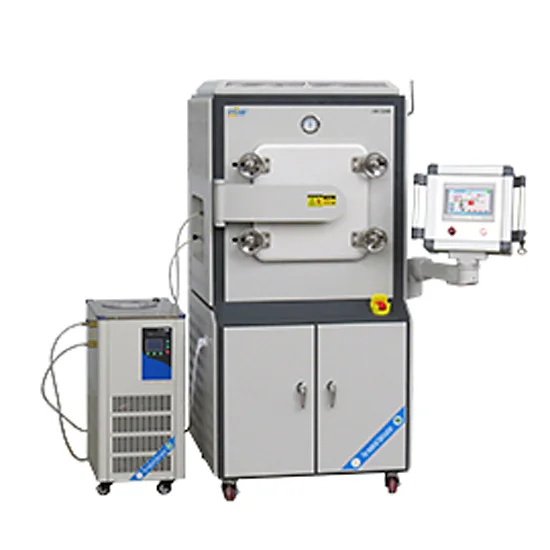
Debinding Furnace for Thermal Post-Processing in Additive Manufacturing
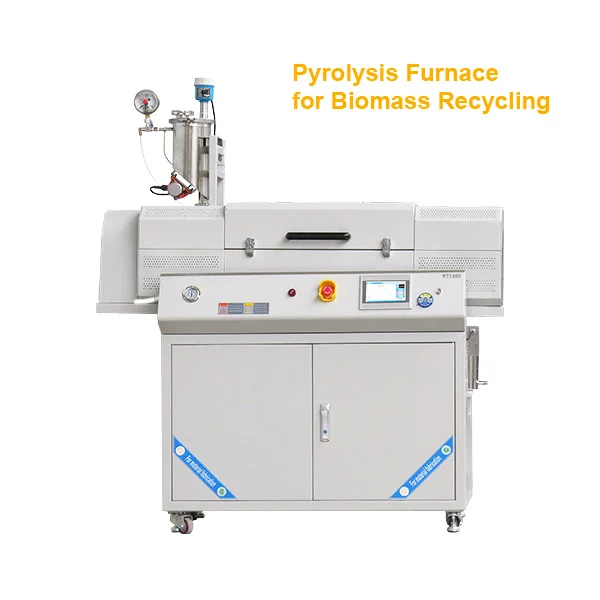
Advanced Continuous Pyrolyzers for Biomass and Organic Solid Waste Thermal Processing & Sintering
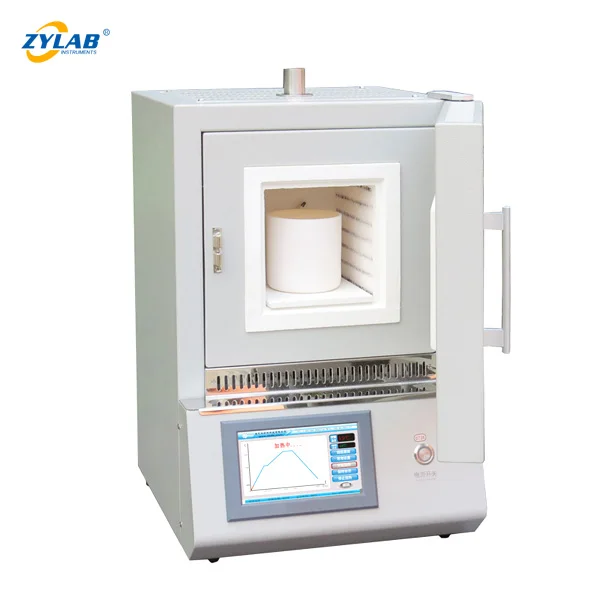
4.5L Muffle Furnace – Precision 1200°C Laboratory Furnace for Thermal Processing
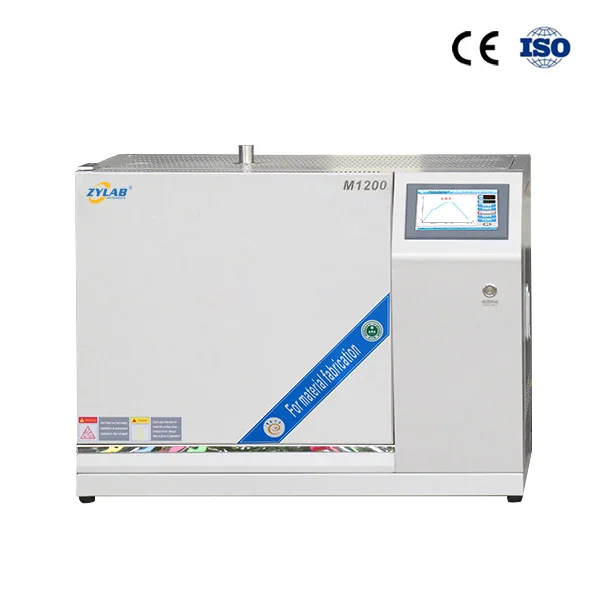
Economy Muffle Furnace | 1200°C Lab Furnace for Routine Thermal Processing
Working With ZYLAB On A Project Like This
Can Additive Manufacturing be customised for our process?
Yes. Chamber or tube size, temperature profile, atmosphere, gas path, control system and data recording can all be adapted. Send us your process conditions and sample details and our engineers work out a configuration with you.
How quickly can Additive Manufacturing be shipped?
Most standard ZYLAB models are held in stock. After testing and packing we normally ship Additive Manufacturing within 3 to 7 days. Customised builds are scheduled after the drawing is confirmed, and we give you the date in writing before the order is placed.
How is Additive Manufacturing packed for export?
Packing is chosen for the safety of the machine against freight cost, typically a plywood or wooden crate with internal padding and vacuum-sealed accessories. Export documents such as Form A, Form E and Form F can be issued to help you save duty.
Can you supply items that are not on this page?
Yes. We have access to the complete lines of most of our suppliers and build custom equipment in our own factory, so tell us what the experiment needs and we will source or make it.
Have A Similar Requirement
Describe the material, the temperature and the throughput you need and an engineer will answer with a workable configuration.