
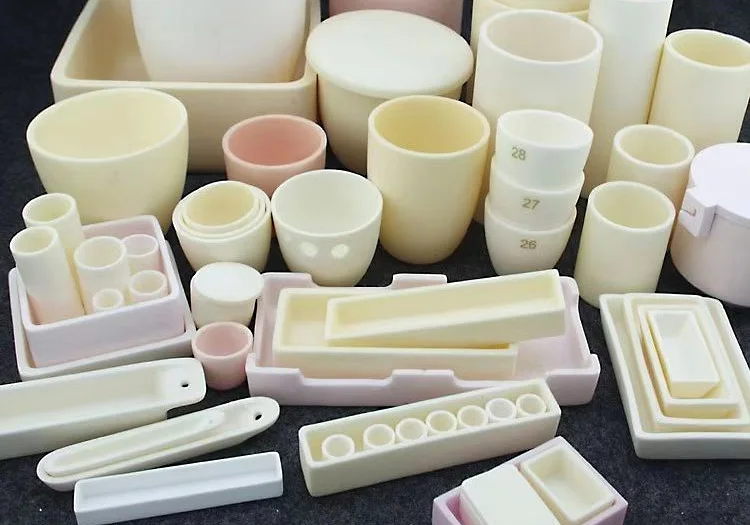
Laboratory Crucible Comparison: Choosing the Right Crucible for Your Experiment
Choosing the right crucible can directly affect the outcome of your experiment, influencing material purity, structural integrity, and overall efficiency. This article compares five commonly used laboratory crucibles—Alumina, Quartz, Magnesia, Boron Nitride, and Graphite—helping you make an informed
- LaboratoryThermal ProcessingAdvantages of Alumina Crucibles in LaboratoriesAlumina CrucibleBest Crucible for Laboratory High-Temperature Processing2025-03-11
Introduction
Laboratory crucibles are essential tools for high-temperature experiments, materials synthesis, and thermal analysis.
Choosing the right crucible can directly affect the outcome of your experiment, influencing material purity, structural integrity, and overall efficiency.
This article compares five commonly used laboratory crucibles—Alumina, Quartz, Magnesia, Boron Nitride, and Graphite—helping you make an informed decision based on your specific application needs.
Key Features
- Max Temperature: Up to 1700°C
- Chemical Resistance: Excellent resistance to acids and alkalis
- Thermal Shock Resistance: Moderate
- Purity Levels: Available in high-purity (99%+) grades
- Cost: Moderate
Applications
Alumina crucibles are widely used for ceramic sintering, powder metallurgy, and high-temperature material testing. They are ideal when chemical stability and high mechanical strength are required, commonly applied in academic research and industrial processes.
Key Features
- Max Temperature: Up to 1100°C (softens beyond this point)
- Chemical Resistance: Excellent against acids; not suitable for strong alkalis
- Thermal Shock Resistance: Very high
- Purity Levels: Ultra-high purity available
- Cost: Moderate
Applications
Quartz crucibles are popular in semiconductor manufacturing, glass melting, and clean lab environments where minimal contamination and high transparency are essential. Their ability to withstand rapid temperature changes makes them suitable for thermal cycling experiments.
Key Features
- Max Temperature: Up to 2000°C
- Chemical Resistance: Exceptional resistance to basic and alkaline materials
- Thermal Shock Resistance: Moderate
- Purity Levels: Typically 97%–99%
- Cost: Higher than Alumina and Quartz
Applications
Magnesia crucibles are the go-to option for high-temperature applications, including metal oxide fusion, refractory metal melting, and alkaline material processing. Their high melting point makes them suitable for extreme heat experiments.
Key Features
- Max Temperature: Up to 2000°C (under vacuum or inert gas)
- Chemical Resistance: Chemically inert, non-wettable by most molten metals
- Thermal Shock Resistance: Excellent
- Purity Levels: High purity grades for specialized applications
- Cost: High
Applications
Boron nitride crucibles excel in handling molten metals, semiconductor processing, and high-purity material synthesis. They are valued for their low reactivity and high thermal conductivity, making them ideal for delicate and advanced applications.
Key Features
- Max Temperature: Up to 1800°C (in inert or vacuum environments)
- Chemical Resistance: Stable in inert gas; susceptible to oxidation in air
- Thermal Shock Resistance: Good
- Purity Levels: Industrial and laboratory grades
- Cost: Economical
Applications
Graphite crucibles are widely used in metal casting, alloy production, and non-ferrous metal smelting. They offer excellent thermal conductivity and are favored for high-efficiency heating and energy-saving operations.
Comparison Table: Laboratory Crucibles
| Crucible Material | Max Temp | Chemical Resistance | Thermal Shock Resistance | Atmosphere Required | Cost |
|---|---|---|---|---|---|
| Alumina (Al2O3) | 1700°C | Acids & Alkalis | Moderate | Air / Vacuum / Inert | Medium |
| Quartz (SiO2) | 1100°C | Acids, not Alkalis | Excellent | Air / Vacuum | Medium |
| Magnesia (MgO) | 2000°C | Alkalis | Moderate | Vacuum / Inert | High |
| Boron Nitride (BN) | 2000°C | Chemically Inert | Excellent | Vacuum / Inert | Very High |
| Graphite | 1800°C | Stable in Inert Gas Only | Good | Vacuum / Inert | Low |
How to Choose the Right Laboratory Crucible
- Temperature Requirements: Ensure the crucible withstands the maximum operating temperature of your experiment.
- Chemical Compatibility: Match the crucible material to your sample’s chemical nature (acidic, basic, inert).
- Atmosphere Conditions: Some crucibles degrade in air at high temperatures (e.g., Graphite), so consider if your process requires vacuum or inert gas protection.
- Purity Needs: For high-purity sample preparation (like semiconductor materials), opt for Boron Nitride or Quartz crucibles.
- Cost and Usage Frequency: If you perform routine high-temperature testing, Alumina is cost-effective and durable. For advanced research, Boron Nitride offers unmatched performance despite its higher cost.
1. What Is the Difference Between Alumina Crucibles and Quartz Crucibles?
Alumina crucibles offer excellent thermal stability and can withstand temperatures up to 1700°C. They are highly resistant to chemical corrosion and ideal for sintering and metal melting processes. Quartz crucibles, on the other hand, are known for their high purity and excellent thermal shock resistance. They are typically used in processes requiring minimal contamination and can withstand temperatures up to 1100°C.
2. Why Are Boron Nitride Crucibles Suitable for High-purity Samples?
Boron Nitride (BN) crucibles have exceptional chemical stability and do not react with most molten metals or reactive materials, making them ideal for high-purity sample processing. BN crucibles provide excellent thermal conductivity, high temperature resistance (up to 2000°C in inert atmospheres), and prevent contamination, which is crucial for applications in semiconductor and advanced material industries.
3. Why Can’t Graphite Crucibles Be Used at High Temperatures in Open Air?
Graphite crucibles, while excellent for high-temperature applications (up to 3000°C in inert atmospheres), will oxidize when exposed to air at temperatures above 500°C. Oxidation leads to structural degradation and potential failure of the crucible. Therefore, they must be used in vacuum or protective atmospheres (such as argon) to prevent oxidation and ensure a longer lifespan.
4. How Does Crucible Material Impact Sample Purity?
The crucible material can either preserve or contaminate the sample. High-purity crucibles like Quartz and Boron Nitride are critical when trace contamination must be avoided.
5. How to Select the Right Crucible Type for My Laboratory Furnace?
Consider:
- Maximum furnace temperature
Chemical reactions involved - Furnace atmosphere (air, vacuum, inert gas)
- Frequency of use (single-use vs. long-term durability)
Alumina and Graphite crucibles are ideal for general use, while Boron Nitride and Magnesia are suited for specialized, high-purity, or high-temperature applications.
Conclusion
Laboratory crucibles are a critical component in high-temperature experiments, influencing both material quality and experimental success.
Understanding the differences between Alumina, Quartz, Magnesia, Boron Nitride, and Graphite crucibles allows researchers and technicians to make informed decisions, ensuring reliable and efficient results.
If you are looking for high-quality laboratory crucibles, ZYLAB offers a wide range of options tailored for various scientific and industrial applications. Contact our team for customized solutions that meet your research needs!
Share this entry
You might also like
Powder Metallurgy Part 1 – Mechanical Milling Method for Powder Production
Heat Treatment Part 7: Quenching and Tempering (Quench-temper Treatment)
Heat Treatment Part 6: Conventional vs Vacuum Heat Treatment and Furnace Differences
Heat Treatment Part 5: Carburizing and Nitriding
Related ZYLAB Products
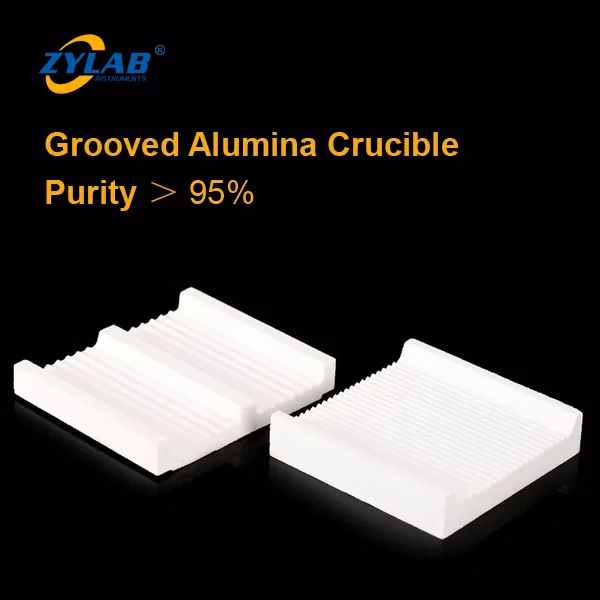
Grooved Alumina Crucible – High-Temperature Ceramic Crucible
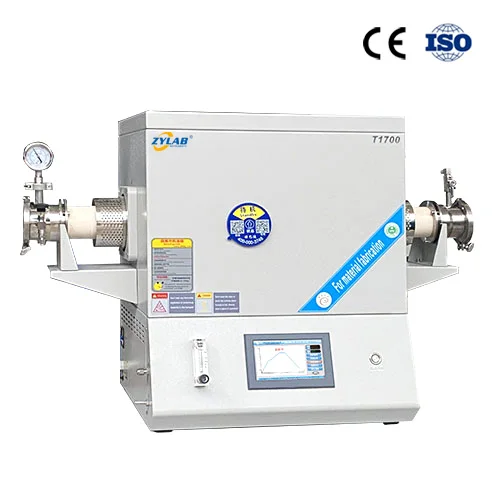
High Temperature Tube Furnaces – 1200°C / 1500°C / 1700°C | Quartz & Alumina Tubes
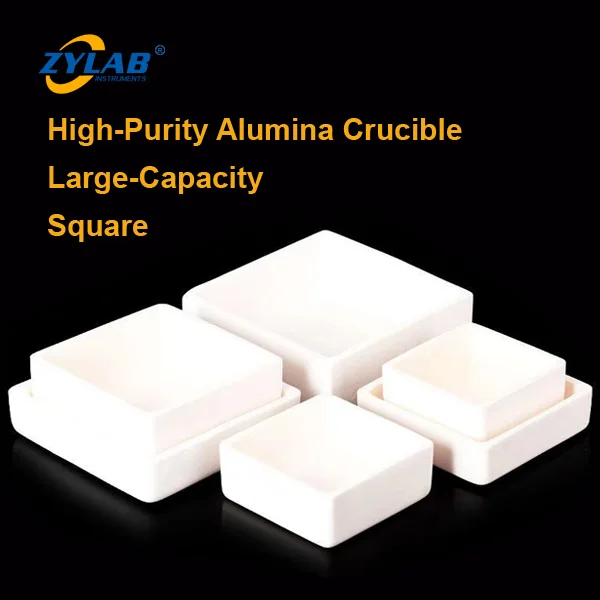
Large-Size High-Temperature Alumina Square Crucible – Customizable
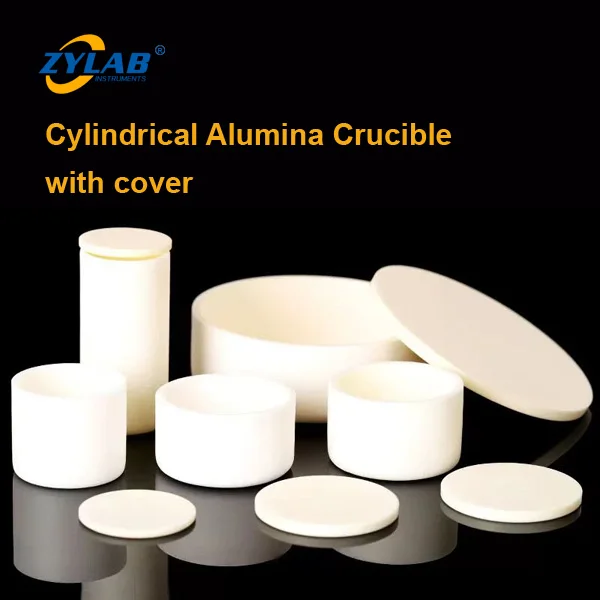
Customizable Cylindrical Alumina Crucible with Cover for High-Temperature Experiments
Working With ZYLAB On A Project Like This
Can Laboratory Crucible Comparison: Choosing the Right Crucible for Your E be customised for our process?
Yes. Chamber or tube size, temperature profile, atmosphere, gas path, control system and data recording can all be adapted. Send us your process conditions and sample details and our engineers work out a configuration with you.
What warranty comes with Laboratory Crucible Comparison: Choosing the Right Crucible for Your E?
Most ZYLAB products carry a 2-year warranty, glass components excluded; the exact term for this model is the one printed in its specification table and repeated on the quotation. Within the warranty period any part that fails through no misuse of your own is replaced free of charge.
How can we pay for Laboratory Crucible Comparison: Choosing the Right Crucible for Your E?
Bank (wire) transfer, letter of credit for larger orders, major credit and debit cards, and PayPal. Bank details are printed on the invoice; send us the transfer confirmation and we start processing straight away.
How is Laboratory Crucible Comparison: Choosing the Right Crucible for Your E packed for export?
Packing is chosen for the safety of the machine against freight cost, typically a plywood or wooden crate with internal padding and vacuum-sealed accessories. Export documents such as Form A, Form E and Form F can be issued to help you save duty.
Have A Similar Requirement
Describe the material, the temperature and the throughput you need and an engineer will answer with a workable configuration.