Technical Guide for Daily Maintenance of Tablet Press Machines
Proper maintenance is essential to ensure the stable performance, long service life, and safety of a tablet press machine. Regular inspection, lubrication, and cleaning not only help prevent equipment failure but also ensure consistent tablet quality.
- FormingEquipment Safety TipsHydraulic System CareLaboratory Equipment MaintenanceMachine Lubrication2025-11-06
Table of Contents
Proper maintenance is essential to ensure the stable performance, long service life, and safety of a tablet press machine. Regular inspection, lubrication, and cleaning not only help prevent equipment failure but also ensure consistent tablet quality.
This guide provides a detailed overview of the daily and periodic maintenance procedures for laboratory-scale tablet presses.
Hydraulic System Maintenance
The hydraulic system plays a crucial role in maintaining the pressing force and overall stability of the machine.
Oil Replacement:
Replace the hydraulic oil every 6–12 months under normal operating conditions. For machines used frequently or under heavy load, replace it every 3–6 months to maintain stable hydraulic pressure and avoid system wear.Inspection:
Regularly check the hydraulic system for oil leaks, abnormal noise, vibration, or overheating. Examine all seals, hoses, and fittings, and replace them immediately if any wear or damage is detected. Maintaining clean, leak-free hydraulics ensures consistent pressure and longer service life.
Lubrication
Lubrication is one of the most important aspects of tablet press maintenance. Proper lubrication ensures smooth mechanical motion, reduces friction and wear, and extends the lifespan of the equipment.
Lubrication Points:
Key moving parts such as the hydraulic cylinder, piston, and transmission components must be regularly lubricated to ensure stable and efficient operation.Lubrication Frequency:
Lubricate the machine at least once a week to maintain optimal performance and prevent metal-to-metal contact between moving parts.Lubrication Method:
Use the manual lubrication system on the press to apply oil to the designated points. Be mindful of the oil quantity—both insufficient and excessive lubrication can cause issues. Always use the manufacturer-specified lubricating oil for best results.
Mechanical and Electrical System Checks
To ensure the machine operates safely and efficiently, periodic inspection of the mechanical and electrical systems is necessary.
Mechanical Inspection:
Check the transmission system—including gears, belts, and chains—for proper alignment and tightness at least once a month. Adjust or replace worn components as needed.Electrical Inspection:
Inspect all electrical connections, switches, sensors, and control panels for proper function. Look for signs of overheating, loose wiring, or insulation damage, and address any issues promptly to avoid safety risks or machine malfunctions.
Environmental and Storage Requirements
The environment in which the tablet press is installed has a significant impact on its stability and lifespan.
Place the machine in a stable, vibration-free location to prevent misalignment or mechanical fatigue.
Avoid direct sunlight and radiation, which may affect the hydraulic oil and electrical components.
Maintain a dry, clean environment to protect molds and metallic parts from rust.
Prevent exposure to strong airflow, moisture, and dust, which may enter the press and affect precision or cleanliness.
Cleaning and Daily Operation
Cleanliness and proper handling are key to ensuring the reliability and accuracy of each pressing cycle.
Cleaning:
After each use, clean the machine thoroughly to remove any powder residues. This prevents cross-contamination and mechanical wear.Operator Safety:
Operators must be well-trained and fully understand the machine structure, operation, lubrication points, and safety protocols. Always wear protective gloves and safety glasses when operating or maintaining the machine.
Conclusion
Following a structured maintenance routine for your tablet press machine ensures long-term stability, consistent production quality, and operator safety. By regularly inspecting the hydraulic, mechanical, and electrical systems—and maintaining proper lubrication and cleanliness—you can minimize downtime, reduce repair costs, and extend the life of your equipment.
Share this entry
You might also like
Laboratory Tube Furnace
What is a horizontal tube furnace?
High Temperature Tube Furnace
Alumina Tube Furnace
Related ZYLAB Products
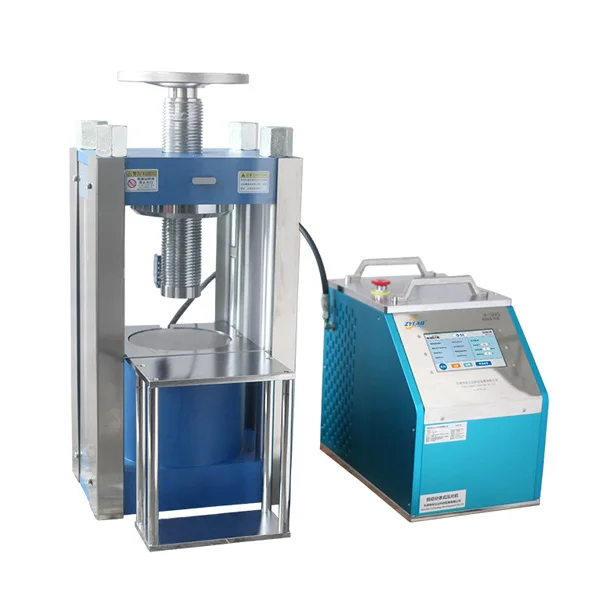
100 Ton Split-Type Automatic Hydraulic Pellet Press with Safety Shield
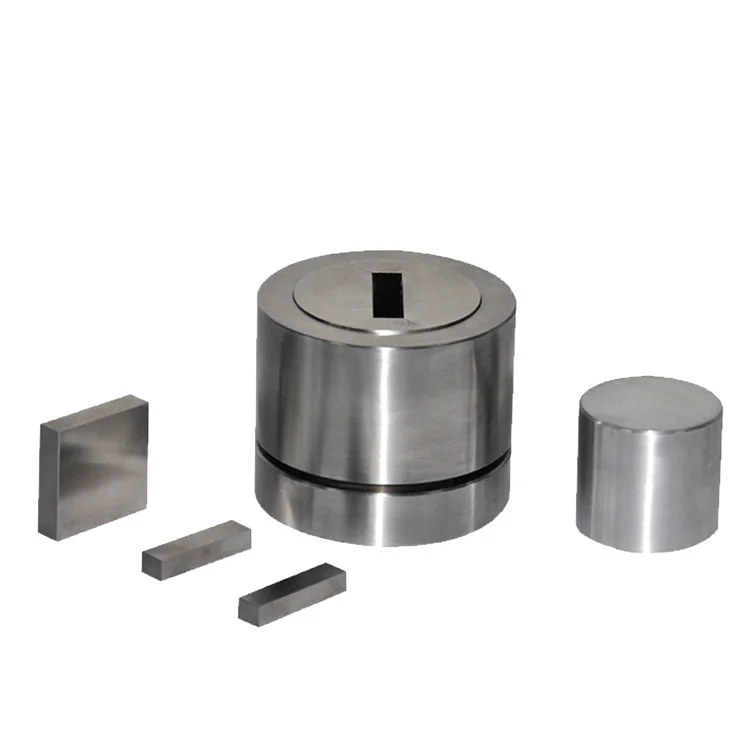
Lab Hydraulic Press Parts Square Split Pressing Die Set for Powder Sample Forming
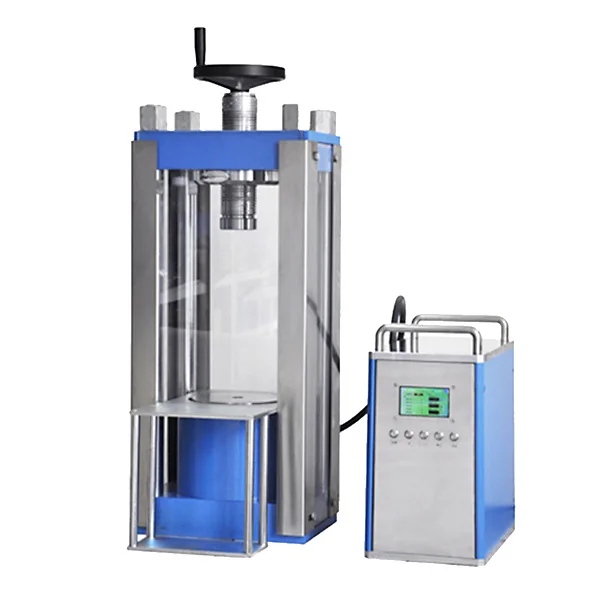
Split Type 100-Ton Hydraulic Electric Powder Pellet Press with Safety Shield
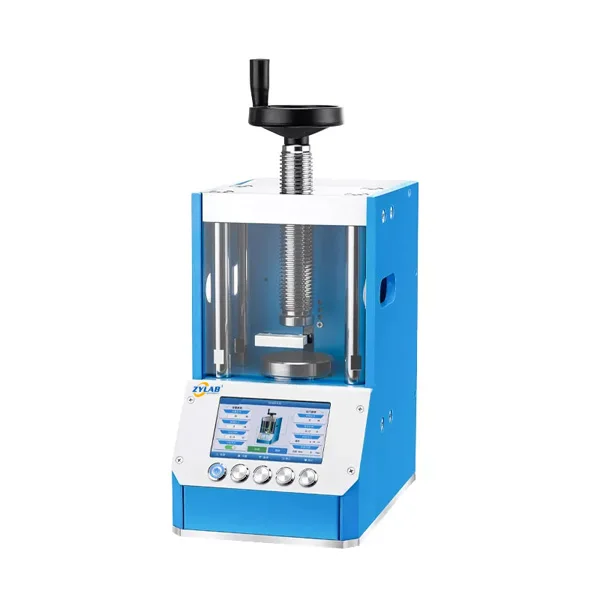
Lab-Scale 12 Ton Bench-Top Automatic Hydraulic Pellet Press for Powder Compaction & Dry Granulation Processing
Working With ZYLAB On A Project Like This
What warranty comes with Technical Guide for Daily Maintenance of Tablet Press Machines?
Most ZYLAB products carry a 2-year warranty, glass components excluded; the exact term for this model is the one printed in its specification table and repeated on the quotation. Within the warranty period any part that fails through no misuse of your own is replaced free of charge.
Can we get technical help before ordering Technical Guide for Daily Maintenance of Tablet Press Machines?
Yes, and it is free. Our technical staff help with model selection, troubleshooting, manuals and application questions whether or not you have ordered from us before. Write to [email protected] or message us on WhatsApp.
Which shipping methods do you use?
Sea freight for consignments over about 60 kg (11-30 days to North America, 25-33 days to Europe, 7-20 days to Southeast Asia), air freight to airport in roughly 7-10 days, and DHL, FedEx or UPS door to door in about 5-7 days for small urgent items.
How can we pay for Technical Guide for Daily Maintenance of Tablet Press Machines?
Bank (wire) transfer, letter of credit for larger orders, major credit and debit cards, and PayPal. Bank details are printed on the invoice; send us the transfer confirmation and we start processing straight away.
Have A Similar Requirement
Describe the material, the temperature and the throughput you need and an engineer will answer with a workable configuration.