
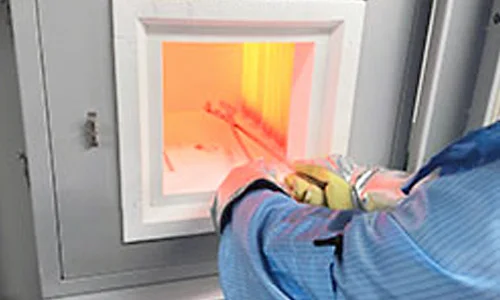
How to Safely Open a Laboratory Furnace at High Temperatures
Learn how to retrieve materials safely from a hot laboratory furnace—up to 1100°C—with modern design enhancements like lifting platforms and automated control systems.
- LaboratoryThermal ProcessingBottom-Loading FurnaceElectric Lift FurnaceFurnace Door Opening Safety2025-04-23
Table of Contents
Learn how to retrieve materials safely from a hot laboratory furnace—up to 1100°C—with modern design enhancements like lifting platforms and automated control systems.
Introduction
A laboratory furnace is a vital high-temperature tool used across materials science, ceramics, metallurgy, and 3D printing post-processing. In many scenarios, operators must open the furnace and retrieve materials while it remains at high temperatures
However, this presents clear safety and operational challenges. In this blog, we’ll walk through how to open a hot laboratory furnace safely, explore furnace design innovations that support high-temperature handling, and introduce a real-world solution: the ZYLAB High-Temperature Bottom-Loading Sintering Furnace.
Why Open a Laboratory Furnace at High Temperature?
Opening the furnace door at elevated temperatures is often necessary due to:
Time-critical sintering cycles
Controlled cooling requirements
Reactive material properties that must be processed immediately
But this action also carries risks such as:
Burns and heat exposure
Thermal shock to furnace insulation
Sensor or element degradation
Material damage due to sudden cooling
Furnace Designs That Enable Safe High-Temperature Access
One of the most reliable solutions for safe high-temp operation is a bottom-loading laboratory furnace.This furnace is specifically engineered for material handling at extreme temperatures with:
Silent electric lift for smooth vertical loading/unloading
High-temp-compatible lift design for safe access at 1100°C
Reduced heat loss since only the base is exposed—not the chamber walls
Improved operator ergonomics and reduced accident risk
1. Wear Full Protective Equipment
Heat-resistant gloves
Face shield or high-temp goggles
Thermal lab coat or apron
2. Confirm Operating Status
Check the current chamber temperature
Ensure the furnace model supports opening at this temperature
3. Open the Furnace Gradually
Activate electric lift to lower/raise platform
Maintain stable platform position to prevent material tilt
4. Use Proper Tools for Handling
High-temp tongs
Ceramic trays or fire-resistant holders
Thermal shields if needed
5. Close Furnace Promptly
Re-seal door/lift platform to resume heating if needed
Monitor for any thermal stress issues
Expert Tips for Safer High-Temp Operations
Choose a laboratory furnace designed for high-temperature opening
Use a lifting-platform model to reduce direct heat exposure
Minimize time spent with open chamber
Train staff on emergency protocols and thermal risk awareness
Perform routine maintenance on seals, lifts, and sensors
Is It Safe to Open a Laboratory Furnace at 1100°C?
Only if the furnace is specifically designed for high-temperature access and all safety measures are in place.
What Makes a Bottom-loading Furnace Safer at High Temps?
It allows loading/unloading from below, minimizing exposure to radiant heat and chamber disruption.
What Tools Should I Use for High-temp Retrieval?
Use insulated tongs, ceramic trays, and PPE. Avoid bare metal tools that conduct heat rapidly.
Conclusion
If you’re looking to improve the safety and efficiency of high-temperature operations in your lab, or want to learn more about ZYLAB’s bottom-loading furnace solutions, feel free to contact us directly. Our professional technical team is ready to answer your questions and provide the best solution tailored to your needs.
Share this entry
You might also like
Jet Milling Solutions for Binder-Free Dry Electrode Powder Preparation
The Role of Laboratory Molten Salt Furnaces in Novel Molten Salt System Development and High-Temperature Structural Material Compatibility Research
Why Large Particles Remain After Ball Milling and How to Solve It
Why Are Different Size Grinding Balls Used in a Planetary Ball Mill and How to Choose the Right Sizes?
Related ZYLAB Products
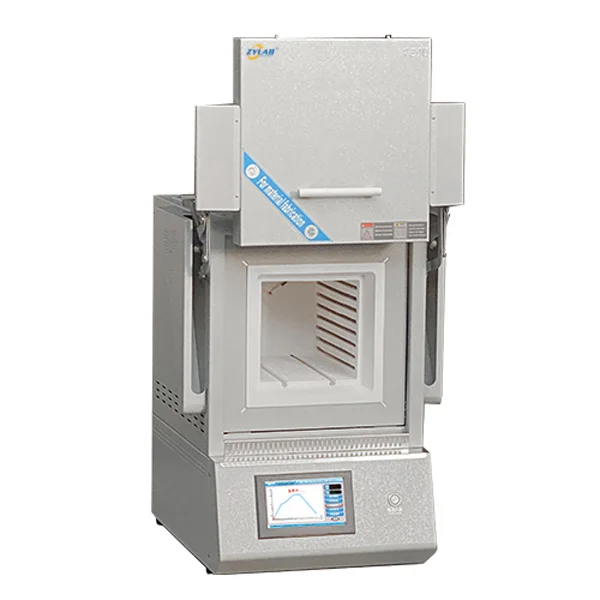
1200.C Chamber Furnace with Lift-Up Door/Opens from Bottom Up
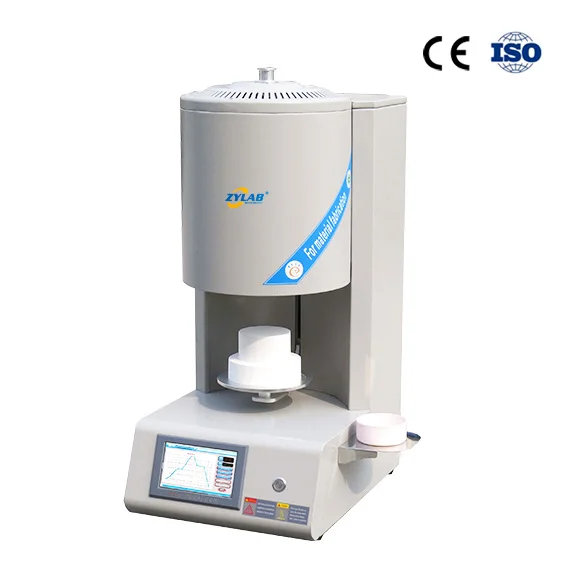
1300°C Bottom-Loading High-Temperature Furnace for Cement Research
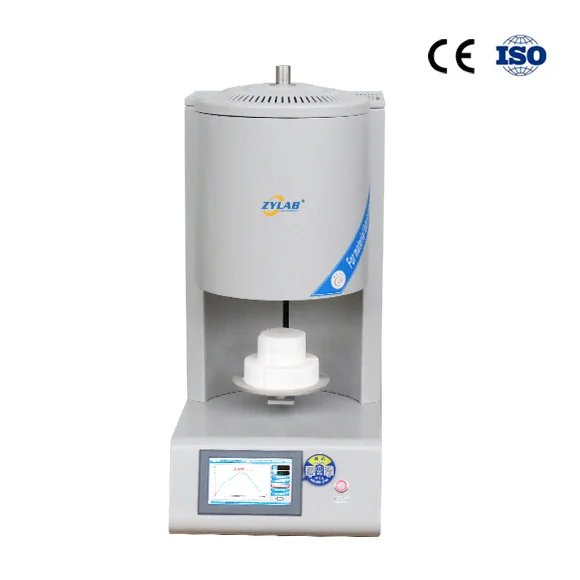
1300°C Lab Furnace with Safe Door Opening at High Temperature
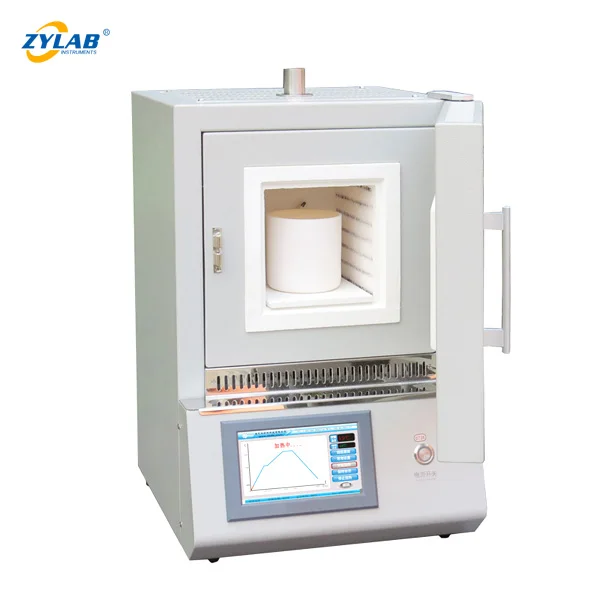
4.5L Muffle Furnace – Precision 1200°C Laboratory Furnace for Thermal Processing
Working With ZYLAB On A Project Like This
How quickly can How to Safely Open a Laboratory Furnace at High Temperatures be shipped?
Most standard ZYLAB models are held in stock. After testing and packing we normally ship How to Safely Open a Laboratory Furnace at High Temperatures within 3 to 7 days. Customised builds are scheduled after the drawing is confirmed, and we give you the date in writing before the order is placed.
Can How to Safely Open a Laboratory Furnace at High Temperatures be customised for our process?
Yes. Chamber or tube size, temperature profile, atmosphere, gas path, control system and data recording can all be adapted. Send us your process conditions and sample details and our engineers work out a configuration with you.
What warranty comes with How to Safely Open a Laboratory Furnace at High Temperatures?
Most ZYLAB products carry a 2-year warranty, glass components excluded; the exact term for this model is the one printed in its specification table and repeated on the quotation. Within the warranty period any part that fails through no misuse of your own is replaced free of charge.
Can we get technical help before ordering How to Safely Open a Laboratory Furnace at High Temperatures?
Yes, and it is free. Our technical staff help with model selection, troubleshooting, manuals and application questions whether or not you have ordered from us before. Write to [email protected] or message us on WhatsApp.
Have A Similar Requirement
Describe the material, the temperature and the throughput you need and an engineer will answer with a workable configuration.