
Precautions for Using Mini Tube Furnaces: Safe Operation Guide for High-Temperature Sintering
Using a mini tube furnace safely requires careful attention to pressure control, gas flow, temperature calibration, and material purity. Following these precautions will help you achieve reliable high-temperature sintering results, protect the furnace from damage, and maintain a safe laboratory envi
- LaboratoryThermal ProcessingHigh-temperature sinteringLaboratory FurnaceMini Tube Furnace2025-11-05
Table of Contents
The ZYLAB mini tube furnaces are essential equipment in modern laboratories and research facilities, widely used for high-temperature sintering, annealing, and material processing. These laboratory furnaces offer precise temperature control and a compact design, but safe and effective operation is crucial to prevent equipment damage and ensure consistent results. This article outlines key precautions and best practices for using a mini tube furnace.
Correct Placement of Samples and Insulation Plugs
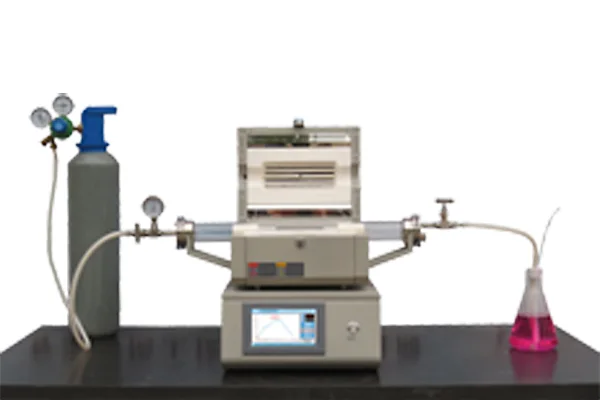
Before starting the furnace, ensure that the samples are properly placed inside the tube. Both insulation plugs must be inserted in the correct positions to maintain thermal efficiency and prevent heat loss. Use a low-pressure regulator as shown in the diagram (refer to your manual for proper connection).
Gas Flow and Pressure Settings
Adjust the pressure regulator to a relative pressure ≤ 0.05 MPa.
Open the inlet valve and monitor the absolute pressure gauge at the gas inlet.
When the tube’s absolute pressure reaches ≥ 0.1 MPa, fully open the exhaust valve.
Adjust the gas flow and observe the bubbles. Under normal protective atmosphere, a bubble rate of 5–60 bubbles per minute is recommended.
Monitoring During the Sintering Process
During sintering, continuously observe the exhaust side for bubbles:
If no bubbles appear, it may indicate a blockage at the exhaust due to contamination – stop the furnace and clean immediately.
Or insufficient gas supply – replace the gas cylinder as needed.
Important: Never continue operation if the exhaust is blocked, as this can damage the quartz or alumina tube.
Maintaining Safe Pressure in High-Temperature Tubes
When using high-purity quartz tubes or alumina tubes at high temperatures, keep the absolute pressure inside the tube between 0.05 MPa and 0.15 MPa. Exceeding this range increases the risk of tube breakage and furnace damage.
Accurate Temperature Measurement
The displayed temperature on the mini tube furnace may differ from the actual temperature at the sample point. Use the temperature calibration port with a handheld thermometer to verify the real-time temperature at various sintering stages, ensuring precise control for high-temperature sintering experiments.
Avoid Contamination From Alkali Metal Ions
Alkali metal ions such as K, Na, Li, Ca, and Mg can crystallize at high temperatures, causing serious damage to quartz tubes. Always ensure your samples are free from these contaminants before sintering.
Programming the Sintering Curve
Set the sintering program in minutes using the format:
“Start Temperature – Sintering Time – Target Temperature”
After completing the curve setup, enter “END” for the designated time period to finalize the program. Proper programming ensures consistent sintering results and extends the life of your laboratory furnace.
Conclusion
Using a mini tube furnace safely requires careful attention to pressure control, gas flow, temperature calibration, and material purity. Following these precautions will help you achieve reliable high-temperature sintering results, protect the furnace from damage, and maintain a safe laboratory environment. Regular inspection and proper operation are key to maximizing the lifespan and performance of your laboratory tube furnace.
Share this entry
You might also like
Applications of Box Furnaces
Tube Furnace Guide: Models, Applications & Custom Options
What Is a Muffle Furnace? A Complete Guide for Researchers and Engineers
Porcelain Furnace
Related ZYLAB Products
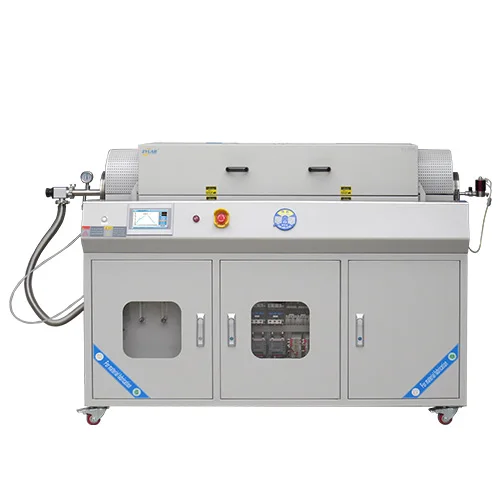
Multi-Zone High Temperature Quartz Tube Annealing Furnace for Wafer Processing
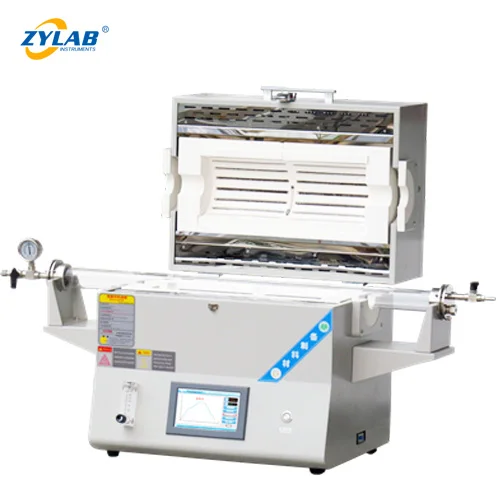
Customizable Tube Furnace with Gas Control System – Precision Atmosphere Processing
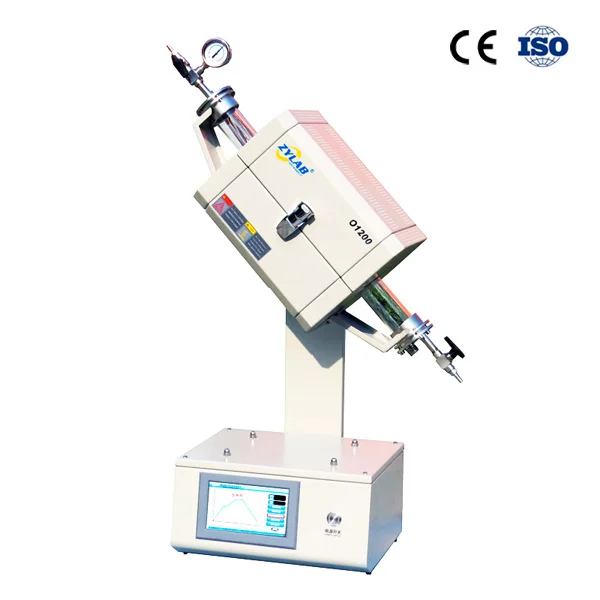
Split-Type Tube Furnace with Stand for Horizontal or Vertical Operation | 1200°C Max Temperature
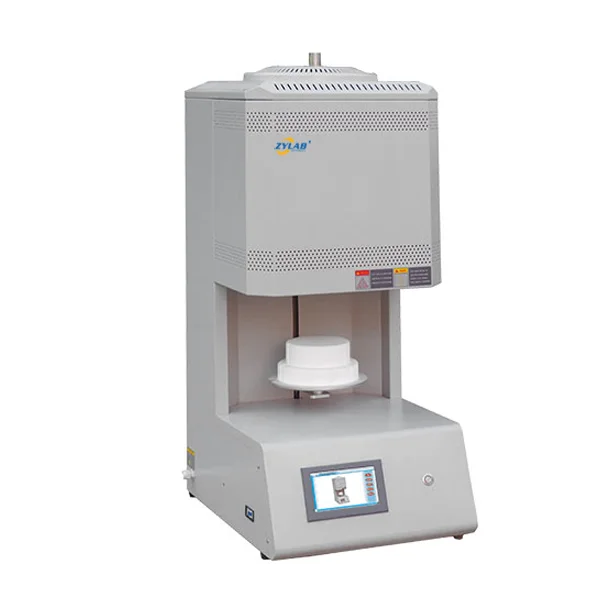
Large-Capacity Bottom-Loading Furnace with Precision Temperature Control for Sintering Applications
Working With ZYLAB On A Project Like This
Can Precautions for Using Mini Tube Furnaces: Safe Operation Guide for Hig be customised for our process?
Yes. Chamber or tube size, temperature profile, atmosphere, gas path, control system and data recording can all be adapted. Send us your process conditions and sample details and our engineers work out a configuration with you.
How quickly can Precautions for Using Mini Tube Furnaces: Safe Operation Guide for Hig be shipped?
Most standard ZYLAB models are held in stock. After testing and packing we normally ship Precautions for Using Mini Tube Furnaces: Safe Operation Guide for Hig within 3 to 7 days. Customised builds are scheduled after the drawing is confirmed, and we give you the date in writing before the order is placed.
How is Precautions for Using Mini Tube Furnaces: Safe Operation Guide for Hig packed for export?
Packing is chosen for the safety of the machine against freight cost, typically a plywood or wooden crate with internal padding and vacuum-sealed accessories. Export documents such as Form A, Form E and Form F can be issued to help you save duty.
Can you supply items that are not on this page?
Yes. We have access to the complete lines of most of our suppliers and build custom equipment in our own factory, so tell us what the experiment needs and we will source or make it.
Have A Similar Requirement
Describe the material, the temperature and the throughput you need and an engineer will answer with a workable configuration.