
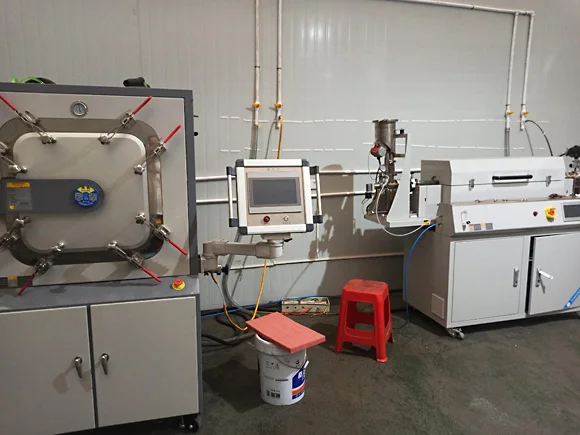
How to Use a Vacuum Atmosphere Muffle Furnace for Sintering Silicon Carbide Components
In this blog, we will explore how to effectively sinter silicon carbide components using a vacuum atmosphere muffle furnace, the key benefits of this process, and why ZYLAB’s furnaces are trusted by professionals across various industries.
- LaboratoryThermal ProcessingAtmosphere Controlled Muffle FurnaceHigh Temperature Furnace for Silicon CarbideHigh Temperature Vacuum Furnace2025-03-13
Table of Contents
Silicon carbide (SiC) components are revolutionizing industries that demand high performance, durability, and efficiency. Whether used in advanced electronics, high-temperature-resistant devices, or semiconductor applications, SiC materials offer exceptional advantages. However, achieving high-quality sintered SiC components presents unique challenges—this is where a vacuum atmosphere muffle furnace becomes essential.
In this blog, we will explore how to effectively sinter silicon carbide components using a vacuum atmosphere muffle furnace, the key benefits of this process, and why ZYLAB’s furnaces are trusted by professionals across various industries.
The Importance of Sintering Silicon Carbide (SiC)
Silicon carbide (SiC) is a cutting-edge material known for its high thermal conductivity, excellent mechanical strength, and outstanding chemical stability. These properties make SiC a preferred material in:
- Power electronics
- High-temperature industrial equipment
- Aerospace components
- Semiconductors and nuclear industry applications
However, manufacturing high-performance SiC devices isn’t easy. The sintering process requires strict control over oxygen content, atmosphere purity, and crystal defect reduction to achieve the desired density and performance standards. Traditional furnaces often struggle to meet these demands, making the vacuum atmosphere muffle furnace the optimal solution.
1. Vacuum and Atmosphere Control Technology
A vacuum atmosphere muffle furnace offers precise control over the internal environment, eliminating oxygen and unwanted gases. This reduces oxidation risk, minimizes impurities, and enhances product consistency.
2. Temperature Uniformity
Uniform heating is critical for SiC component sintering. A vacuum muffle furnace ensures even temperature distribution, improving densification and mechanical strength while reducing the chance of cracks or structural defects.
3. Advanced Temperature Control System
With multi-stage temperature programming, including low-pressure sintering stages, temperature holding, and gradual cooling, the furnace adapts to various sintering curve requirements—helping achieve better microstructure control and optimal material properties.
Key Advantages of Sintering SiC Components in a Vacuum Atmosphere Muffle Furnace
- Improved Material Purity and Mechanical Properties
The vacuum environment reduces contamination, resulting in high-purity SiC components with excellent strength and durability.
- Lower Porosity and Higher Densification
Controlled atmosphere sintering decreases porosity, enhancing density and toughness, which leads to better thermal conductivity and superior electrical insulation.
- Versatility for High-End Applications
Sintered SiC components are ideal for semiconductors, aerospace components, nuclear reactors, and other high-demand fields due to their reliable performance.
ZYLAB Vacuum Atmosphere Muffle Furnaces: Optimized for SiC Sintering
ZYLAB’s vacuum atmosphere muffle furnaces are engineered for precision, reliability, and customization, making them the preferred choice for sintering silicon carbide.
Why Choose ZYLAB?
- Accurate Temperature Control – Multi-zone heating and PID control ensure consistent sintering quality.
- High Purity Environments – Maintain low oxygen levels to prevent oxidation and contamination.
- Customizable Solutions – ZYLAB offers tailored furnace designs for specific SiC sintering requirements.
Step-by-Step Sintering Process
- Vacuum Pumping – Remove air to create a vacuum environment.
- Introduce Protective or Reducing Gases – Typically high-purity nitrogen or argon to prevent oxidation.
- Multi-Stage Heating Sintering – Gradual ramp-up with precisely controlled temperature curves.
Optimization Recommendations
- Control Heating Rate – Avoid thermal shock by using slow ramp rates.
- Monitor and Maintain Pressure Stability – Ensure high-purity atmosphere and low oxygen levels.
- Maintain Vacuum Integrity – Regularly inspect and service seals and components to ensure airtight performance.
1. Why Use a Vacuum Atmosphere for Sintering SiC Components?
A vacuum atmosphere eliminates oxygen, reducing oxidation risk and enhancing the purity and strength of the final product.
2. How to Ensure SiC Components Are Dense and Crack-free After Sintering?
By using precise temperature control, uniform heating, and optimal atmosphere pressure, a vacuum atmosphere furnace promotes uniform grain growth and densification.
3. What’s the Difference Between a Vacuum Atmosphere Muffle Furnace and a Conventional Furnace?
A vacuum atmosphere furnace offers controlled environments, better purity, and more consistent sintering outcomes, whereas traditional furnaces lack this level of precision and control.
Conclusion
For manufacturers and researchers aiming to produce high-performance silicon carbide components, a vacuum atmosphere muffle furnace is a must-have. The ability to precisely control temperature and atmosphere ensures superior material properties, high purity, and consistent product quality.
ZYLAB vacuum atmosphere muffle furnaces provide advanced features, reliable performance, and custom solutions for your sintering needs.
Contact ZYLAB now to explore tailored equipment and elevate your production process!
Share this entry
You might also like
Advancing Key Material Research with Ultrasonic Atomization CVD
Heat Treatment Part 8: Solution Treatment
Powder Metallurgy Part 5 — Post-Processing and Performance Testing
Powder Metallurgy Part 4 — Sintering: From Fragile to Dense
Related ZYLAB Products
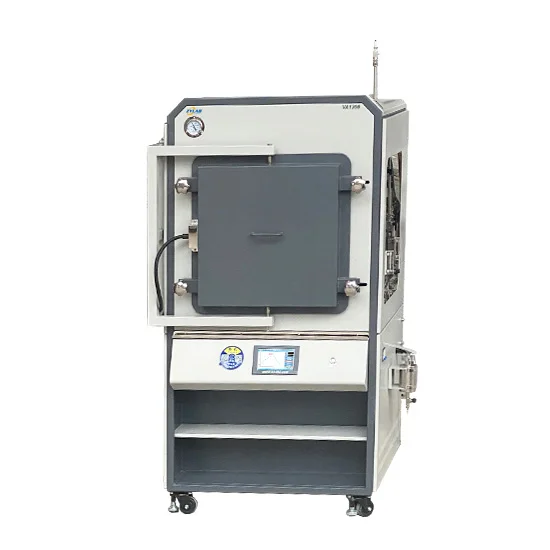
Vacuum Atmosphere Muffle Furnace for Titanium Diffusion Welding with Argon Purging and Mild Vacuum Control
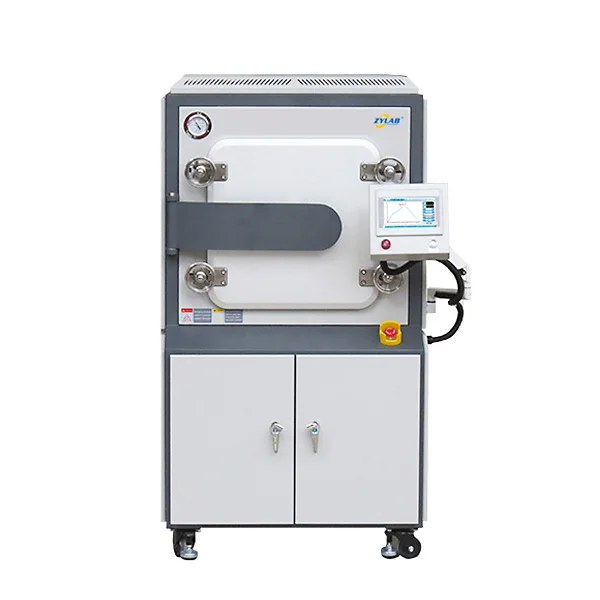
1200°C 27L Vacuum Atmosphere Muffle Furnace for Heat Treatment
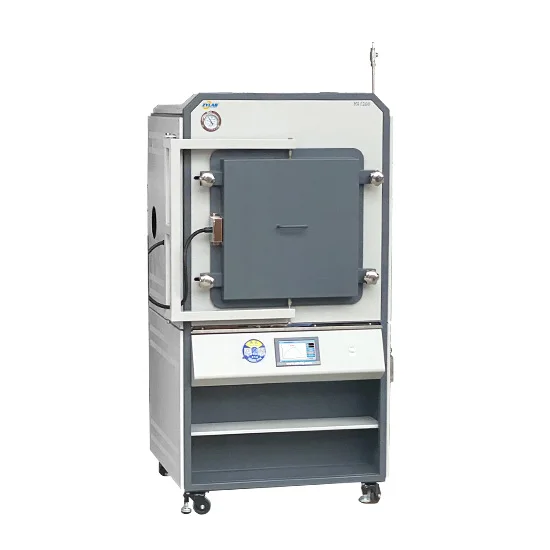
Vacuum Atmosphere Muffle Furnace with Five-Sided Heating, 64L Chamber
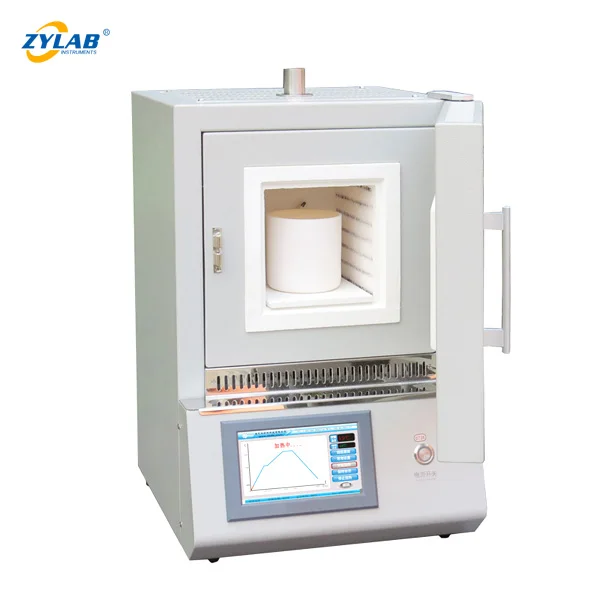
4.5L Muffle Furnace – Precision 1200°C Laboratory Furnace for Thermal Processing
Working With ZYLAB On A Project Like This
Can How to Use a Vacuum Atmosphere Muffle Furnace for Sintering Silicon Ca be customised for our process?
Yes. Chamber or tube size, temperature profile, atmosphere, gas path, control system and data recording can all be adapted. Send us your process conditions and sample details and our engineers work out a configuration with you.
How quickly can How to Use a Vacuum Atmosphere Muffle Furnace for Sintering Silicon Ca be shipped?
Most standard ZYLAB models are held in stock. After testing and packing we normally ship How to Use a Vacuum Atmosphere Muffle Furnace for Sintering Silicon Ca within 3 to 7 days. Customised builds are scheduled after the drawing is confirmed, and we give you the date in writing before the order is placed.
How is How to Use a Vacuum Atmosphere Muffle Furnace for Sintering Silicon Ca packed for export?
Packing is chosen for the safety of the machine against freight cost, typically a plywood or wooden crate with internal padding and vacuum-sealed accessories. Export documents such as Form A, Form E and Form F can be issued to help you save duty.
Can you supply items that are not on this page?
Yes. We have access to the complete lines of most of our suppliers and build custom equipment in our own factory, so tell us what the experiment needs and we will source or make it.
Have A Similar Requirement
Describe the material, the temperature and the throughput you need and an engineer will answer with a workable configuration.