
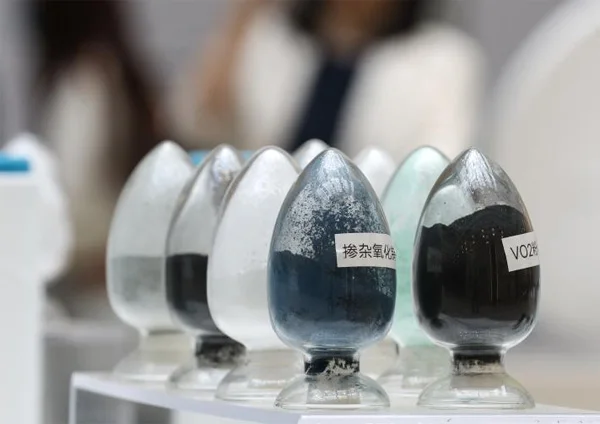
Powder Mixing in Laboratory Battery Research: Methods, Challenges, and Best Practices
As battery materials become increasingly complex—often involving multi-component systems with large density and particle size differences—powder mixing has become a critical yet frequently underestimated step in laboratory workflows. This article explores common powder mixing challenges in battery r
- Mixingbattery material powder mixingbattery materials preparationelectrode powder mixinglaboratory battery research2025-12-26
Table of Contents
In laboratory-scale battery research, the performance, consistency, and reliability of experimental results are strongly influenced by how well powder materials are mixed. Whether developing new cathode and anode materials, solid-state electrolytes, or conductive composites, researchers rely on homogeneous powder mixing to ensure accurate electrochemical evaluation and reproducible data.
As battery materials become increasingly complex—often involving multi-component systems with large density and particle size differences—powder mixing has become a critical yet frequently underestimated step in laboratory workflows. This article explores common powder mixing challenges in battery research, suitable laboratory mixing methods, and best practices to achieve consistent and reproducible results.
Why Powder Mixing Is Critical in Battery Research
Battery electrode and electrolyte materials are typically composed of multiple powder components, such as:
Active materials (e.g., NMC, LFP, LCO, silicon, graphite)
Conductive additives (carbon black, CNTs, graphene)
Solid electrolytes or functional fillers
Dopants or surface-modifying agents
Even small inhomogeneities in powder distribution can lead to:
Localized variations in electrochemical performance
Inconsistent capacity, rate capability, or cycle life
Poor reproducibility between experimental batches
Misinterpretation of material properties during research
For laboratory researchers, achieving uniform powder mixing without altering particle structure or chemistry is essential.
Density and Particle Size Differences
Battery powders often vary widely in density and particle size. For example, lightweight conductive carbon additives tend to segregate easily when mixed with heavier metal oxide active materials.
Agglomeration of Fine Powders
Nano-scale or sub-micron powders, such as carbon black or solid electrolytes, are prone to agglomeration due to van der Waals forces, making uniform dispersion difficult.
Sensitivity to Mechanical Stress
Many battery materials are sensitive to excessive shear or impact. High-energy mixing may cause particle fracture, surface damage, or unintended changes in crystal structure.
Moisture and Air Sensitivity
Certain battery materials—especially lithium-containing compounds and solid electrolytes—are highly sensitive to moisture and oxygen, requiring controlled or sealed mixing environments.
Laboratory Powder Mixing Methods for Battery Research
Several mixing techniques are commonly used in battery research laboratories, each with distinct advantages and limitations.
Ball Milling
Ball milling provides intensive mixing and particle size reduction, but it may introduce contamination, excessive heat, or unwanted structural changes. It is more suitable for mechanical alloying than simple blending.
Mortar and Pestle
Manual mixing is simple but lacks reproducibility and is unsuitable for multi-component systems or systematic research studies.
V-Type or Tumble Mixers
These mixers offer low-shear mixing but may struggle with density-driven segregation in complex battery powder formulations.
Lab-Scale 3D Shaker Mixers
Lab-scale 3D shaker mixers use gentle three-dimensional motion to continuously reorient powder materials, enabling uniform mixing without high mechanical stress. This makes them particularly suitable for battery research applications where powder integrity and reproducibility are critical.
Advantages of 3D Shaker Mixing for Battery Materials
Uniform dispersion of conductive additives without damaging active materials
Low shear and low heat generation, preserving particle morphology
Reduced segregation in multi-density powder systems
Sealed container operation, compatible with inert gas or glove box workflows
Excellent batch-to-batch reproducibility, ideal for academic and industrial R&D
These characteristics make 3D shaker mixing especially attractive for preparing electrode powders, solid electrolyte blends, and composite battery materials at laboratory scale.
Select Appropriate Containers
Use containers made of stainless steel, PTFE, or antistatic polymers. For moisture-sensitive materials, ensure containers are well sealed and compatible with inert gas purging.
Optimize Fill Ratio
A fill level of 30–70% of container volume typically provides effective powder movement and mixing uniformity.
Control Mixing Time and Intensity
Start with short mixing times (e.g., 5–15 minutes) and adjust based on material behavior. Avoid excessive mixing energy that may cause particle damage or segregation.
Consider Atmosphere Control
For air- or moisture-sensitive battery materials, mixing can be performed in sealed containers under argon or nitrogen, or inside a glove box environment.
Verify Mixing Homogeneity
Analytical methods such as SEM/EDS, particle size analysis, or electrochemical consistency testing can be used to confirm uniform powder distribution.
Applications in Battery Research Laboratories
Laboratory powder mixing is widely used in:
Cathode and anode material development
Solid-state battery research
Conductive additive dispersion studies
Composite electrode formulation
Screening and optimization of new battery chemistries
Reliable powder mixing directly contributes to faster material screening, improved data quality, and more meaningful research conclusions.
Conclusion
Powder mixing is a foundational step in laboratory battery research, directly influencing electrochemical performance and experimental reproducibility. Choosing the right mixing method—particularly low-shear, reproducible solutions such as lab-scale 3D shaker mixers—can significantly improve material preparation quality while preserving powder integrity.
By adopting best practices in container selection, mixing parameters, and atmosphere control, researchers can ensure consistent and reliable powder formulations, supporting high-quality battery research and development.
Share this entry
You might also like
Why Does CVD Have Better Step Coverage Than PVD?
Which one is better, CVD or PVD?
Understanding Tube Furnace Temperatures: Medium vs. High-Temperature Applications
How Does a Tube Furnace Work? A Comprehensive Guide
Related ZYLAB Products
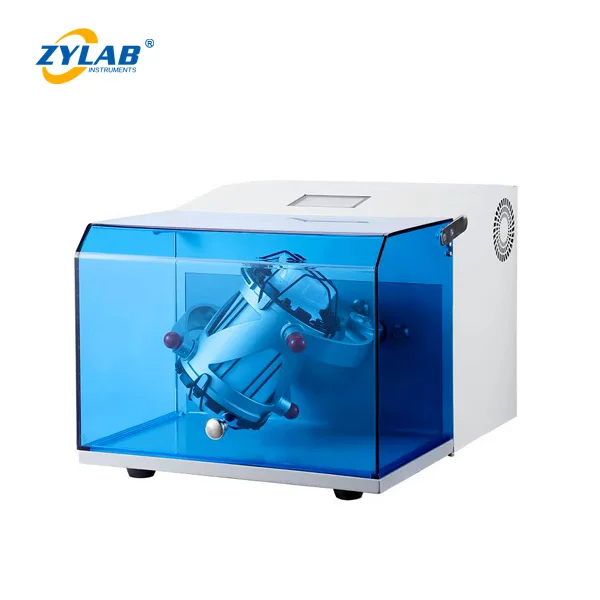
2L Laboratory High-Performance 3D Shaker Mixer for Rapid and Uniform Small Batch Powder Mixing
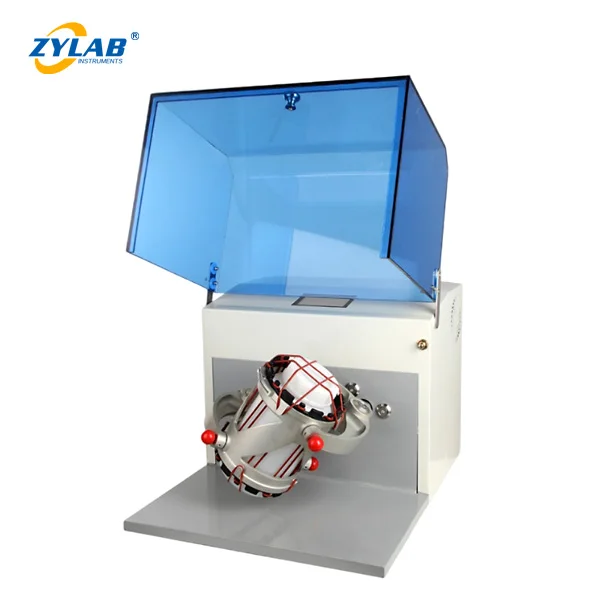
ZYLAB 3D Tumbler Mixer | Laboratory Powder Mixing Equipment
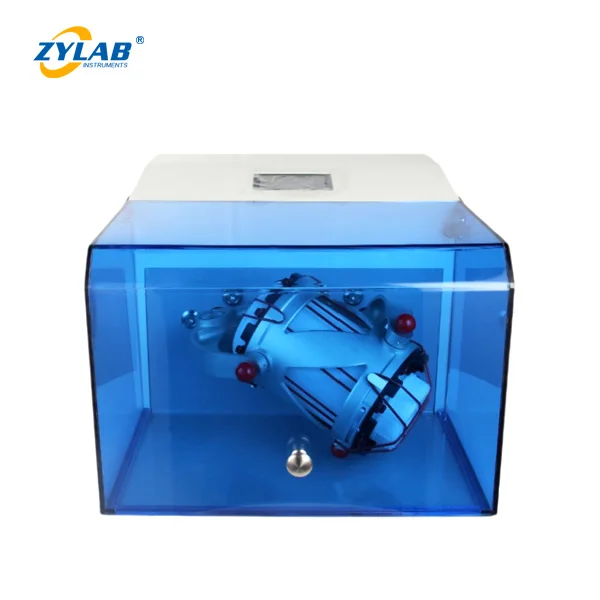
2L Bench-Top 3D Powder Mixer – Uniform Mixing for Laboratory Powders
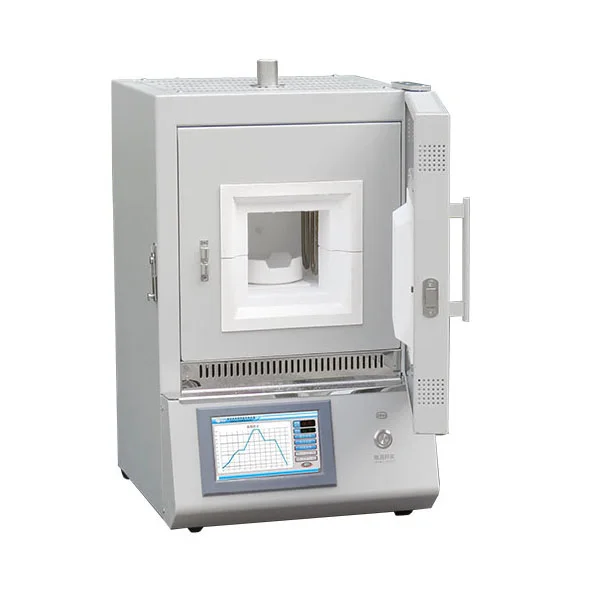
Premium High-temp Sintering Furnace for Ceramics, Metal Powder & Material Research
Working With ZYLAB On A Project Like This
Can Powder Mixing in Laboratory Battery Research: Methods, Challenges, and be customised for our process?
Yes. Chamber or tube size, temperature profile, atmosphere, gas path, control system and data recording can all be adapted. Send us your process conditions and sample details and our engineers work out a configuration with you.
What warranty comes with Powder Mixing in Laboratory Battery Research: Methods, Challenges, and?
Most ZYLAB products carry a 2-year warranty, glass components excluded; the exact term for this model is the one printed in its specification table and repeated on the quotation. Within the warranty period any part that fails through no misuse of your own is replaced free of charge.
How can we pay for Powder Mixing in Laboratory Battery Research: Methods, Challenges, and?
Bank (wire) transfer, letter of credit for larger orders, major credit and debit cards, and PayPal. Bank details are printed on the invoice; send us the transfer confirmation and we start processing straight away.
How is Powder Mixing in Laboratory Battery Research: Methods, Challenges, and packed for export?
Packing is chosen for the safety of the machine against freight cost, typically a plywood or wooden crate with internal padding and vacuum-sealed accessories. Export documents such as Form A, Form E and Form F can be issued to help you save duty.
Have A Similar Requirement
Describe the material, the temperature and the throughput you need and an engineer will answer with a workable configuration.