Types and Characteristics of Electric Furnaces Commonly Used in Laboratories
By understanding the types of electric furnaces available and their characteristics, laboratory personnel can select the best furnace for their specific application.
- LaboratoryAnnealing FurnaceAshing FurnacesBottom Loading FurnaceBox Furnaces2023-05-04
Table of Contents
Electric furnaces are an essential tool in laboratory settings for heating and processing samples. They come in a variety of types, each with its own unique features and capabilities.
In this post, we will discuss the most common types of electric furnaces used in laboratories and their characteristics.
Muffle Furnaces Are Widely Used in Laboratories for Heating Materials to High Temperatures in a Controlled Atmosphere.
They are constructed with an insulated chamber to minimize heat loss and a heating element located outside of the chamber that heats the air inside. Samples are placed inside a ceramic or refractory metal container, which is then placed inside the chamber.
Muffle furnaces are ideal for heat treating, annealing, and calcining materials, and they can reach temperatures up to 1700°C.
Tube Furnaces Are a Type of Muffle Furnace That Is Designed for Heating Materials in Cylindrical or Tube-shaped Containers.
They have a quartz or ceramic tube with a heating element wrapped around it. Samples are placed inside the tube, and the temperature is controlled by adjusting the heating element’s power output.
Tube furnaces are ideal for heating samples that require a uniform temperature distribution, and they can reach temperatures up to 1700°C.
Box Furnaces Are Similar to Muffle Furnaces, But They Are Larger and More Versatile.
They have a rectangular chamber with a heating element that surrounds it, allowing for a more even distribution of heat.
Box furnaces are ideal for materials testing, ashing, and heat treating, and they can reach temperatures up to 1700°C.
Crucible Furnaces Are Designed for Melting and Heating Metals and Alloys.
They have a cylindrical chamber with a heating element that surrounds the crucible. Samples are placed inside the crucible, which is then heated to high temperatures to melt the material.
Crucible furnaces are ideal for metal casting, alloy production, and metallurgical analysis, and they can reach temperatures up to 1700°C.
Bottom Loading Furnaces Are Often Used for Heat Treating, Sintering, and Annealing Applications.
As its name suggests, this furnace has a loading chamber at the bottom, which allows for easy loading and unloading of samples.
Bottom loading furnaces offer several advantages over other types of furnaces. They are easy to load and unload, offer good temperature uniformity, and provide efficient thermal insulation. These features make bottom loading furnaces ideal for a wide range of laboratory and industrial applications.
Ashing Furnaces Are Used for the Complete Combustion of Organic Samples.
They have a chamber with a heating element that provides a high-temperature, oxygen-rich environment for complete sample combustion.
Ashing furnaces are ideal for the determination of ash content in organic samples, and they can reach temperatures up to 1100°C.
Electric furnaces are essential tools for many laboratory applications.
By understanding the types of electric furnaces available and their characteristics, laboratory personnel can select the best furnace for their specific application.
Share this entry
You might also like
Applications of Box Furnaces
Tube Furnace Guide: Models, Applications & Custom Options
What Is a Muffle Furnace? A Complete Guide for Researchers and Engineers
Porcelain Furnace
Related ZYLAB Products
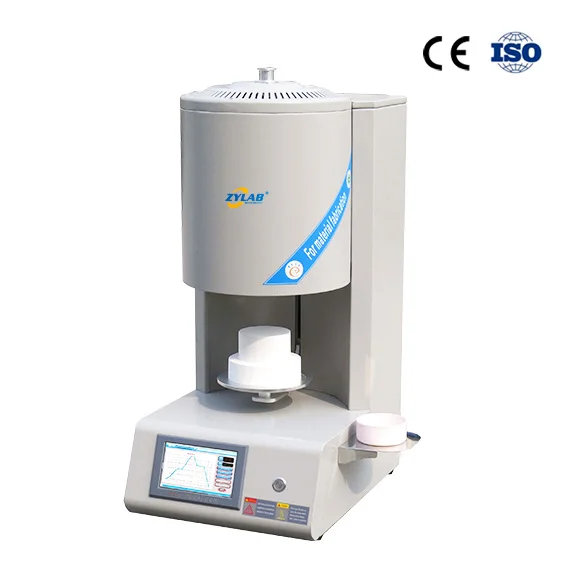
1300°C Bottom-Loading High-Temperature Furnace for Cement Research
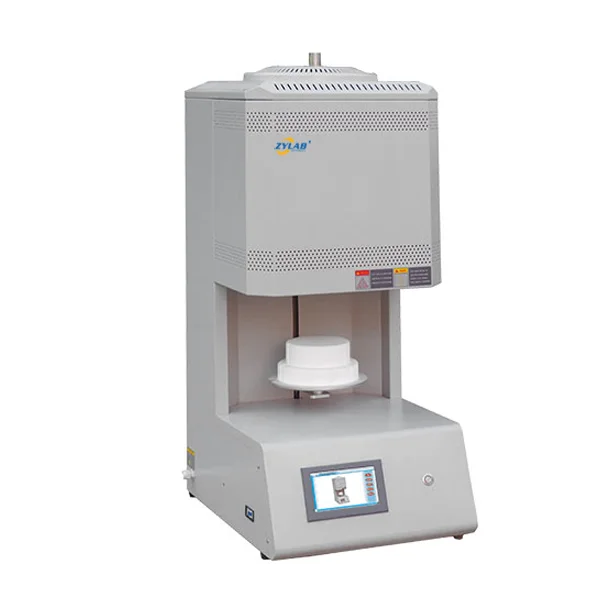
Large-Capacity Bottom-Loading Furnace with Precision Temperature Control for Sintering Applications
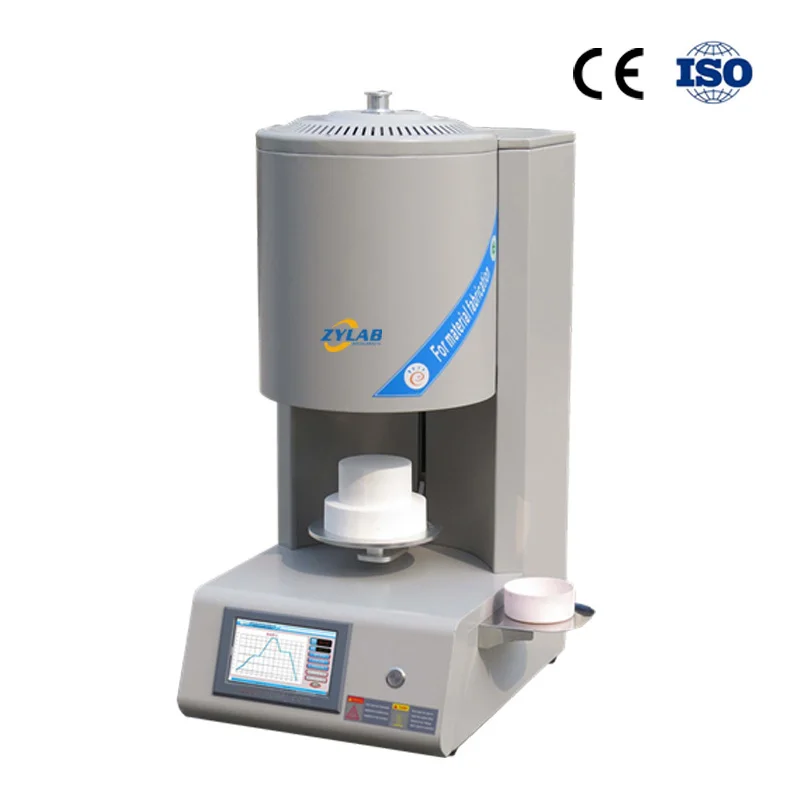
Bottom Loading Lab Sintering Furnace 1600°C
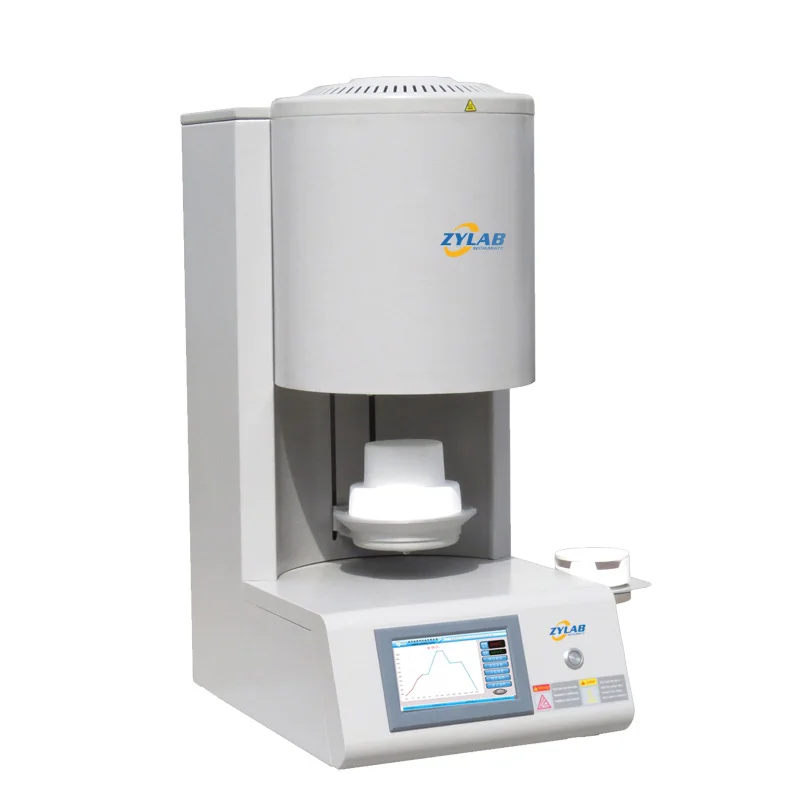
High-Temperature Bottom Loading Sintering Furnace – Precision Sintering with Convenient Material Handling
Working With ZYLAB On A Project Like This
How quickly can Types and Characteristics of Electric Furnaces Commonly Used in Labora be shipped?
Most standard ZYLAB models are held in stock. After testing and packing we normally ship Types and Characteristics of Electric Furnaces Commonly Used in Labora within 3 to 7 days. Customised builds are scheduled after the drawing is confirmed, and we give you the date in writing before the order is placed.
Is there a minimum order quantity for Types and Characteristics of Electric Furnaces Commonly Used in Labora?
No. ZYLAB has no minimum order requirement, so a single unit of Types and Characteristics of Electric Furnaces Commonly Used in Labora is a normal order. Occasionally a component supplier imposes a minimum quantity of their own, and we tell you as soon as we are notified.
Can we get technical help before ordering Types and Characteristics of Electric Furnaces Commonly Used in Labora?
Yes, and it is free. Our technical staff help with model selection, troubleshooting, manuals and application questions whether or not you have ordered from us before. Write to [email protected] or message us on WhatsApp.
What if Types and Characteristics of Electric Furnaces Commonly Used in Labora is damaged in transit?
Contact your ZYLAB sales engineer immediately with photographs. We arrange a substitute delivery promptly and handle the claim with the carrier.
Have A Similar Requirement
Describe the material, the temperature and the throughput you need and an engineer will answer with a workable configuration.