Equipment Selection Guide for Powder Metallurgy Sintering: Why Choose a Bottom-Loading Sintering Furnace for Large-Size Workpieces?
Choosing the right sintering equipment is key to ensuring uniform heating, safe handling, and high precision for these large-scale components. In this guide, we explore why a bottom-loading sintering furnace is the ideal choice for large workpiece sintering applications.
- LaboratoryThermal ProcessingAdvanced Sintering Furnace for Heavy WorkpiecesBottom-Loading Furnace for CeramicsBottom-Loading Furnace for Heavy Workpieces2025-03-17
Introduction
In the powder metallurgy (PM) industry, sintering is a crucial process that determines the final properties and performance of metal and ceramic components. As the industry evolves, there’s an increasing demand for large-size and complex-shaped workpieces, especially in fields such as aerospace, energy, and automotive industries.
Choosing the right sintering equipment is key to ensuring uniform heating, safe handling, and high precision for these large-scale components. In this guide, we explore why a bottom-loading sintering furnace is the ideal choice for large workpiece sintering applications.
The Challenge of Sintering Large Workpieces in Powder Metallurgy
As powder metallurgy expands into new applications, manufacturers are increasingly required to produce large components, such as:
- Structural parts for aerospace and automotive
- Large hard alloy dies and molds
- Complex-shaped ceramic and composite parts
- Heavy magnetic materials blocks
These large and heavy workpieces bring specific challenges to the sintering process, including:
- Safe and stable loading/unloading without damaging the component
- Uniform temperature distribution to prevent internal stress or deformation
- High-strength supporting systems for heavy payloads
- Protection against thermal stress during heating and cooling cycles
Why Choose a Bottom-Loading Sintering Furnace for Large Workpieces?
A bottom-loading sintering furnace offers structural and functional advantages that directly address the challenges of sintering large or heavy components.
1. Easy and Safe Loading of Large-Size Materials
The bottom-loading design incorporates a screw-driven lifting platform that lowers to ground level for easy and ergonomic loading of large workpieces. Key advantages include:
- Stable lifting mechanism prevents tilting, reducing the risk of component damage
- Smooth and precise elevation ensures accurate positioning inside the furnace
- Operators can load heavy or oversized materials without manual lifting, improving safety and efficiency
This makes bottom-loading furnaces especially suitable for large-diameter and high-mass components that are difficult to handle in traditional horizontal-loading designs.
2. Large Furnace Chamber to Accommodate Oversized Workpieces
Unlike standard sintering furnaces, bottom-loading models typically feature larger chamber volumes, designed specifically to fit large single components rather than multiple small parts.
For example, ZYLAB’s bottom-loading sintering furnaces offer chambers with diameters up to Φ380mm and heights of 220mm, providing ample space for bulkier items.
3. Uniform Temperature Distribution for Quality and Precision
Large workpieces require consistent and uniform heating to avoid thermal gradients that lead to internal stress or warping. Bottom-loading furnaces deliver:
- Advanced multi-zone temperature control with uniformity up to ±1°C
- Optimized heating element arrangement to ensure even heat transfer
- Precise control of heating, soaking, and cooling rates, critical for dense and crack-free sintering of large components
4. Superior Thermal Insulation for Energy Efficiency
The furnace chamber is lined with lightweight alumina refractory insulation materials, which offer:
- Excellent thermal insulation, reducing heat loss
- High-temperature stability, capable of continuous operation up to 1650°C
- Energy efficiency, making the furnace both cost-effective and environmentally friendly
5. Corrosion-Resistant Options for Complex Materials
When sintering reactive powders or materials that release corrosive vapors, ZYLAB’s furnaces can be equipped with protective liners to prevent chamber corrosion and extend furnace life. This is especially important when working with:
- Nickel-based superalloys
- Rare earth magnetic materials
- Hard alloy tools
6. User-Friendly Operation with Intelligent Control Systems
ZYLAB bottom-loading sintering furnaces feature:
- Touchscreen interfaces for intuitive operation
- Real-time temperature monitoring and curve display
- PLC control for fully automated heating programs
- Safe and reliable lifting systems driven by precision ball screws, offering low noise and smooth operation
These systems minimize human error and increase process consistency, making them ideal for R&D laboratories and industrial production lines alike.
Typical Applications of Bottom-Loading Sintering Furnaces
While ideal for powder metallurgy, bottom-loading sintering furnaces are widely used in industries requiring large-size component sintering, such as:
- Advanced ceramics for aerospace
- Hard alloy molds and tools
- Magnetic blocks (NdFeB, SmCo)
- Energy and power components, including fuel cells
- Metal matrix composites (MMC)
- 3D printed metal parts (Additive Manufacturing post-processing)
How to Select the Right Bottom-Loading Sintering Furnace for Large Workpieces?
When choosing the right furnace for large-size workpieces, focus on these key factors:
| Specification | Selection Criteria |
|---|---|
| Max Temperature | 1200°C, 1500°C, or 1700°C based on material |
| Continuous Temperature | 1150°C – 1650°C for long sintering cycles |
| Chamber Size | Must fit your largest workpiece (e.g., Φ380×220mm) |
| Load Capacity | Lifting platform designed for heavy parts |
| Heating Rate | ≤20°C/min to avoid thermal shock |
| Control System | PLC with data logging & temperature profiling |
| Optional Features | Protective liners, inert gas/vacuum atmosphere |
Conclusion
When it comes to sintering large and complex powder metallurgy components, a bottom-loading sintering furnace provides unmatched benefits in terms of safe material handling, uniform heating, and large chamber capacity.
Whether you’re producing large hard alloy tools, advanced ceramics, or magnetic materials, bottom-loading furnaces from ZYLAB deliver precision, reliability, and ease of use, making them the preferred choice for modern powder metallurgy applications.
Contact ZYLAB today to explore customizable furnace solutions tailored to your large workpiece sintering needs.
Share this entry
You might also like
Supplying Lab Scale Jet Mill to a Leading U.S. Cement R&D Company
Exhaust Gas Treatment Solutions for High-Temperature Furnaces
Heat Treatment Part 9: Aging Treatment
Powder Material Fibrillation: Mechanisms, Applications, and Research Trends
Related ZYLAB Products
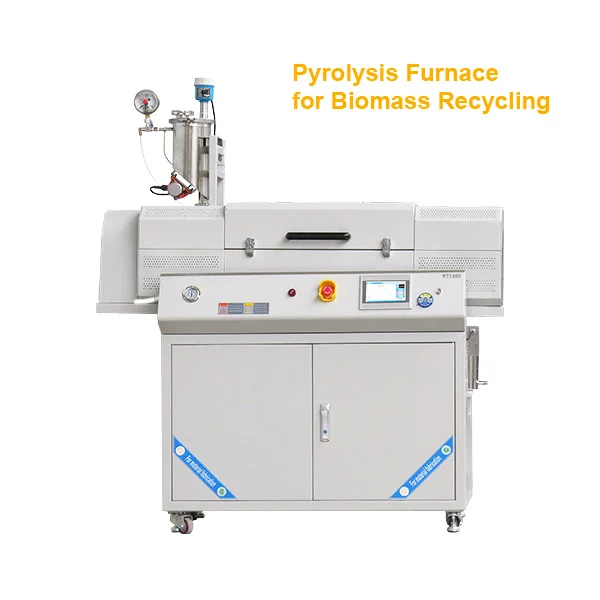
Advanced Continuous Pyrolyzers for Biomass and Organic Solid Waste Thermal Processing & Sintering
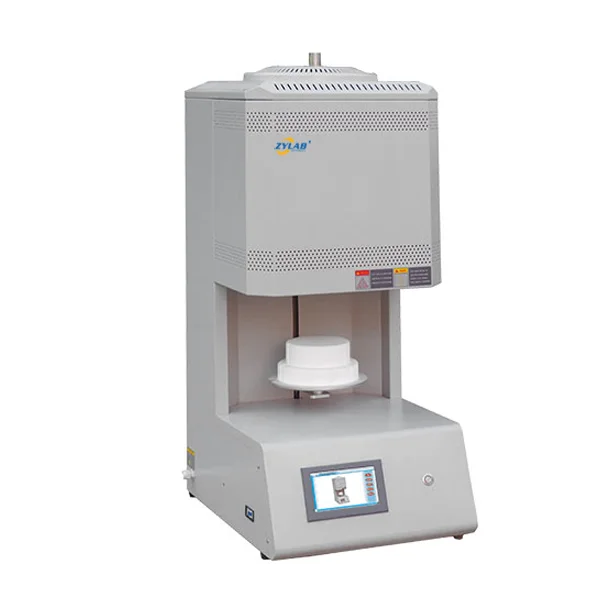
Large-Capacity Bottom-Loading Furnace with Precision Temperature Control for Sintering Applications
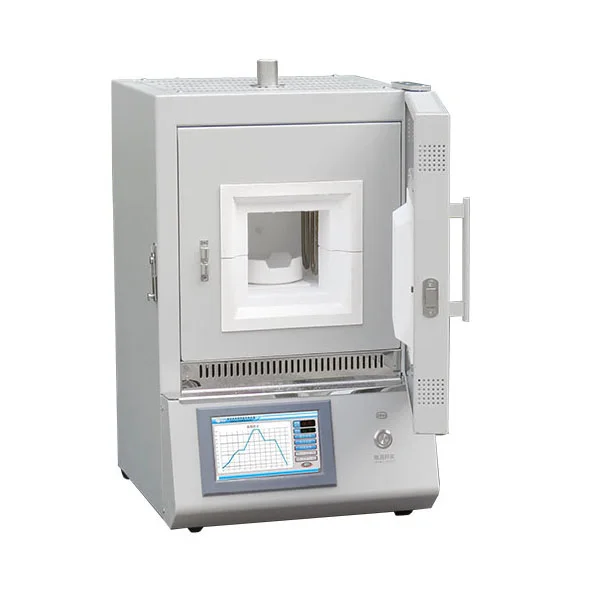
Premium High-temp Sintering Furnace for Ceramics, Metal Powder & Material Research
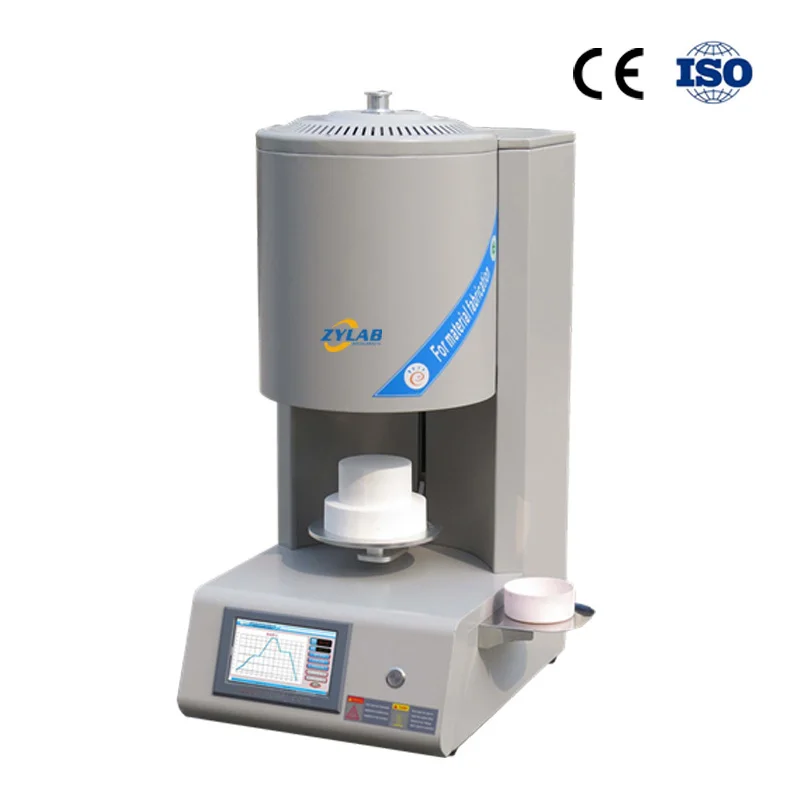
Bottom Loading Lab Sintering Furnace 1600°C
Working With ZYLAB On A Project Like This
Can Equipment Selection Guide for Powder Metallurgy Sintering: Why Choose be customised for our process?
Yes. Chamber or tube size, temperature profile, atmosphere, gas path, control system and data recording can all be adapted. Send us your process conditions and sample details and our engineers work out a configuration with you.
How quickly can Equipment Selection Guide for Powder Metallurgy Sintering: Why Choose be shipped?
Most standard ZYLAB models are held in stock. After testing and packing we normally ship Equipment Selection Guide for Powder Metallurgy Sintering: Why Choose within 3 to 7 days. Customised builds are scheduled after the drawing is confirmed, and we give you the date in writing before the order is placed.
How is Equipment Selection Guide for Powder Metallurgy Sintering: Why Choose packed for export?
Packing is chosen for the safety of the machine against freight cost, typically a plywood or wooden crate with internal padding and vacuum-sealed accessories. Export documents such as Form A, Form E and Form F can be issued to help you save duty.
Can you supply items that are not on this page?
Yes. We have access to the complete lines of most of our suppliers and build custom equipment in our own factory, so tell us what the experiment needs and we will source or make it.
Have A Similar Requirement
Describe the material, the temperature and the throughput you need and an engineer will answer with a workable configuration.