
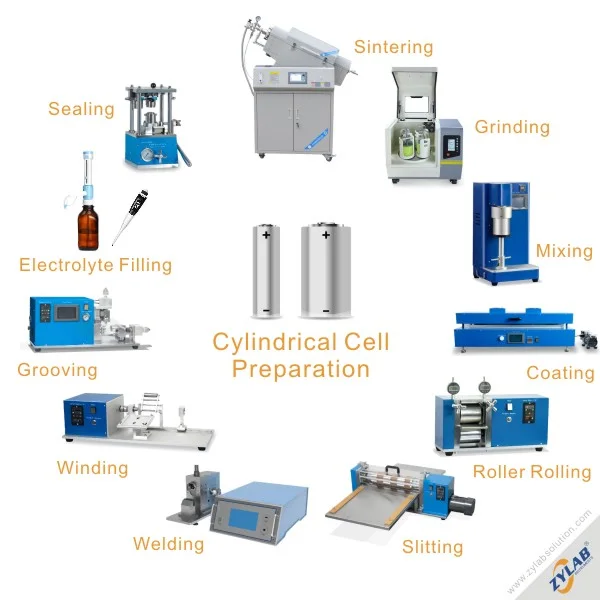
Cylindrical Cell Preparation
Cylindrical Cell Preparation Materials and Components: Positive electrode (cathode) material Negative electrode (anode) material Electrolyte solution Separator material Cylindrical metal can (usually made of aluminum or steel) Insulating...
Cylindrical Cell Preparation Available From Stock and To Order
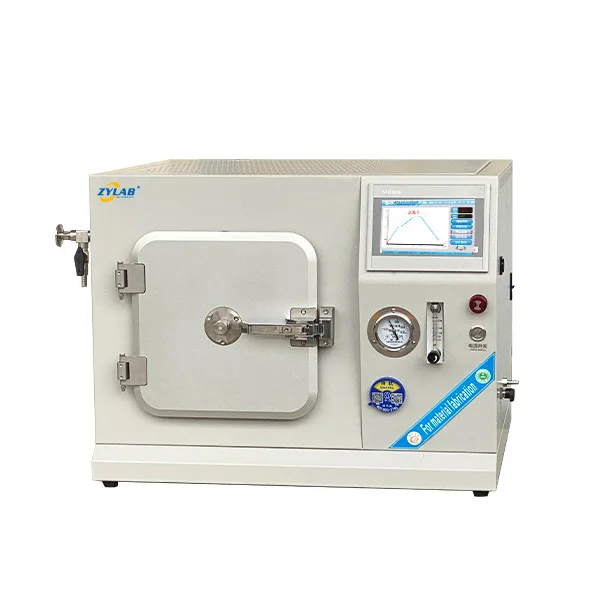
Vacuum Muffle Furnace with Quartz Chamber 1200°C
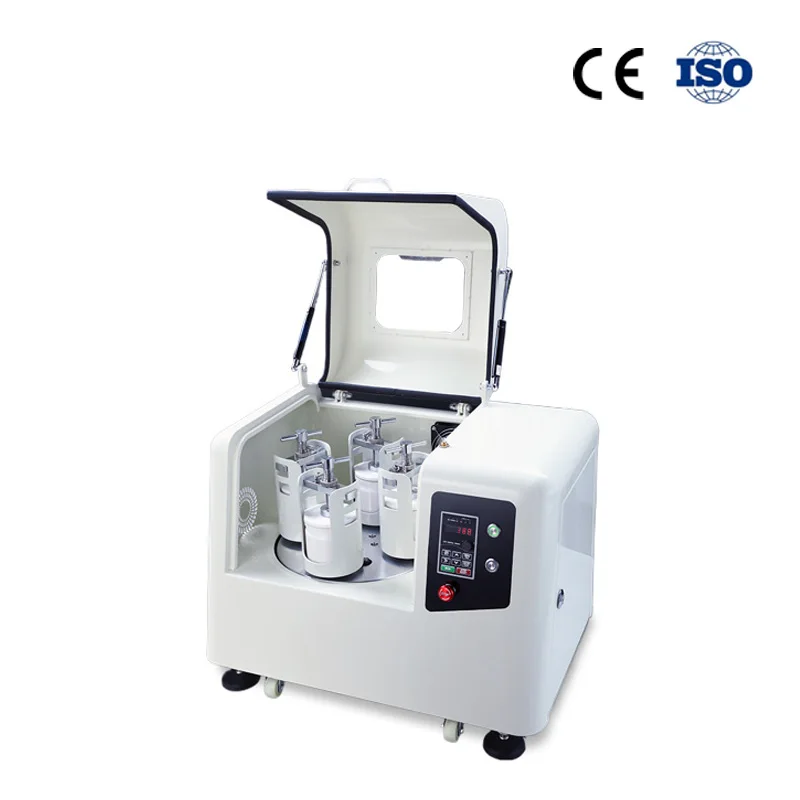
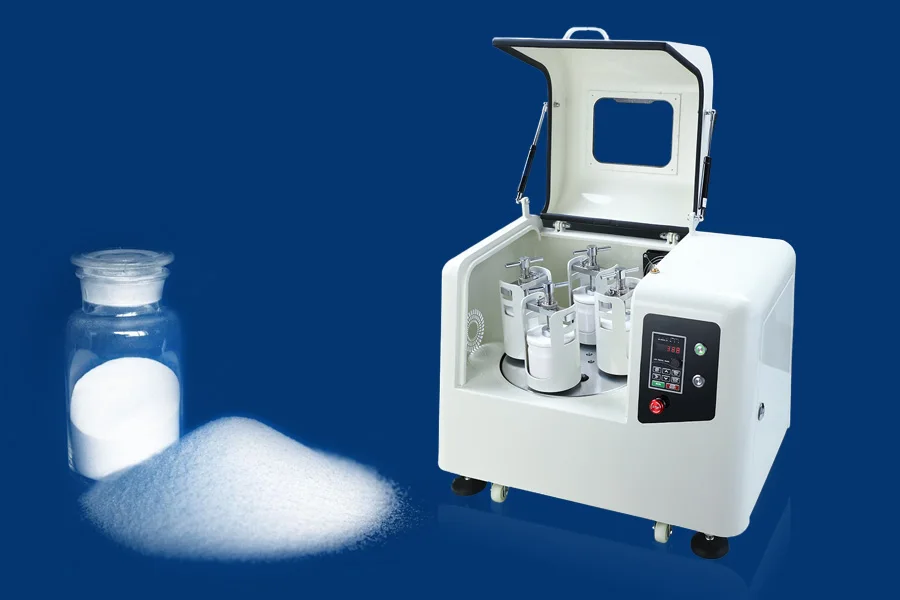
Laboratory 0.1 um Vertical Planetary Ball Grinding Mill
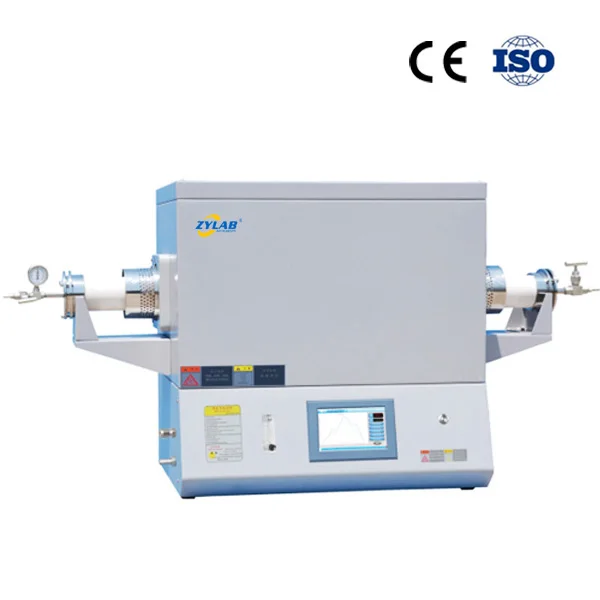
High Temperature Tube Furnace 1500.C
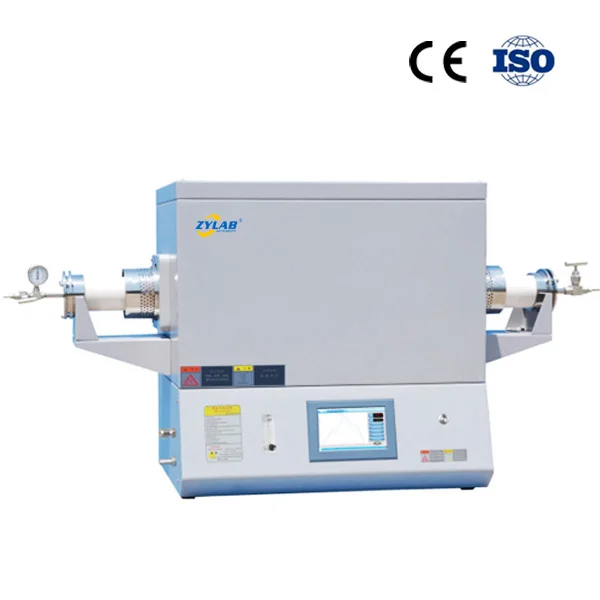
High Temperature Tube Furnace 1700.C
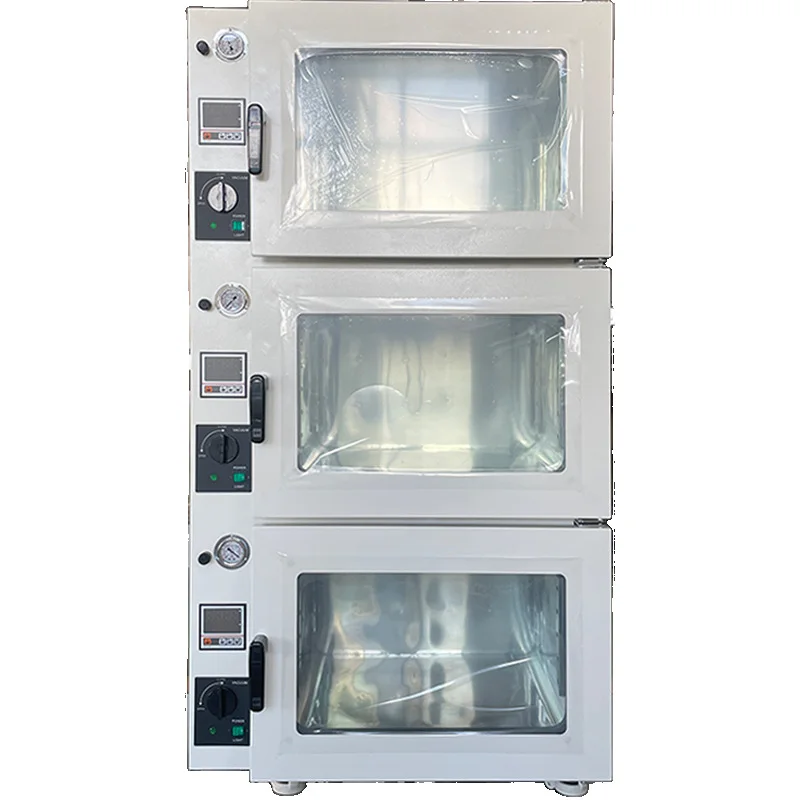
Three Layer Vacuum Oven for Battery Electrode Baking
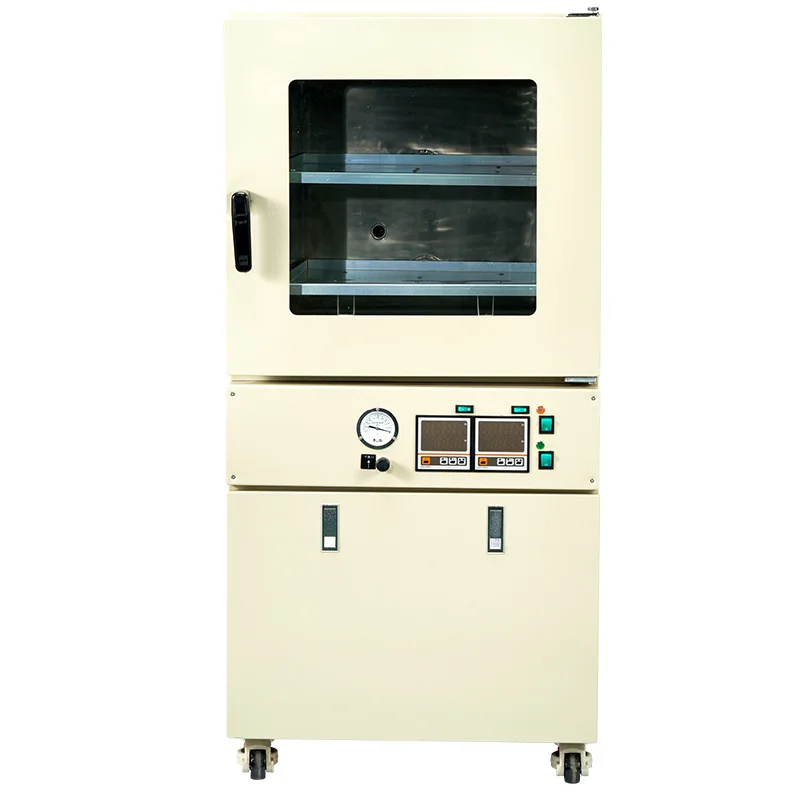
Big Capacity Vertical Vacuum Drying Oven
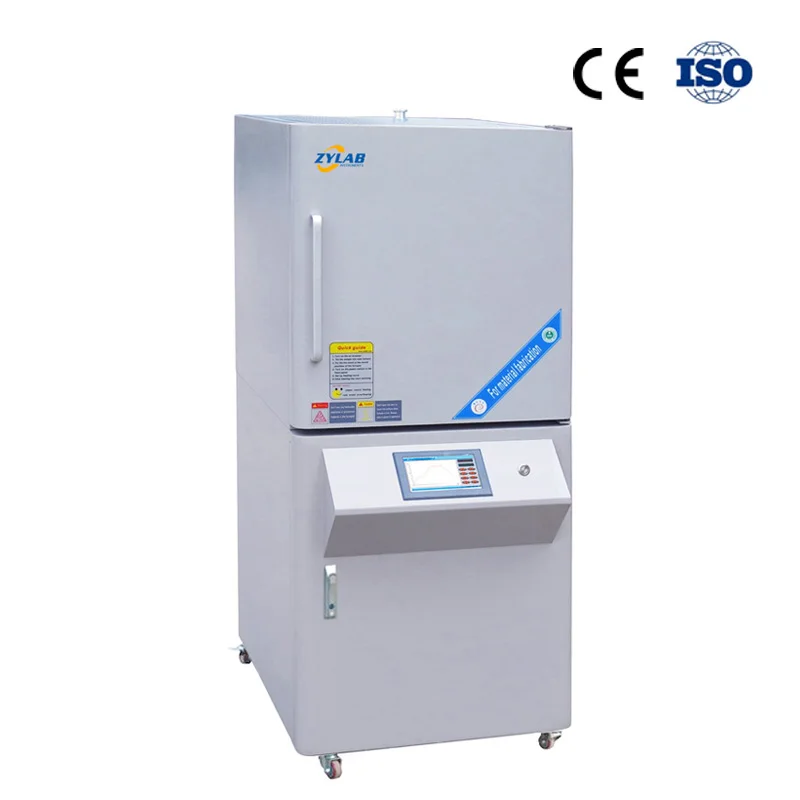
Big Capacity 80L 1200.C Muffle Furnace
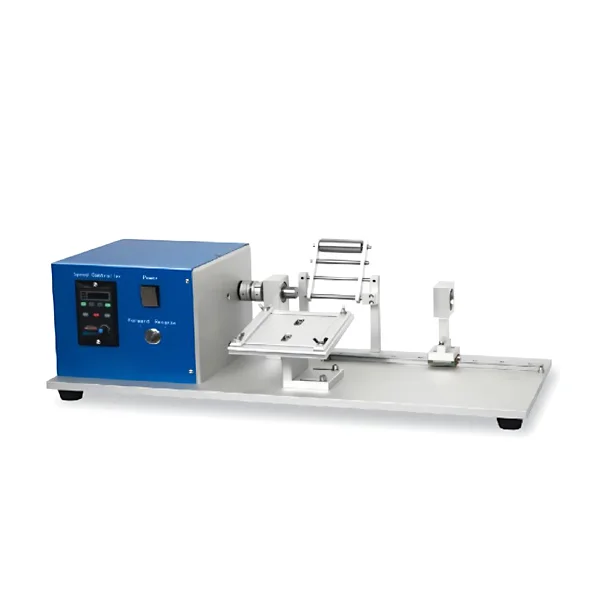
Manual Winding Machine for Electrodes
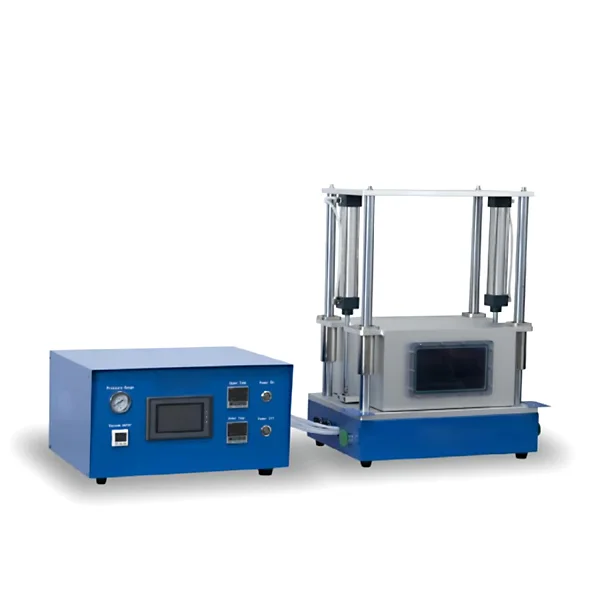
Battery Vacuum Liquid Injection & Hot Sealing Machine
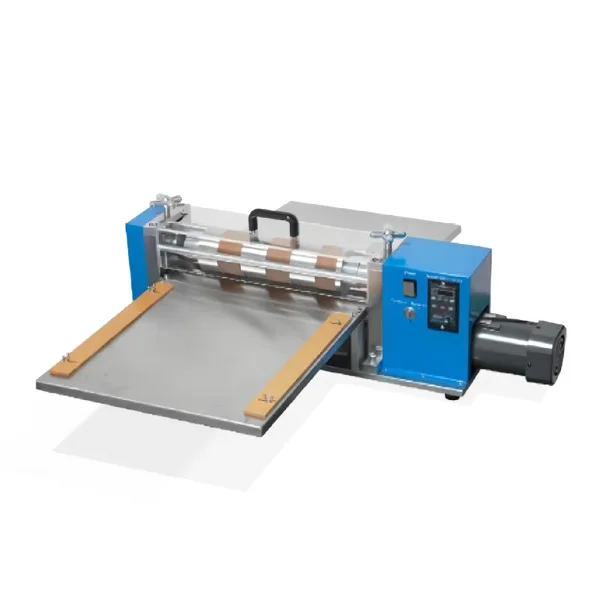
Battery Electrode Slitting Machine
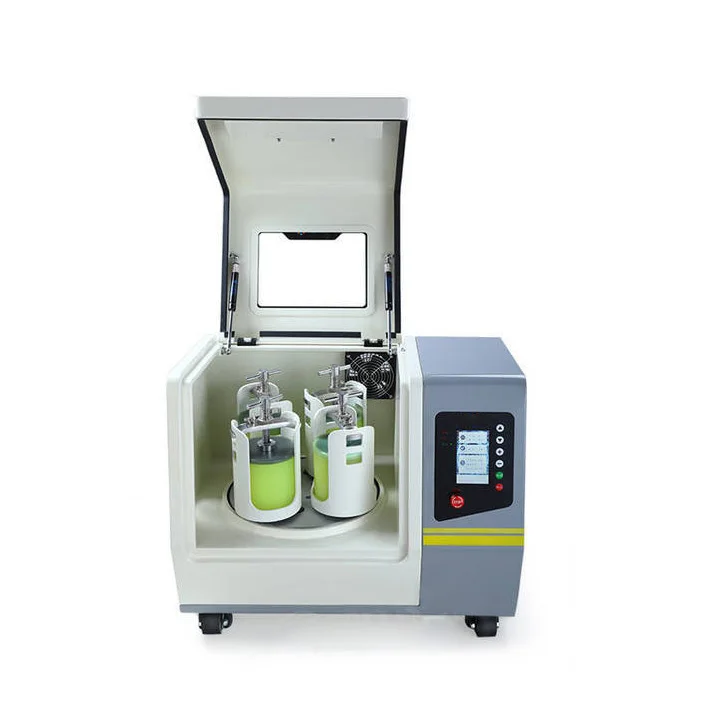
2~4L PLC Intelligent Planetary Ball Mill
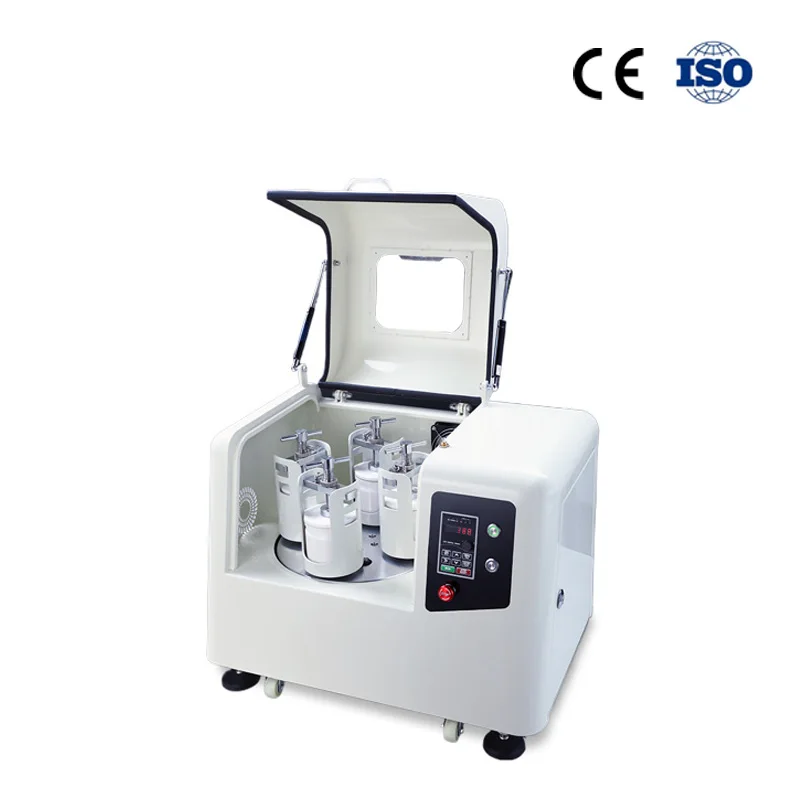
80L Planetary Ball Mill
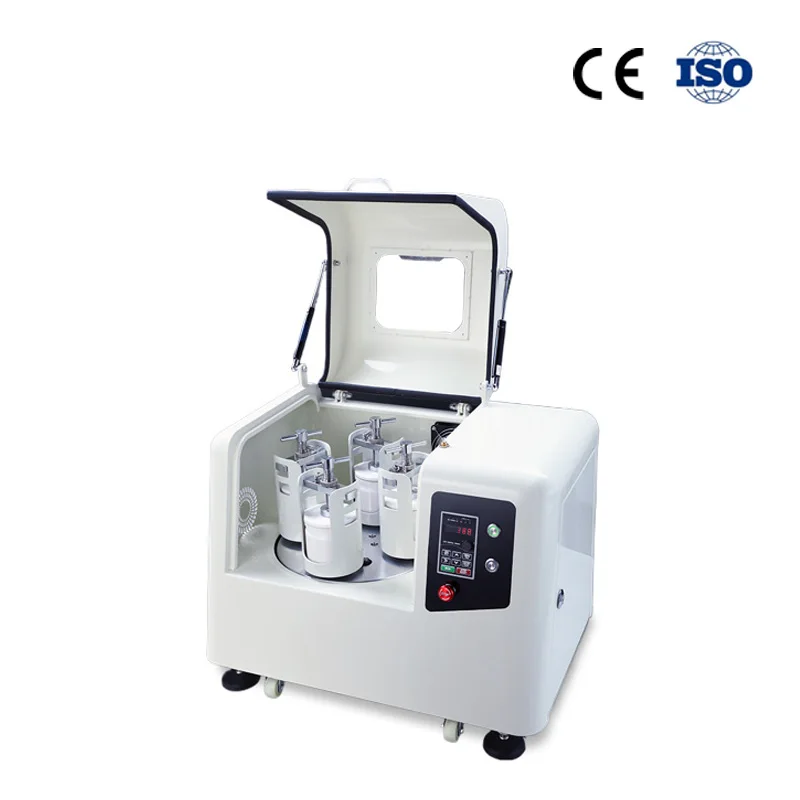
60L Planetary Ball Mill
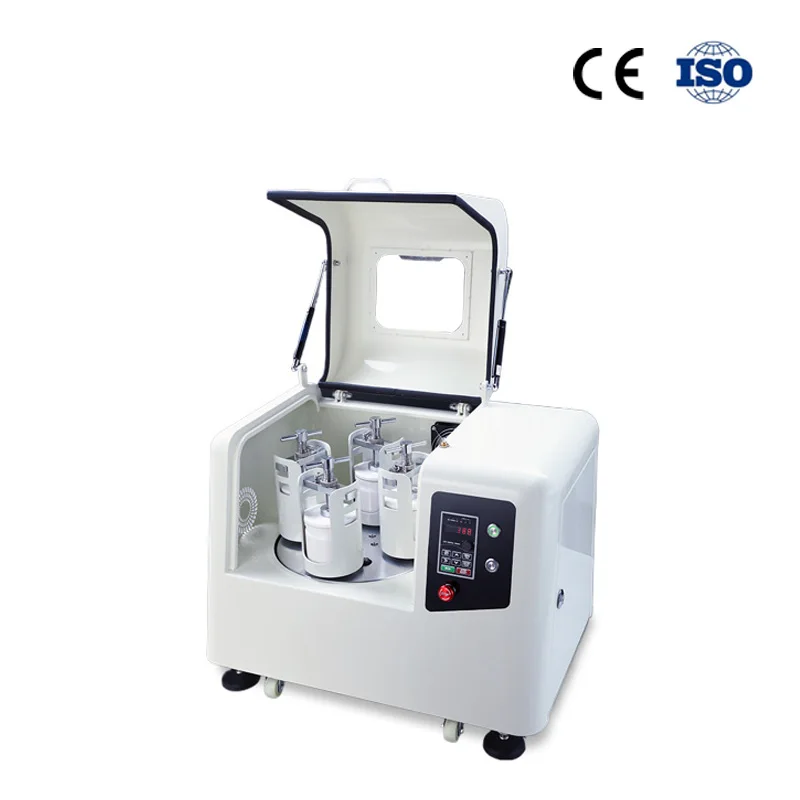
40L Planetary Ball Mill
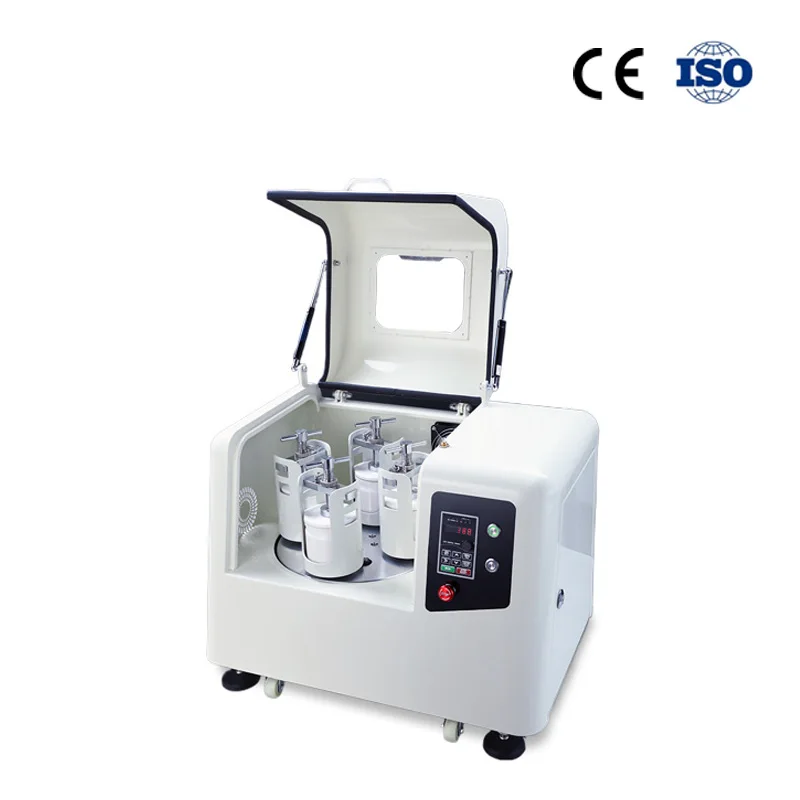
20L Planetary Ball Mill
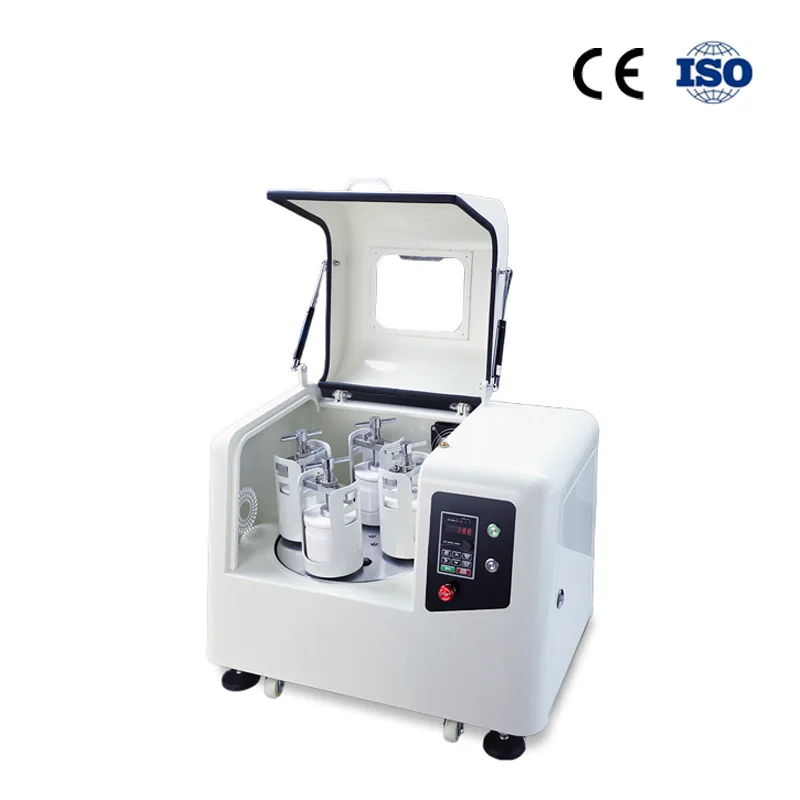
12L Planetary Ball Mill
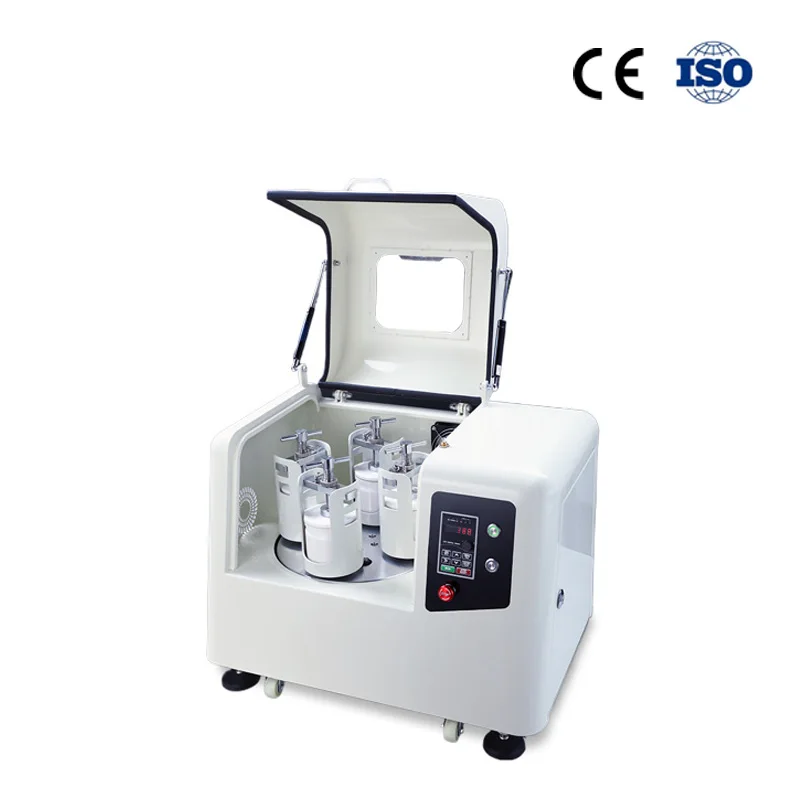
8L Planetary Ball Mill
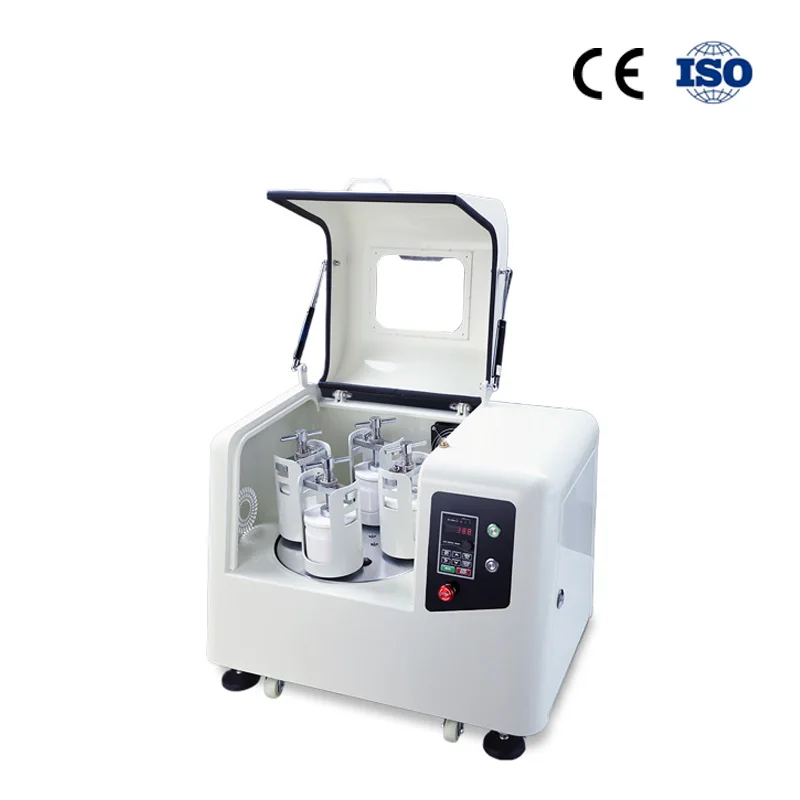
4L Planetary Ball Mill
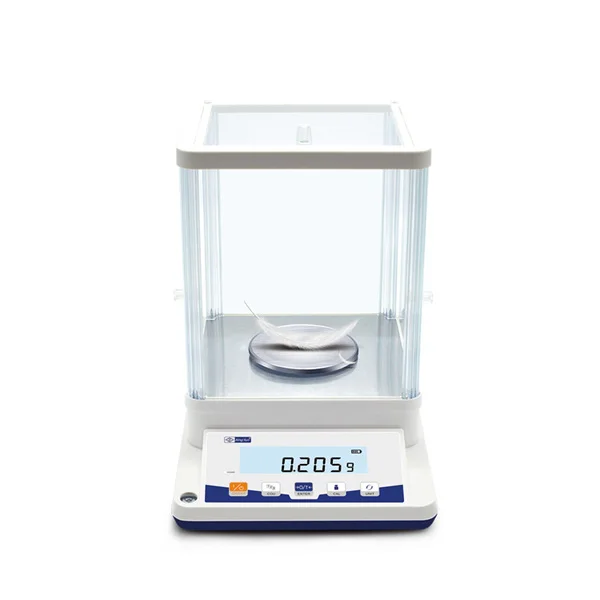
Milligram Electronic Balance
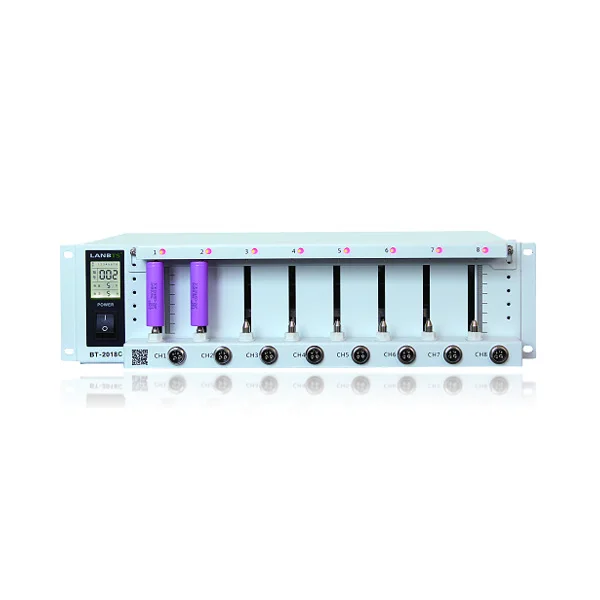
Battery Testing System for Cylindrical and Pouch Cells
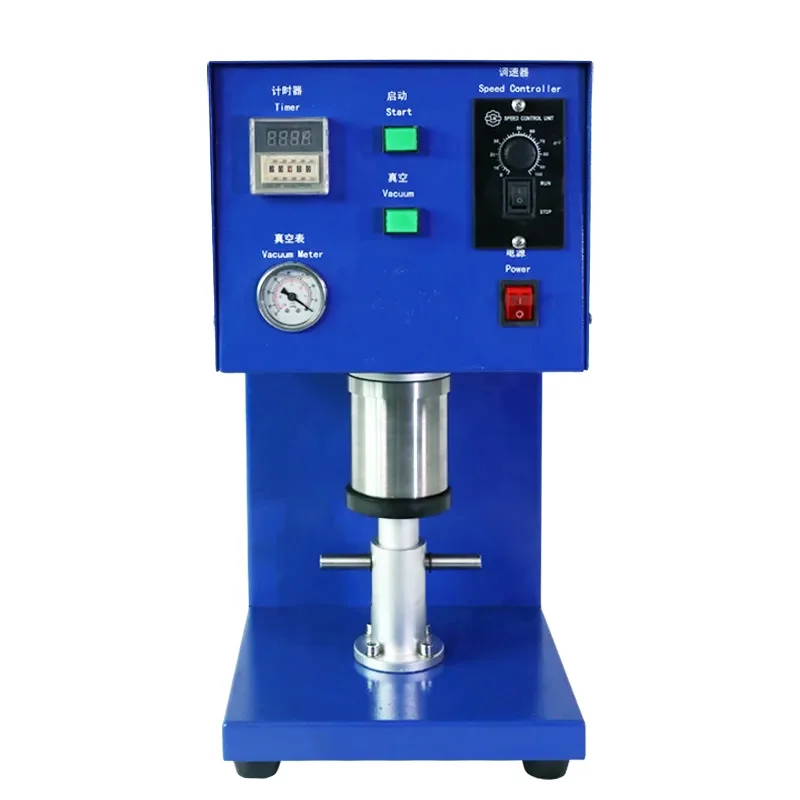
Vacuum Mixer for Battery Research
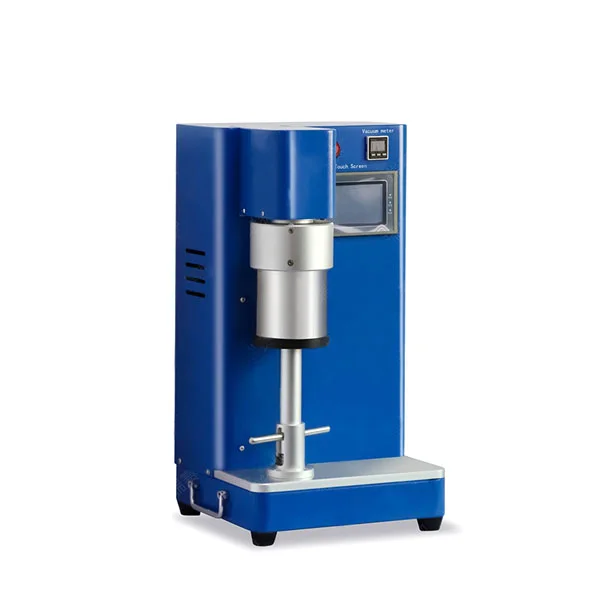
Dual-Shaft Planetary Vacuum Mixer
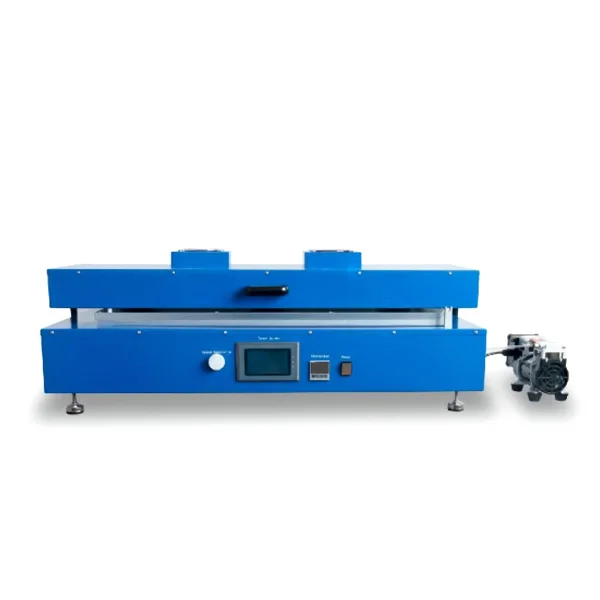
Automatic Coating Machine for Battery Pole Piece
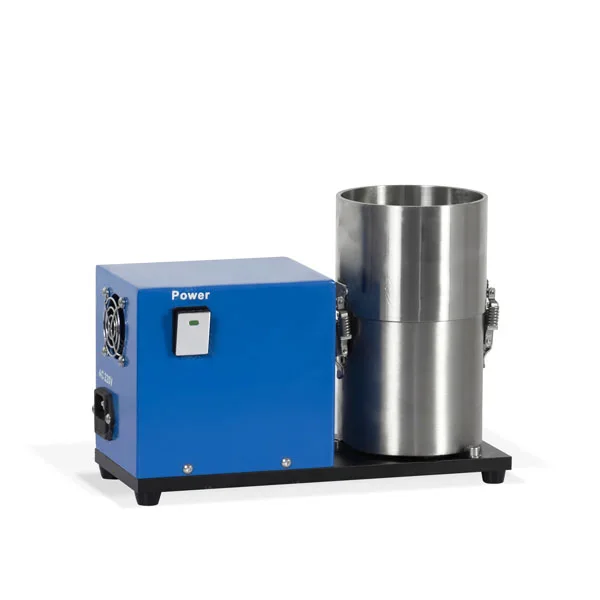
Laboratory Slurry Filtration Device Used for Battery Slurries
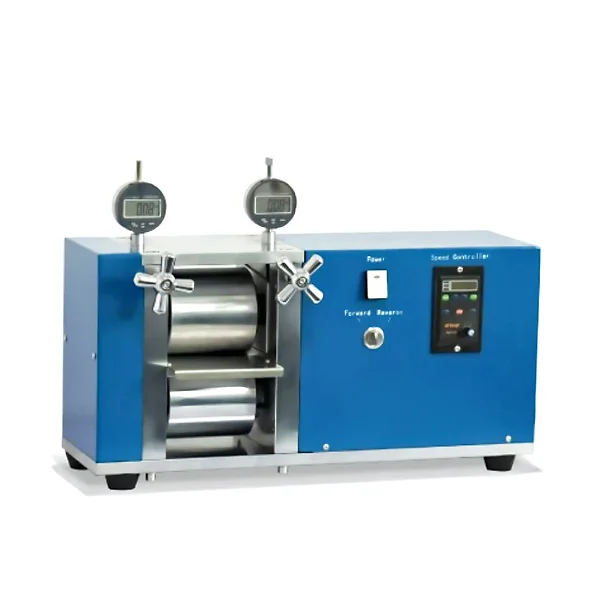
Electric Rolling Press
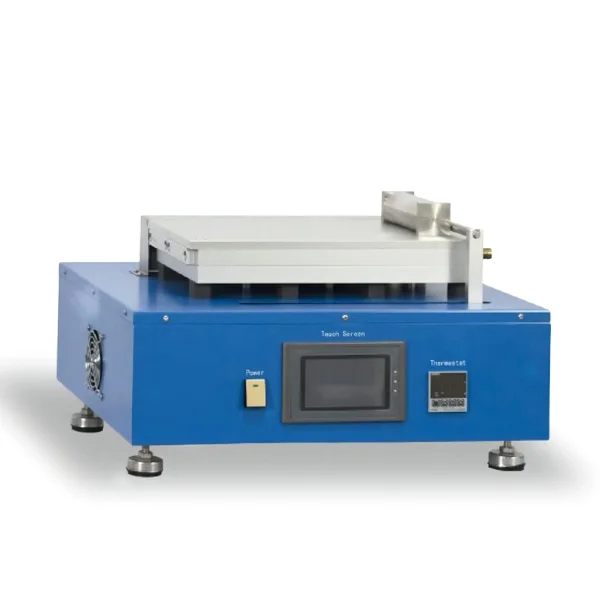
Bottom Heat Film Coater
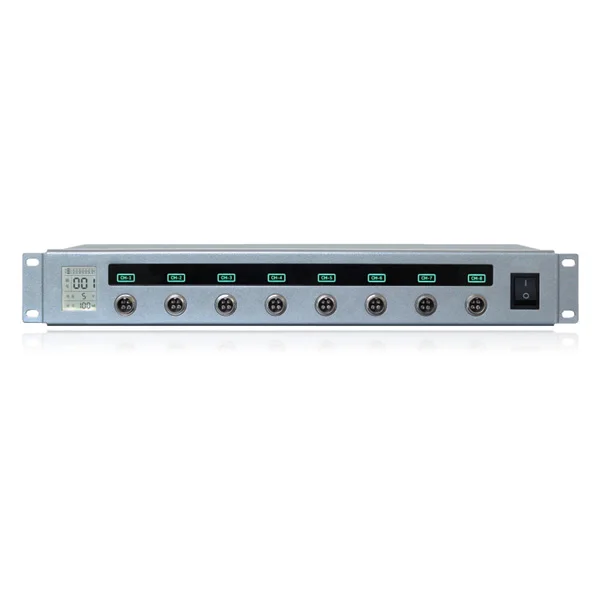
Classic Four-Range Battery Testing System
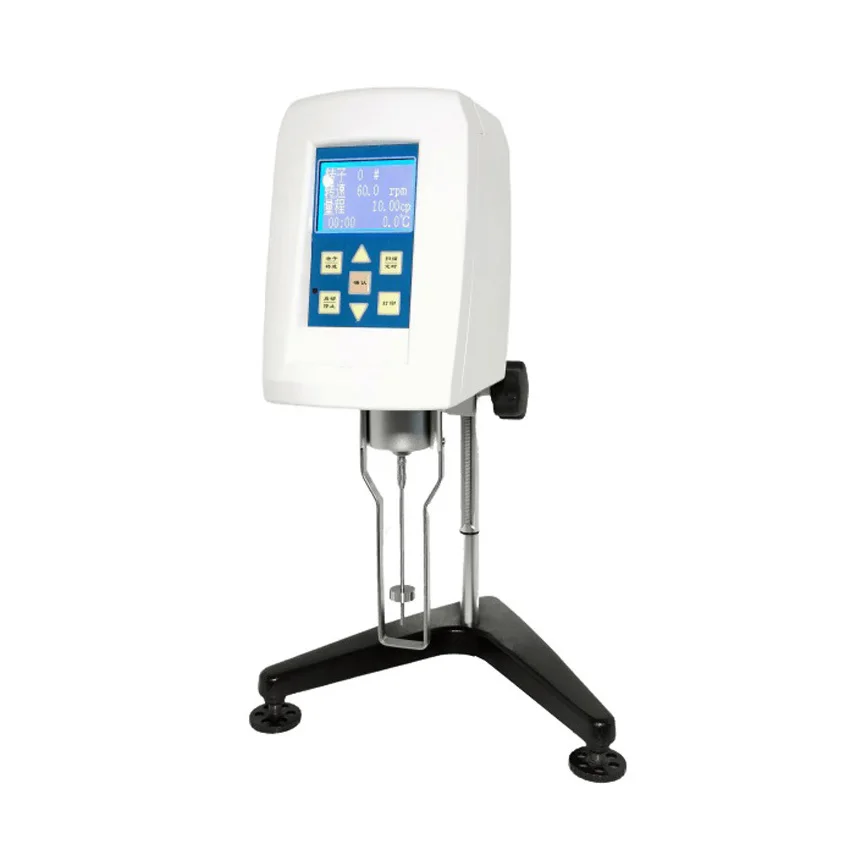
Digital Display Rotational Viscometer
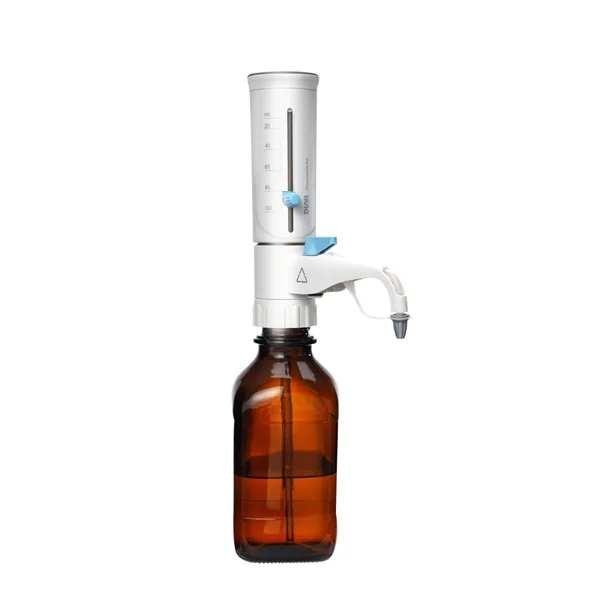
Bottletop Dispenser
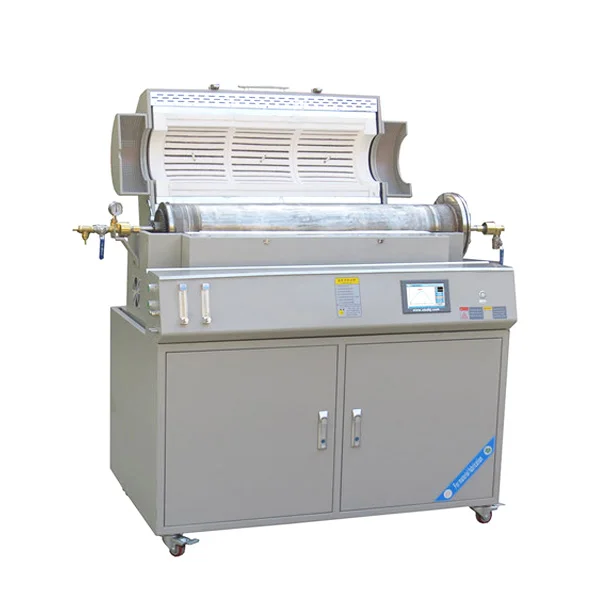
Production Type Vacuum Atmosphere Vibrating Rotary Sintering Furnace 1200.C
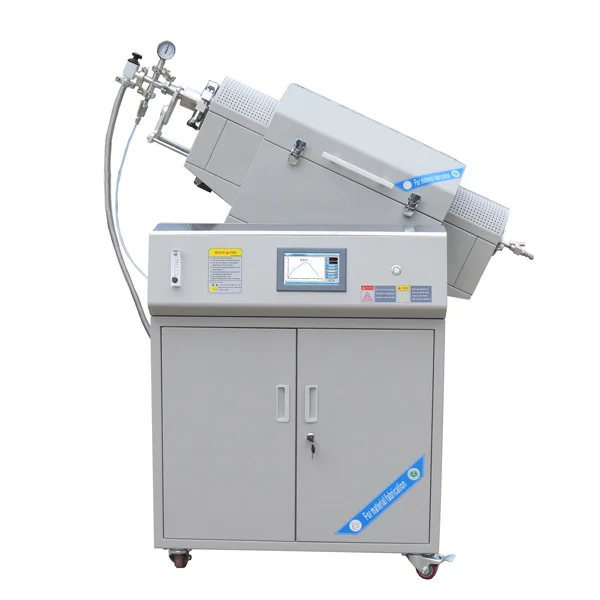
Medium-sized Vacuum Atmosphere Vibrating Rotary Sintering Furnace 1200℃
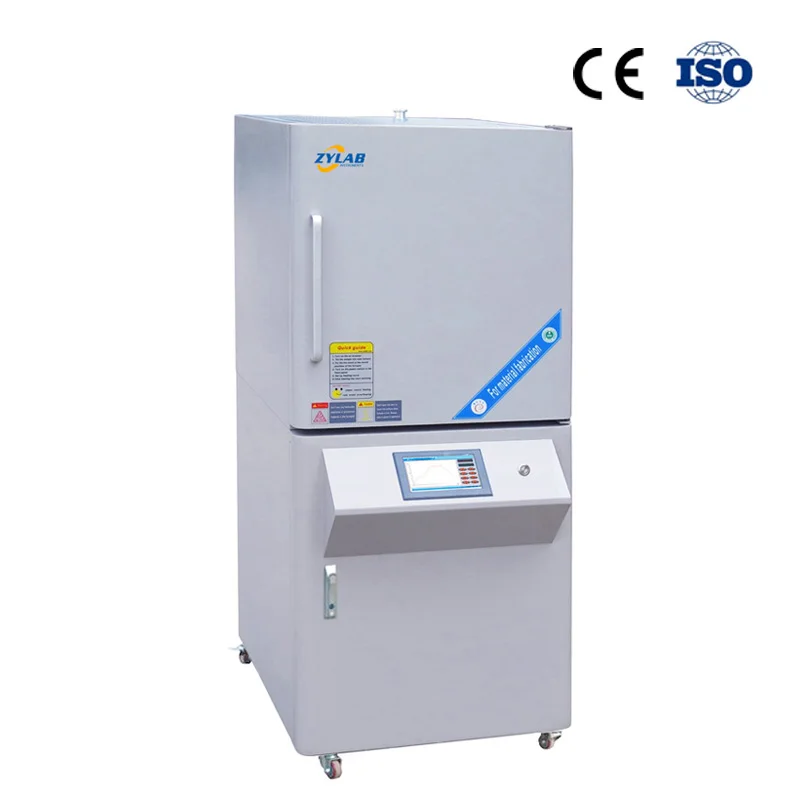
1500.C Chamber Furnace
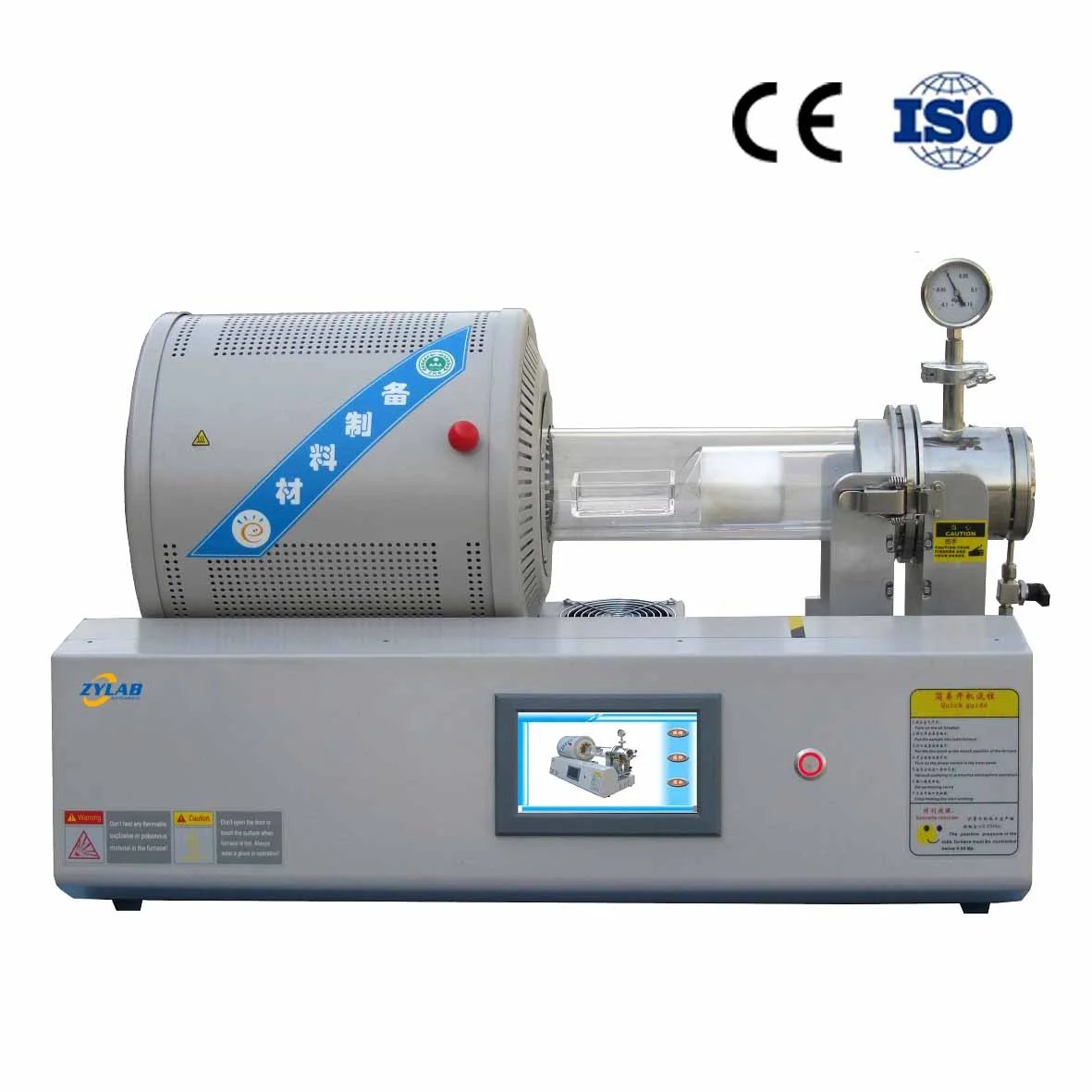
Rapid Thermal Processing Furnace
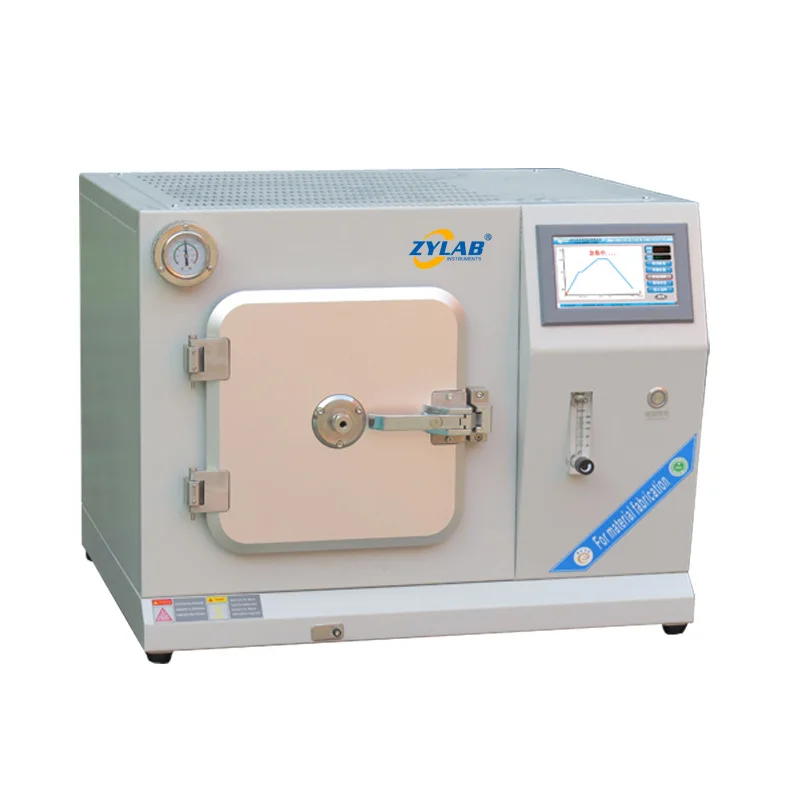
1200.C Vacuum Horizontal Tubular Furnace
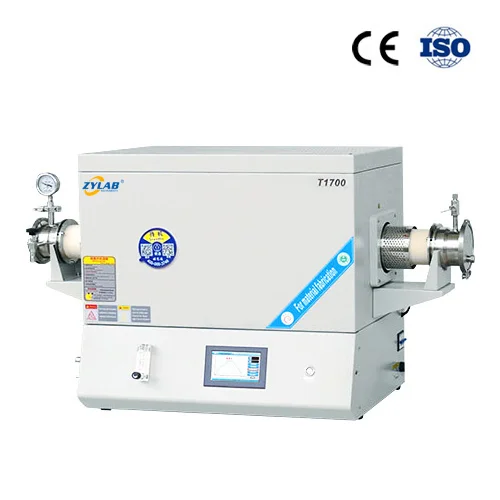
1700°C Two Zone Tube Furnace for Precision Thermal Processing
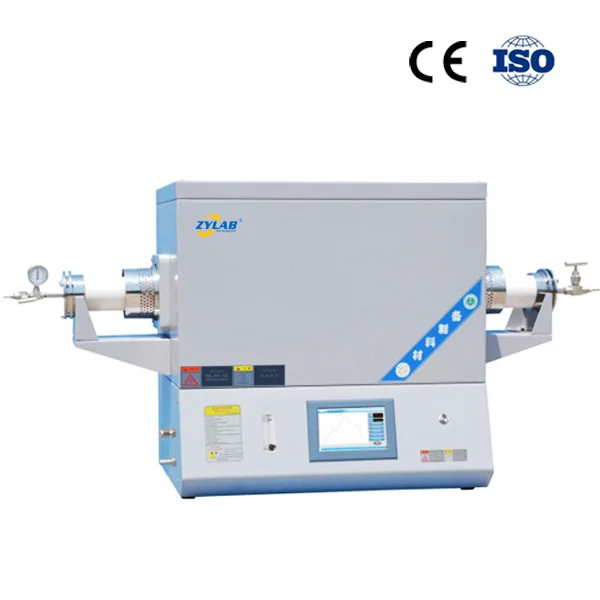
1500.C Dual Zones High Temperature Tube Furnace
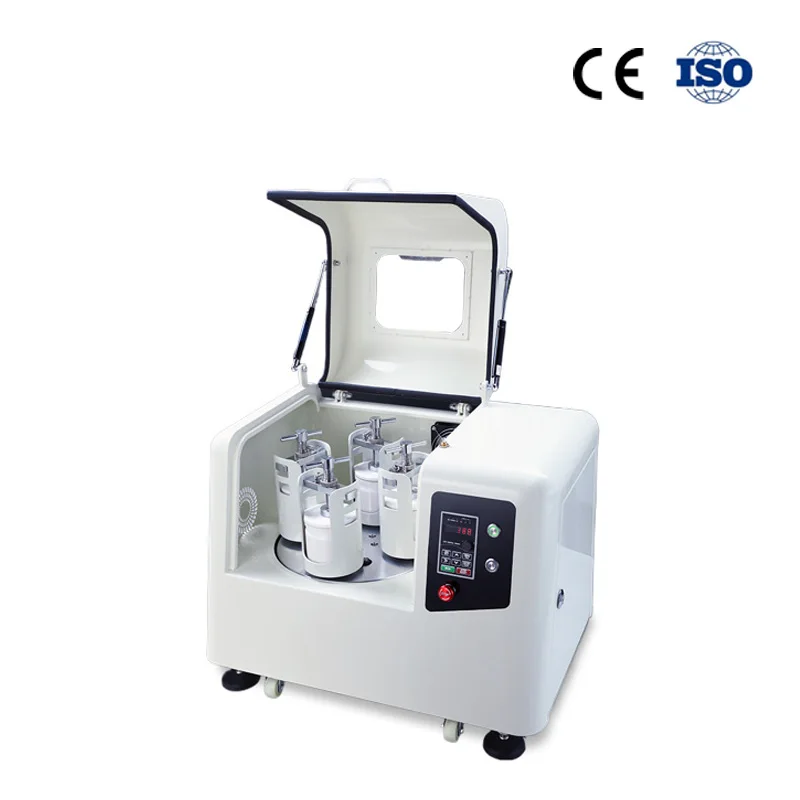
2L Planetary Ball Mill
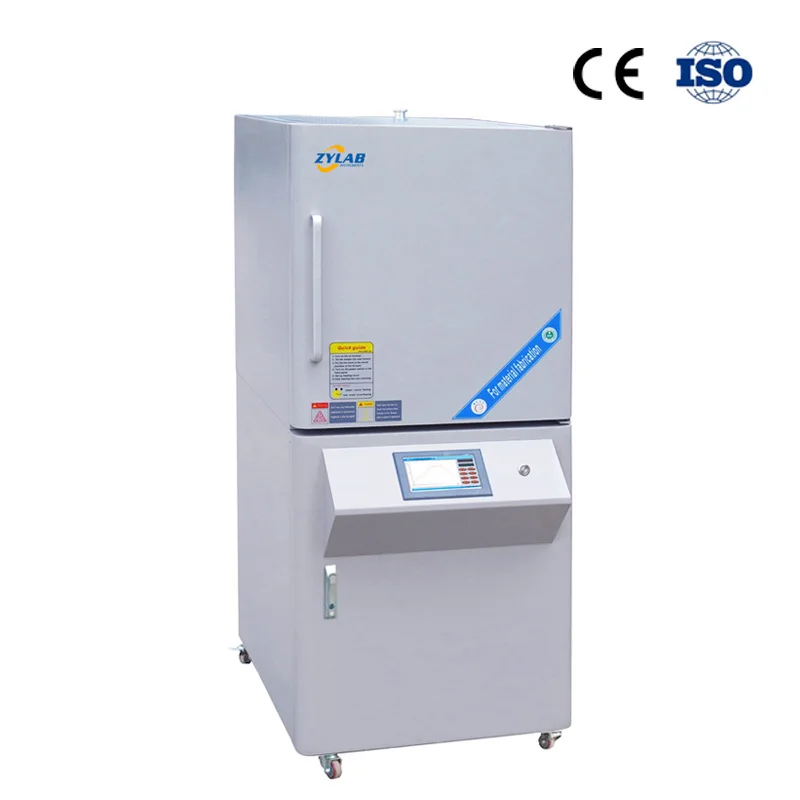
Big Capacity 36L 1700.C Muffle Furnace
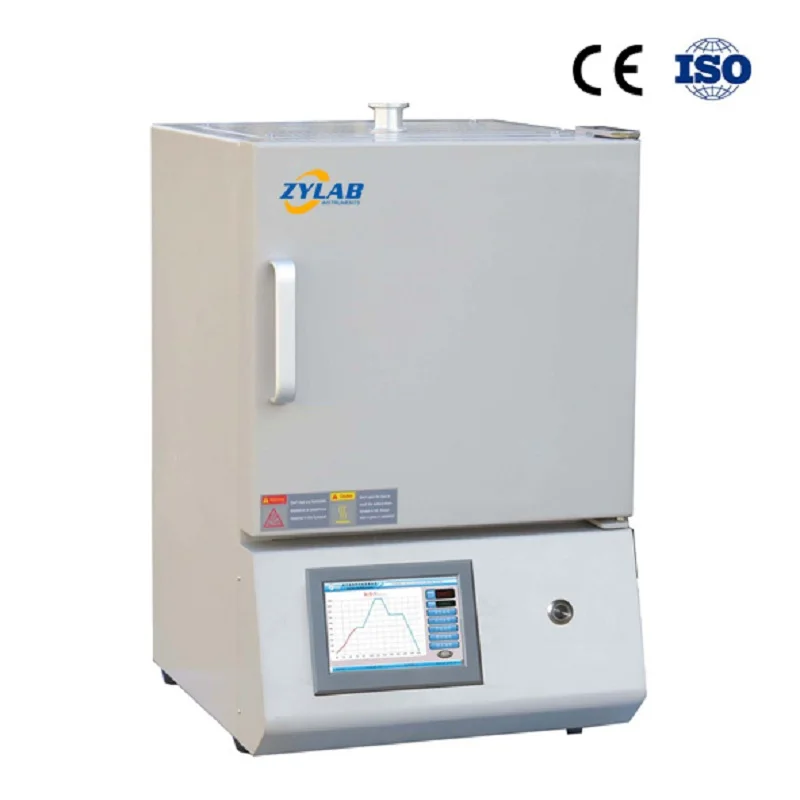
Small 1700.C High Temperature Muffle Furnace
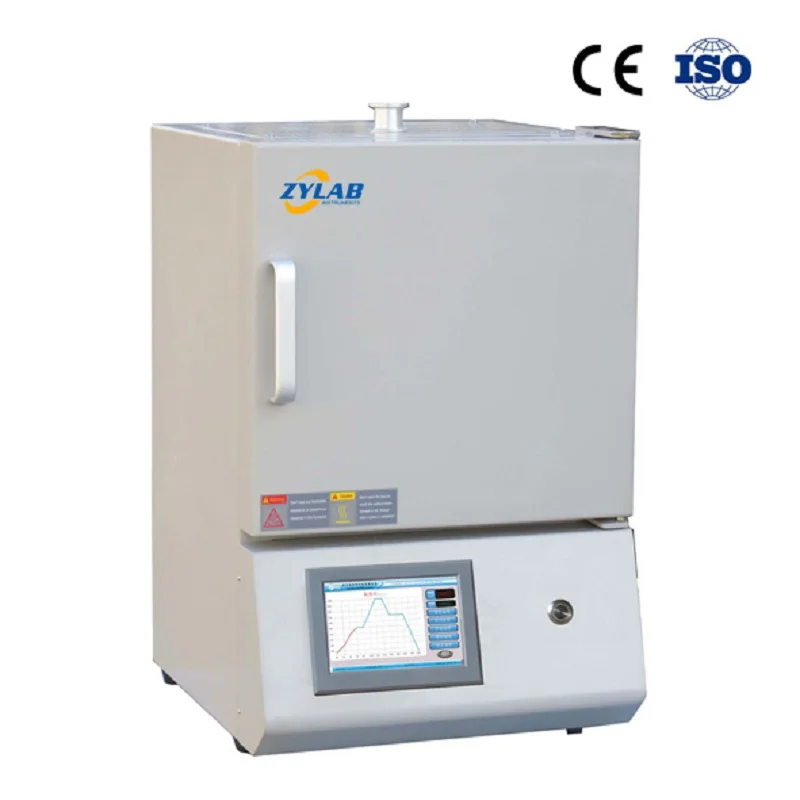
Laboratory Muffle Furnace 1500.C
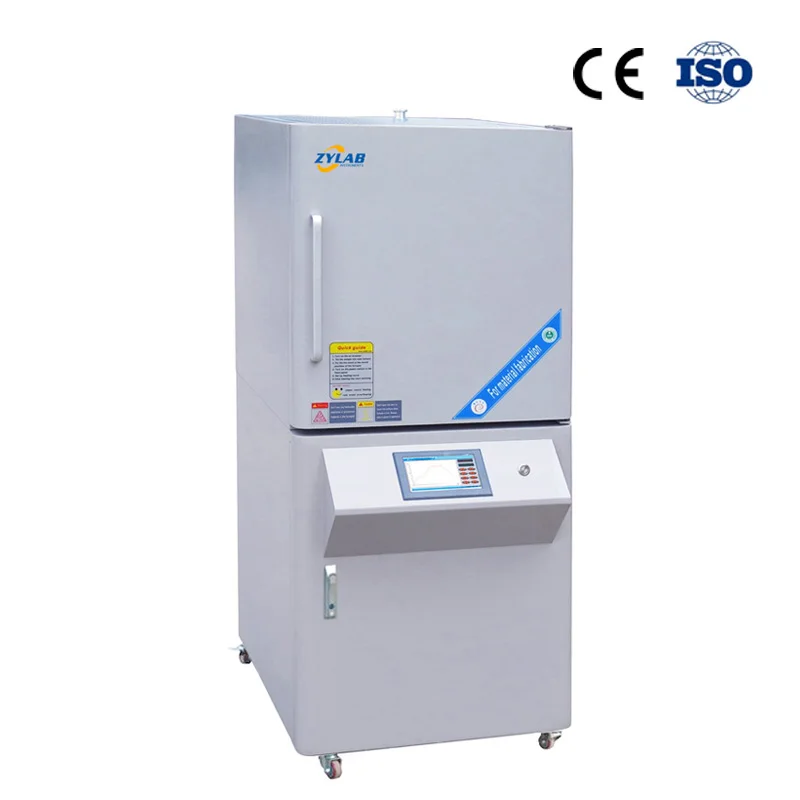
36L 1200.C Chamber Muffle Furnace
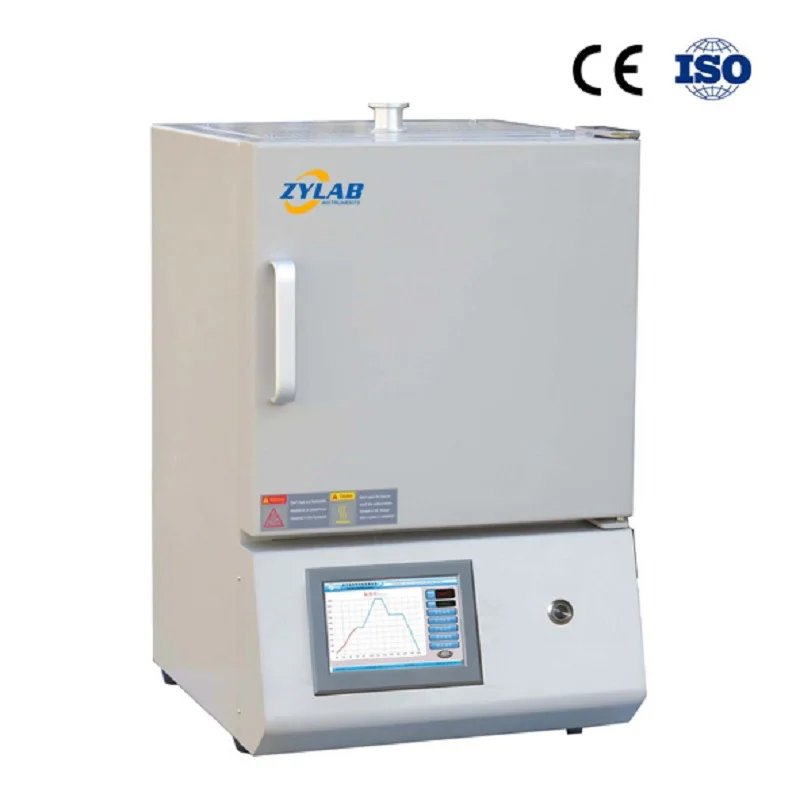
4.5L Smart 1200.C Muffle Furnace
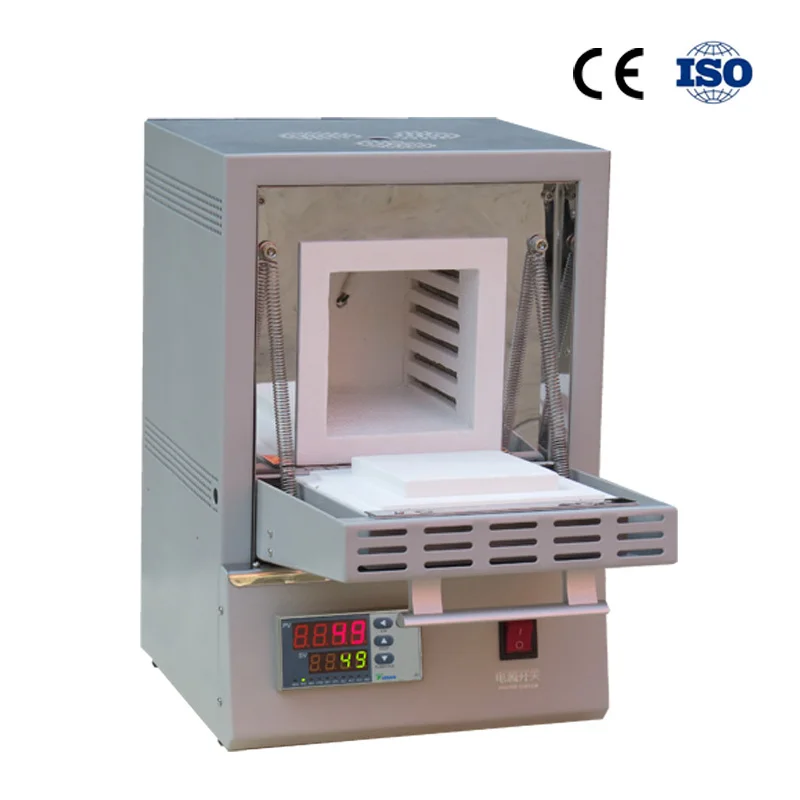
1200.C Mini Box Furnace
Cylindrical Cell Preparation
Materials and Components:
- Positive electrode (cathode) material
- Negative electrode (anode) material
- Electrolyte solution
- Separator material
- Cylindrical metal can (usually made of aluminum or steel)
- Insulating materials
- End caps with current collectors
Electrode Coating:
- Similar to pouch cells, the positive and negative electrode materials are coated onto metal foils. This involves a slurry coating process where a mixture of active material, conductive additives, and a binder is coated onto the foil.
Rolling and Winding:
- The coated positive and negative electrode foils, along with separator material, are rolled and wound into a cylindrical shape. This forms the electrode assembly.
Assembly into Cylindrical Can:
- The wound electrode assembly is inserted into the cylindrical metal can. The can serves as the outer casing and also acts as the current collector for one of the electrodes (usually the positive electrode).
Electrolyte Filling:
- The cylindrical cell is filled with the electrolyte solution. The electrolyte is a conductive solution that facilitates the movement of ions between the positive and negative electrodes during the battery’s operation.
Sealing:
- The cylindrical cell is sealed to prevent electrolyte leakage and maintain the internal integrity of the cell.
Formation:
- The assembled and sealed cylindrical cell undergoes a formation process. This involves initial charge and discharge cycles to condition the battery and optimize its performance.
Insulation and Packaging:
- Insulating materials are added to prevent short circuits within the cell. The cell is then often packaged in a protective outer casing.
Aging and Testing:
- The cylindrical cells may undergo an aging process to simulate usage conditions and evaluate their long-term performance.
- Various tests, including capacity testing, cycle testing, and safety testing, are conducted to ensure the cylindrical cells meet quality standards.
Final Inspection:
- A final inspection is conducted to verify that each cylindrical cell meets the specified quality and safety standards.
Laboratories running this process
Equipment in this group is ordered most often by Material Science, Lithium Battery & Renewable Energy, Metallurgy, Semiconductor and Environmental Science groups. The list below shows which fields the 43 models here are already working in.
- Lithium Battery & Renewable Energy (29)
- Material Science (25)
- Semiconductor (15)
- Metallurgy (14)
- Wastewater Treatment (10)
- Chemistry (10)
- Environmental Science (8)
- Education (1)
What the process has to achieve
These are the processes the same models are used for. Each link opens the full equipment list for that process.
- Planetary Ball Mill (10)
- Muffle Furnaces (9)
- Tube Furnaces (8)
- 100-1200.C (8)
- Chamber Furnaces (5)
- Controlled Atmosphere Furnaces (5)
- 500-1500.C (4)
- 800-1700.C (4)
Related Projects
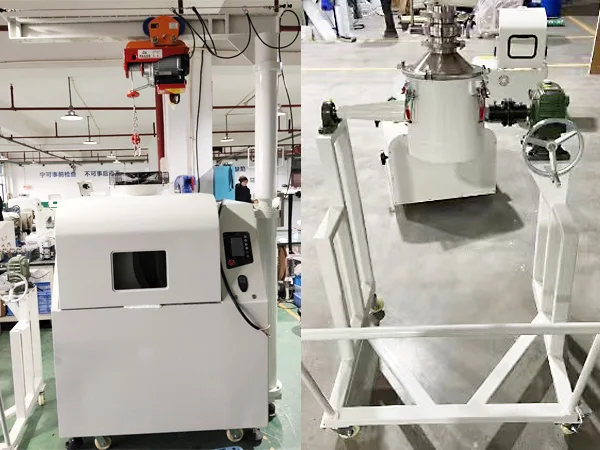
Customized 40L Pilot-Scale Planetary Ball Mill with Lifting and Discharging Trolley for a Norwegian Customer
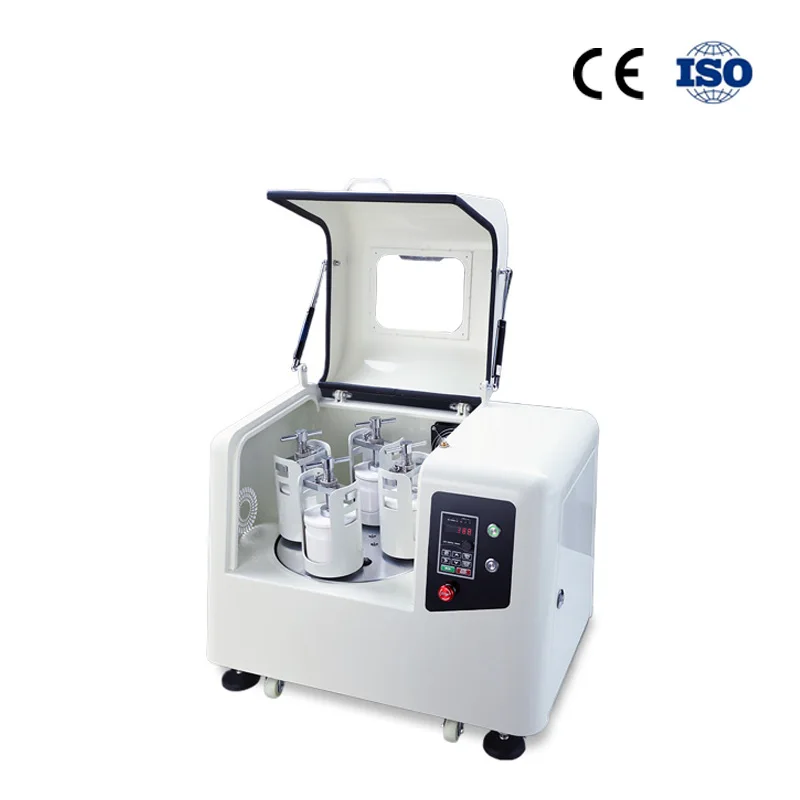
Supplying a Planetary Ball Mill to the University of Southampton: Supporting World-Class Research in the UK
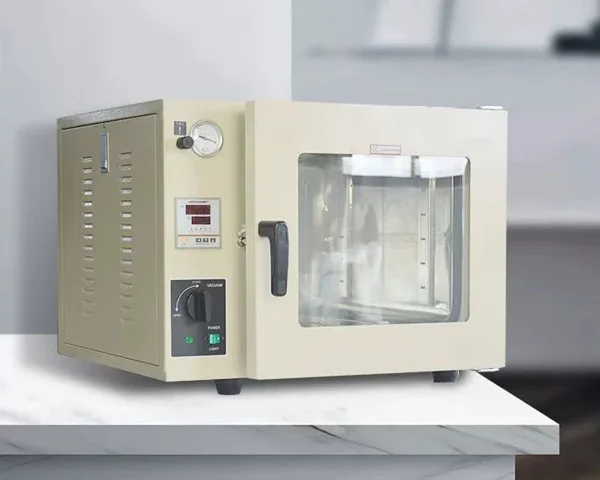
High-Temperature Drying Oven Delivered to a Norwegian R&D Company
Cylindrical Cell Preparation - Buyer Questions
How many cylindrical cell preparation models does ZYLAB offer?
43 models are listed on this page, all of them built or supplied by ZYLAB and all in the same catalogue you can order from in one message. If none of them matches your process exactly, the closest one is usually adapted rather than replaced.
Can Cylindrical Cell Preparation be customised for our process?
Yes. Chamber or tube size, temperature profile, atmosphere, gas path, control system and data recording can all be adapted. Send us your process conditions and sample details and our engineers work out a configuration with you.
What warranty comes with Cylindrical Cell Preparation?
Most ZYLAB products carry a 2-year warranty, glass components excluded; the exact term for this model is the one printed in its specification table and repeated on the quotation. Within the warranty period any part that fails through no misuse of your own is replaced free of charge.
How can we pay for Cylindrical Cell Preparation?
Bank (wire) transfer, letter of credit for larger orders, major credit and debit cards, and PayPal. Bank details are printed on the invoice; send us the transfer confirmation and we start processing straight away.
How is Cylindrical Cell Preparation packed for export?
Packing is chosen for the safety of the machine against freight cost, typically a plywood or wooden crate with internal padding and vacuum-sealed accessories. Export documents such as Form A, Form E and Form F can be issued to help you save duty.
Get A Quote For Cylindrical Cell Preparation
Send the material, temperature, atmosphere and batch size. You get a model recommendation, a price and a despatch date.