
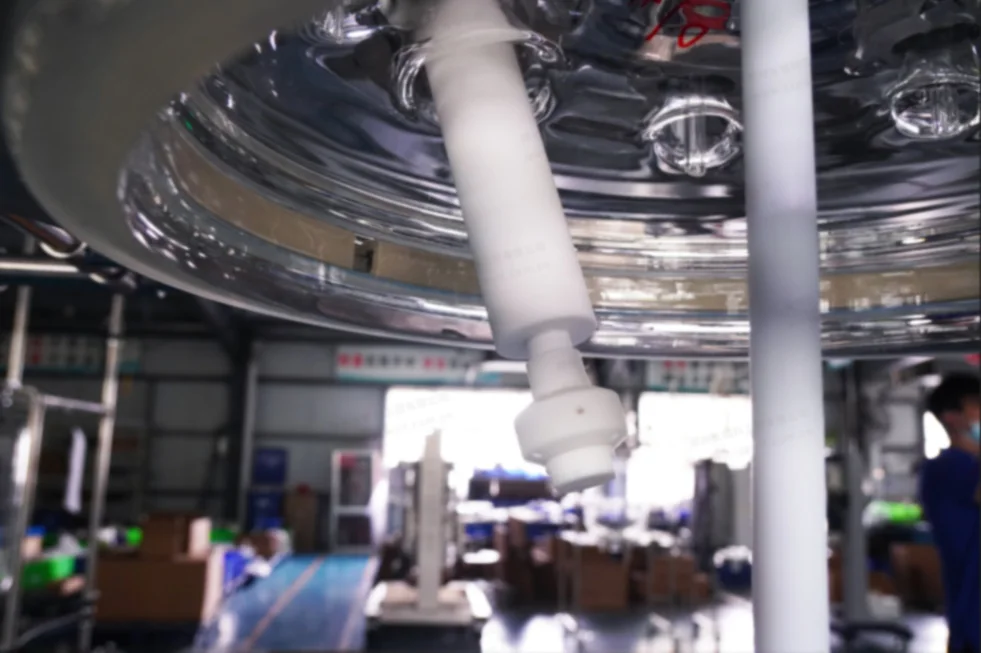
PTFE Spray Cleaning Inside of Reaction Vessel
Cleaning inside a reaction vessel refers to the process of cleaning reactors used for chemical reactions, mixing, heating, cooling, or other process operations to remove residues, contaminants, or other impurities.
- Chemical SynthesisAutomated Reaction Vessel CleaningCleaning Inside Reaction VesselReaction Vessel Internal CleaningVessel Interior Cleaning Solutions2024-08-26
Introduction
Cleaning inside a reaction vessel refers to the process of cleaning reactors used for chemical reactions, mixing, heating, cooling, or other process operations to remove residues, contaminants, or other impurities.
Protection of Glass Surface
The interior surface of a glass reactor is relatively fragile and can be easily scratched or damaged. Spray cleaning uses liquid sprays rather than mechanical tools, effectively preventing scratches or abrasions on the glass surface, thereby extending the reactor’s lifespan.
Comprehensive Cleaning
Spray cleaning can evenly distribute the cleaning liquid throughout all corners of the reactor via nozzles, ensuring that the entire interior surface is covered. This is particularly important for complex shapes or areas with recesses or dead spots, where spray cleaning provides more thorough cleaning.
Fast and Efficient
Spray cleaning uses high-pressure jets to quickly remove residues from the glass surface, offering high cleaning efficiency. When combined with appropriate cleaning agents (such as acidic or alkaline cleaners), it can effectively break down and remove chemical residues inside the reactor.
Enhanced Safety
During the cleaning process, spray cleaning reduces direct contact between personnel and the reactor interior or cleaning liquids, minimizing the risk of exposure to harmful chemicals or mechanical injuries, and thus improving the safety of the cleaning process.
Broad Chemical Compatibility
PTFE has exceptional chemical resistance, capable of withstanding nearly all acids, bases, solvents, and other chemical substances.
Prevents Contamination and Scaling
The surface of PTFE is extremely smooth and has excellent non-stick properties, meaning the cleaning head is less likely to accumulate contaminants or scale, thus maintaining cleanliness.
Suitable for High-Temperature Operations
PTFE can remain stable across a wide temperature range, particularly in high-temperature environments, where it retains its physical and chemical properties.
Efficient Operation
The low friction coefficient of PTFE allows the cleaning head to operate efficiently with low energy consumption.
High Durability
PTFE has good mechanical strength and durability, capable of withstanding the pressure and mechanical stress during the cleaning process.
PTFE Spray Cleaning Device
The complete system includes a cleaning nozzle, spray bar, and flange.
Working Principle of Rotating Cleaning Nozzle
The rotating cleaning nozzle is driven by high-pressure water flow, which causes the internal components to rotate, allowing the nozzle to spin and spray water for comprehensive coverage. Its design continuously changes the angle and direction of the water flow, effectively removing deposits and residues from the inside of the equipment. This is particularly suitable for environments requiring corrosion resistance and hygiene.
Interface for Installing the Spray Cleaning Device
Glass reaction vessels typically have 7 standard openings. The installation port for the PTFE spray cleaning device usually shares a flange with the solid feeding port, thus maintaining the 7 openings. If an additional multifunctional opening is needed, a custom vessel lid will be required.
Related ZYLAB Products
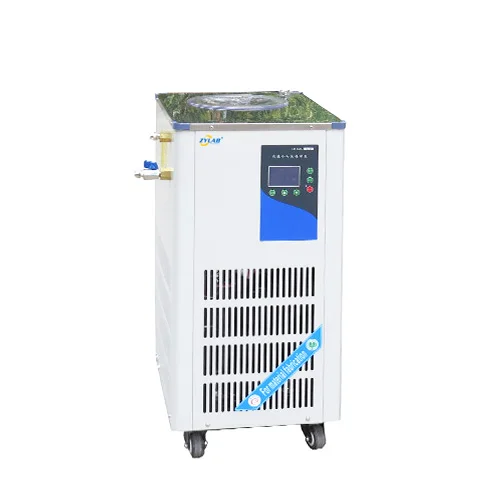
Recirculating Chillers – Cooling Solutions for Lab High-Temp Furnaces
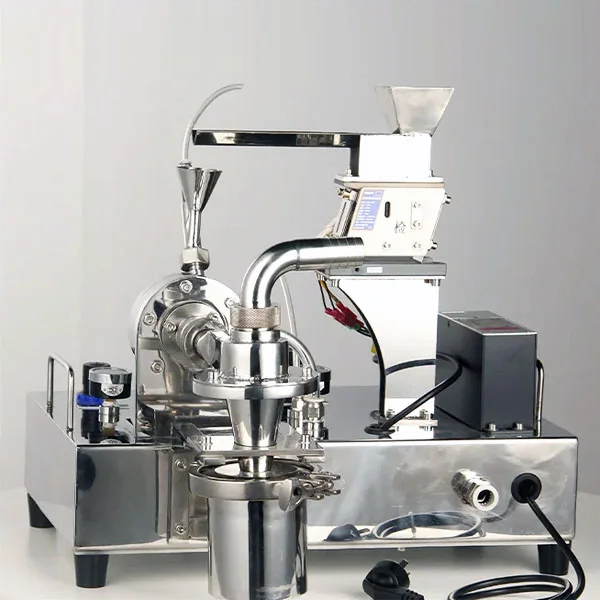
5-500g/h Compact Jet Mill for Lab Use with Cyclone Separator and Collection Vessel
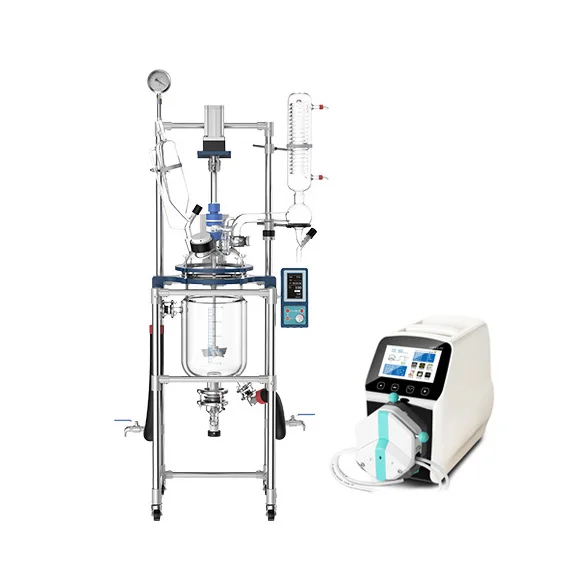
Double Glass Walled Reactor with Dosing System | Temperature Control | For Lab Synthesis & Catalysis
Horizontal 3-Zone Folding Tube Furnace- Advanced Heating Solutions for Labs
Working With ZYLAB On A Project Like This
Can PTFE Spray Cleaning Inside of Reaction Vessel be customised for our process?
Yes. Chamber or tube size, temperature profile, atmosphere, gas path, control system and data recording can all be adapted. Send us your process conditions and sample details and our engineers work out a configuration with you.
How quickly can PTFE Spray Cleaning Inside of Reaction Vessel be shipped?
Most standard ZYLAB models are held in stock. After testing and packing we normally ship PTFE Spray Cleaning Inside of Reaction Vessel within 3 to 7 days. Customised builds are scheduled after the drawing is confirmed, and we give you the date in writing before the order is placed.
How is PTFE Spray Cleaning Inside of Reaction Vessel packed for export?
Packing is chosen for the safety of the machine against freight cost, typically a plywood or wooden crate with internal padding and vacuum-sealed accessories. Export documents such as Form A, Form E and Form F can be issued to help you save duty.
Can you supply items that are not on this page?
Yes. We have access to the complete lines of most of our suppliers and build custom equipment in our own factory, so tell us what the experiment needs and we will source or make it.
Have A Similar Requirement
Describe the material, the temperature and the throughput you need and an engineer will answer with a workable configuration.