What Is the Afterburn on a Furnace?
In high-temperature industrial processes such as sintering, metal melting, and ceramic firing, furnaces generate exhaust gases that may contain unburned hydrocarbons, volatile organic compounds (VOCs), or other harmful emissions. To address this issue, many modern furnaces are equipped with an after
- LaboratoryThermal Processingafterburn system for furnaceexhaust gas treatment furnacefurnace afterburner2025-11-11
Table of Contents
In high-temperature industrial processes such as sintering, metal melting, and ceramic firing, furnaces generate exhaust gases that may contain unburned hydrocarbons, volatile organic compounds (VOCs), or other harmful emissions. To address this issue, many modern furnaces are equipped with an afterburner system, also known as a secondary combustion chamber.
But what exactly is the afterburn on a furnace, and why is it important?
What Is an Afterburner?
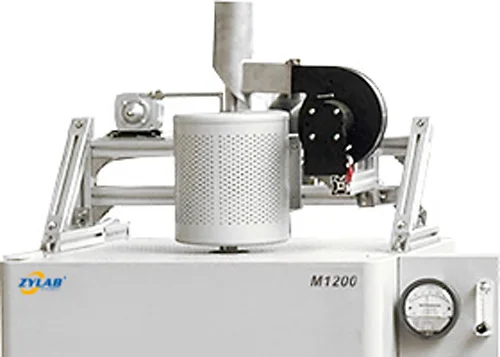
An afterburner (or post-combustion chamber) is a device installed at the exhaust outlet of a kiln or furnace. Its primary function is to burn off pollutants and unreacted gases remaining in the exhaust stream before they are released into the atmosphere.
By maintaining high temperatures and sufficient oxygen in the afterburning zone, these gases undergo complete combustion, significantly reducing harmful emissions such as CO, hydrocarbons, and VOCs.
How Does a Furnace Afterburner Work?
Collection of Exhaust Gases – The exhaust gases from the main furnace chamber are directed into the afterburner.
High-Temperature Oxidation – The afterburner operates at temperatures typically between 850°C and 1100°C, providing enough heat for complete oxidation of organic compounds.
Pollutant Breakdown – Harmful emissions are converted into CO₂, H₂O, and heat, leaving a much cleaner exhaust.
Emission Control – The treated gas is then released through the exhaust stack or further processed by a filtration or scrubber system if required.
Applications of Furnace Afterburners
Afterburners are widely used in:
Ceramic and glass kilns
Metal heat treatment furnaces
CVD and coating systems
Additive manufacturing and sintering processes
Chemical and laboratory furnaces
These applications often involve materials that release binders, solvents, or other organic compounds during heating — making afterburn systems essential for clean and safe operation.
Conclusion
A furnace afterburner is a vital component for achieving both environmental sustainability and safe industrial operation. By completely oxidizing unburned exhaust gases, it minimizes harmful emissions, improves process efficiency, and ensures compliance with air quality standards.
For laboratories, research institutions, and industrial manufacturers, selecting a furnace equipped with a reliable afterburn system is an important step toward greener and cleaner production.
Share this entry
You might also like
Quartz Tube Furnace
Distillation Solutions
Filtration Solutions
Chemical Synthesis Solutions
Related ZYLAB Products
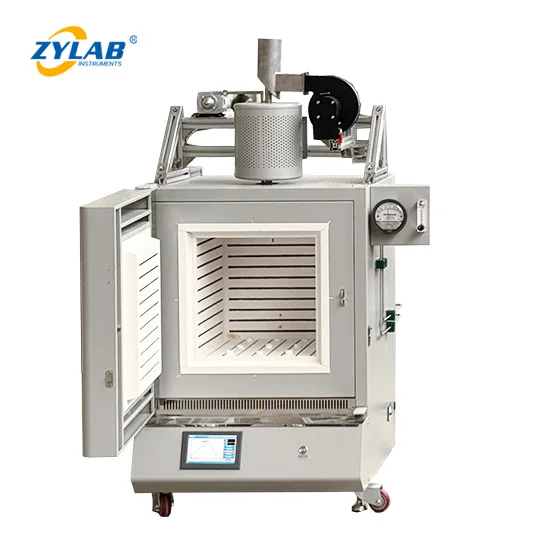
Lab Debinding Furnace with Exhaust Treatment System (afterburner and exhaust fan)
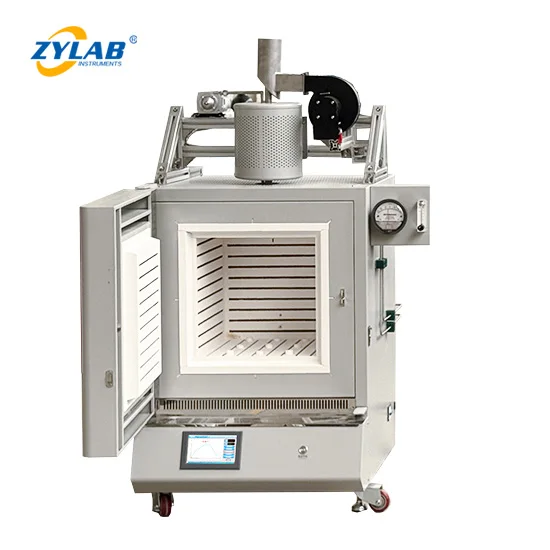
Box Furnace with Exhaust Gas Treatment for Debinding and Sintering
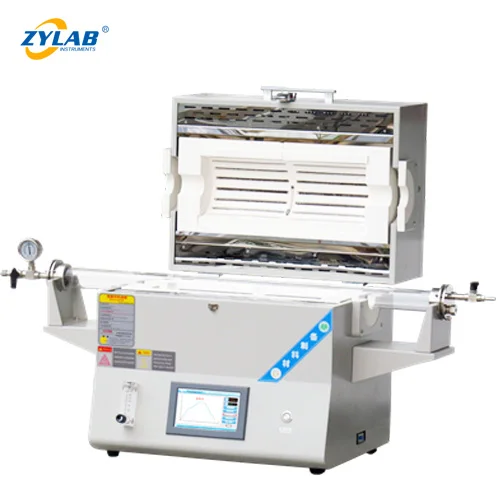
Customizable Tube Furnace with Gas Control System – Precision Atmosphere Processing
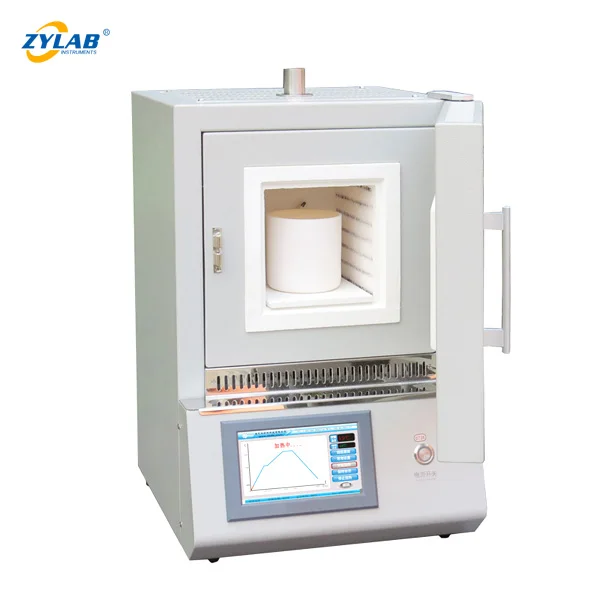
4.5L Muffle Furnace – Precision 1200°C Laboratory Furnace for Thermal Processing
Working With ZYLAB On A Project Like This
What warranty comes with What Is the Afterburn on a Furnace??
Most ZYLAB products carry a 2-year warranty, glass components excluded; the exact term for this model is the one printed in its specification table and repeated on the quotation. Within the warranty period any part that fails through no misuse of your own is replaced free of charge.
Can we get technical help before ordering What Is the Afterburn on a Furnace??
Yes, and it is free. Our technical staff help with model selection, troubleshooting, manuals and application questions whether or not you have ordered from us before. Write to [email protected] or message us on WhatsApp.
Which shipping methods do you use?
Sea freight for consignments over about 60 kg (11-30 days to North America, 25-33 days to Europe, 7-20 days to Southeast Asia), air freight to airport in roughly 7-10 days, and DHL, FedEx or UPS door to door in about 5-7 days for small urgent items.
How can we pay for What Is the Afterburn on a Furnace??
Bank (wire) transfer, letter of credit for larger orders, major credit and debit cards, and PayPal. Bank details are printed on the invoice; send us the transfer confirmation and we start processing straight away.
Have A Similar Requirement
Describe the material, the temperature and the throughput you need and an engineer will answer with a workable configuration.