
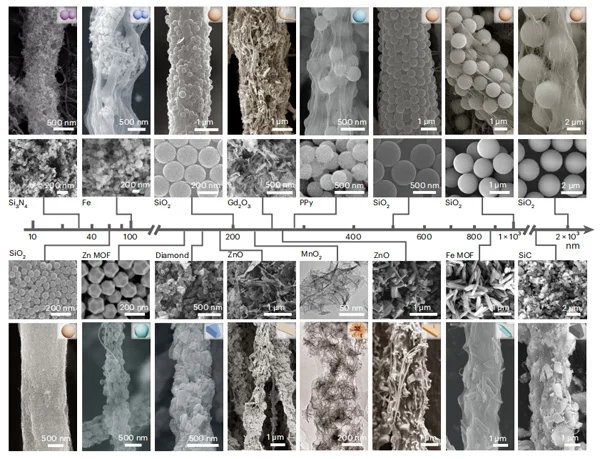
Powder Material Fibrillation: Mechanisms, Applications, and Research Trends
This article provides a research-focused overview of powder material fibrillation, covering mechanisms, materials, processing methods, and typical applications, including laboratory-scale studies using jet milling equipment such as the Lab Scale Jet Mill.
- GrindingAdvanced material processingFibrillated powdersHigh-performance composite materialslab scale jet mill2025-11-14
Table of Contents
Powder material fibrillation is a key technique in advanced materials research, enabling the transformation of powders into fiber-like structures with enhanced surface area, mechanical strength, and functional properties. Fibrillated powders are widely used in composites, energy materials, filtration, and additive manufacturing.
This article provides a research-focused overview of powder material fibrillation, covering mechanisms, materials, processing methods, and typical applications, including laboratory-scale studies using jet milling equipment such as the Lab Scale Jet Mill.
What Is Powder Material Fibrillation?
Powder material fibrillation refers to the process of converting micron- or nano-scale powders into elongated fibers through mechanical, chemical, or thermomechanical methods. Fibrillated powders typically feature:
High aspect ratio (length-to-diameter ratio)
Increased surface area
Enhanced interfacial bonding in composites
Tailorable porosity and morphology
Fibrillated powders improve dispersibility, mechanical reinforcement, and functional performance compared with granular powders.
Mechanisms of Fibrillation
Fibrillation can occur through different mechanisms depending on material type and processing technique:
1. Mechanical Shear-Induced Fibrillation
High shear forces stretch particles into fiber-like structures. In laboratory research, jet milling—such as experiments conducted with the Lab Scale Jet Mill—provides controlled particle collisions that can produce uniform fibrillated powders for polymers, ceramics, and biomass materials.
2. Thermomechanical Fibrillation
Heating near the glass transition temperature softens materials, enabling fiber formation during milling, extrusion, or stretching processes.
3. Chemical Fibrillation
Chemical treatments, selective dissolution, or surface etching can modify particle morphology to promote fibrillation. This is commonly applied to cellulose, graphene, and metal-organic powders.
4. Electrospinning-Assisted Fibrillation
Electrospinning can convert powder-like precursors into nanoscale fibrils with controlled morphology.
Materials Suitable for Fibrillation
A wide range of powders can be fibrillated in the lab:
Polymers: PTFE, PEEK, nylon precursors
Inorganic powders: alumina, silica, zirconia
Carbon-based powders: graphene, carbon nanotubes, carbon black composites
Biomass powders: cellulose, chitin
Metal powders: Ni, Fe, TiO₂ for catalysis or energy applications
Laboratory-scale jet milling systems, such as the ZYLAB Lab Scale Jet Mill, are frequently used to study these materials under controlled conditions, allowing researchers to explore the effects of milling parameters on fiber morphology and aspect ratio.
Benefits of Fibrillated Powders
Increased surface area: Enhances catalytic activity, adsorption, and reaction rates
Improved mechanical reinforcement: Better stress transfer and interfacial adhesion in composites
Enhanced porosity and filtration efficiency: Useful for membranes, separators, and lab-scale filtration
Superior dispersion stability: Reduces agglomeration in polymer melts, ceramic slurries, or suspensions
Tunable functionality: Fiber morphology can be engineered for thermal, electrical, or chemical performance
Processing Techniques for Fibrillation
High-shear milling or jet milling: Uses particle collisions to generate fiber-like structures. Lab-scale jet mills, including the ZYLAB Lab Scale Jet Mill, allow precise control of particle velocity, collision intensity, and feed rate.
Cryogenic grinding: Prevents thermal degradation for temperature-sensitive powders
Hot pressing and stretching: Common for polymer-based fillers
Solvent-assisted swelling: Enables controlled fibrillation of cellulose, carbon, and hybrid powders
Electrospinning/electrospraying: Produces ultra-fine nano-fibrils with controllable morphology
1. Advanced Composites
Fibrillated powders enhance tensile strength, impact resistance, and thermal stability of polymer or ceramic matrices.
2. Energy Materials
High-surface-area fibers are used in lithium-ion battery separators, solid electrolytes, and conductive additive networks.
3. Filtration and Separation
Fiber networks provide high porosity and fine-particle capture for membranes and lab-scale filtration systems.
4. Catalysis
Enhanced surface area increases reaction efficiency in catalytic materials.
5. Additive Manufacturing
Fibrillated powders improve interlayer bonding and mechanical performance in 3D-printed materials.
6. Thermal Insulation and Functional Coatings
Fiber morphology can reduce thermal conductivity and improve durability in coatings.
Research Trends
Nano-fibrillated composites combining carbon and ceramic fillers
Bio-based fibrillated materials for sustainable engineering
Lightweight structural materials for aerospace and automotive applications
Advanced process control for reproducible fibrillation
High-temperature sintering and post-processing of fibrillated powders
Conclusion
Powder material fibrillation is a fundamental technique for producing fiber-like powders with enhanced mechanical, thermal, and functional properties. Understanding the mechanisms, material selection, and processing methods is essential for researchers developing advanced composites, energy materials, and filtration systems.
Laboratory-scale equipment, such as jet milling systems, provides a controlled environment for studying fibrillation processes and optimizing fiber morphology in research applications.
Share this entry
You might also like
Rotavapor
Filtration
Magnetic Material Preparation
Cylindrical Cell Preparation
Related ZYLAB Products
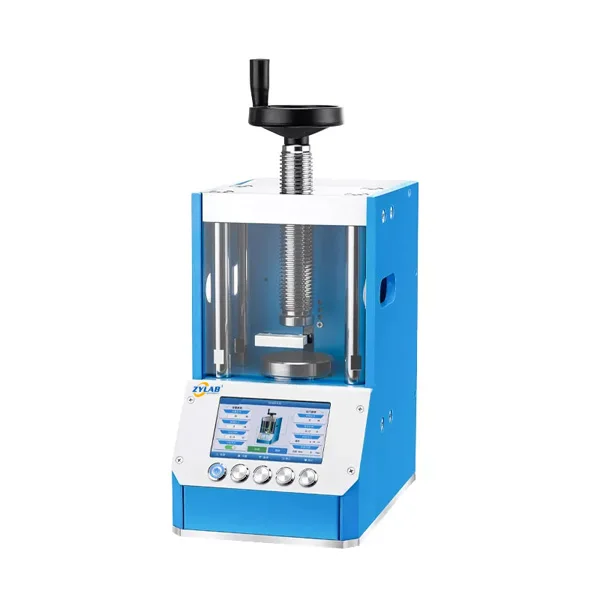
Lab-Scale 12 Ton Bench-Top Automatic Hydraulic Pellet Press for Powder Compaction & Dry Granulation Processing
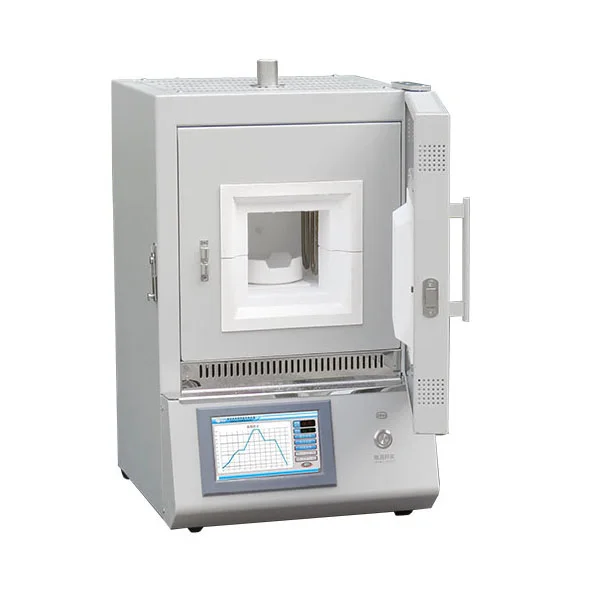
Premium High-temp Sintering Furnace for Ceramics, Metal Powder & Material Research
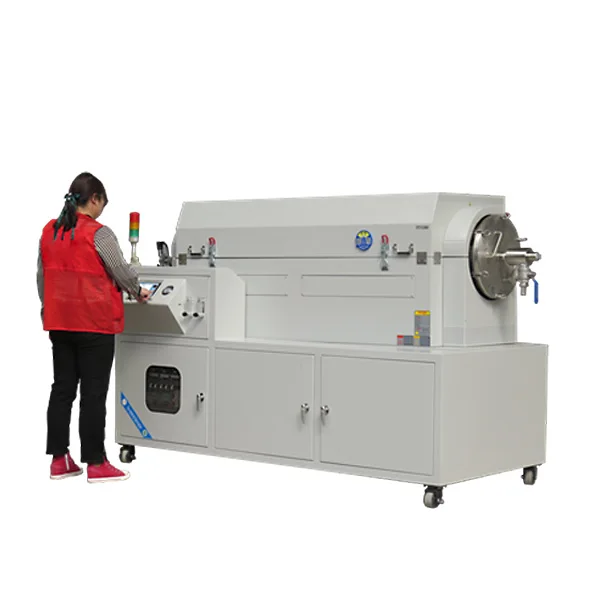
Rotary Powder Calcination Furnace for Battery Material Processing
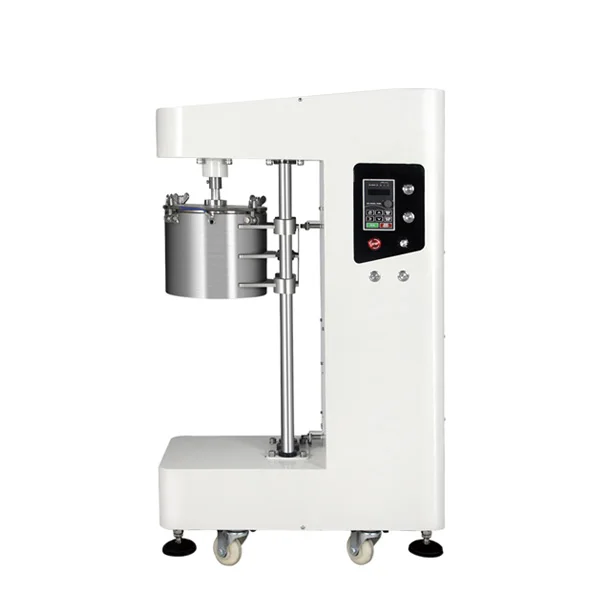
High Energy Dispersed Powder Uniform Mixing and Grinding Stirred Ball Mill
Working With ZYLAB On A Project Like This
How quickly can Powder Material Fibrillation: Mechanisms, Applications, and Research T be shipped?
Most standard ZYLAB models are held in stock. After testing and packing we normally ship Powder Material Fibrillation: Mechanisms, Applications, and Research T within 3 to 7 days. Customised builds are scheduled after the drawing is confirmed, and we give you the date in writing before the order is placed.
Is there a minimum order quantity for Powder Material Fibrillation: Mechanisms, Applications, and Research T?
No. ZYLAB has no minimum order requirement, so a single unit of Powder Material Fibrillation: Mechanisms, Applications, and Research T is a normal order. Occasionally a component supplier imposes a minimum quantity of their own, and we tell you as soon as we are notified.
Can we get technical help before ordering Powder Material Fibrillation: Mechanisms, Applications, and Research T?
Yes, and it is free. Our technical staff help with model selection, troubleshooting, manuals and application questions whether or not you have ordered from us before. Write to [email protected] or message us on WhatsApp.
What if Powder Material Fibrillation: Mechanisms, Applications, and Research T is damaged in transit?
Contact your ZYLAB sales engineer immediately with photographs. We arrange a substitute delivery promptly and handle the claim with the carrier.
Have A Similar Requirement
Describe the material, the temperature and the throughput you need and an engineer will answer with a workable configuration.