Comprehensive Guide to Graphene Thin-Layer Material Preparation Methods
Graphene, a single layer of carbon atoms arranged in a hexagonal lattice, has attracted widespread attention due to its exceptional electrical, thermal, and mechanical properties. The preparation of thin-layer graphene is a key step for applications in electronics, energy storage, sensors, and compo
- Sample PreparationCVD graphenegraphene preparation methodsgraphene productionmechanical exfoliation graphene2025-12-05
Table of Contents
Graphene, a single layer of carbon atoms arranged in a hexagonal lattice, has attracted widespread attention due to its exceptional electrical, thermal, and mechanical properties. The preparation of thin-layer graphene is a key step for applications in electronics, energy storage, sensors, and composite materials.
This article provides a comprehensive overview of the main graphene preparation methods, their processes, characteristics, and practical considerations.
1. Mechanical Exfoliation Method
Mechanical exfoliation, also known as the “Scotch tape method”, is one of the earliest and simplest methods for producing high-quality graphene layers. It involves peeling off thin layers from bulk graphite through mechanical force.
Case Study:
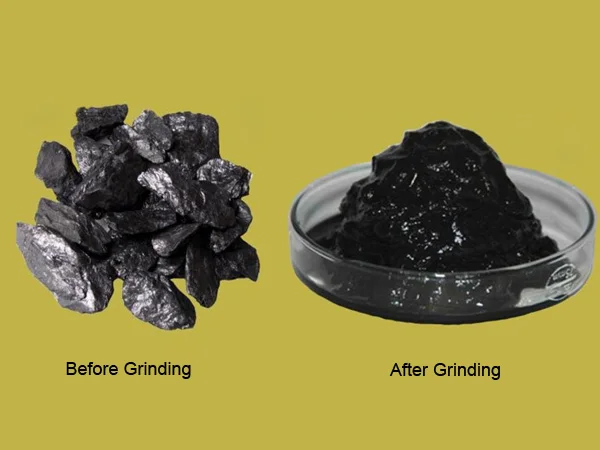
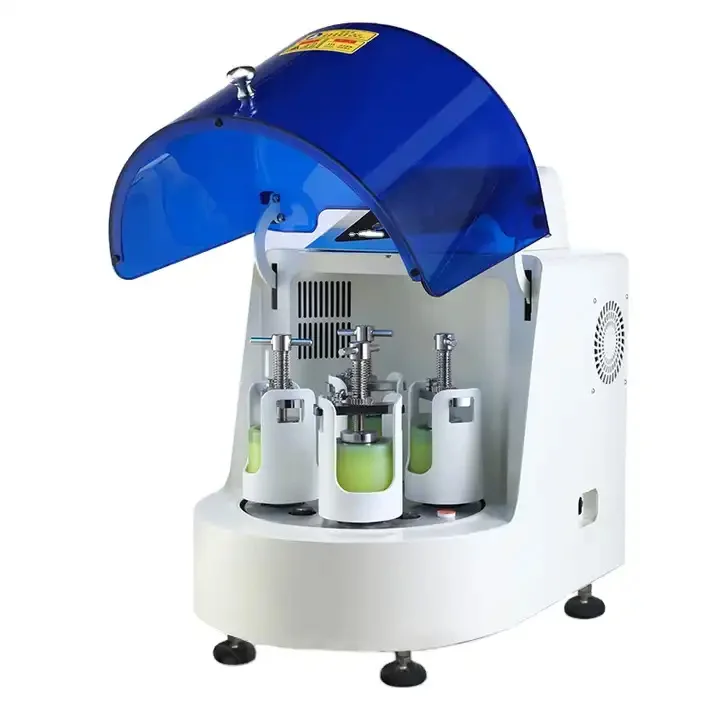
Using a ZYLAB Planetary Ball Mill, graphene thin layers can be obtained with high crystal integrity:
Equipment: Planetary Ball Mill
Rotational Speed: 600 rpm
Grinding Time: 120 minutes
Result: Thin-layer graphene retaining intact crystal structure
Advantages:
Produces high-quality, defect-free graphene
Simple equipment requirements
2. Oxidation-Reduction Method
The oxidation-reduction method involves converting graphite to graphene oxide (GO) through chemical oxidation, followed by reduction to obtain graphene.
Process:
Oxidize graphite using strong oxidizing agents to produce graphene oxide.
Reduce graphene oxide chemically or thermally to restore conductivity and structure.
Advantages:
Scalable for larger quantities
Allows surface functionalization for composite materials
3. Silicon Carbide (SiC) Epitaxial Growth
SiC epitaxial growth is a method where graphene layers form on silicon carbide substrates at high temperatures through thermal decomposition.
Process:
Heat SiC wafers under vacuum or inert atmosphere.
Silicon atoms sublimate, leaving behind carbon atoms that form graphene layers.
Advantages:
Produces high-quality, uniform graphene layers on wafers
Suitable for electronic devices
4. Chemical Vapor Deposition (CVD) Method
Chemical Vapor Deposition is widely used for large-area, high-quality graphene production.
Process:
Introduce hydrocarbon gases (e.g., methane) over a metal substrate (copper or nickel).
Decompose the gas at high temperature to form a graphene layer on the substrate.
Transfer graphene onto target substrates if needed.
Advantages:
Produces large-area, uniform graphene films
Good control over layer thickness
Scalable for industrial production
5. Other Methods
Other graphene preparation methods include:
Liquid-phase exfoliation: Graphite is dispersed in solvents and ultrasonically exfoliated to form graphene flakes.
Electrochemical exfoliation: Uses electrochemical reactions to peel graphene from graphite.
Arc discharge and laser ablation: High-energy methods for producing graphene nanoplatelets.
Each method has its unique advantages and application scenarios, ranging from laboratory-scale high-quality graphene to industrial-scale production for composites and coatings.
Conclusion
Choosing the appropriate graphene preparation method depends on the target application, quality requirements, and production scale.
For research requiring high crystal integrity, mechanical exfoliation with a planetary ball mill is ideal.
For large-scale production, CVD or oxidation-reduction methods are preferred.
For electronics applications, SiC epitaxial growth provides uniform, wafer-ready graphene.
By understanding the advantages, limitations, and practical setups of each method, researchers and engineers can select the optimal approach for producing graphene thin-layer materials.
Share this entry
You might also like
Understanding Bridgman Furnace Price: A Comprehensive Guide
What is a CVD furnace?
Advanced High-Temperature Furnaces for Hydrogen Furnace Steel Research
NdFeB Knowledge | Sintered Magnet Preparation Process and Equipment
Related ZYLAB Products
Multi-Layer Alumina Setter Plate for Sample Sintering
Laboratory Pulverized Ball Mill for Powder Milling and Sample Preparation
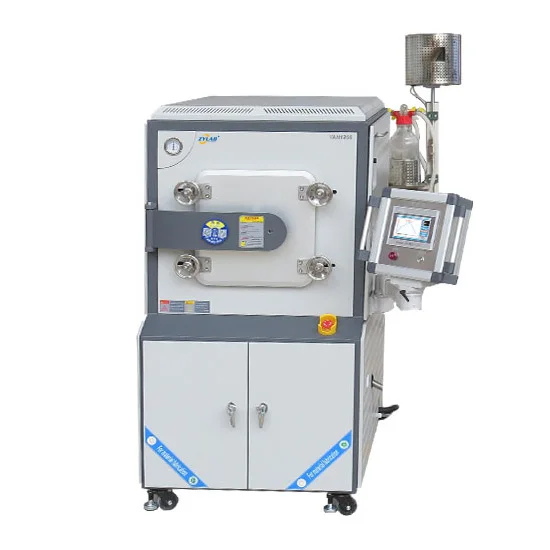
Advanced Clean Box Hydrogen Reduction Furnace for Metallurgy and Material Science
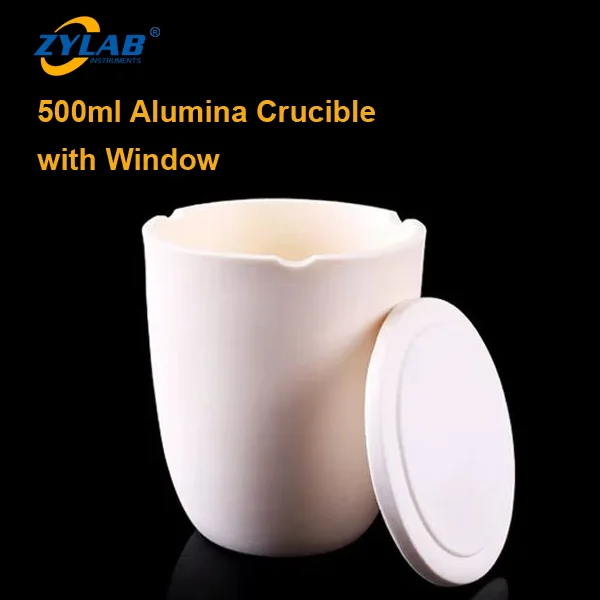
Customizable Alumina Crucible with Window – Ideal for Material Testing and Sample Monitoring
Working With ZYLAB On A Project Like This
Can Comprehensive Guide to Graphene Thin-Layer Material Preparation Method be customised for our process?
Yes. Chamber or tube size, temperature profile, atmosphere, gas path, control system and data recording can all be adapted. Send us your process conditions and sample details and our engineers work out a configuration with you.
How quickly can Comprehensive Guide to Graphene Thin-Layer Material Preparation Method be shipped?
Most standard ZYLAB models are held in stock. After testing and packing we normally ship Comprehensive Guide to Graphene Thin-Layer Material Preparation Method within 3 to 7 days. Customised builds are scheduled after the drawing is confirmed, and we give you the date in writing before the order is placed.
How is Comprehensive Guide to Graphene Thin-Layer Material Preparation Method packed for export?
Packing is chosen for the safety of the machine against freight cost, typically a plywood or wooden crate with internal padding and vacuum-sealed accessories. Export documents such as Form A, Form E and Form F can be issued to help you save duty.
Can you supply items that are not on this page?
Yes. We have access to the complete lines of most of our suppliers and build custom equipment in our own factory, so tell us what the experiment needs and we will source or make it.
Have A Similar Requirement
Describe the material, the temperature and the throughput you need and an engineer will answer with a workable configuration.