
How to Solve Common Problems in High-Temperature Modification of Lithium Battery Cathode Materials
High-temperature modification is a critical step in improving the performance of lithium-ion battery cathode materials such as LFP, NMC, and LCO. However, many researchers and engineers face challenges related to phase stability, lithium loss, atmosphere control, and material uniformity.
- LaboratoryThermal ProcessingAtmosphere Controlled CalcinationBattery Material FurnaceCathode Material Heat Treatment2026-04-16
Introduction
High-temperature modification is a critical step in improving the performance of lithium-ion battery cathode materials such as LFP, NMC, and LCO. However, many researchers and engineers face challenges related to phase stability, lithium loss, atmosphere control, and material uniformity.
This article outlines practical solutions to the most common problems encountered during high-temperature processing and how to optimize your experimental results.
1. How to Prevent Phase Instability
Problem: Unwanted phase formation or crystal structure damage
Solutions:
- Precisely control the calcination temperature window
- Avoid overheating beyond material-specific limits
- Use step heating profiles instead of rapid heating
- Optimize holding time to prevent secondary phase formation
2. How to Improve Doping and Coating Uniformity
Problem: Uneven element distribution or coating thickness
Solutions:
- Use rotary or oscillating motion to enhance powder mixing
- Reduce batch loading to improve material mobility
- Pre-mix powders using ball milling before heat treatment
- Optimize rotation speed and oscillation frequency
3. How to Control Oxygen Partial Pressure
Problem: Incorrect oxidation/reduction reactions
Solutions:
- Use controlled gas atmosphere systems (O₂, N₂, Ar)
- Monitor and adjust gas flow rate precisely
- Ensure proper sealing to prevent air leakage
- Introduce oxygen when required for layered oxide materials
4. How to Reduce Particle Growth and Agglomeration
Problem: Grain coarsening and particle clustering
Solutions:
- Lower calcination temperature when possible
- Shorten holding time
- Introduce mechanical motion (rotation + oscillation)
- Add dispersants or coating agents if applicable
5. How to Minimize Lithium Loss
Problem: Lithium evaporation at high temperature
Solutions:
- Add excess lithium source (Li₂CO₃ / LiOH)
- Use covered or semi-closed systems
- Optimize atmosphere (avoid excessive gas flow)
- Reduce peak temperature where possible
6. How to Protect Carbon Coating
Problem: Carbon layer oxidation or degradation
Solutions:
- Use inert atmosphere (Ar or N₂)
- Strictly avoid oxygen during high-temperature stages
- Control heating rate to prevent carbon burn-off
- Optimize coating thickness
7. How to Improve Temperature Uniformity
Problem: Uneven heating inside the furnace
Solutions:
- Use furnaces with uniform heating zones
- Keep sample within the effective heating zone
- Avoid excessive loading
- Use rotary/oscillating systems to eliminate hot/cold spots
8. How to Ensure Complete Reaction
Problem: Incomplete phase formation or weak modification effect
Solutions:
- Optimize reaction temperature and duration
- Improve powder contact via mixing
- Use smaller particle size raw materials
- Ensure sufficient diffusion time
9. How to Avoid Atmosphere Contamination
Problem: Moisture or unwanted gases affecting reactions
Solutions:
- Use high-purity gases (≥99.999%)
- Install gas purification systems
- Pre-purge the furnace chamber
- Check sealing components regularly
10. How to Improve Experimental Reproducibility
Problem: Inconsistent results between batches
Solutions:
- Standardize all process parameters
- Use programmable controllers (PID systems)
- Keep raw material quality consistent
- Record and replicate exact experimental conditions
Why Equipment Matters
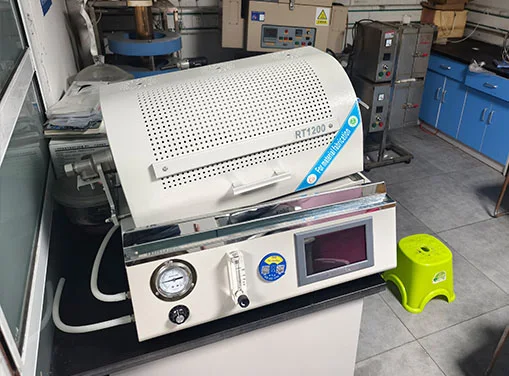
Using advanced equipment such as a Rotary Oscillating Tube Furnace can significantly reduce these issues by providing:
- Continuous material movement for better uniformity
- Stable atmosphere control during dynamic processing
- Precise temperature management
- Improved repeatability of experiments
Conclusion
Successful high-temperature modification of lithium battery cathode materials depends on precise control of temperature, atmosphere, and material dynamics.
By addressing the common issues outlined above and optimizing both process parameters and equipment selection, researchers can achieve:
- Higher material consistency
- Improved electrochemical performance
- More reliable experimental results
Share this entry
You might also like
Rapid Thermal Processing (RTP) Furnace for Nanotechnology Research
Lab Scale Jet Mill vs. Other Milling Techniques: A Practical Comparison for Researchers
How Clean-Chamber Vacuum Atmosphere Bottom-Loading Furnaces Transform Nanomaterials and Enzyme Catalysis Research
Supplying High-Performance Ceramic Setter Plates to Turkey’s Leading Aerospace Company TEI
Related ZYLAB Products
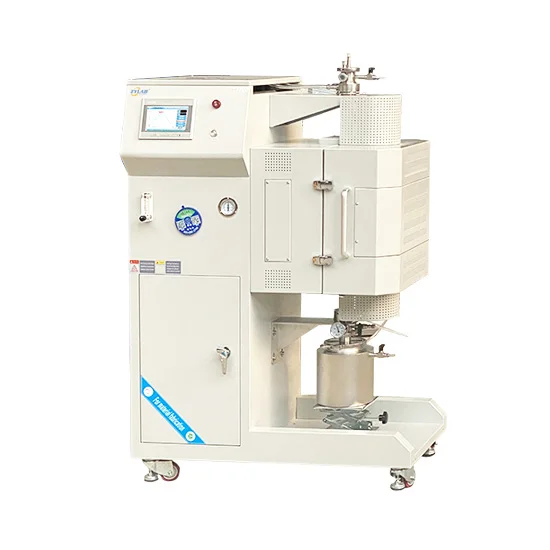
1700°C Vertical Atmosphere Controlled Quenching Furnace for High-Performance Heat Treatment
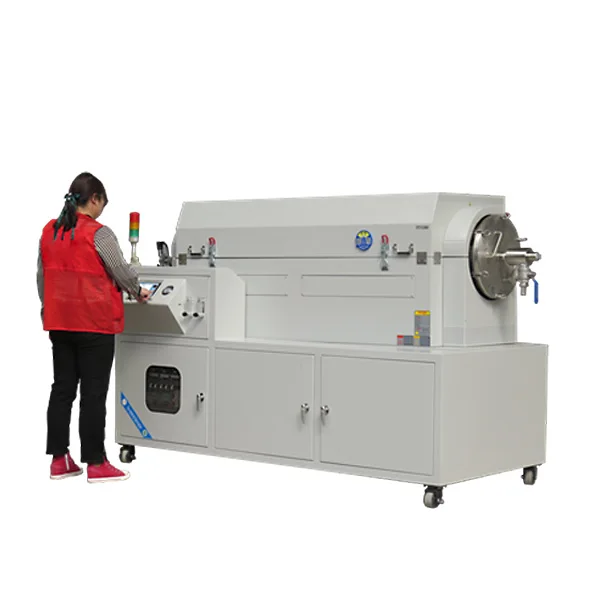
Rotary Powder Calcination Furnace for Battery Material Processing
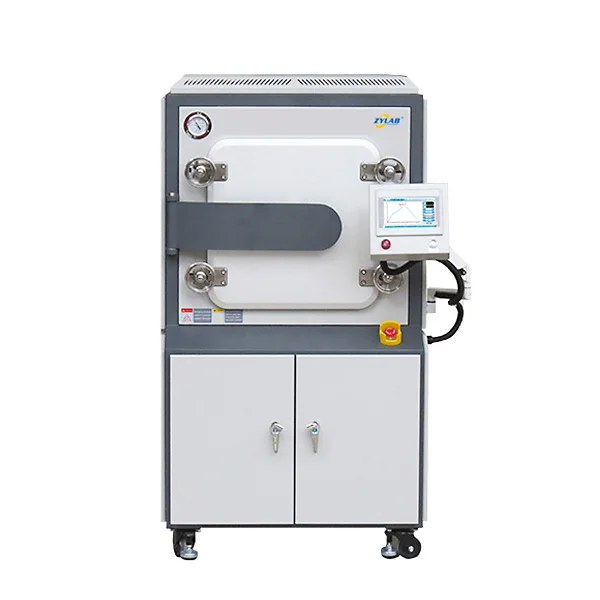
1200°C 27L Vacuum Atmosphere Muffle Furnace for Heat Treatment
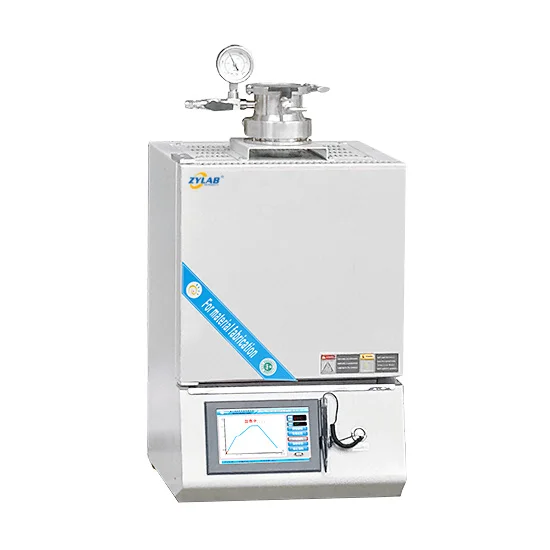
Vacuum Atmosphere Hybrid Box/Tube Furnace for Precision Heat Treatment
Working With ZYLAB On A Project Like This
How quickly can How to Solve Common Problems in High-Temperature Modification of Lithi be shipped?
Most standard ZYLAB models are held in stock. After testing and packing we normally ship How to Solve Common Problems in High-Temperature Modification of Lithi within 3 to 7 days. Customised builds are scheduled after the drawing is confirmed, and we give you the date in writing before the order is placed.
Can How to Solve Common Problems in High-Temperature Modification of Lithi be customised for our process?
Yes. Chamber or tube size, temperature profile, atmosphere, gas path, control system and data recording can all be adapted. Send us your process conditions and sample details and our engineers work out a configuration with you.
What warranty comes with How to Solve Common Problems in High-Temperature Modification of Lithi?
Most ZYLAB products carry a 2-year warranty, glass components excluded; the exact term for this model is the one printed in its specification table and repeated on the quotation. Within the warranty period any part that fails through no misuse of your own is replaced free of charge.
Can we get technical help before ordering How to Solve Common Problems in High-Temperature Modification of Lithi?
Yes, and it is free. Our technical staff help with model selection, troubleshooting, manuals and application questions whether or not you have ordered from us before. Write to [email protected] or message us on WhatsApp.
Have A Similar Requirement
Describe the material, the temperature and the throughput you need and an engineer will answer with a workable configuration.