Ash Content Testing with Muffle Furnace | Comprehensive Guide
Ash content testing is a crucial process in material analysis across industries such as metallurgy, environmental science, and food safety. A muffle furnace is one of the most commonly used instruments for this task due to its ability to provide stable, high-temperature conditions for complete combu
- LaboratoryThermal ProcessingAlumina CrucibleAsh Content TestingAtmosphere Control Furnace2025-04-25
Table of Contents
Ash content testing is a crucial process in material analysis across industries such as metallurgy, environmental science, and food safety. A muffle furnace is one of the most commonly used instruments for this task due to its ability to provide stable, high-temperature conditions for complete combustion of organic matter.
In this blog, we’ll walk through how ash content testing is performed, common challenges, and how to improve accuracy—with insights into how modern equipment like the ZYLAB muffle furnace enhances reliability.
What Is Ash Content Testing?
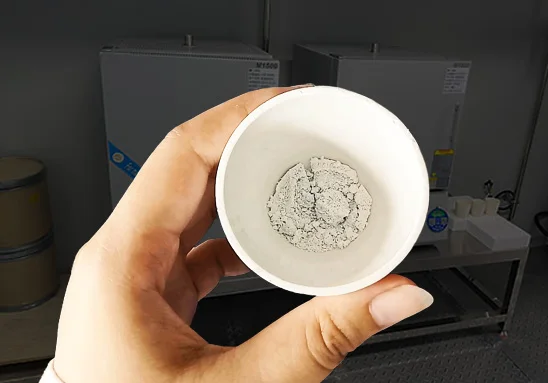
Ash content refers to the inorganic residue left after the combustion of a sample. It is an important quality indicator for substances like coal, biomass, food, plastics, and more. Ash testing helps determine material purity, quality, and suitability for further processing.
How to Use a Muffle Furnace for Ash Content Testing?
Performing ash content testing with a muffle furnace typically involves the following steps:
Sample Preparation: Weigh the sample using a precision scale.
Loading the Furnace: Place the sample in a crucible and insert it into the preheated furnace.
Combustion: Heat the sample at a specific temperature (usually between 500°C and 600°C) to burn off volatile and organic components.
Cooling and Final Weighing: After complete ashing, cool the crucible and weigh the remaining residue to calculate the ash content.
Common Challenges in Ash Content Testing with Muffle Furnaces
Despite being a standard method, ash testing can be affected by several issues:
Temperature Fluctuations: Inconsistent temperatures can lead to incomplete combustion or inaccurate results.
Non-uniform Heating: Uneven heating zones may cause partial ashing in some parts of the sample.
Gas Emissions or Fume Accumulation: Certain materials release fumes or volatile gases, which can interfere with the ashing process.
ZYLAB muffle furnaces are engineered to overcome these challenges. They feature excellent temperature uniformity across the heating chamber, helping ensure complete and even combustion. Additionally, models with optional top exhaust chimneys or gas treatment systems support safe fume release, making them ideal for volatile or sensitive samples.
Why Choose a Muffle Furnace for Ash Content Testing?
Muffle furnaces are ideal because they isolate the sample from direct flame, ensuring clean combustion. Key advantages include:
High maximum temperatures (typically up to 1200°C or more)
Stable temperature profiles
Low contamination risk
Wide compatibility with crucible materials like porcelain, alumina, and quartz
How to Improve Accuracy in Ash Content Testing?
To ensure consistent and precise results, consider the following best practices:
Regular Calibration: Keep the furnace well-calibrated to maintain temperature accuracy.
Standardize Sample Sizes: Use consistent quantities across tests.
Use High-Purity Crucibles: Materials like alumina offer excellent thermal stability and chemical resistance.
Run Repeated Trials: Perform multiple tests to calculate average ash content for better reliability.
Moreover, ZYLAB muffle furnaces support customizable chamber sizes and PID fuzzy control systems that allow researchers to fine-tune temperature ramps and hold times. This level of control helps reduce variability between tests and improves the overall accuracy of ash content measurements.
Applications of Ash Content Testing
Ash content testing is widely used in:
Mining and Metallurgy: Quality control of coal and ores
Environmental Science: Soil and sludge analysis
Food and Agriculture: Ash content in grains, feed, and additives
Polymers and Plastics: Determining filler and additive levels
Conclusion
Ash content testing using a muffle furnace is a reliable method for determining the non-combustible residue in various materials.
Looking for a reliable, high-precision solution for ash content testing? ZYLAB offers a full range of customizable muffle furnaces, high-purity alumina crucibles, and optional atmosphere control systems to meet the needs of modern laboratories and research institutions.
If you have questions about choosing the right furnace model, need a custom design, or want to request a quote, feel free to contact our expert team.
Share this entry
You might also like
Case Study: Delivering a Pilot-Scale Rotary Calcination Furnace to a Norwegian Client
Why Three-Zone Tube Furnaces Are Ideal for Three-Stage Catalyst Preparation
Case Study: Small Laboratory Centrifuge Solution for a Norwegian Battery R&D Company
Can a Muffle Furnace Run Under Inert Gas Atmosphere? Understanding Gas Inlet Systems, Oxidation Control, and Vacuum Alternatives
Related ZYLAB Products
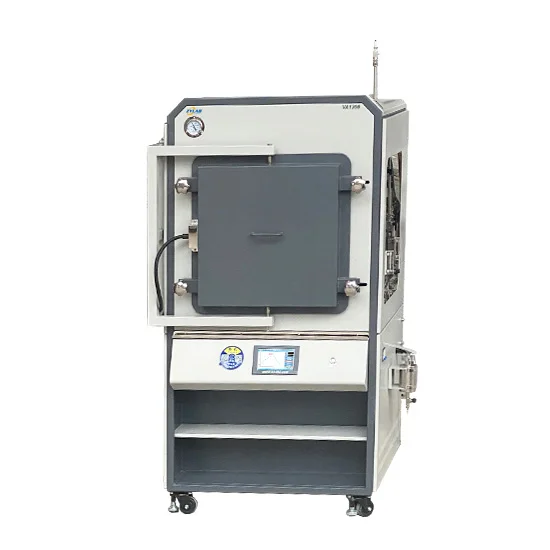
Vacuum Atmosphere Muffle Furnace for Titanium Diffusion Welding with Argon Purging and Mild Vacuum Control
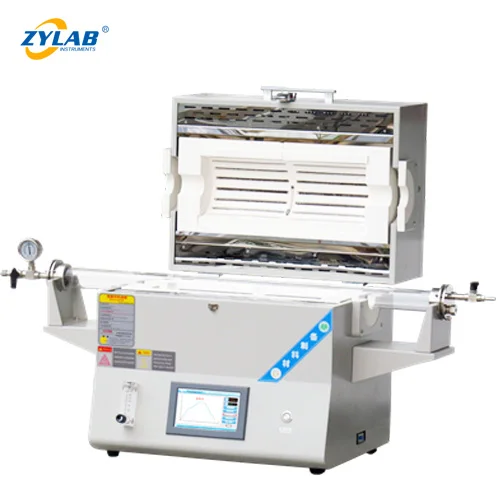
Customizable Tube Furnace with Gas Control System – Precision Atmosphere Processing
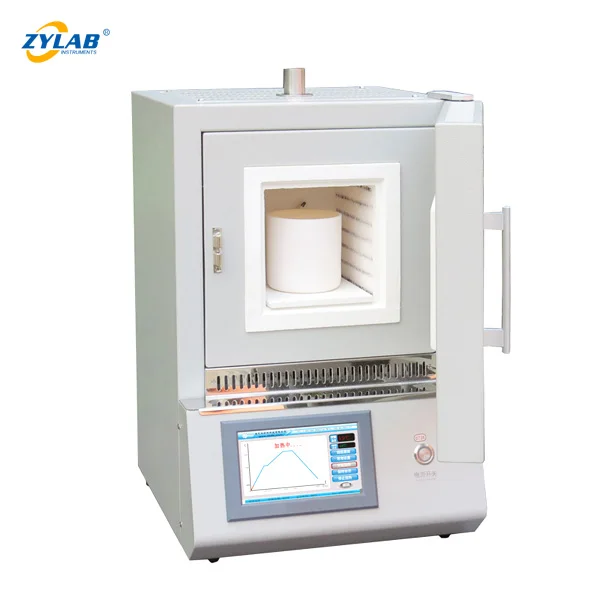
4.5L Muffle Furnace – Precision 1200°C Laboratory Furnace for Thermal Processing
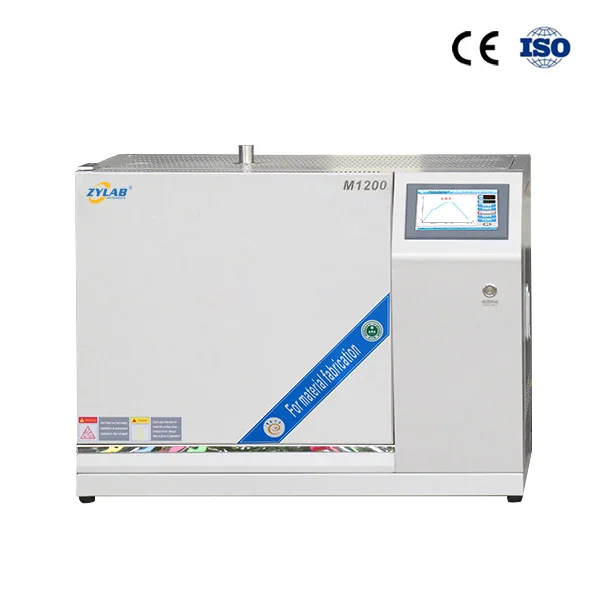
Economy Muffle Furnace | 1200°C Lab Furnace for Routine Thermal Processing
Working With ZYLAB On A Project Like This
Can Ash Content Testing with Muffle Furnace | Comprehensive Guide be customised for our process?
Yes. Chamber or tube size, temperature profile, atmosphere, gas path, control system and data recording can all be adapted. Send us your process conditions and sample details and our engineers work out a configuration with you.
How quickly can Ash Content Testing with Muffle Furnace | Comprehensive Guide be shipped?
Most standard ZYLAB models are held in stock. After testing and packing we normally ship Ash Content Testing with Muffle Furnace | Comprehensive Guide within 3 to 7 days. Customised builds are scheduled after the drawing is confirmed, and we give you the date in writing before the order is placed.
How is Ash Content Testing with Muffle Furnace | Comprehensive Guide packed for export?
Packing is chosen for the safety of the machine against freight cost, typically a plywood or wooden crate with internal padding and vacuum-sealed accessories. Export documents such as Form A, Form E and Form F can be issued to help you save duty.
Can you supply items that are not on this page?
Yes. We have access to the complete lines of most of our suppliers and build custom equipment in our own factory, so tell us what the experiment needs and we will source or make it.
Have A Similar Requirement
Describe the material, the temperature and the throughput you need and an engineer will answer with a workable configuration.