
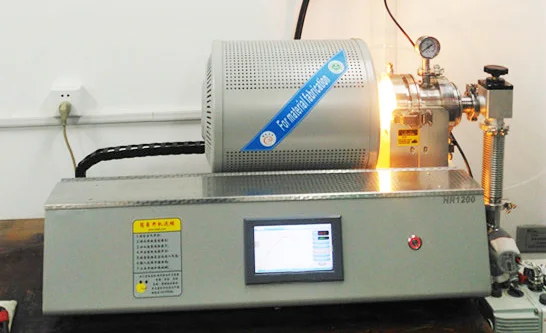
How Does a Tube Furnace Work? A Comprehensive Guide
Tube furnaces are indispensable tools in both scientific research and industrial applications. Known for their precise temperature control and uniform heat distribution, these furnaces are widely used in processes such as material synthesis, sintering, annealing, and calcination.
- LaboratoryThermal ProcessingApplications of tube furnaceControlled atmosphere tube furnaceHow does a tube furnace work2025-01-22
Table of Contents
Tube furnaces are indispensable tools in both scientific research and industrial applications. Known for their precise temperature control and uniform heat distribution, these furnaces are widely used in processes such as material synthesis, sintering, annealing, and calcination.
Heating Elements
The heating elements are the core of a tube furnace. Made from high-performance materials such as Kanthal, silicon carbide, or molybdenum disilicide, these elements generate heat when an electric current passes through them.
Furnace Tube
The heating elements surround the cylindrical furnace tube, which is typically made of materials like quartz, alumina, or stainless steel. The tube acts as the chamber where materials are placed for heating.
Temperature Control System
A precise temperature control system, often managed by thermocouples and a digital controller, maintains the desired temperature. This ensures consistent heating and avoids temperature fluctuations.
Atmosphere Control
- Ambient Air: For standard heating, the furnace operates in open air.
- Controlled Atmosphere: The tube can be sealed to allow the introduction of specific gases (e.g., argon, nitrogen, hydrogen) for inert or reactive environments. Vacuum systems may also be integrated for vacuum heating processes.
Insulation
High-quality insulation minimizes heat loss and ensures energy efficiency.
1. Setup and Preparation
Before starting, the sample is placed inside the furnace tube. If a controlled atmosphere is required, the tube is sealed, and the desired gas is introduced or a vacuum is applied.
2. Heating Process
When the furnace is powered on, the heating elements generate heat, which is evenly distributed around the furnace tube. The advanced temperature control system ensures the temperature rises at a specified rate and maintains the desired setpoint.
3. Thermal Treatment
The material inside the tube undergoes the intended thermal process, such as sintering, annealing, or calcination. The cylindrical design ensures uniform heating, critical for high-quality results.
4. Cooling
After the process, the furnace is gradually cooled down to prevent thermal shock.
5. Sample Extraction
Once cooled, the sample is removed for analysis or further processing.
Why Choose ZYLAB Tube Furnaces?
ZYLAB is a leading supplier of scientific instruments, offering tube furnaces that combine cutting-edge technology with robust design. Here’s what sets ZYLAB apart:
- Customizable Options: ZYLAB furnaces can be customized with features such as vacuum systems, atmosphere mixing, rapid cooling, and more to suit specific research or industrial needs.
- Durable Materials: High-quality quartz, alumina, and stainless steel tubes ensure longevity and compatibility with various processes.
- Precision and Reliability: Advanced temperature control systems provide consistent and accurate results.
- Versatility: ZYLAB tube furnaces are ideal for applications ranging from academic research to industrial production.
Applications of ZYLAB Tube Furnaces
- Material Synthesis: Creating advanced materials such as ceramics and composites.
- Heat Treatment: Processes like annealing and sintering for enhancing material properties.
- Gas Reaction Studies: Investigating chemical reactions under controlled atmospheres.
- Thermal Testing: Assessing material performance at high temperatures.
In conclusion, a tube furnace is a highly efficient and versatile tool for controlled thermal processing.
ZYLAB’s tube furnaces, with their superior materials and customizable features, provide the reliability and precision needed for a wide range of applications.
For more information or technical support, feel free to contact ZYLAB.
Share this entry
You might also like
What Is a two zone tube furnace?
Tubular Furnace
Three Zone Tube Furnace
Split Tube Furnace
Related ZYLAB Products
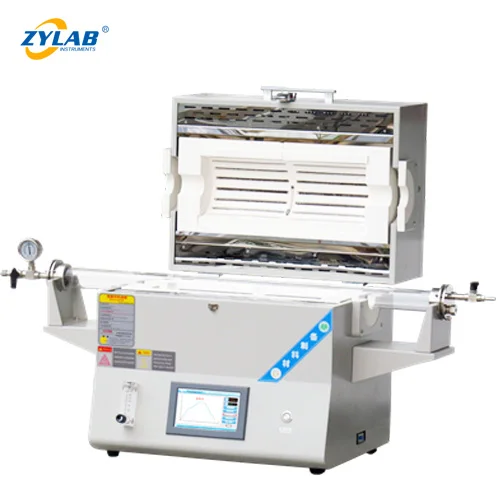
Customizable Tube Furnace with Gas Control System – Precision Atmosphere Processing
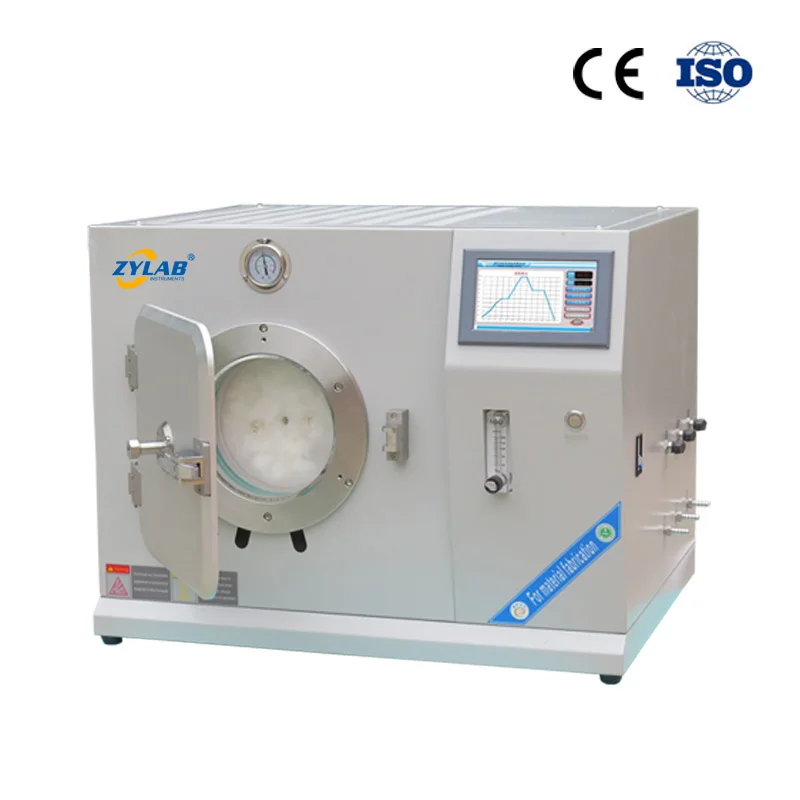
Laboratory Vacuum Atmosphere Tube Furnace for Wafer Processing
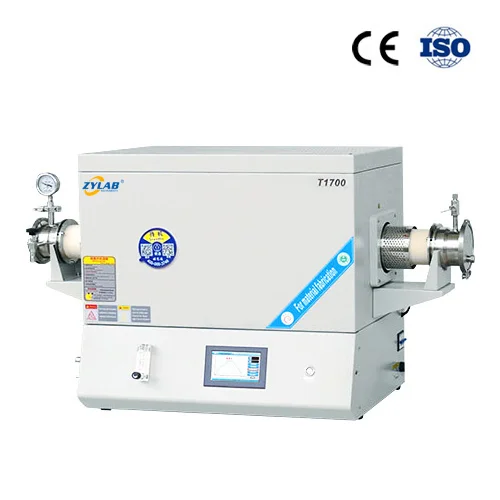
1700°C Two Zone Tube Furnace for Precision Thermal Processing
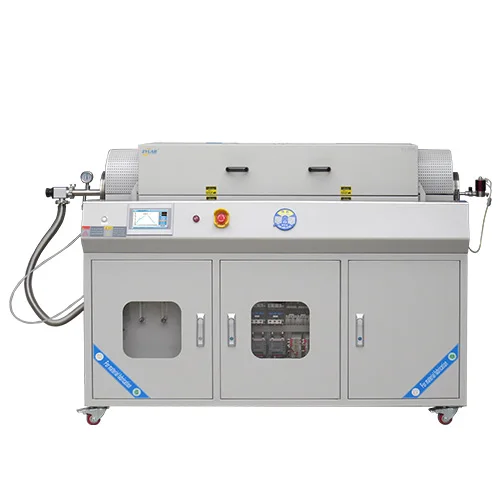
Multi-Zone High Temperature Quartz Tube Annealing Furnace for Wafer Processing
Working With ZYLAB On A Project Like This
Can How Does a Tube Furnace Work? A Comprehensive Guide be customised for our process?
Yes. Chamber or tube size, temperature profile, atmosphere, gas path, control system and data recording can all be adapted. Send us your process conditions and sample details and our engineers work out a configuration with you.
How quickly can How Does a Tube Furnace Work? A Comprehensive Guide be shipped?
Most standard ZYLAB models are held in stock. After testing and packing we normally ship How Does a Tube Furnace Work? A Comprehensive Guide within 3 to 7 days. Customised builds are scheduled after the drawing is confirmed, and we give you the date in writing before the order is placed.
How is How Does a Tube Furnace Work? A Comprehensive Guide packed for export?
Packing is chosen for the safety of the machine against freight cost, typically a plywood or wooden crate with internal padding and vacuum-sealed accessories. Export documents such as Form A, Form E and Form F can be issued to help you save duty.
Can you supply items that are not on this page?
Yes. We have access to the complete lines of most of our suppliers and build custom equipment in our own factory, so tell us what the experiment needs and we will source or make it.
Have A Similar Requirement
Describe the material, the temperature and the throughput you need and an engineer will answer with a workable configuration.