
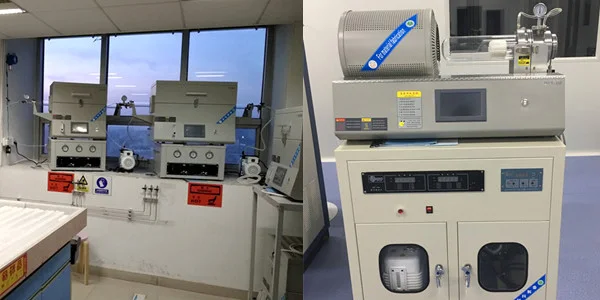
MOFs Fabrication via Chemical Vapor Deposition (CVD): A Breakthrough in Advanced Material Synthesis
While traditional synthesis methods such as solvothermal and hydrothermal techniques dominate MOF fabrication, Chemical Vapor Deposition (CVD) has emerged as an innovative alternative. CVD enables precise control over MOF structure and composition, enhancing scalability and functional properties.
- LaboratoryThermal ProcessingAdvanced MOF synthesis methodsCVD MOF synthesisCVD reactor for MOFs2025-03-05
Introduction
Metal-organic frameworks (MOFs) are highly porous materials with extensive applications in gas storage, catalysis, drug delivery, and separation processes.
While traditional synthesis methods such as solvothermal and hydrothermal techniques dominate MOF fabrication, Chemical Vapor Deposition (CVD) has emerged as an innovative alternative. CVD enables precise control over MOF structure and composition, enhancing scalability and functional properties.
This article explores the CVD process for MOF synthesis, including deposition mechanisms, reaction conditions, and advantages over conventional methods.
CVD Process for MOF Synthesis
CVD is a gas-phase technique where volatile metal precursors react with organic linkers under controlled temperature and pressure, leading to MOF layer formation on a substrate. This method provides high purity, uniformity, and tailored properties compared to traditional liquid-phase methods.
1. Metal Precursor Selection
- Common choices: Metal acetylacetonates, chlorides, or alkoxides
- The volatility of the precursor is crucial for efficient vapor transport.
2. Organic Linker Introduction
- Common linkers: Carboxylates, imidazolates, phosphonates
- Delivered via vapor phase or sublimation to interact with metal centers.
3. Deposition and Nucleation
- Carried out in a heated reactor (typically 200-500°C) under vacuum or controlled gas flow.
- Uniform MOF films grow on substrates such as silicon, glass, or metal foils.
4. Post-Treatment (Activation)
- Removal of residual solvents and unreacted species via thermal annealing or solvent exchange.
- Ensures enhanced porosity and stability.
Advantages of CVD for MOF Fabrication
- High Purity & Uniformity: Eliminates solvent contamination, producing defect-free MOF coatings.
- Scalability: Suitable for large-area deposition, ideal for industrial applications.
- Precise Thickness Control: Enables layer-by-layer growth with nanoscale precision.
- Enhanced Stability: Facilitates the fabrication of robust MOF coatings on diverse substrates.
Applications of CVD-Grown MOFs
- Gas Separation & Storage: Ultra-thin MOF membranes enhance gas selectivity.
- Catalysis: Active MOF coatings improve reaction efficiency.
- Electronics & Sensors: Functional MOF layers enable advanced sensing and electronic applications.
Conclusion
CVD-based MOF synthesis represents a cutting-edge approach for fabricating high-performance porous materials. With superior control over structure and scalability, this technique is revolutionizing MOF applications in gas separation, catalysis, and functional coatings.
For researchers and industries seeking advanced MOF fabrication solutions, ZYLAB provides customized CVD systems tailored for MOF synthesis. Contact us to explore our high-precision laboratory equipment!
Share this entry
You might also like
What is a Chamber Furnace? Applications, Features, and Selection Guide
How to Extend the Service Life of SiC Heating Elements
Supplying High-Purity Alumina Crucibles and Custom Alumina Tubes to a Leading Nanotech Company in Turkey
Supplying High-Purity Alumina Crucibles to INL, Portugal’s Leading Nanotechnology Laboratory
Related ZYLAB Products
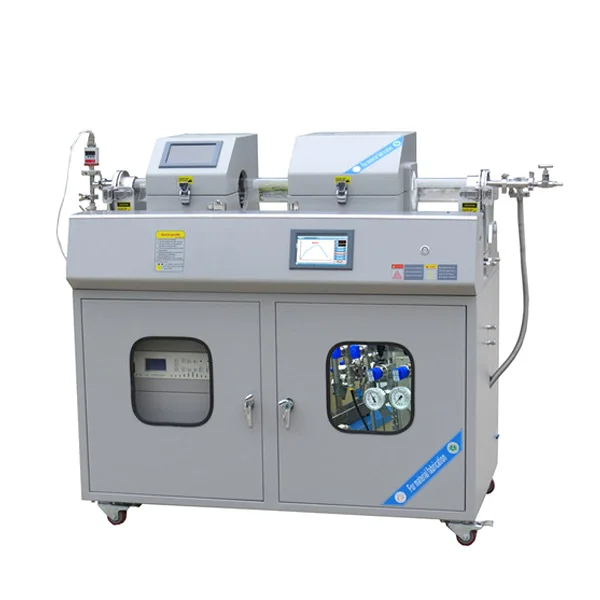
Advanced Plasma-Enhanced Chemical Vapor Deposition PECVD Furnace System
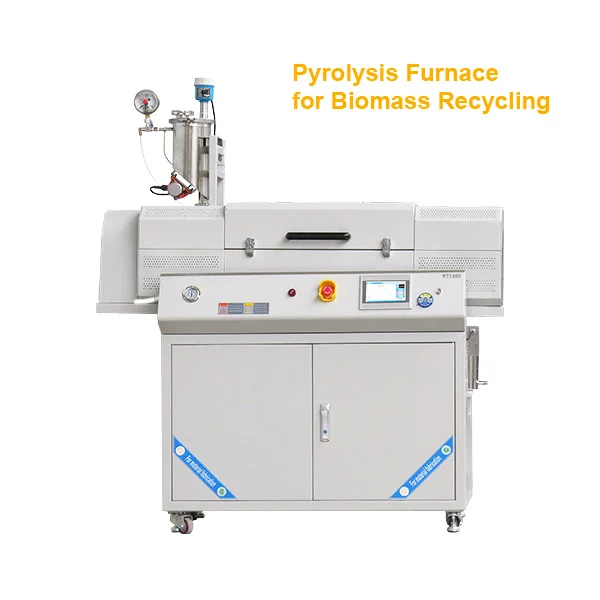
Advanced Continuous Pyrolyzers for Biomass and Organic Solid Waste Thermal Processing & Sintering
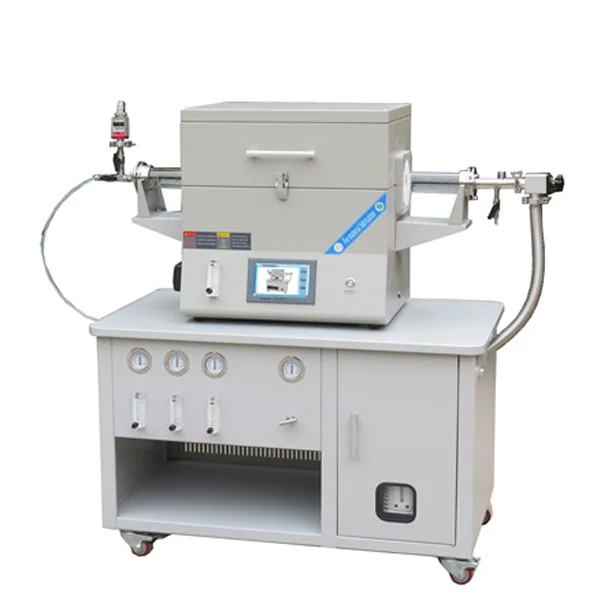
Chemical Vapor Deposition (CVD) System
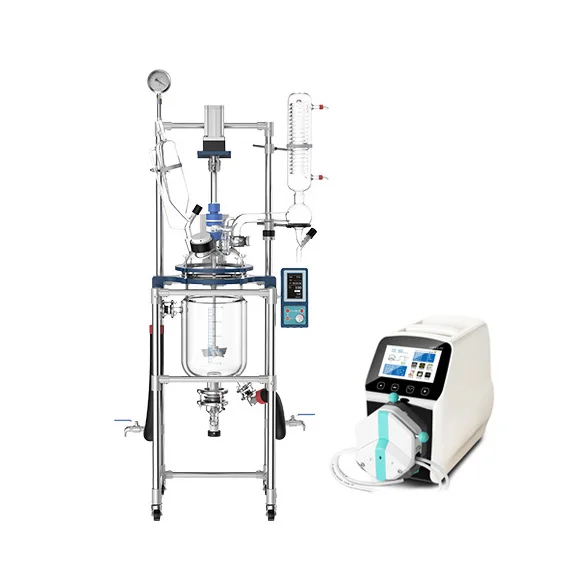
Double Glass Walled Reactor with Dosing System | Temperature Control | For Lab Synthesis & Catalysis
Working With ZYLAB On A Project Like This
How quickly can MOFs Fabrication via Chemical Vapor Deposition (CVD): A Breakthrough i be shipped?
Most standard ZYLAB models are held in stock. After testing and packing we normally ship MOFs Fabrication via Chemical Vapor Deposition (CVD): A Breakthrough i within 3 to 7 days. Customised builds are scheduled after the drawing is confirmed, and we give you the date in writing before the order is placed.
Is there a minimum order quantity for MOFs Fabrication via Chemical Vapor Deposition (CVD): A Breakthrough i?
No. ZYLAB has no minimum order requirement, so a single unit of MOFs Fabrication via Chemical Vapor Deposition (CVD): A Breakthrough i is a normal order. Occasionally a component supplier imposes a minimum quantity of their own, and we tell you as soon as we are notified.
Can we get technical help before ordering MOFs Fabrication via Chemical Vapor Deposition (CVD): A Breakthrough i?
Yes, and it is free. Our technical staff help with model selection, troubleshooting, manuals and application questions whether or not you have ordered from us before. Write to [email protected] or message us on WhatsApp.
What if MOFs Fabrication via Chemical Vapor Deposition (CVD): A Breakthrough i is damaged in transit?
Contact your ZYLAB sales engineer immediately with photographs. We arrange a substitute delivery promptly and handle the claim with the carrier.
Have A Similar Requirement
Describe the material, the temperature and the throughput you need and an engineer will answer with a workable configuration.