
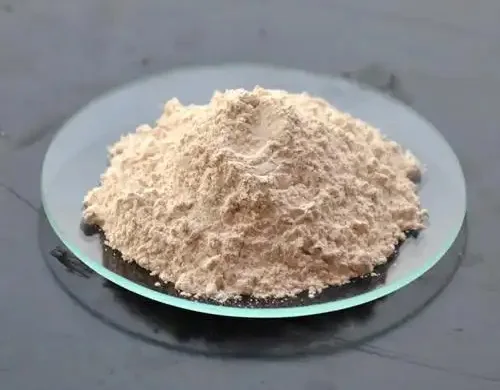
How to Prepare MnCO₃ Nanoparticles Using a Planetary Ball Mill
To obtain high-quality MnCO₃ nanoparticles, selecting the correct milling conditions is critical. Parameters such as milling jar material, grinding media, and wet or dry milling methods directly influence particle size distribution, contamination level, and powder uniformity.
- Grindinghigh energy ball mill for MnCO3Laboratory Planetary Ball Millmanganese carbonate nanoparticle preparationMnCO3 nano powder milling2026-05-11
Table of Contents
Planetary Ball Mill technology is widely used for preparing ultra-fine and nano-scale powders in laboratories and industrial research. Among many functional materials, manganese carbonate (MnCO₃) has attracted significant attention in lithium battery materials, catalysts, ceramics, pigments, and advanced manganese-based compounds.
To obtain high-quality MnCO₃ nanoparticles, selecting the correct milling conditions is critical. Parameters such as milling jar material, grinding media, and wet or dry milling methods directly influence particle size distribution, contamination level, and powder uniformity.
This article explains the key considerations for preparing MnCO₃ nanoparticles using a planetary ball mill and helps researchers optimize their milling process.
Why Use a Planetary Ball Mill for MnCO₃ Nanoparticle Preparation?
A Planetary Ball Mill provides high-energy impact and friction forces that efficiently reduce particle size. Compared with conventional milling equipment, planetary ball mills offer:
- Faster particle size reduction
- Better powder uniformity
- Nano-scale grinding capability
- Adjustable speed and milling programs
- Suitable operation for dry or wet milling
- Compatibility with vacuum or inert gas environments
These advantages make planetary ball mills ideal for preparing MnCO₃ nanopowders for battery precursor materials and advanced functional ceramics.
Which Milling Jar Material Should Be Selected for MnCO₃ Grinding?
The selection of the milling jar material is extremely important because contamination from the jar can affect the purity and electrochemical performance of manganese-based materials.
Common Milling Jar Materials
| Jar Material | Advantages | Limitations | Recommended for MnCO₃ |
|---|---|---|---|
| Zirconia (ZrO₂) | Extremely low contamination, high hardness | Higher cost | Highly Recommended |
| Stainless Steel | Strong impact energy, durable | Possible Fe contamination | Suitable for non-high-purity applications |
| Alumina | Good chemical resistance | Lower toughness | Acceptable |
| Tungsten Carbide | Very high hardness | Possible tungsten contamination | Limited use |
Recommended Choice
For high-purity MnCO₃ nanoparticle preparation, zirconia jars are generally the best option because they minimize metallic contamination and provide excellent wear resistance.
Which Is Better for MnCO₃ Grinding: Zirconia Balls or Stainless Steel Balls?
The grinding media strongly influence milling efficiency and powder purity.
Zirconia Grinding Balls
Advantages
- Very low contamination
- Excellent wear resistance
- Chemically stable
- Suitable for nano-scale grinding
- Preferred for battery material research
Stainless Steel Grinding Balls
Advantages
- Lower cost
- Higher density and impact force
- Faster coarse grinding
Limitations
- Iron contamination risk
- Possible oxidation during milling
- Less suitable for ultra-high purity powders
Final Recommendation
For nano-sized MnCO₃ preparation, zirconia grinding balls are generally more suitable than stainless steel balls because they provide cleaner grinding conditions and better control over powder purity.
When contamination is not critical and higher milling energy is required, stainless steel media can still be a practical choice.
Wet Ball Milling Vs Dry Ball Milling for MnCO₃
One of the most common questions researchers ask is whether wet milling or dry milling is better for manganese carbonate.
Dry Ball Milling
Advantages
- Simpler process
- No drying step required
- Suitable for preliminary particle reduction
Limitations
- Powder agglomeration
- Higher heat generation
- Increased dust formation
- Lower nano-scale uniformity
Dry milling is commonly used for coarse or intermediate grinding stages.
Wet Ball Milling
Advantages
- Better particle dispersion
- Reduced agglomeration
- Improved nano-particle uniformity
- Lower milling temperature
- Higher grinding efficiency
Common Solvents
- Ethanol
- Isopropanol
- Deionized water
Wet milling is typically preferred for preparing nano-sized MnCO₃ powders because it improves particle size distribution and reduces excessive heat buildup.
Recommended Milling Parameters for MnCO₃ Nanoparticles
The optimal parameters depend on the desired particle size and application requirements.
| Parameter | Recommended Range |
|---|---|
| Rotation Speed | 300–600 rpm |
| Milling Time | 4–24 hours |
| Ball-to-Powder Ratio | 10:1 to 20:1 |
| Grinding Method | Wet Milling Preferred |
| Jar Material | Zirconia |
| Grinding Media | Zirconia Balls |
Researchers should optimize these parameters according to laboratory scale, powder quantity, and target particle size.
Applications of MnCO₃ Nanoparticles
Nano-scale manganese carbonate powders are widely used in:
- Lithium-ion battery cathode materials
- Mn-based precursor synthesis
- Electronic ceramics
- Catalysts
- Magnetic materials
- Advanced chemical research
High-energy milling can significantly improve the reactivity and uniformity of MnCO₃ powders for advanced material synthesis.
Conclusion
Preparing MnCO₃ nanoparticles using a Planetary Ball Mill requires careful optimization of milling conditions.
For most high-purity laboratory applications:
- Zirconia jars are the preferred milling container
- Zirconia balls provide cleaner grinding performance
- Wet milling delivers better nano-particle uniformity
By selecting appropriate milling parameters and materials, researchers can efficiently produce high-quality manganese carbonate nanopowders suitable for battery materials, ceramics, and advanced functional applications.
Share this entry
You might also like
Advancing Key Material Research with Ultrasonic Atomization CVD
Heat Treatment Part 8: Solution Treatment
Powder Metallurgy Part 5 — Post-Processing and Performance Testing
Powder Metallurgy Part 4 — Sintering: From Fragile to Dense
Related ZYLAB Products
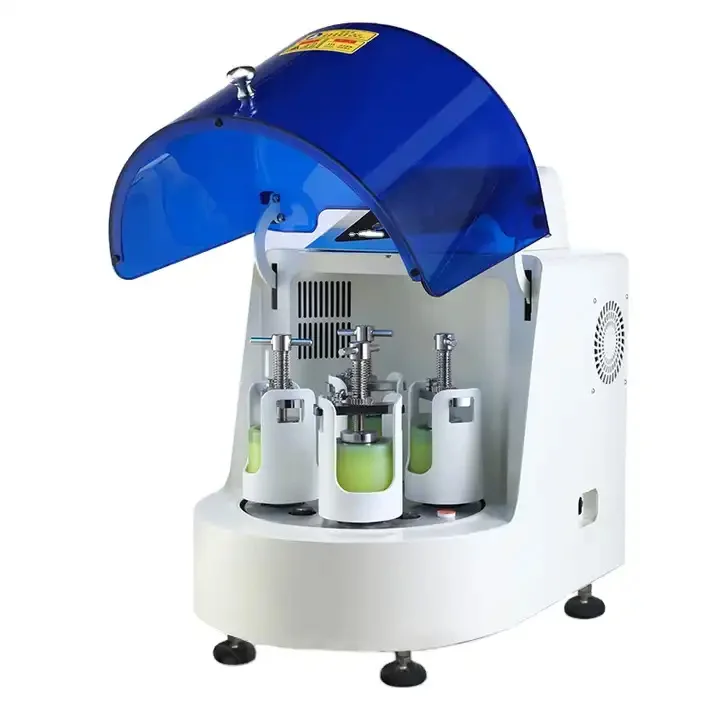
Laboratory Pulverized Ball Mill for Powder Milling and Sample Preparation
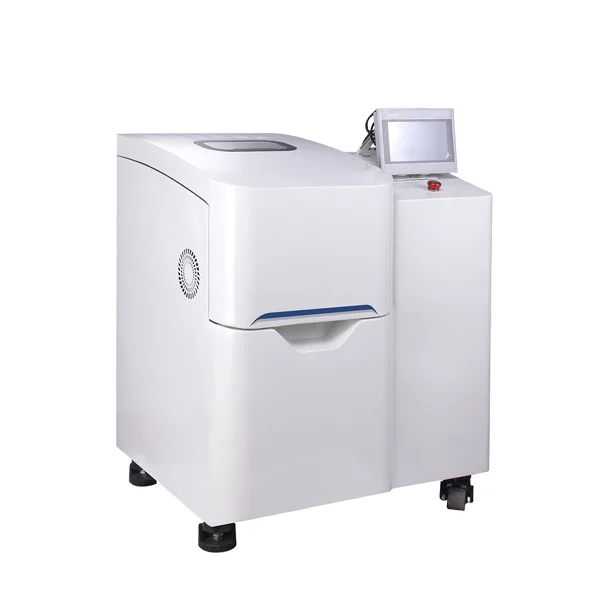
Speed 1600rpm Nano-level Grinding Ultra High Energy Ball Mill
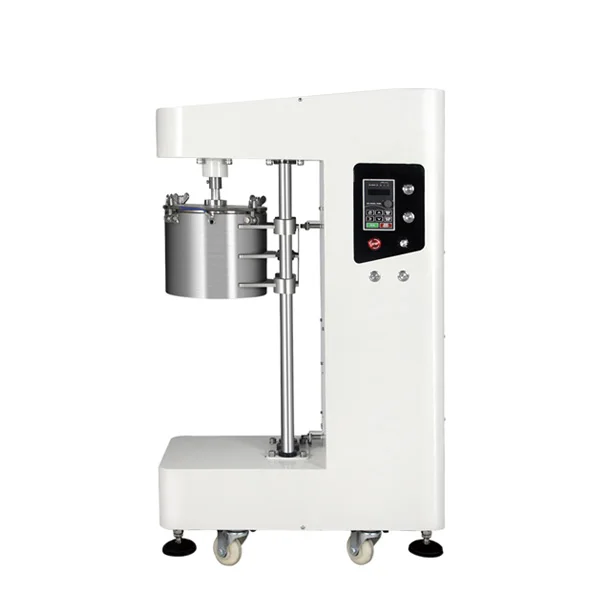
High Energy Dispersed Powder Uniform Mixing and Grinding Stirred Ball Mill
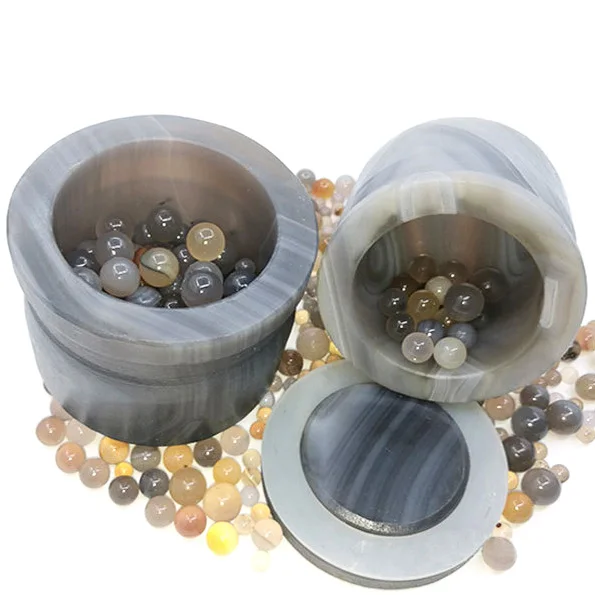
Planetary Ball Mill Accessories Agate Grinding Jar
Working With ZYLAB On A Project Like This
Can How to Prepare MnCO₃ Nanoparticles Using a Planetary Ball Mill be customised for our process?
Yes. Chamber or tube size, temperature profile, atmosphere, gas path, control system and data recording can all be adapted. Send us your process conditions and sample details and our engineers work out a configuration with you.
What warranty comes with How to Prepare MnCO₃ Nanoparticles Using a Planetary Ball Mill?
Most ZYLAB products carry a 2-year warranty, glass components excluded; the exact term for this model is the one printed in its specification table and repeated on the quotation. Within the warranty period any part that fails through no misuse of your own is replaced free of charge.
How can we pay for How to Prepare MnCO₃ Nanoparticles Using a Planetary Ball Mill?
Bank (wire) transfer, letter of credit for larger orders, major credit and debit cards, and PayPal. Bank details are printed on the invoice; send us the transfer confirmation and we start processing straight away.
How is How to Prepare MnCO₃ Nanoparticles Using a Planetary Ball Mill packed for export?
Packing is chosen for the safety of the machine against freight cost, typically a plywood or wooden crate with internal padding and vacuum-sealed accessories. Export documents such as Form A, Form E and Form F can be issued to help you save duty.
Have A Similar Requirement
Describe the material, the temperature and the throughput you need and an engineer will answer with a workable configuration.