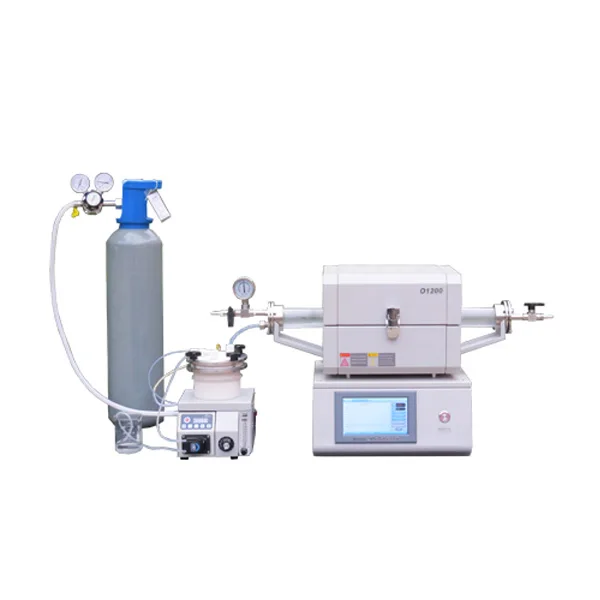
All about Aerosol-Assisted Chemical Vapor Deposition (AACVD) System
Aerosol-Assisted Chemical Vapor Deposition (AACVD) is a specialized technique used for the deposition of thin films and coatings on various substrates. Unlike traditional Chemical Vapor Deposition (CVD), which relies solely on gaseous precursors, AACVD utilizes aerosols—finely dispersed droplets of
- LaboratoryThermal ProcessingAACVD applicationsAACVD coatingsAACVD for electrode materials2024-09-10
Overview
Aerosol-Assisted Chemical Vapor Deposition (AACVD) is a specialized technique used for the deposition of thin films and coatings on various substrates.
Unlike traditional Chemical Vapor Deposition (CVD), which relies solely on gaseous precursors, AACVD utilizes aerosols—finely dispersed droplets of a precursor solution suspended in a carrier gas—to transport the precursor materials to the deposition zone.
Precursor Preparation
A solution containing the desired precursor materials is prepared. This solution can include metal-organic compounds, inorganic salts, or other chemical precursors dissolved in a suitable solvent.
Aerosol Generation
The precursor solution is atomized to form fine droplets (aerosols) using an ultrasonic or pneumatic nebulizer. These aerosols are then carried by a flow of gas, typically nitrogen or argon, into the reaction chamber.
Deposition Process
The aerosol is transported to a heated substrate within the reaction chamber. Upon reaching the hot surface, the solvent evaporates, and the precursor undergoes a chemical reaction, leading to the formation of a solid film or coating on the substrate.
Film Formation
The resulting film can be composed of various materials, including oxides, nitrides, metals, or polymers, depending on the precursor used. The thickness, composition, and morphology of the film can be precisely controlled by adjusting parameters such as temperature, gas flow rate, and precursor concentration.
Versatility
AACVD is suitable for a wide range of materials, including complex oxides, metals, and composite films. It can be used to deposit coatings on various substrates like glass, metals, ceramics, and polymers.
Scalability
The AACVD process can be scaled from laboratory research to industrial production, making it a flexible option for both small-scale experiments and large-scale manufacturing.
Controlled Deposition
AACVD allows for precise control over film properties such as thickness, uniformity, and morphology. By fine-tuning the process parameters, films with specific characteristics can be produced.
Low Cost
Compared to conventional CVD, AACVD can be more cost-effective, as it often uses liquid precursors that are easier to handle and less expensive than gaseous ones.
Electronics
Thin Film Transistors (TFTs): Used in the fabrication of active layers in TFTs for displays.
Transparent Conductive Oxides (TCOs): Deposits materials like indium tin oxide (ITO) used in touch screens and solar cells.
Energy
Solar Cells: AACVD is used to deposit photovoltaic materials like perovskites and cadmium telluride (CdTe).
Battery Materials: Used in the deposition of thin films for battery electrodes, enhancing energy storage capacity.
Optics
Anti-Reflective Coatings: Deposits coatings that reduce reflection on lenses and other optical components.
Waveguides: Fabrication of optical waveguides used in photonic devices.
Catalysis
Catalyst Layers: Deposition of catalytic materials on substrates for use in chemical reactions, fuel cells, and environmental applications.
Surface Engineering
Protective Coatings: Deposits wear-resistant, corrosion-resistant, and thermal barrier coatings on various surfaces.
Functional Coatings: Imparts specific properties like hydrophobicity, antimicrobial activity, or electrical conductivity to surfaces.
Nanotechnology
Nanostructured Films: Creates films with nanoscale features for use in sensors, MEMS (Micro-Electro-Mechanical Systems), and nanodevices.
Broad Material Compatibility
Capable of depositing a wide range of materials, including metals, ceramics, and composites.
High Uniformity
Provides uniform coatings even on complex-shaped substrates.
Cost-Effective
Uses liquid precursors that are often less expensive and easier to manage than gaseous ones.
Flexible Process
Parameters can be easily adjusted to produce films with desired properties.
Complexity
The process requires careful control of multiple parameters, making it more complex than some other deposition techniques.
Potential for Residues
Depending on the precursor and solvent, residues or unwanted by-products may be left on the substrate, requiring additional cleaning steps.
Conclusion
The Aerosol-Assisted Chemical Vapor Deposition (AACVD) system is a powerful and versatile tool for the deposition of thin films and coatings across various industries.
Its ability to precisely control film properties, along with its scalability and cost-effectiveness, makes it an attractive choice for both research and industrial applications.
Whether in electronics, energy, or materials science, AACVD continues to play a critical role in advancing technology through innovative material deposition techniques.
Share this entry
You might also like
Related ZYLAB Products
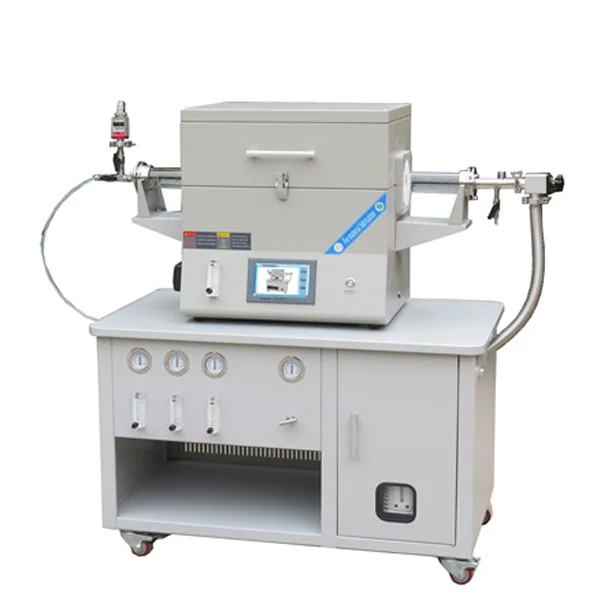
Chemical Vapor Deposition (CVD) System
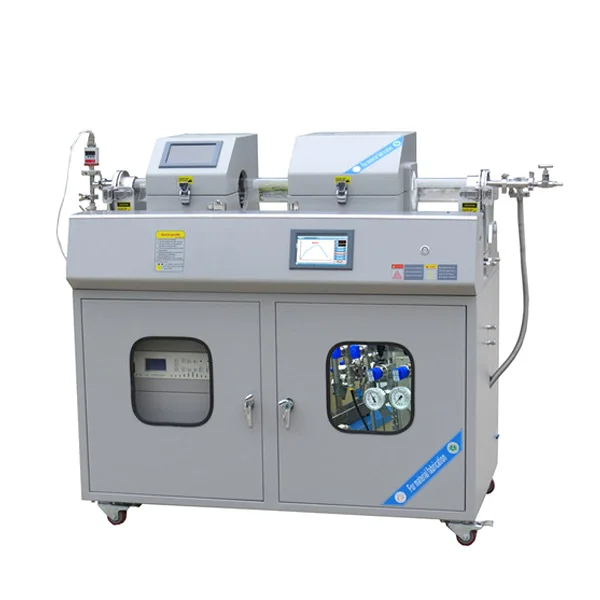
Advanced Plasma-Enhanced Chemical Vapor Deposition PECVD Furnace System
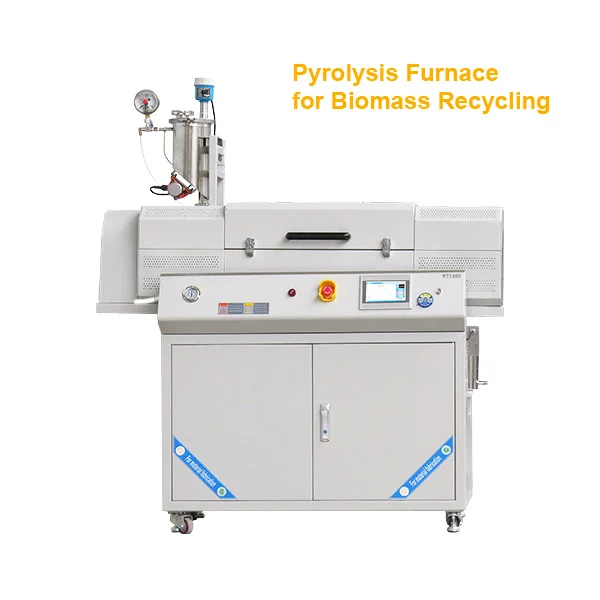
Advanced Continuous Pyrolyzers for Biomass and Organic Solid Waste Thermal Processing & Sintering
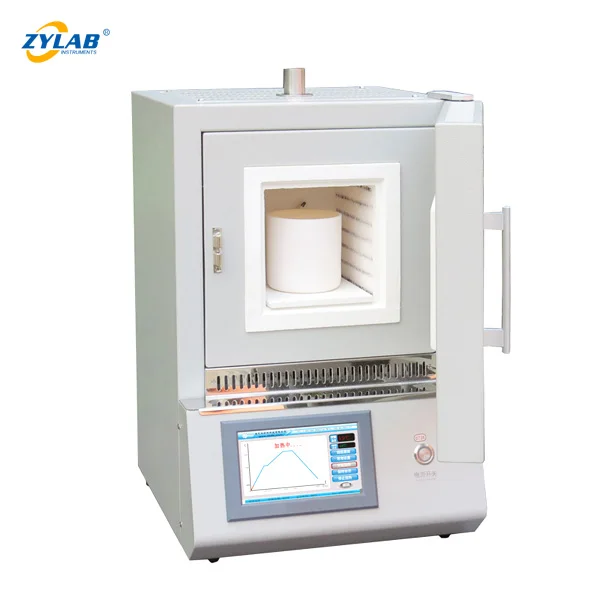
4.5L Muffle Furnace – Precision 1200°C Laboratory Furnace for Thermal Processing
Working With ZYLAB On A Project Like This
How quickly can All about Aerosol-Assisted Chemical Vapor Deposition (AACVD) System be shipped?
Most standard ZYLAB models are held in stock. After testing and packing we normally ship All about Aerosol-Assisted Chemical Vapor Deposition (AACVD) System within 3 to 7 days. Customised builds are scheduled after the drawing is confirmed, and we give you the date in writing before the order is placed.
Can All about Aerosol-Assisted Chemical Vapor Deposition (AACVD) System be customised for our process?
Yes. Chamber or tube size, temperature profile, atmosphere, gas path, control system and data recording can all be adapted. Send us your process conditions and sample details and our engineers work out a configuration with you.
What warranty comes with All about Aerosol-Assisted Chemical Vapor Deposition (AACVD) System?
Most ZYLAB products carry a 2-year warranty, glass components excluded; the exact term for this model is the one printed in its specification table and repeated on the quotation. Within the warranty period any part that fails through no misuse of your own is replaced free of charge.
Can we get technical help before ordering All about Aerosol-Assisted Chemical Vapor Deposition (AACVD) System?
Yes, and it is free. Our technical staff help with model selection, troubleshooting, manuals and application questions whether or not you have ordered from us before. Write to [email protected] or message us on WhatsApp.
Have A Similar Requirement
Describe the material, the temperature and the throughput you need and an engineer will answer with a workable configuration.