
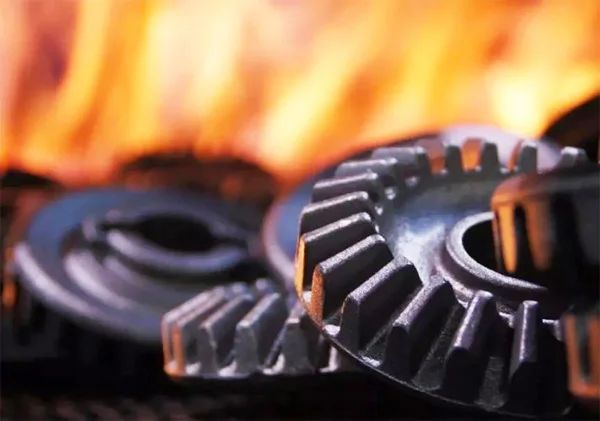
Heat Treatment Part 8: Solution Treatment
In the field of heat treatment, solution treatment (also known as solid solution treatment) is a critical process for improving the mechanical and corrosion-resistant properties of metals, especially stainless steels, nickel-based alloys, and aluminum alloys. The process involves heating the alloy t
- Heat TreatmentKnowledge Sharing Seriesaluminum alloysHeat Treatment FurnaceHeat treatment process2025-11-13
Table of Contents
In the field of heat treatment, solution treatment (also known as solid solution treatment) is a critical process for improving the mechanical and corrosion-resistant properties of metals, especially stainless steels, nickel-based alloys, and aluminum alloys. The process involves heating the alloy to a high temperature to dissolve alloying elements into a solid solution, followed by rapid cooling to retain this uniform structure.
In this article, part eight of our Heat Treatment Series, we discuss the definition, purpose, process, applications, and the differences between solution treatment and conventional quenching.
What Is Solution Treatment?
Solution treatment is a thermal process where alloys are heated to a specific temperature range so that alloying elements completely dissolve into the base metal matrix. After holding the temperature for a controlled period, the material is rapidly cooled—usually in air or water—to obtain a single-phase solid solution.
This process eliminates segregation and refines the microstructure, creating the ideal foundation for subsequent aging or precipitation hardening.
Purpose of Solution Treatment
The primary goals of solution treatment include:
Enhancing mechanical properties – improving strength, toughness, and ductility.
Eliminating segregation – achieving a more uniform and homogeneous microstructure.
Restoring corrosion resistance – particularly in stainless steels affected by sensitization.
Preparing for aging treatment – enabling controlled precipitation hardening in alloys such as aluminum and nickel-based materials.
Solution Treatment Process Steps
Heating: The material is heated to a defined solution temperature (typically 500–550°C for aluminum alloys and 1000–1150°C for stainless steels).
Soaking: The temperature is maintained long enough to ensure complete dissolution of alloying elements.
Rapid Cooling (Quenching): The material is quickly cooled using water, oil, or air to retain the single-phase solid solution and prevent premature precipitation.
Uniform heating and accurate temperature control are essential to achieve consistent metallurgical results and avoid distortion or grain growth.
Austenitic Stainless Steels (e.g., 304, 316)
Solution treatment dissolves chromium carbides that form during fabrication or welding, restoring a single-phase austenitic structure. This process significantly improves corrosion resistance, especially in harsh environments such as:
Chemical and petrochemical plants
Food processing equipment
Marine and offshore structures
Pharmaceutical and medical devices
By eliminating carbide precipitation along grain boundaries, solution-treated stainless steel exhibits excellent resistance to intergranular corrosion.
Aluminum Alloys (e.g., 6061, 7075)
In aluminum alloys, solution treatment dissolves the strengthening precipitates (such as Mg₂Si or Zn₂Mg) into the aluminum matrix, creating a supersaturated solid solution. This is a critical pre-treatment step before aging (artificial or natural), which allows controlled precipitation of strengthening phases.
It is widely applied in industries requiring lightweight and high-strength materials, such as:
Aerospace components (airframes, wings, structural parts)
Automotive manufacturing (chassis, suspension arms)
Transportation and rail sectors
Proper solution treatment ensures that aluminum alloys achieve their maximum mechanical performance and dimensional stability.
Other Non-Ferrous Metals and Alloys
Solution treatment is also used for other alloy systems, including:
Nickel-based superalloys – to homogenize the structure before aging, ensuring high-temperature strength and creep resistance (e.g., turbine blades, engine parts).
Titanium alloys – to enhance ductility and prepare for subsequent aging treatments.
Copper-based alloys – to improve conductivity and mechanical uniformity for electronic applications.
These materials are often used in aerospace, energy, and advanced manufacturing where precise heat treatment control is essential.
Difference Between Solution Treatment and Conventional Quenching
While both solution treatment and quenching involve heating and rapid cooling, they serve different metallurgical purposes:
| Aspect | Solution Treatment | Conventional Quenching |
|---|---|---|
| Main Purpose | Dissolve alloying elements into a uniform solid solution; prepare for aging | Form martensitic or hardened structures to increase hardness |
| Typical Materials | Aluminum, stainless steel, nickel, titanium | Carbon steels, alloy steels |
| Temperature Range | 500–1150°C (depending on alloy) | Above the austenitizing temperature of steel |
| Microstructure Result | Single-phase solid solution | Martensitic or hardened phase |
| Follow-up Process | Aging or precipitation hardening | Tempering to reduce stress |
In summary, solution treatment promotes homogenization and corrosion resistance, whereas conventional quenching focuses on hardening through phase transformation.
Furnaces for Solution Treatment
Accurate temperature control and excellent heat uniformity are vital for high-quality solution treatment. ZYLAB furnaces are designed to meet these requirements, featuring:
Outstanding temperature uniformity across the heating chamber
Programmable PID control for multi-step heat treatment cycles
Optional controlled atmosphere or vacuum system for oxidation-free operation
Rapid heating and cooling capability for high process efficiency
For laboratory and small-scale industrial applications, ZYLAB high-uniformity box furnaces and tube furnaces provide stable, repeatable heat treatment conditions.
Conclusion
Solution treatment is a key step in modern heat treatment technology, playing a decisive role in optimizing strength, corrosion resistance, and microstructural uniformity of metals and alloys.
Share this entry
You might also like
Coin Cell R&D
Applications of Detachable Hot Press Furnace
Powder Materials Preparation
Chemical Vapour Deposition (CVD)
Related ZYLAB Products
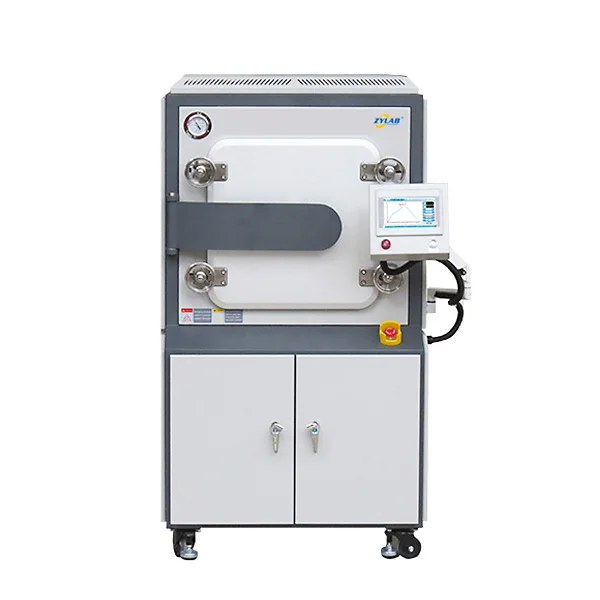
1200°C 27L Vacuum Atmosphere Muffle Furnace for Heat Treatment
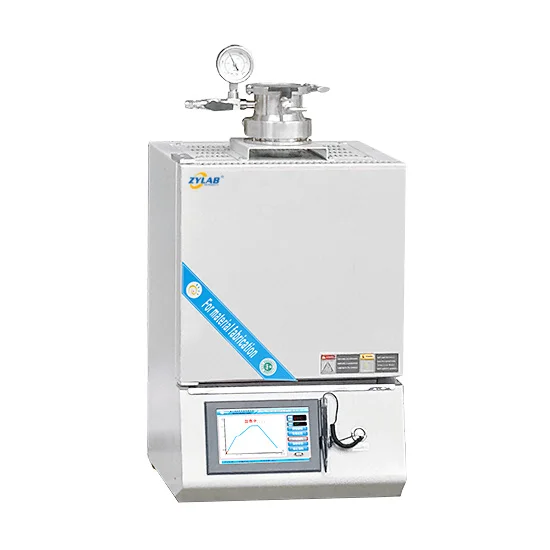
Vacuum Atmosphere Hybrid Box/Tube Furnace for Precision Heat Treatment
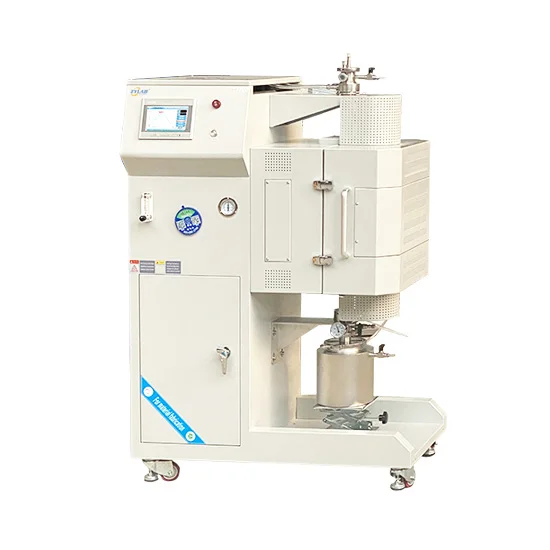
1700°C Vertical Atmosphere Controlled Quenching Furnace for High-Performance Heat Treatment
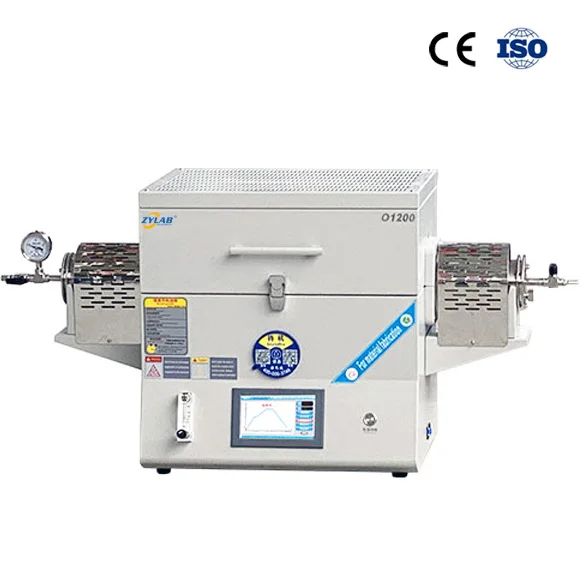
Horizontal Tube Furnace Range – Precision Heat Treatment up to 1700°C
Working With ZYLAB On A Project Like This
Can Heat Treatment Part 8: Solution Treatment be customised for our process?
Yes. Chamber or tube size, temperature profile, atmosphere, gas path, control system and data recording can all be adapted. Send us your process conditions and sample details and our engineers work out a configuration with you.
How quickly can Heat Treatment Part 8: Solution Treatment be shipped?
Most standard ZYLAB models are held in stock. After testing and packing we normally ship Heat Treatment Part 8: Solution Treatment within 3 to 7 days. Customised builds are scheduled after the drawing is confirmed, and we give you the date in writing before the order is placed.
How is Heat Treatment Part 8: Solution Treatment packed for export?
Packing is chosen for the safety of the machine against freight cost, typically a plywood or wooden crate with internal padding and vacuum-sealed accessories. Export documents such as Form A, Form E and Form F can be issued to help you save duty.
Can you supply items that are not on this page?
Yes. We have access to the complete lines of most of our suppliers and build custom equipment in our own factory, so tell us what the experiment needs and we will source or make it.
Have A Similar Requirement
Describe the material, the temperature and the throughput you need and an engineer will answer with a workable configuration.