Factors Influencing the Price of CVD Reactors
CVD reactors are widely used in fields such as semiconductors, photovoltaics, materials research, and thin-film coating. Due to their significance in high-tech applications, the price of CVD reactors is generally high. Understanding the price structure and influencing factors of CVD reactors is cruc
- LaboratoryThermal ProcessingAdvanced CVD Reactor TechnologyBest CVD Reactor SuppliersChemical Vapor Deposition Reactor2025-01-20
Table of Contents
CVD reactors are widely used in fields such as semiconductors, photovoltaics, materials research, and thin-film coating. Due to their significance in high-tech applications, the price of CVD reactors is generally high. Understanding the price structure and influencing factors of CVD reactors is crucial for enterprises and research institutions.
Basic Overview of CVD Reactors
CVD reactors deposit thin films on substrates through gas-phase chemical reactions. This process is extensively applied in semiconductor manufacturing, optoelectronic films, solar cells, and aerospace industries.
With technological advancements, the types and capabilities of CVD reactors have evolved, allowing users to choose specific systems such as LPCVD (Low-Pressure Chemical Vapor Deposition), PECVD (Plasma-Enhanced Chemical Vapor Deposition), and FBCVD (Fluidized Bed Chemical Vapor Deposition) based on their needs.
Factors Determining CVD Reactor Prices
The price of CVD reactors varies significantly, influenced by several key factors:
Reactor Type and Technical Complexity
- LPCVD (Low-Pressure Chemical Vapor Deposition): Commonly used for semiconductor thin-film deposition, these systems are moderately priced. LPCVD operates under low-pressure conditions with relatively simple process control, making it suitable for small and medium-sized enterprises’ research and production needs.
- PECVD (Plasma-Enhanced Chemical Vapor Deposition): Ideal for low-temperature thin-film deposition, particularly for temperature-sensitive materials like certain optoelectronic materials. Due to its higher technical complexity, PECVD systems are generally more expensive.
- FBCVD (Fluidized Bed Chemical Vapor Deposition): Utilizes fluidized bed technology to suspend solid particles in gas flow, facilitating reactions and film deposition. FBCVD reactors are often used for advanced materials like carbon nanotubes and graphene, as well as catalyst preparation and modification.
Equipment Size and Application
- Laboratory-Grade Equipment: Suitable for small-scale R&D, typically priced between $20,000 and $100,000. These systems are designed for small-batch experiments and material research, ideal for research institutions or labs.
- Industrial-Grade Equipment: Designed for large-scale production, with prices ranging from several hundred thousand to millions of dollars. These systems meet the demands of industrial-scale production, especially for semiconductors and optoelectronic materials.
Technical Specifications and Features
- Temperature Range: Higher maximum temperatures require more advanced materials and complex designs, increasing the cost.
- Pressure Control and Precision: Accurate pressure control ensures stable gas flow and reaction conditions, which often involves high-precision systems that add to the price.
- Gas Delivery System: High-precision gas delivery and flow control systems are essential for ensuring deposition quality, directly impacting the reactor’s cost.
Materials and Durability
The choice of materials (e.g., quartz, graphite, ceramics) and the quality of components (e.g., high-precision gas flow controllers, vacuum pumps) significantly influence the reactor’s price.
Brand and Supplier
- International brands like Aixtron and Veeco are known for mature technology and comprehensive after-sales service but come with higher prices.
- Chinese suppliers like ZYLAB offer cost-effective solutions, catering to small and medium-sized enterprises with limited budgets but high performance requirements.
ZYLAB CVD Reactors: Advantages and Recommended Models
ZYLAB specializes in developing high-performance CVD reactors, offering notable advantages in technological innovation, quality assurance, and after-sales support. Recommended models include:
- ZYLAB LPCVD Reactors: Designed for thin-film deposition in semiconductors and optoelectronics, featuring excellent temperature control and stability, advanced gas delivery systems, and competitive pricing.
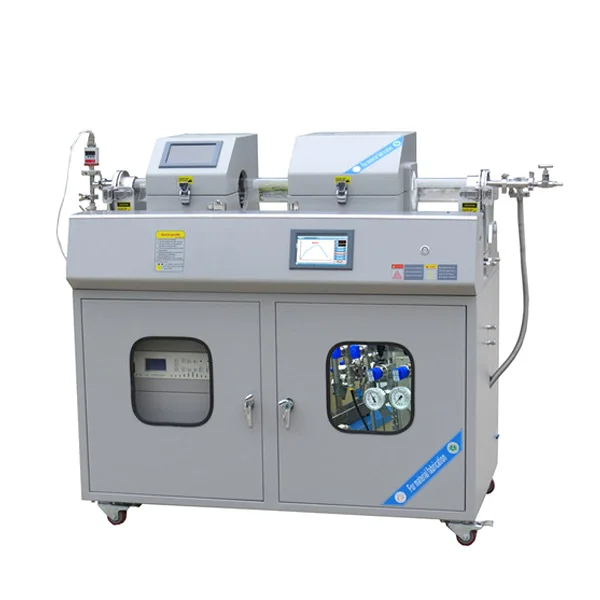
- ZYLAB PECVD Reactors: Suitable for low-temperature deposition, ideal for photovoltaic and flexible electronic materials. Utilizing efficient plasma sources, these reactors deliver high film quality and consistency at a competitive price.
- ZYLAB FBCVD Reactors: Optimized for powder material coating with fluidized bed technology, ensuring uniform deposition. These systems enhance gas flow and distribution for stable operation in advanced material applications.
Price Range of CVD Reactors
The price of CVD reactors varies significantly depending on the type and specifications of the equipment:
- Laboratory-Grade Equipment: Typically priced between $2,000 and $20,000.
- Mid-Scale R&D Equipment: Generally ranges from $20,000 to $100,000.
- Large-Scale Industrial Equipment: Prices range from $100,000 to several million dollars, depending on the required technical parameters, size, and application scenarios.
How to Choose the Right CVD Reactor
Selecting a suitable CVD reactor involves balancing price, performance, technical requirements, and maintenance costs. ZYLAB, as a leading supplier, offers a wide range of reactors to meet diverse customer needs.
By understanding the influencing factors and aligning them with specific requirements and budgets, enterprises and research institutions can choose the most appropriate CVD reactor to ensure efficiency in research and production.
For more information or technical support, feel free to contact ZYLAB.
Share this entry
You might also like
Laboratory Tube Furnace
What is a horizontal tube furnace?
High Temperature Tube Furnace
Alumina Tube Furnace
Related ZYLAB Products
Advanced Plasma-Enhanced Chemical Vapor Deposition PECVD Furnace System
Advanced Continuous Pyrolyzers for Biomass and Organic Solid Waste Thermal Processing & Sintering
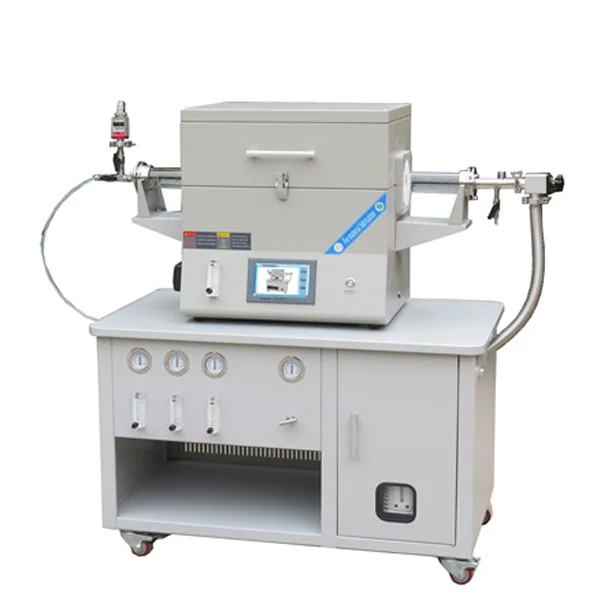
Chemical Vapor Deposition (CVD) System
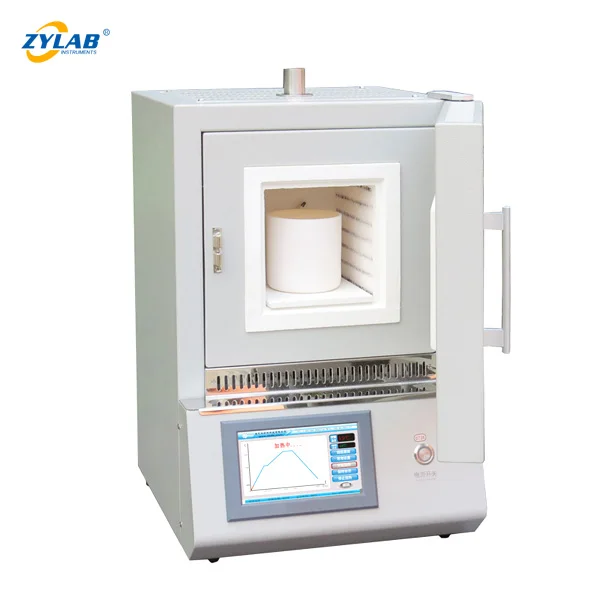
4.5L Muffle Furnace – Precision 1200°C Laboratory Furnace for Thermal Processing
Working With ZYLAB On A Project Like This
How quickly can Factors Influencing the Price of CVD Reactors be shipped?
Most standard ZYLAB models are held in stock. After testing and packing we normally ship Factors Influencing the Price of CVD Reactors within 3 to 7 days. Customised builds are scheduled after the drawing is confirmed, and we give you the date in writing before the order is placed.
Can Factors Influencing the Price of CVD Reactors be customised for our process?
Yes. Chamber or tube size, temperature profile, atmosphere, gas path, control system and data recording can all be adapted. Send us your process conditions and sample details and our engineers work out a configuration with you.
What warranty comes with Factors Influencing the Price of CVD Reactors?
Most ZYLAB products carry a 2-year warranty, glass components excluded; the exact term for this model is the one printed in its specification table and repeated on the quotation. Within the warranty period any part that fails through no misuse of your own is replaced free of charge.
Can we get technical help before ordering Factors Influencing the Price of CVD Reactors?
Yes, and it is free. Our technical staff help with model selection, troubleshooting, manuals and application questions whether or not you have ordered from us before. Write to [email protected] or message us on WhatsApp.
Have A Similar Requirement
Describe the material, the temperature and the throughput you need and an engineer will answer with a workable configuration.