
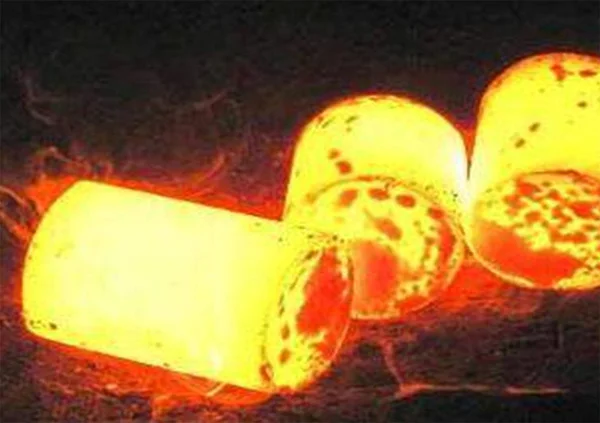
Heat Treatment Series, Part 2: Normalizing – Stronger Steel through Air Cooling
Normalizing is another essential heat treatment process used in metallurgy and materials engineering. In this article, we continue our Heat Treatment Series by explaining the definition, purpose, and unique features of normalizing, while also comparing it to annealing.
- Heat TreatmentKnowledge Sharing SeriesAir Cooling Heat TreatmentFurnace TypesGrain Refinement2025-09-19
Table of Contents
Normalizing is another essential heat treatment process used in metallurgy and materials engineering. In this article, we continue our Heat Treatment Series by explaining the definition, purpose, and unique features of normalizing, while also comparing it to annealing.
What Is Normalizing?
Normalizing is a heat treatment process in which steel or alloy is:
Heated above the AC3 (or ACm for alloy steels) temperature, typically 30–50°C higher.
-
For carbon steels: usually 850–950°C.
Held (soaked) at this temperature long enough for complete transformation into austenite.
Cooled in still air at room temperature instead of furnace cooling.
This controlled heating and air cooling process produces a refined grain structure, improving both mechanical properties and machinability.
Key Parameters of Normalizing
Parameter Typical Range Notes Heating temperature AC3 + 30–50°C (850–950°C for medium carbon steel) Higher than annealing Holding time 1–2 hours depending on thickness Ensures complete austenitization Cooling method Air cooling (1–10°C/s) Faster than annealing Purpose of Normalizing
Normalizing offers several benefits:
Refines Grain Structure – Produces finer pearlite and ferrite grains compared to annealing.
Improves Mechanical Properties – Increases hardness (typically 160–220 HV for steels) and strength while maintaining good ductility.
Enhances Machinability – Provides a balance between softness (for machining) and strength.
Homogenizes Microstructure – Removes segregation in castings or forgings.
Prepares for Further Heat Treatment – Creates a stable structure before quenching or carburizing.
Comparison: Normalizing Vs. Annealing
Feature Annealing Normalizing Heating temperature AC3 + 20–30°C (e.g., 750–830°C) AC3 + 30–50°C (e.g., 850–950°C) Cooling method Slow furnace cooling (10–50°C/hour) Air cooling (1–10°C/s) Microstructure Coarse pearlite + ferrite Fine pearlite + ferrite Hardness Lower (150–180 HV) Higher (160–220 HV) Purpose Softening, stress relief, ductility Refinement, strength, balanced machinability Choosing Between Annealing and Normalizing
Choose Annealing when:
-
High ductility is required
Maximum softness is needed for forming or machining
Stress relief after cold working is the main goal
Choose Normalizing when:
Strength and hardness are more important than softness
Fine, uniform grain structure is desired
Preparing castings or forgings for further heat treatment
In practice:
A steel gear blank may be normalized (for strength and fine grain) before quenching.
A sheet metal product may be annealed (for softness and easy forming).
Critical Temperatures in Normalizing
Understanding critical temperatures is essential for controlling the normalizing process:
Symbol Temperature (Approx.) Description AC1 ~727°C Pearlite begins to transform into austenite AC3 770–910°C (depends on carbon content) Ferrite fully transforms into austenite ACm 1100–1140°C (for high-alloy steels) Cementite fully dissolves into austenite Applications of Normalizing
Castings and Forgings – Removes segregation, refines microstructure
Railway Wheels – Improves toughness and wear resistance
Automotive Components – Shafts, gears, and connecting rods for balanced strength and machinability
Tool Steels – Prepares for hardening and further heat treatment
Structural Steel Products – Ensures uniform mechanical properties before fabrication
Types of Furnaces for Normalizing
Furnace Type Features Typical Use Box Furnace (Batch Furnace) Simple chamber, batch heating, flexible control Laboratory, small-scale production Bottom Loading Furnace Cylindrical chamber with uniform heating, automatic lift, and safe operation Forgings, gears, heavy-duty parts Gas/Atmosphere-Controlled Furnace Protective gas atmosphere, clean surface Alloy steels, stainless steels Conclusion
Normalizing is a powerful heat treatment method that provides a balance between strength, hardness, and machinability by refining the grain structure of steel. Compared to annealing, it produces a stronger, harder material with finer microstructure, making it ideal for preparing components for further heat treatment or heavy-duty applications.
Share this entry
You might also like
-
-
Related ZYLAB Products
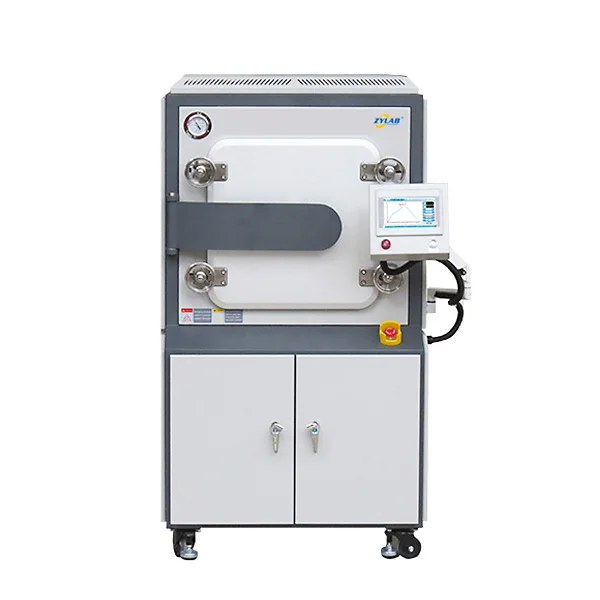
1200°C 27L Vacuum Atmosphere Muffle Furnace for Heat Treatment
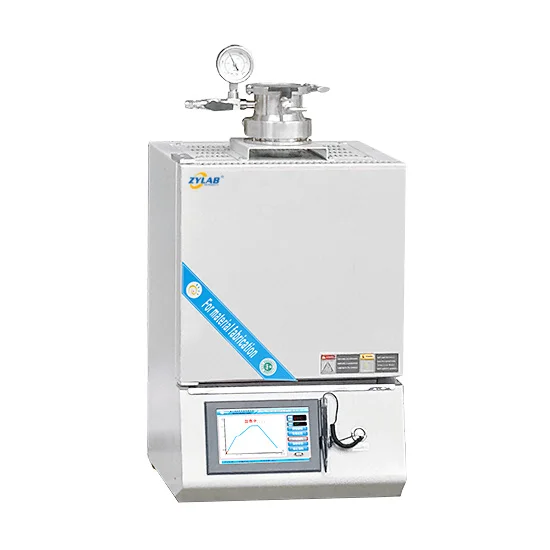
Vacuum Atmosphere Hybrid Box/Tube Furnace for Precision Heat Treatment
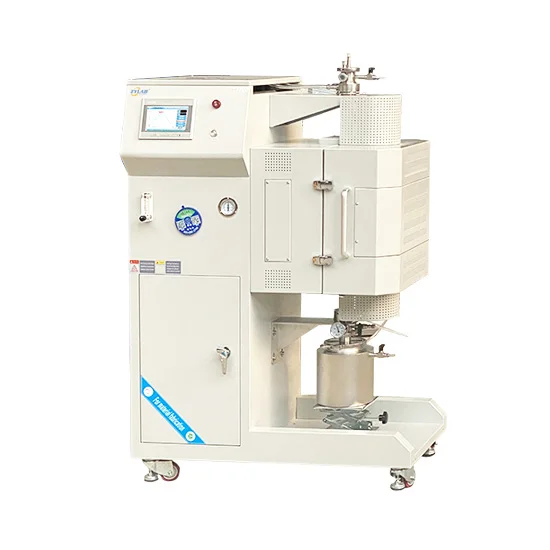
1700°C Vertical Atmosphere Controlled Quenching Furnace for High-Performance Heat Treatment
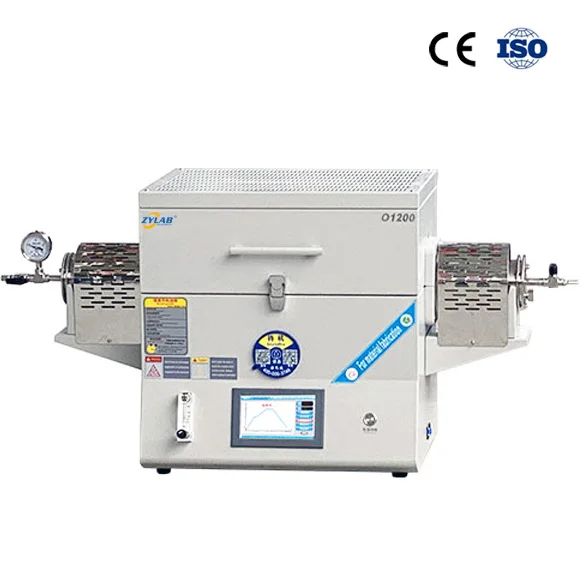
Horizontal Tube Furnace Range – Precision Heat Treatment up to 1700°C
Working With ZYLAB On A Project Like This
Can Heat Treatment Series, Part 2: Normalizing – Stronger Steel through Ai be customised for our process?
Yes. Chamber or tube size, temperature profile, atmosphere, gas path, control system and data recording can all be adapted. Send us your process conditions and sample details and our engineers work out a configuration with you.
What warranty comes with Heat Treatment Series, Part 2: Normalizing – Stronger Steel through Ai?
Most ZYLAB products carry a 2-year warranty, glass components excluded; the exact term for this model is the one printed in its specification table and repeated on the quotation. Within the warranty period any part that fails through no misuse of your own is replaced free of charge.
How can we pay for Heat Treatment Series, Part 2: Normalizing – Stronger Steel through Ai?
Bank (wire) transfer, letter of credit for larger orders, major credit and debit cards, and PayPal. Bank details are printed on the invoice; send us the transfer confirmation and we start processing straight away.
How is Heat Treatment Series, Part 2: Normalizing – Stronger Steel through Ai packed for export?
Packing is chosen for the safety of the machine against freight cost, typically a plywood or wooden crate with internal padding and vacuum-sealed accessories. Export documents such as Form A, Form E and Form F can be issued to help you save duty.
Have A Similar Requirement
Describe the material, the temperature and the throughput you need and an engineer will answer with a workable configuration.