
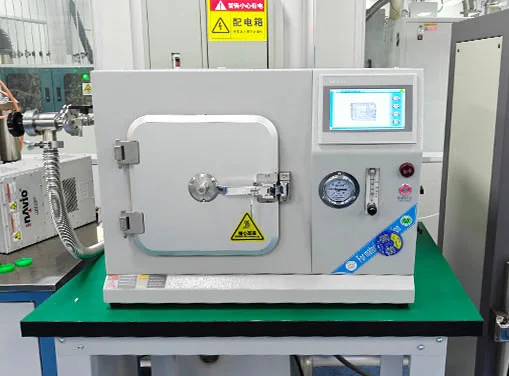
The Role of Vacuum Box Furnaces in High-Temperature Preparation of Oxidation-Sensitive Materials like Titanium Alloys and High-Purity Alumina Ceramics
For the high-temperature preparation of oxidation-sensitive materials like titanium alloys and high-purity alumina ceramics, a clean-type vacuum box furnace is an indispensable tool. By providing a controlled vacuum environment, uniform heating, and clean protective atmospheres, it ensures material
- LaboratoryThermal Processingclean-type vacuum furnacehigh-purity alumina sinteringhigh-temperature materials research2025-11-04
Table of Contents
High-temperature processing of materials such as titanium alloys and high-purity alumina (Al₂O₃) ceramics requires extremely controlled environments due to their susceptibility to oxidation. Conventional high-temperature furnaces often expose these materials to air or uncontrolled atmospheres, which can result in surface contamination, reduced mechanical properties, and inconsistent microstructure.
A vacuum box furnace, particularly a clean-type vacuum box furnace, provides a solution by offering high-purity, low-contamination, and well-controlled processing conditions. This makes it an essential tool in materials research, R&D laboratories, and advanced industrial applications.
Titanium Alloys
Titanium is highly reactive with oxygen at elevated temperatures, forming an oxide layer that can compromise its mechanical strength, ductility, and fatigue resistance. In research and development of high-performance aerospace or biomedical titanium alloys, vacuum processing is necessary to maintain material purity and ensure reliable experimental results.
High-Purity Alumina Ceramics
Alumina (Al₂O₃) is widely used in electronic substrates, biomedical implants, and high-temperature insulators. During sintering or densification, exposure to oxygen or moisture can lead to unwanted impurities, surface defects, and reduced dielectric performance. Vacuum box furnaces provide a stable environment with controlled oxygen partial pressure, ensuring high-quality ceramic microstructure.
How Vacuum Box Furnaces Protect Materials During High-Temperature Processing
- Controlled Vacuum Environment
By removing air and moisture from the furnace chamber, vacuum box furnaces prevent oxidation and contamination, ensuring the chemical composition of sensitive materials remains unchanged during high-temperature treatment. - Uniform Temperature Distribution
Advanced vacuum box furnaces use ring-shaped or multi-zone heating elements to ensure temperature uniformity across the chamber, which is critical for consistent microstructure and mechanical properties of metals and ceramics. - Clean Atmosphere Circulation
In clean-type designs, protective gases such as argon or nitrogen can be circulated in a forward–rear flow, providing an additional layer of protection against residual oxygen and contaminants. This is particularly beneficial for high-purity alumina ceramics and reactive titanium alloys.
- Safety and Automation
Modern vacuum box furnaces are equipped with touchscreen controls, programmable temperature profiles, and safety features like over-temperature alarms, thermocouple break detection, and cooling water monitoring. This allows R&D personnel to focus on experimentation without compromising safety or process integrity.
Applications in R&D
Titanium Alloy Sintering and Annealing – Maintain high strength and fatigue resistance while preventing oxidation.
High-Purity Alumina Ceramic Densification – Achieve defect-free microstructure and high dielectric performance.
Powder Metallurgy Research – Vacuum processing prevents contamination during high-temperature consolidation of reactive powders.
Thin Film and Coating Studies – High-temperature vacuum annealing ensures uniform film properties without oxidation.
Advantages of Using Clean-Type Vacuum Box Furnaces
| Feature | Benefit |
|---|---|
| High-purity vacuum chamber | Minimizes contamination and oxidation of sensitive materials. |
| Uniform heating elements | Ensures consistent temperature distribution, improving material microstructure. |
| Protective gas circulation | Provides additional safety against residual oxygen, especially for reactive metals. |
| Programmable control system | Simplifies complex experiments, allowing precise temperature profiles and repeatability. |
| Safety features | Protects both operators and materials during high-temperature experiments. |
Conclusion
For the high-temperature preparation of oxidation-sensitive materials like titanium alloys and high-purity alumina ceramics, a clean-type vacuum box furnace is an indispensable tool. By providing a controlled vacuum environment, uniform heating, and clean protective atmospheres, it ensures material purity, reproducibility, and superior performance.
Whether in academic research, advanced industrial R&D, or materials development, vacuum box furnaces offer reliable, safe, and high-performance thermal processing solutions for a wide range of oxidation-sensitive materials.
Share this entry
You might also like
Dental Sintering Furnace
Dental Ceramic Furnace
Burnout Furnace
Zirconia Sintering Furnace
Related ZYLAB Products
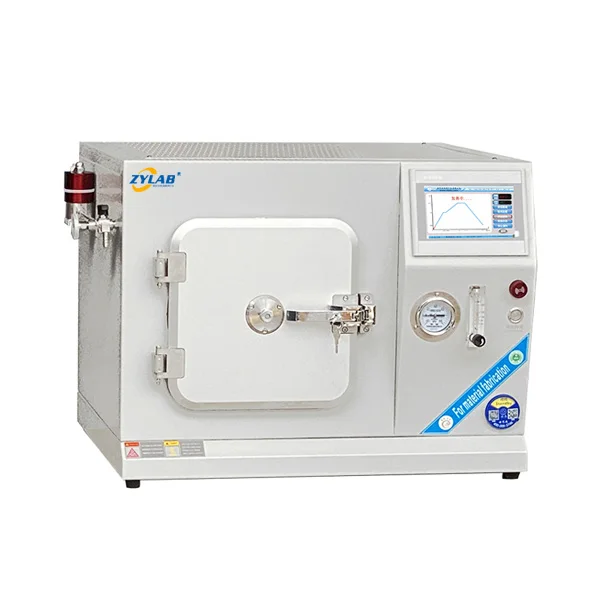
Laboratory Clean-Type Vacuum Box Furnace
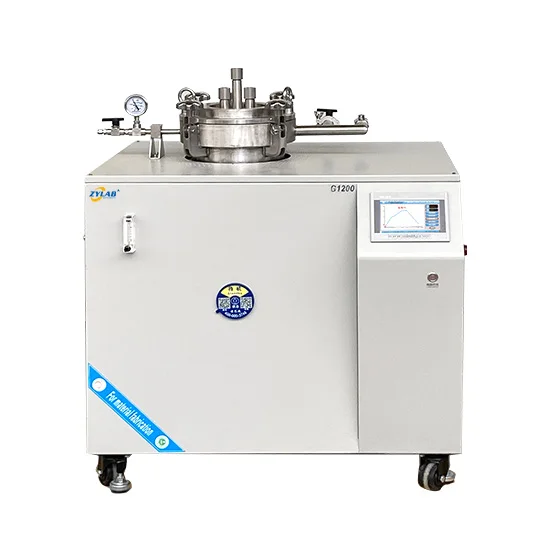
Vacuum Molten Salt Electrolysis Furnace for High-Temperature Electrochemical Research
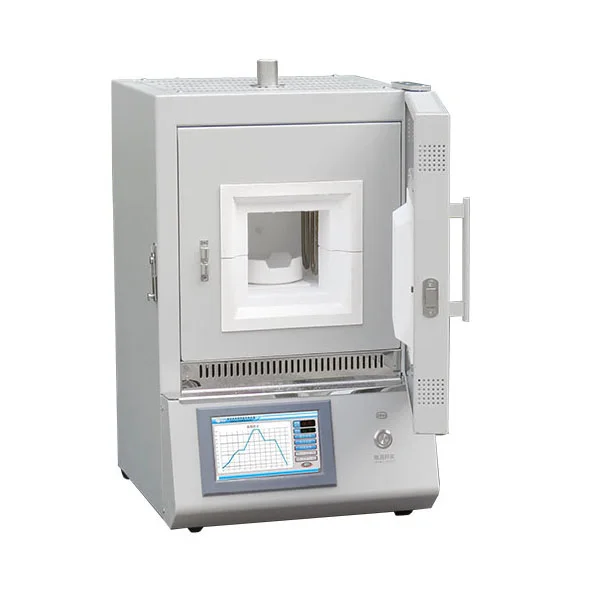
Premium High-temp Sintering Furnace for Ceramics, Metal Powder & Material Research
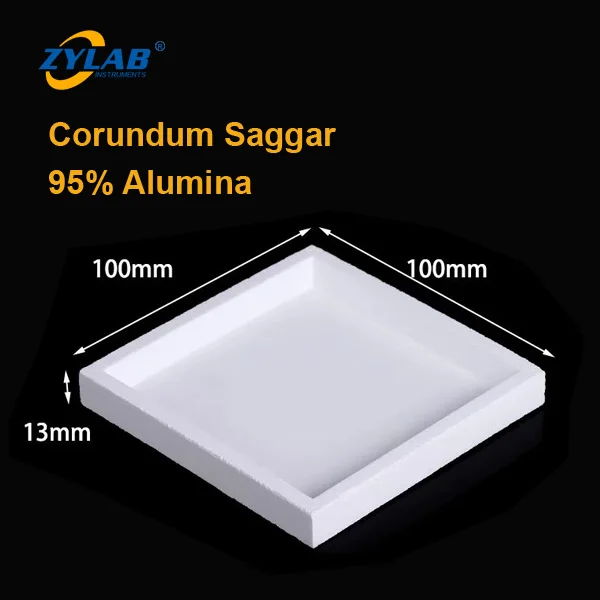
Alumina Ceramic Saggar for Precision High-Temperature Research in Muffle Furnaces
Working With ZYLAB On A Project Like This
What warranty comes with The Role of Vacuum Box Furnaces in High-Temperature Preparation of Oxi?
Most ZYLAB products carry a 2-year warranty, glass components excluded; the exact term for this model is the one printed in its specification table and repeated on the quotation. Within the warranty period any part that fails through no misuse of your own is replaced free of charge.
Can we get technical help before ordering The Role of Vacuum Box Furnaces in High-Temperature Preparation of Oxi?
Yes, and it is free. Our technical staff help with model selection, troubleshooting, manuals and application questions whether or not you have ordered from us before. Write to [email protected] or message us on WhatsApp.
Which shipping methods do you use?
Sea freight for consignments over about 60 kg (11-30 days to North America, 25-33 days to Europe, 7-20 days to Southeast Asia), air freight to airport in roughly 7-10 days, and DHL, FedEx or UPS door to door in about 5-7 days for small urgent items.
How can we pay for The Role of Vacuum Box Furnaces in High-Temperature Preparation of Oxi?
Bank (wire) transfer, letter of credit for larger orders, major credit and debit cards, and PayPal. Bank details are printed on the invoice; send us the transfer confirmation and we start processing straight away.
Have A Similar Requirement
Describe the material, the temperature and the throughput you need and an engineer will answer with a workable configuration.