
12V Automotive Lithium Batteries
12V Group 24 Car Lithium Battery 60Ah 100Ah 105Ah
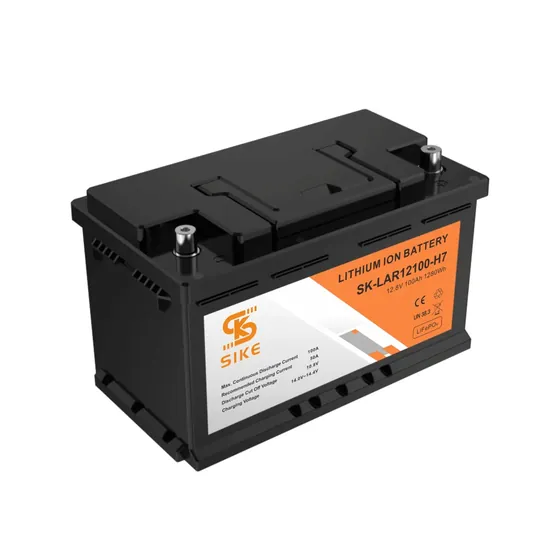
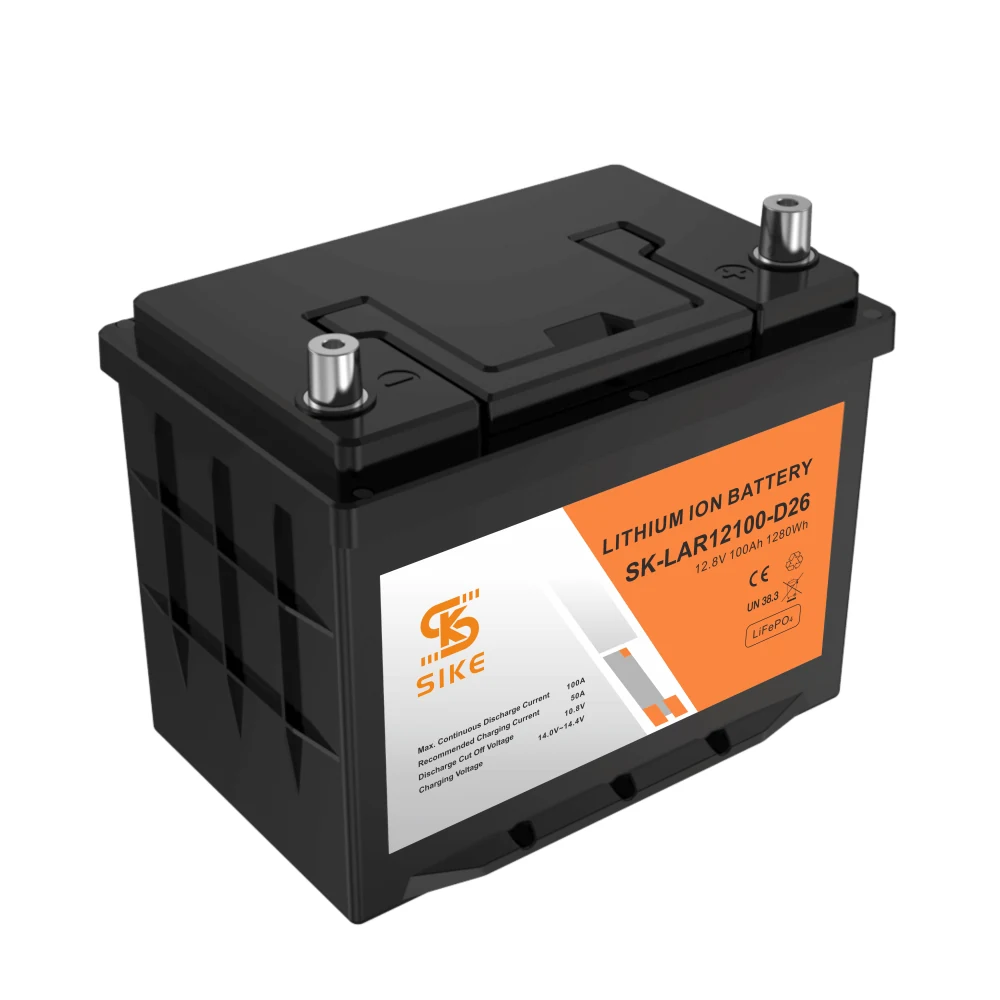
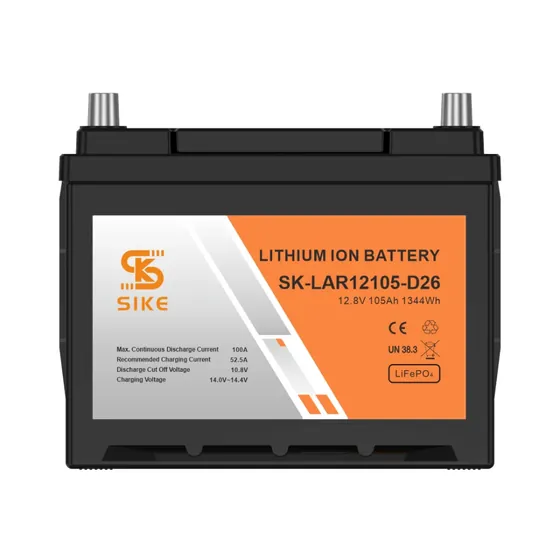
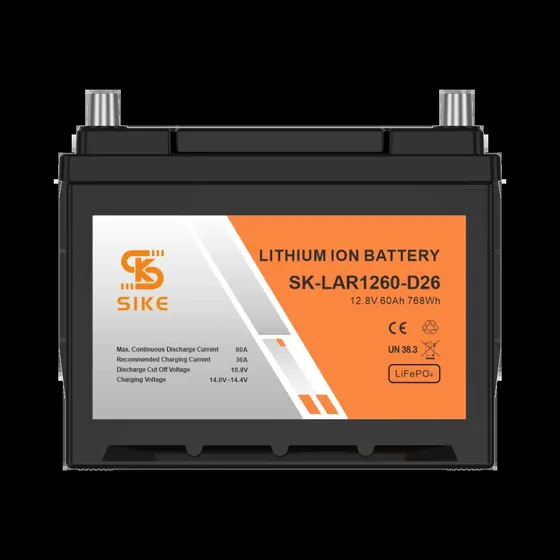
The compact end of the automotive range: BCI group 24 at 260 x 176 x 220 mm in 60Ah, 100Ah and 105Ah, with automotive terminals and a smart BMS.
Product Overview
The compact end of the automotive range: BCI group 24 at 260 x 176 x 220 mm in 60Ah, 100Ah and 105Ah, with automotive terminals and a smart BMS. It suits low-speed vehicles, light EVs, golf carts, solar systems and robotics where the group 24 tray is standard and a larger case will not fit. As with the rest of the automotive range, it is an energy storage battery and not for engine cranking.
Key benefits
Why Buyers Choose This Pack
Group 24 Automotive Fitment
The smallest automotive case in the range, for vehicles and equipment where H7 or H8 will not fit.
60Ah Option
A genuinely small capacity in a car case, useful where weight or budget matters more than range.
Automotive Terminals
High output current, better heat dissipation, no adapters in the joint.
3000+ Cycles
Deep discharge duty at six to eight times the life of the lead-acid battery from the same tray.
Application scenarios
Where It Is Used
- Compact low-speed vehicles and carts
- Light electric vehicles with limited battery space
- Robotics and automated equipment
- Solar and off-grid systems on 12V
- Auxiliary banks in service vehicles
- Equipment built around a group 24 tray
Who it is for
The Buyers This Pack Suits
Compact Vehicle Builders
Where the group 24 tray is what the platform provides.
Equipment Manufacturers
Needing an automotive-terminal pack in the smallest standard case.
Distributors
Completing the automotive case range for the aftermarket.
Problems it solves
What It Fixes
Limited Battery Space
Not every vehicle has room for an H8 case. Group 24 is the fallback that still takes 105Ah.
Terminal Mismatch
Automotive terminals mean the existing cable lugs fit.
Overpaying For Capacity
A 60Ah option exists for applications that genuinely do not need 100Ah.
Specifications
Published Figures For This Pack
Every value below comes from our own product specification. Where a figure is not published we leave it out rather than estimating it.
| Nominal voltage | 12.8 V |
|---|---|
| Capacities | 60 Ah, 100 Ah, 105 Ah |
| Case | BCI group 24, 260 x 176 x 220 mm |
| Terminals | Automotive terminals |
| Cycle life | 3000+ deep discharge cycles |
| Depth of discharge | 95-100% usable |
| Charge time | 3-5 hours |
| Options | Bluetooth monitoring, heating |
| Not for | Engine cranking |
| Certificates | MSDS, UN38.3, CE, ROHS, UL |
| Cells and BMS | Grade A LiFePO4 cells, smart BMS |
Packing and documents
How It Ships And What Comes With It
Packing And Shipping
Packing follows UN38.3 requirements for lithium battery transport, and the carton and pallet arrangement is confirmed with the quotation for your quantity and destination. We do not publish a fixed carton specification here because it changes with order size and freight mode.
Documentation
UN38.3 and the MSDS travel with every lithium shipment, and the certificates listed in the specification table above are supplied for the model you order. Tell us the destination market at the quotation stage so the document set is planned rather than chased after the goods are built. Where a certificate we do not hold is required, we will say so rather than promise it.
Manufacturing
This pack is built at Shenzhen Sike Power Technology Co., Ltd. in Da Peng New District, Shenzhen, with cell grading, assembly, BMS integration, aging test and final inspection carried out in house. Only brand-new grade A LiFePO4 cells and a top-brand smart BMS go into it.
Download the catalogue and datasheets for the specification in PDF form.
Installation guide
Getting It Right First Time
Step 1
Confirm the tray is group 24 automotive at 260 x 176 x 220 mm - slightly different from the deep cycle group 24 case.
Step 2
Do not use for engine cranking.
Step 3
Choose capacity from the daily energy requirement, not from the case.
Step 4
Use a LiFePO4 charge profile and specify heating for cold climates.
Step 5
Check terminal orientation against the harness before ordering.
Comparison
How It Compares In Our Range
The automotive range is three cases; capacity ranges overlap, so fitment decides.
| Group 24 automotive | 260 x 176 x 220 mm, 60 / 100 / 105 Ah |
|---|---|
| H7 group 94R | 315 x 175 x 190 mm, 80 / 100 / 105 Ah |
| H8 group 49 | 359 x 177 x 188 mm, up to 150 Ah |
| Group 24 deep cycle | 260 x 170 x 210 mm with lithium terminals |
FAQ
12V Group 24 Car Lithium Battery 60Ah 100Ah 105Ah Questions
How does this differ from the group 24 deep cycle pack?
Case and terminals. This one is 260 x 176 x 220 mm with automotive terminals for vehicle harnesses; the deep cycle version is 260 x 170 x 210 mm with standard lithium terminals for marine and RV use.
Can it start an engine?
No. It is an energy storage battery for low-speed vehicles, light EV, golf carts, solar and robotics.
Why choose 60Ah?
Where the daily energy requirement is genuinely small and weight or cost matters more than range.
Is heating available?
Yes, along with Bluetooth monitoring, as options specified at order.
How fast does it charge?
3-5 hours on a suitable charger.
Which certificates apply?
MSDS, UN38.3, CE, ROHS and UL.
Related products
Other Packs Buyers Look At
Applications
Sectors That Use This Pack
Golf Carts And Low-Speed Vehicles
48V and 72V 100Ah packs plus automotive-case 12V batteries for carts, LSVs and light EVs, IP67, 3500+ cycles.
Residential Solar Storage
Powerwall, stackable and rack mount 51.2V storage for homes running solar self-consumption, tariff shifting or full off-grid.
Further reading
Guides That Cover This Pack
Group 24 Group 31 H7 And H8 Case Sizes Explained
Which BCI and European case standards our packs use, the exact dimensions, and why the tray decides the pack.
Reading A Lithium Battery Specification Without Being Misled
Which figures on a battery datasheet are meaningful, which are marketing, and the six questions that expose a thin specification.
Quote The 12V Group 24 Car Lithium Battery 60Ah 100Ah 105Ah
Send the quantity, the application and the destination, and we will confirm specification, packing and lead time.