
Buying Guide
Reading A Lithium Battery Specification Without Being Misled
Which figures on a battery datasheet are meaningful, which are marketing, and the six questions that expose a thin specification.
Battery datasheets are written to be compared, which is exactly why they should be read carefully. These are the figures that carry weight and the ones that do not.
Cycle Life Means Nothing Without Its Conditions
A cycle life number is only meaningful alongside the depth of discharge, the charge and discharge rate, the temperature and the end-of-life capacity threshold it was measured to. Our own product pages publish 2500+, 3000+, 3500+ and 6000+ depending on the range, and we say plainly on the About section of this site that the test conditions behind those figures are not published by the source data. Ask any supplier - including us - for the conditions before you compare two numbers.
Depth Of Discharge Changes The Real Capacity
A 100Ah pack at 95-100% DOD and a 100Ah pack that should not go below 80% are not the same product. DOD is the multiplier that turns a nameplate rating into usable energy.
The BMS Rating Is A Hard Limit
A pack with a 100A BMS cannot deliver 150A, whatever the cells could do. Check the continuous rating against your peak load, not your average.
IP Ratings Describe The Case, Not The Pack
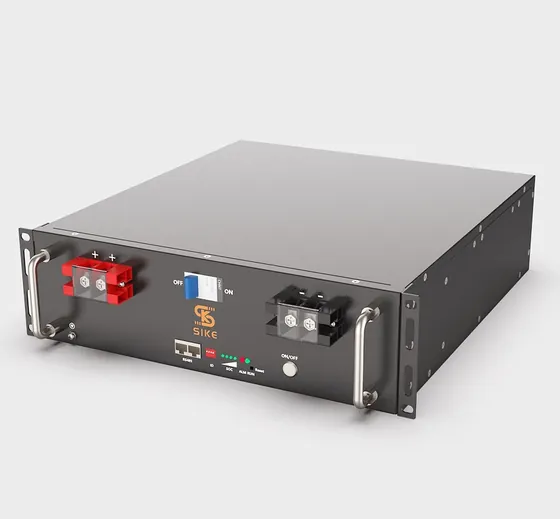
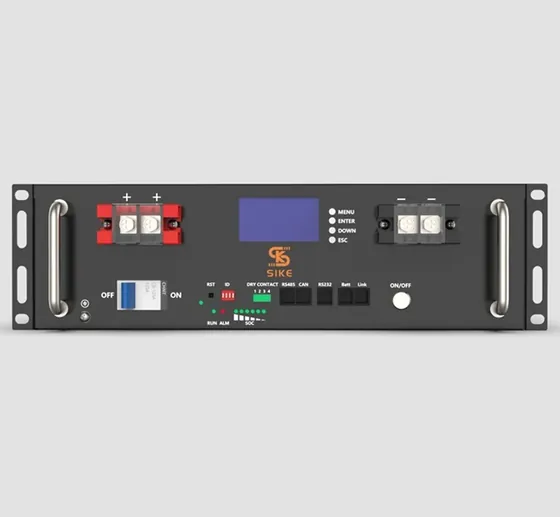
- IP20 - indoor cabinet only, no protection against water. Our 48V telecom rack modules.
- IP54 - dust protected and splash resistant. Our rack mount and wall-mounted storage.
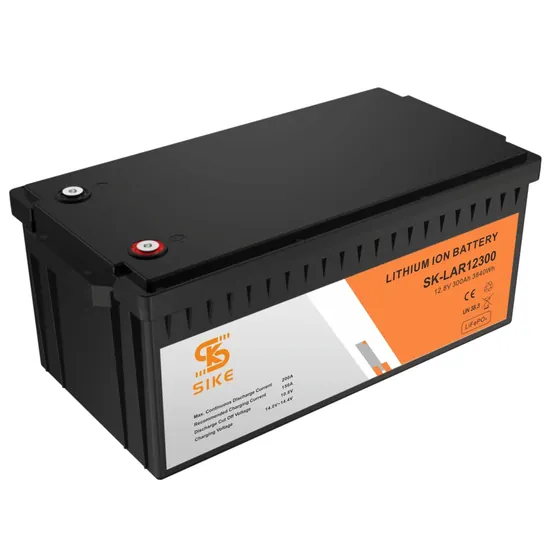
- IP65 - dust tight and protected against water jets. Our 12V and 24V deep cycle range.
- IP67 - dust tight and protected against temporary immersion. Our golf cart packs.
Cell Grade Is The Question Behind Every Other Question
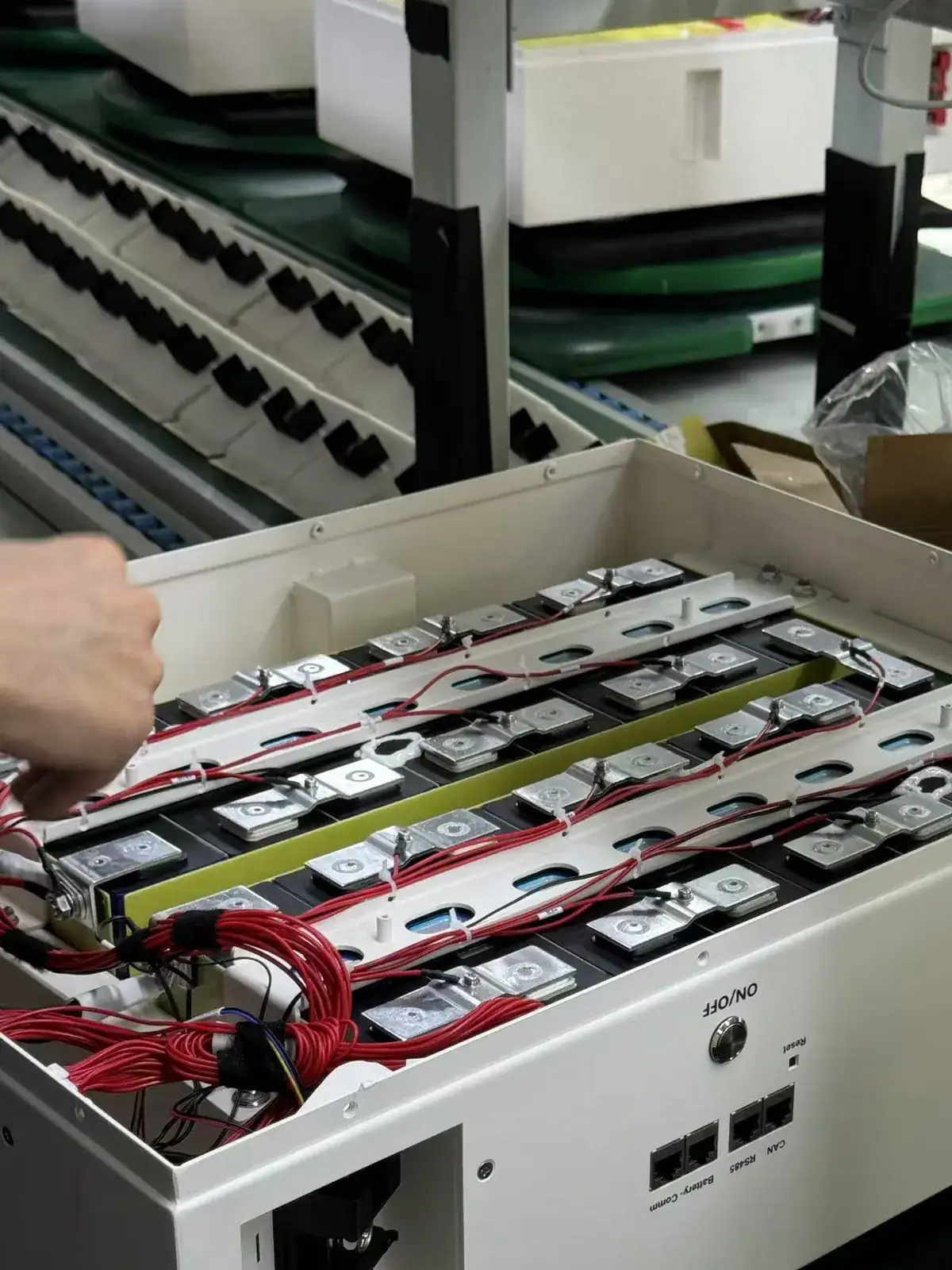
Grade A means cells that passed consistency testing on capacity, internal resistance and self-discharge. Grade B cells are the ones that did not. A pack built from mixed-grade cells performs acceptably at first and drifts apart over its first hundred cycles. Ask who made the cells.
Six Questions That Expose A Thin Specification
- Who manufactures the cells, and are they brand new grade A?
- What is the BMS continuous current rating and which protections are active?
- At what DOD and temperature was the cycle life measured?
- What is the IP rating of the case, and is it rated for where the pack will live?
- Which certificates cover this exact model, and can I see them?
- What is the warranty, and what specifically voids it?
If a supplier cannot answer those six about their own product, the specification is a sales sheet. We would rather tell you a figure is not published than fill the gap with something plausible.
FAQ
Questions On This Guide
Why do some of your pages say a figure is not published?
Because the source data for this site does not carry it. Inventing a number that looks right is how a buyer ends up rejecting goods that met the specification they were actually shown.
Is a higher cycle life always better?
Only if the conditions match. A 6000-cycle rating at shallow discharge and a 3000-cycle rating at full depth may describe similar real service.
Does a higher IP rating cost more?
It reflects a different case design, so yes, usually. Specify the rating the environment needs rather than the highest one available.
How do I verify certificates?
Ask for the certificate covering the exact model and check the issuing body and the expiry date. We will send what we hold and tell you what we do not.
Related products
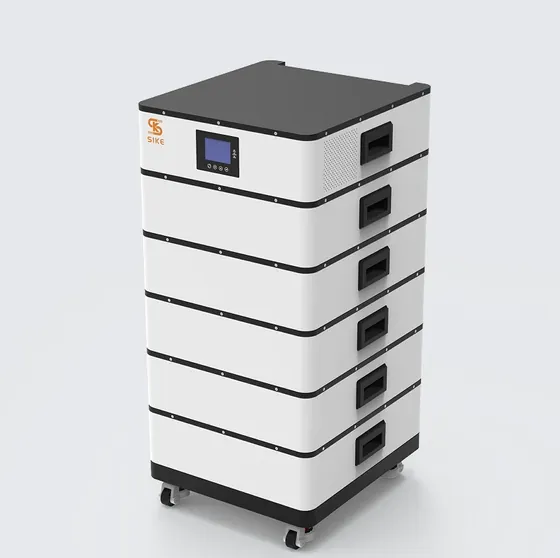
Packs Referenced In This Guide
Product groups
Groups This Guide Covers
12V And 24V Lithium Batteries
Drop-in LiFePO4 replacements for lead-acid, from an 8Ah UPS block to a 400Ah house bank, with IP65 cases and Bluetooth monitoring.
48V Lithium Telecom Batteries
48V server rack packs at 50Ah, 100Ah and 200Ah for base stations, exchanges and data centres, 6000+ cycles, 19-inch format.
Turn This Into A Specification
Send us the application and we will translate it into a model, a capacity, a BMS rating and a delivery plan.