
Comparison Guide
LiFePO4 Versus Lead-Acid For Deep Cycle Work
Why a 100Ah lithium pack replaces a 200Ah lead-acid bank, what changes about charging, and where lead-acid still makes sense.
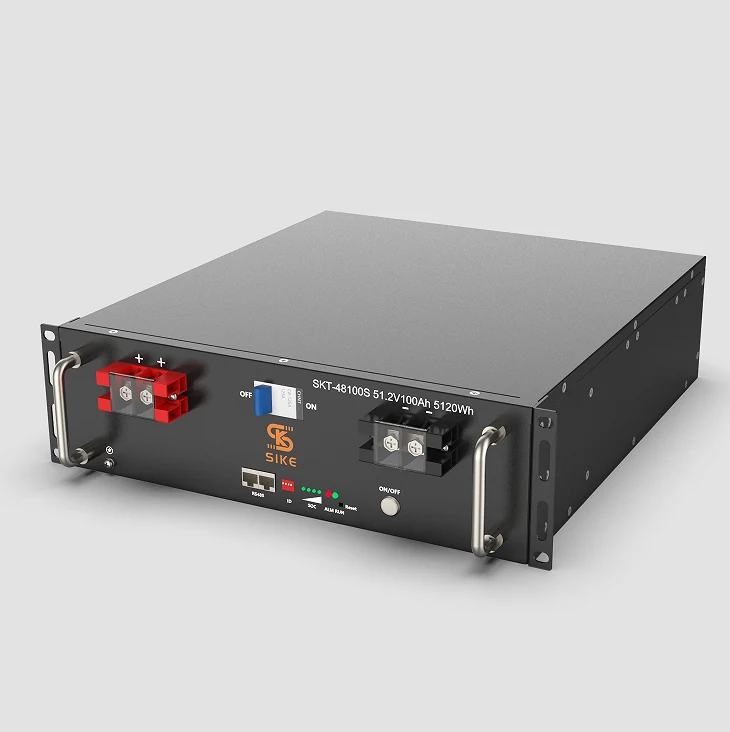
8 guides: LiFePO4 against lead-acid, how to size a home battery, calculating telecom hold-up time, what a smart BMS does, charging without ruining a pack, battery case sizes, reading a specification sheet, and how an OEM project actually runs.
Why a 100Ah lithium pack replaces a 200Ah lead-acid bank, what changes about charging, and where lead-acid still makes sense.
Working from evening load rather than array size, choosing between 5, 10, 15 and 30 kWh, and leaving an expansion path.
Turning site load in kW into a module count, and the four things that make the real hold-up shorter than the arithmetic.
The five protections, why balancing decides whether a 6000-cycle rating is real, and what current rating to specify.
Charge voltages, the 0 degrees rule, why an equalisation stage trips the BMS, and how to store a pack that will sit idle.
Which BCI and European case standards our packs use, the exact dimensions, and why the tray decides the pack.
Which figures on a battery datasheet are meaningful, which are marketing, and the six questions that expose a thin specification.
The specification items that decide a private-label project, why the sample stage is not optional, and the documents to plan early.
We do, from the specifications of the packs we build. Every figure quoted comes from a product page on this site, so any claim can be checked against the specification it came from.
Because a buyer who knows where the data stops can ask the right question. A guide that fills every gap with a plausible number is worse than useless.
Ask us first, and in most cases yes, particularly if you are reselling packs we build. We would rather your catalogue was accurate than original.
The product page wins, because it is generated directly from the specification data. Tell us where the contradiction is and we will correct the guide.
Describe the load, the space and the equipment it has to work with, and we will name a model and a capacity.