
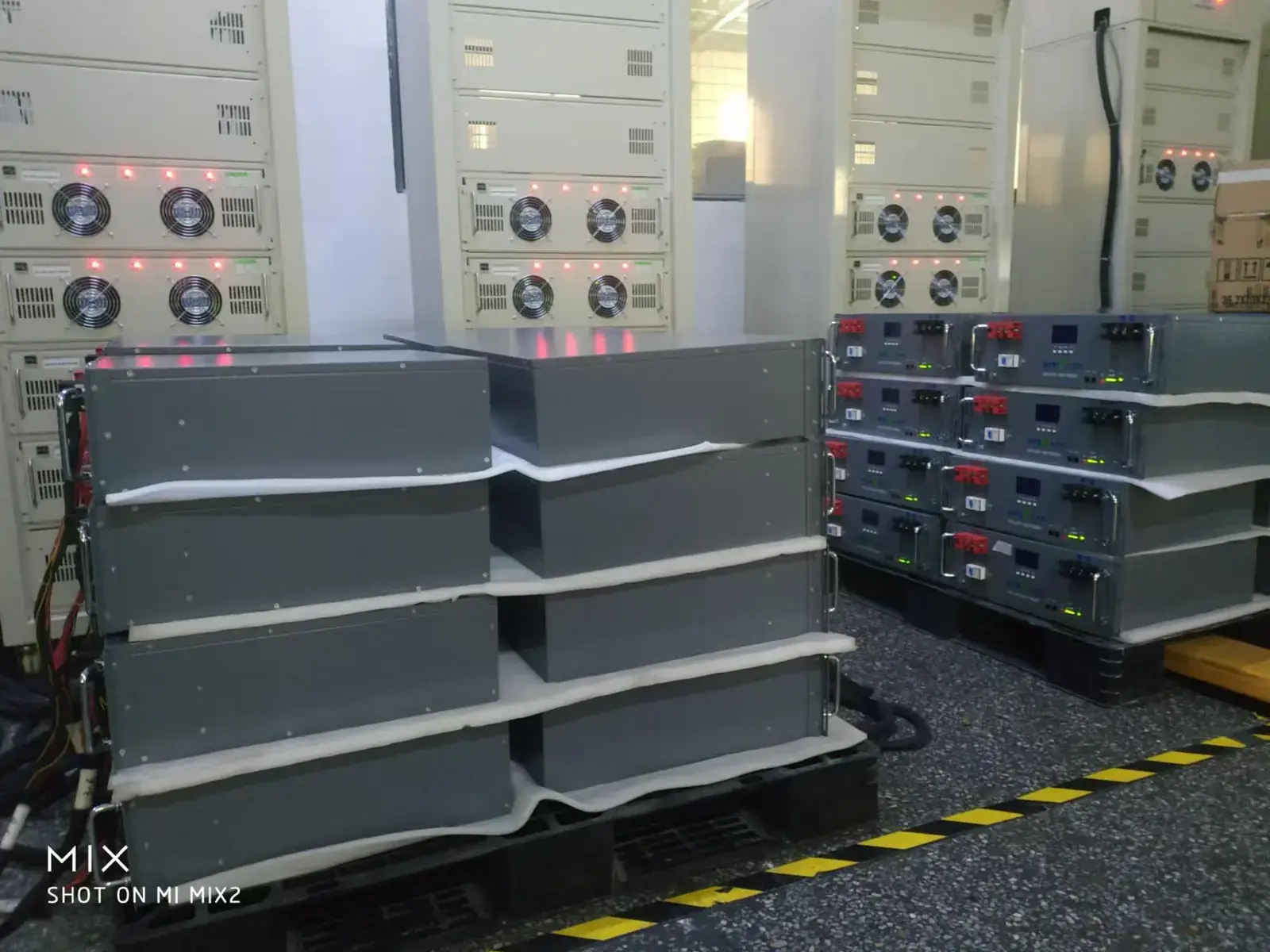
Certification And Lithium Shipping
CE, UN38.3, MSDS, IEC, UL and ROHS documents, and packing that satisfies lithium transport rules by sea or air.
A lithium battery is dangerous goods, and the paperwork is not an afterthought to the order - it decides whether the shipment moves at all. Sike Power product pages list CE, UN38.3, MSDS, IEC, UL, ROHS and ISO across the range, and the company holds ISO9001, ISO14001 and ISO45001 certification for the factory itself. This page explains which document does what and what to confirm before you book freight.
Why Buyers Come To Us For This
Two things go wrong with battery documentation. The first is scope: a certificate exists, but for a different model or a different capacity than the one on the invoice, which is discovered at customs. The second is timing: the buyer asks for UN38.3 after the booking, and the shipment misses its sailing. Both are avoidable by naming the exact model and the destination market at the quotation stage.
How It Works Step By Step
Name The Model And The Market
The exact product and the destination country decide the document set, not the product category.
Confirm What Exists
We tell you which certificates we hold for that model and which would have to be obtained, with an honest lead time.
Prepare The Shipping File
UN38.3 test summary and MSDS travel with the goods; the packing follows lithium transport requirements for the mode you are using.
Choose The Mode
Sea freight for volume, air only where the capacity and packing allow it. Battery watt-hours drive what air freight will accept.
Ship And Follow Up
Documents sent ahead of arrival so customs clearance is not the first time anyone reads them.
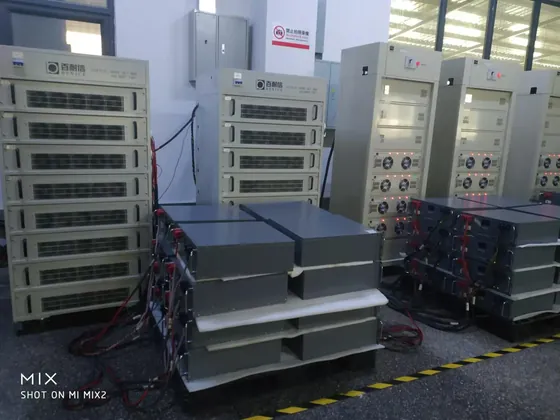
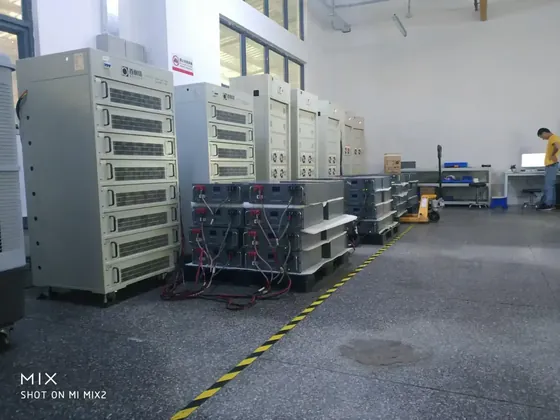
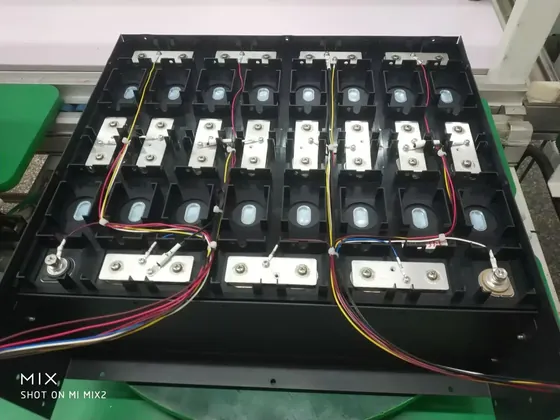
What This Looks Like On The Ground
Send Us These And The Answer Comes Back Complete
- The exact model and capacity going on the invoice
- Destination country and any local approval your market requires
- Transport mode: sea, air or road, and the port or airport
- Quantity and packing preference, palletised or loose
- Whether the customer's own brand appears on the label
- The deadline that actually matters on your side
Groups Most Often Involved
Powerwall Lithium Batteries
Wall-mounted 51.2V home storage from 5 kWh to 30 kWh, 6000+ cycles, five-year warranty, IP54 on the wall-hung models.
48V Lithium Telecom Batteries
48V server rack packs at 50Ah, 100Ah and 200Ah for base stations, exchanges and data centres, 6000+ cycles, 19-inch format.
Commercial And Industrial ESS
Liquid-cooled all-in-one 215 kWh and 232 kWh cabinets integrating LFP battery, BMS, PCS, EMS, thermal control and fire protection.
Certification And Lithium Shipping Questions
What is UN38.3 and why does everyone ask for it?
It is the transport test standard for lithium batteries - altitude, thermal, vibration, shock, short circuit and overcharge testing. Without the test summary, a carrier can refuse the shipment. It is the first document to confirm, not the last.
Is the CE marking enough for Europe?
CE covers the directives that apply to the product, and it is listed on our product pages. Whether your specific installation also needs a grid-code or installation approval depends on the country - tell us where it is going and we will say what we hold and what we do not.
Which certificates does the factory hold?
The company About page states ISO9001, ISO14001 and ISO45001 for the factory. Ask us for the certificate copies and expiry dates if you need them for an audit.
Can these batteries go by air?
It depends on the watt-hours per package and the carrier. Small packs often can; a 30 kWh cabinet will not. Tell us the model and quantity and we will tell you what is realistic.
Who arranges the freight?
Either side can. We routinely work with the buyer's forwarder as well as arranging shipping ourselves - say which you prefer at the quotation stage.
What if my market needs a certificate you do not have?
We will say so plainly and tell you what it would take to obtain it. Inventing a certificate that does not exist is how a container ends up stuck in a port.
Start With Certification And Lithium Shipping
Send the list above and we will come back with a complete answer rather than a request for more information.