
Stackable Lithium Batteries
51.2V 100Ah Stackable Lithium Battery Module
The 5 kWh building block of the stackable family.
Product Overview
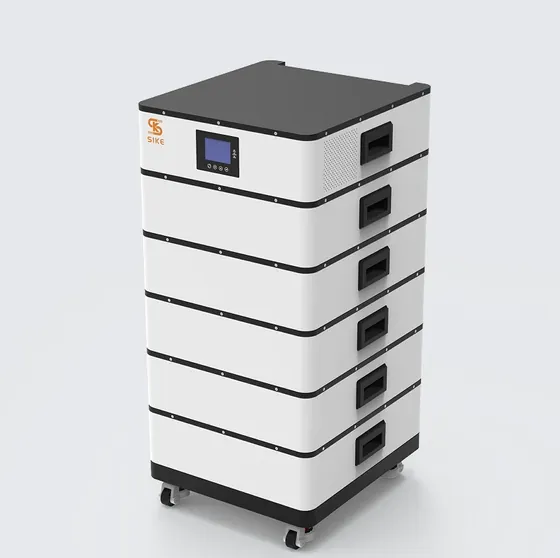
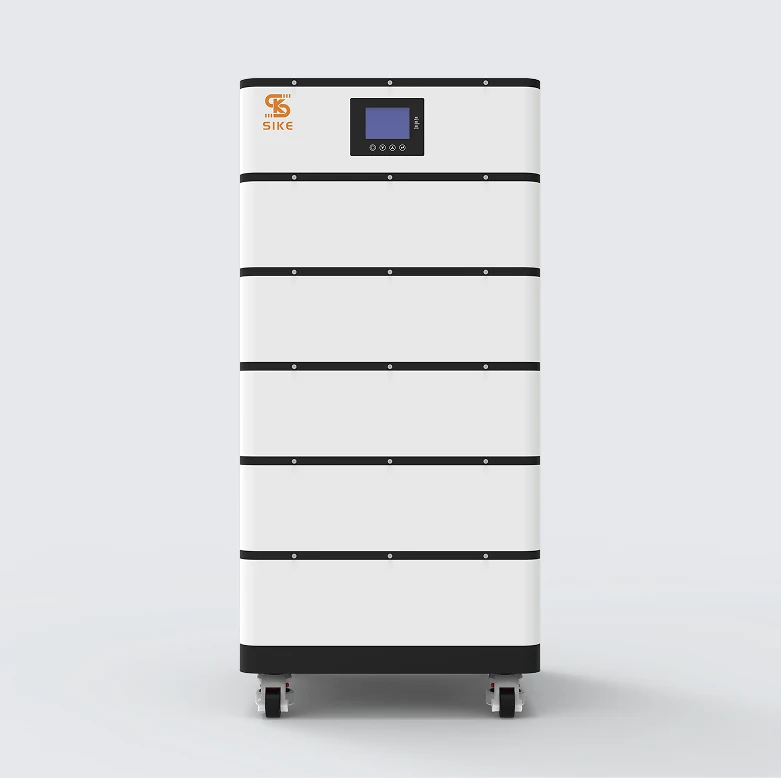
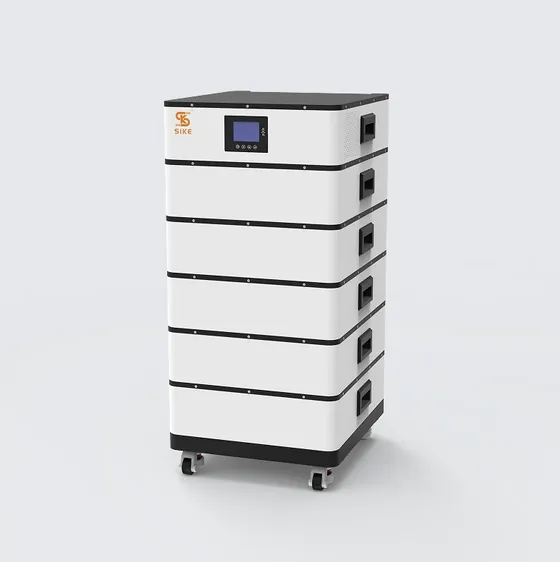
The 5 kWh building block of the stackable family. One module is 51.2V 100Ah in a 540 x 600 x 168 mm case at about 53 kg, and modules stack to 10, 15, 20, 25 and 30 kWh. Compared with rack-mounted and wall-mounted batteries, the stackable format is the flexible one: it expands in the smallest useful increment, and the assembly can be moved rather than being a fixture of the building.
Key benefits
Why Buyers Choose This Pack
The Smallest Sensible Step
5 kWh increments mean the bank can be matched closely to the load instead of jumping in 10 kWh blocks.
Stock One Part Number
Distributors can cover every capacity in the family from a single module SKU.
6000+ Cycles Per Module
Grade A LiFePO4 cells with a smart BMS in each module, so the whole stack shares one ageing profile.
Not A Fixture
A stack can be dismantled and moved. A wall-mounted pack, realistically, cannot.
Application scenarios
Where It Is Used
- First phase of a phased residential storage project
- Off-grid systems built up over several seasons
- Solar self-consumption with a modest evening load
- Small commercial backup added to over time
- Replacement of a lead-acid bank in stages
- Demonstration systems for installers and showrooms
Who it is for
The Buyers This Pack Suits
Installers Quoting Phased Work
Where each phase has to be small enough to approve without a finance conversation.
Distributors Minimising SKUs
One module covering 5 to 30 kWh across the whole customer base.
Self-Builders And Off-Grid Owners
Adding capacity as budget and load allow.
Problems it solves
What It Fixes
Capacity Steps That Are Too Coarse
Jumping 10 kWh at a time overshoots many homes. 5 kWh modules land closer to the actual requirement.
Committing To A Fixed System
A stack keeps the options open on both capacity and position.
Stock Complexity For Resellers
One module, many system sizes, one set of spares.
Specifications
Published Figures For This Pack
Every value below comes from our own product specification. Where a figure is not published we leave it out rather than estimating it.
| Nominal voltage | 51.2 V |
|---|---|
| Module capacity | 100 Ah / 5 kWh |
| Dimensions | 540 x 600 x 168 mm |
| Module weight | 53 kg |
| Cycle life | 6000+ cycles |
| Communication | RS232, RS485, CAN |
| System capacity | Expandable to 10, 15, 20, 25 and 30 kWh |
| Certificates | MSDS, UN38.3, CE, ROHS, UL |
| Cells and BMS | Grade A LiFePO4 cells, smart BMS |
Packing and documents
How It Ships And What Comes With It
Packing And Shipping
Packing follows UN38.3 requirements for lithium battery transport, and the carton and pallet arrangement is confirmed with the quotation for your quantity and destination. We do not publish a fixed carton specification here because it changes with order size and freight mode.
Documentation
UN38.3 and the MSDS travel with every lithium shipment, and the certificates listed in the specification table above are supplied for the model you order. Tell us the destination market at the quotation stage so the document set is planned rather than chased after the goods are built. Where a certificate we do not hold is required, we will say so rather than promise it.
Manufacturing
This pack is built at Shenzhen Sike Power Technology Co., Ltd. in Da Peng New District, Shenzhen, with cell grading, assembly, BMS integration, aging test and final inspection carried out in house. Only brand-new grade A LiFePO4 cells and a top-brand smart BMS go into it.
Download the catalogue and datasheets for the specification in PDF form.
Installation guide
Getting It Right First Time
Step 1
Specify the final target capacity at the first order so the base and controller suit the full stack.
Step 2
Plan the floor area and clearance for the final module count, not the first one.
Step 3
Confirm the inverter protocol with us before ordering.
Step 4
When adding a module later, match its state of charge to the running stack before connecting.
Step 5
Hold a small reserve in the inverter so the bank is not emptied daily.
Comparison
How It Compares In Our Range
The stackable family shares cells, protocols and cycle rating - module size and assembled capacity are the variables.
| 51.2V 100Ah module | 5 kWh steps, finest granularity |
|---|---|
| 51.2V 200Ah module | 10 kWh per module, fewer interconnects |
| 5-10 kWh floor stack | Assembled vertical stack, 600 x 184 x 1100 mm |
| 20-30 kWh stack | Four to six modules for large properties |
FAQ
51.2V 100Ah Stackable Lithium Battery Module Questions
How many of these make 30 kWh?
Six modules at 5 kWh each. The published family is 5, 10, 15, 20, 25 and 30 kWh.
Can I buy one now and more later?
Yes - that is the design intent. Specify the final target at the first order so the base and controller are right.
What does a module weigh?
About 53 kg, in a 540 x 600 x 168 mm case.
Which inverters is it compatible with?
It supports RS232, RS485 and CAN. Send the inverter brand and model and we will confirm.
Stackable or wall mounted for a 10 kWh system?
Stackable if the capacity is likely to grow or the wall is unsuitable; wall mounted if the capacity is settled and wall space is available.
What certificates come with it?
MSDS, UN38.3, CE, ROHS and UL.
Related products
Other Packs Buyers Look At
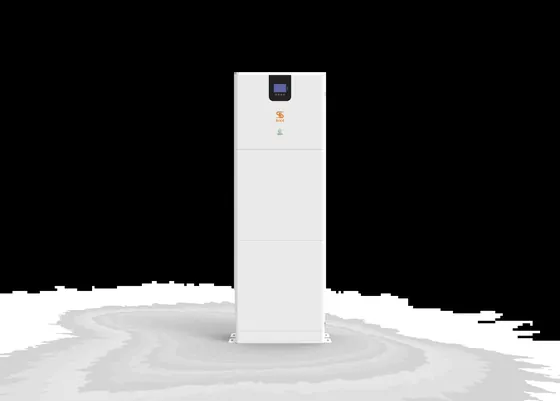
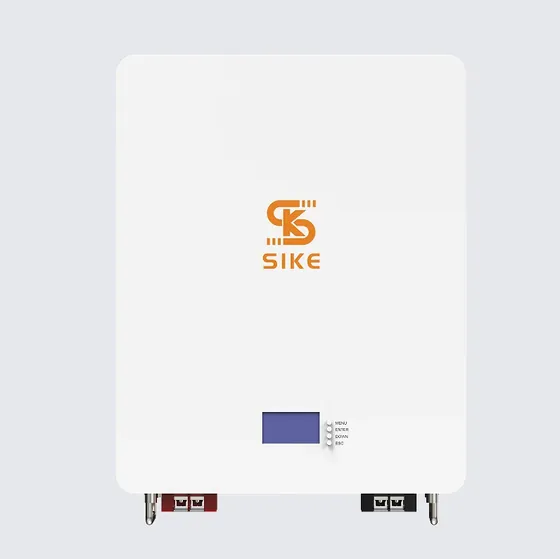
51.2V 100Ah module / 5 kWh
5 kWh And 10 kWh Floor-Standing Stackable Lithium Battery
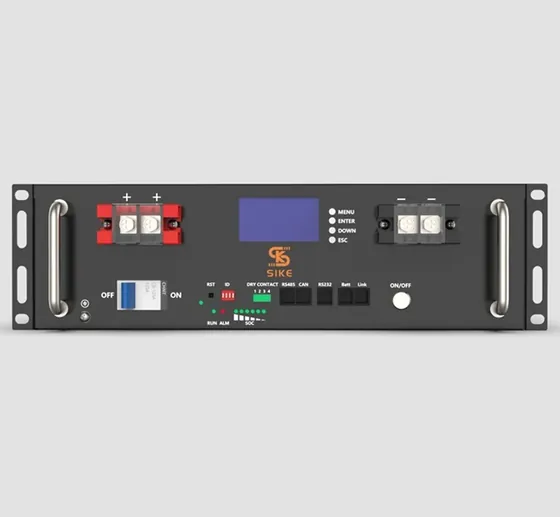
51.2V 100Ah / 5.12 kWh rack module
5 kWh Rack Mounted 51.2V 100Ah LiFePO4 Battery
Applications
Sectors That Use This Pack
Residential Solar Storage
Powerwall, stackable and rack mount 51.2V storage for homes running solar self-consumption, tariff shifting or full off-grid.
Further reading
Guides That Cover This Pack
An OEM Lithium Battery Project From Enquiry To Container
The specification items that decide a private-label project, why the sample stage is not optional, and the documents to plan early.
How To Size A Home Battery Without Guessing
Working from evening load rather than array size, choosing between 5, 10, 15 and 30 kWh, and leaving an expansion path.
Quote The 51.2V 100Ah Stackable Lithium Battery Module
Send the quantity, the application and the destination, and we will confirm specification, packing and lead time.