
Comparison Guide
LiFePO4 Versus Lead-Acid For Deep Cycle Work
Why a 100Ah lithium pack replaces a 200Ah lead-acid bank, what changes about charging, and where lead-acid still makes sense.
The comparison that matters is not the price per amp hour on the label. It is the price per usable amp hour over the life of the installation, and on that basis the two chemistries are not close.
Usable Capacity Is The First Difference
Discharging a flooded or AGM lead-acid battery below 50% shortens its life sharply, so a 200Ah lead-acid bank is a 100Ah bank in practice. Our 12V LiFePO4 packs publish 95-100% depth of discharge, which is why a 100Ah lithium pack does the same daily work as a 200Ah lead-acid bank and why the product pages describe it as more usable power, up to 2X with a higher DOD.
Weight And Space
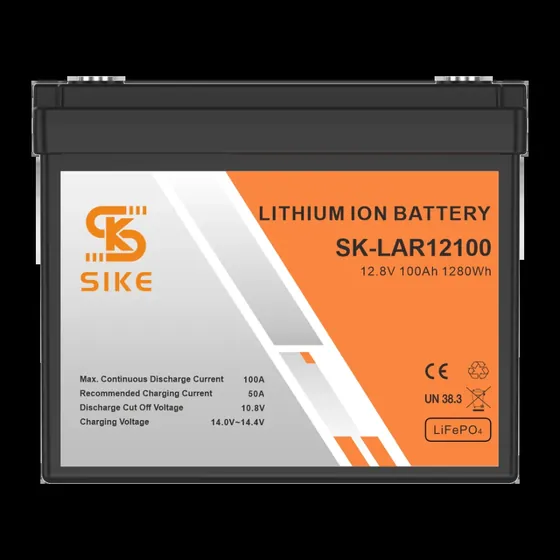
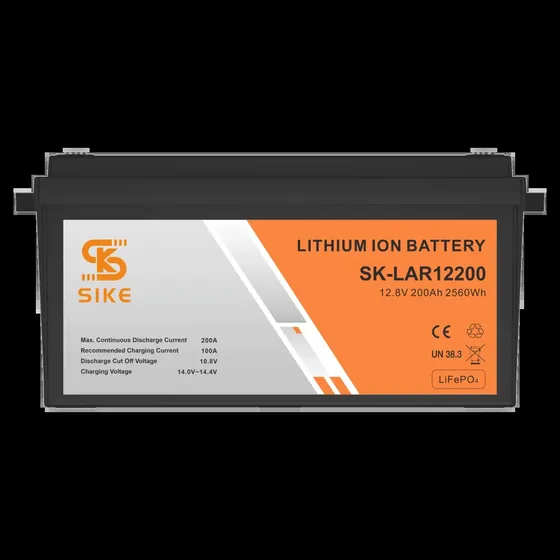
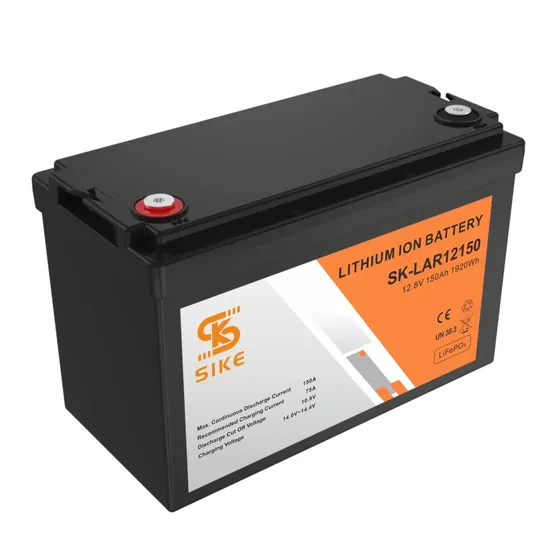
The published figures on our own range make the point: a group 24 12V 100Ah pack is 9.7 kg, a 12V 150Ah pack is 14.2 kg and a 12V 200Ah pack is 18.4 kg. Each is around a third of the weight of the equivalent lead-acid battery. On a boat or an RV that weight is payload; in a rack it is what one person can lift.
Charge Acceptance Changes The System Design
Lead-acid takes a long absorption stage at the top of the charge, which is why a solar array that looks big enough on paper never quite refills the bank. LiFePO4 accepts 0.5C to 1C, so the same array puts its harvest into the battery in one to two hours rather than trickling all afternoon. That single property is often worth more than the extra capacity.
- Charger must have a LiFePO4 profile - an equalisation stage at 15V or more will trip the BMS
- Alternator charging needs a DC-DC charger, because a lithium pack will draw everything the alternator can give
- Solar controllers need the lithium absorption and float voltages set, not the AGM defaults
- A battery monitor reading amp hours is more useful than a voltmeter, because the lithium discharge curve is almost flat
Cycle Life Over A Realistic Horizon
Our deep cycle range publishes 3000+ cycles, and the 51.2V energy storage range publishes 6000+. The product pages describe that as six to eight times the cycle life of a comparable lead-acid battery. Cycled once a day, 3000 cycles is over eight years of service.
| Property | Lead-acid (AGM or flooded) | Sike LiFePO4 |
|---|---|---|
| Usable depth of discharge | About 50% | 95-100% published |
| Weight for the same usable energy | Baseline | About one third |
| Charge acceptance | Slow absorption stage | 0.5C to 1C |
| Published cycle life | Several hundred cycles | 3000+ on 12V deep cycle, 6000+ on 51.2V storage |
| Maintenance | Watering and terminal cleaning on flooded types | None |
Where Lead-Acid Still Wins
Engine cranking is the clear case. Our automotive-case packs state plainly that they are energy storage batteries and must not be used for starting. Very cold charging without a heater is another: lead-acid tolerates it, LiFePO4 does not. And for a battery that will be cycled a handful of times a year, the lifetime maths that justifies lithium never gets a chance to run.
If you are replacing a bank, send us the tray dimensions, the charger model and the daily load. The answer comes back as a pack and a charging change, not a catalogue page.
FAQ
Questions On This Guide
Is a 100Ah lithium pack really equal to a 200Ah lead-acid battery?
For daily deep cycle use, effectively yes, because the lithium pack can use 95-100% of its rating and the lead-acid battery should not go below 50%. For a short high-current burst the comparison is different and depends on the BMS current rating.
Do I have to change my charger?
It needs a LiFePO4 profile. Many modern chargers have one; older lead-acid chargers with a fixed equalisation stage do not and will trip the BMS.
Can I put lithium and lead-acid in the same bank?
No. Different charge voltages and internal resistance mean the lithium pack carries the load while the lead-acid battery sits on float and ages out.
How cold is too cold?
Discharging works well below freezing. Charging below 0 degrees Celsius is what causes permanent damage, which is why heating is an option on several of our packs.
Related products
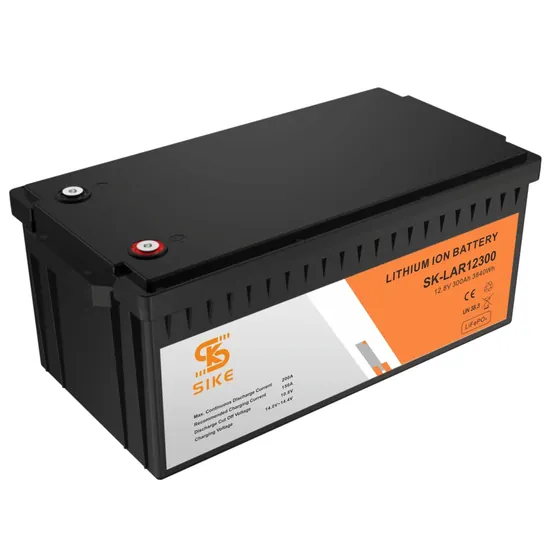
Packs Referenced In This Guide
Product groups
Groups This Guide Covers
12V And 24V Lithium Batteries
Drop-in LiFePO4 replacements for lead-acid, from an 8Ah UPS block to a 400Ah house bank, with IP65 cases and Bluetooth monitoring.
Turn This Into A Specification
Send us the application and we will translate it into a model, a capacity, a BMS rating and a delivery plan.