
Capacity Sizing And Expansion
Size the bank from the load, then build it so the second phase is a module instead of a replacement.
Almost every storage project is sized twice: once at the quotation, and again eighteen months later when the load has grown. The Sike ranges are built for that second conversation - 51.2V across powerwall, stackable and rack formats, with published parallel expansion paths on every one of them. This page sets out how we size a bank and how to leave room for the growth you have not budgeted for yet.
Why Buyers Come To Us For This
Two failure modes, opposite directions. Undersize and the customer runs out of stored energy every evening, blames the battery and stops trusting the installer. Oversize and the payback stretches past the warranty, which kills the project at quotation. The fix is not a better guess - it is a bank that starts at the load you can prove and expands on the same bus when the load grows.
How It Works Step By Step
Measure The Load
Daily kWh, the peak power that has to be supported, and when in the day the energy is actually needed.
Set The Autonomy
How many hours or days the bank must carry on its own, and whether the grid or a generator backs it up.
Pick The Voltage And Format
51.2V for home and commercial storage; 12V or 24V for vehicle and marine work. Wall, stack or rack according to the space.
Calculate The Module Count
Usable kWh per module against the target, with a reserve so the pack is not cycled to the floor every day.
Leave The Expansion Path
Cable, breaker and physical space for the modules that come later, agreed at the first install.
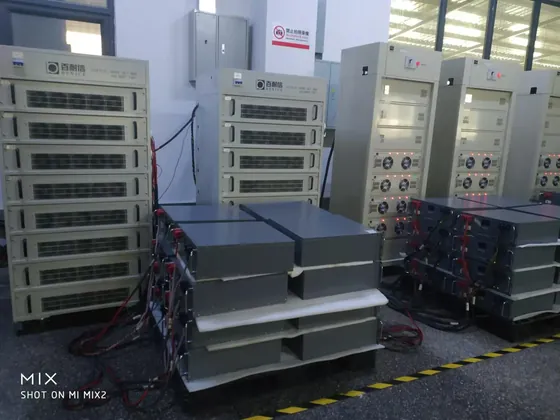
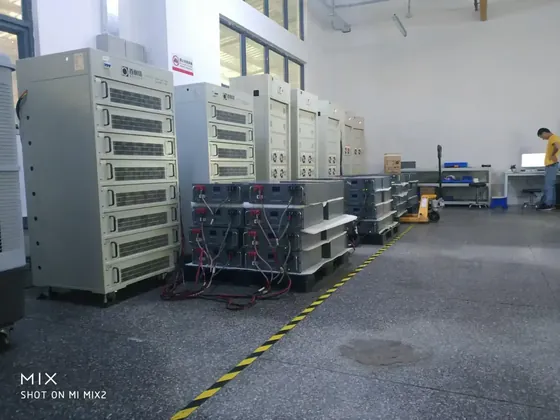
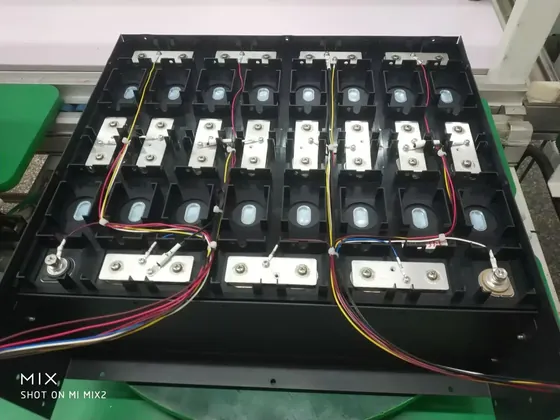
What This Looks Like On The Ground
Send Us These And The Answer Comes Back Complete
- Daily energy consumption in kWh, ideally from meter data
- Peak power demand and what causes it
- Required autonomy in hours or days
- The inverter or charge controller already specified
- Physical space: wall area, floor area or rack U height
- The capacity you expect to need in three years
Groups Most Often Involved
Stackable Lithium Batteries
51.2V modules that stack from 5 kWh to 30 kWh, 6000+ cycles, RS232, RS485 and CAN communication.
Powerwall Lithium Batteries
Wall-mounted 51.2V home storage from 5 kWh to 30 kWh, 6000+ cycles, five-year warranty, IP54 on the wall-hung models.
Rack Mount Lithium Batteries
19-inch 51.2V modules at 5 kWh and 10 kWh, 6000+ cycles, IP54, for racks that have to stay serviceable.
Commercial And Industrial ESS
Liquid-cooled all-in-one 215 kWh and 232 kWh cabinets integrating LFP battery, BMS, PCS, EMS, thermal control and fire protection.
Capacity Sizing And Expansion Questions
How much usable capacity does a pack actually give?
The residential range publishes 95-100% DOD, so a 10 kWh pack is close to 10 kWh usable. In practice an installer leaves a reserve so the pack is not emptied daily, which is also what protects the cycle life.
Can I add modules later without changing the inverter?
Within the same format and voltage, yes - that is why the whole home range is 51.2V. Tell us the target capacity at the first order so the first phase is specified to reach it.
How many units can be paralleled?
It varies by product: the stackable family goes to six modules and 30 kWh, the 30 kWh floor unit parallels to 120 kWh, and the telecom range publishes up to fifteen units. Send the target and we will confirm for your model.
Is it cheaper to buy the full capacity up front?
Usually slightly, per kWh. But a phased bank that is actually installed beats a full-size bank that never gets approved. We will quote both so the customer can decide.
What if I cannot get load data?
Then we size from appliance ratings and run hours, and we say clearly that it is an estimate. An honest estimate with its assumptions written down is better than a confident number nobody can check.
Do mixed capacities work in one bank?
Mixing module capacities in one bank is not the clean way to build it. Keep a bank uniform and add a second bank if the requirement changes shape - we will tell you which situation you are in.
Start With Capacity Sizing And Expansion
Send the list above and we will come back with a complete answer rather than a request for more information.