
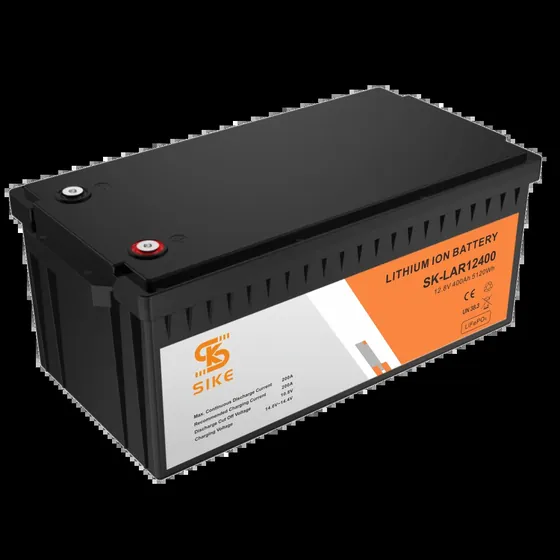
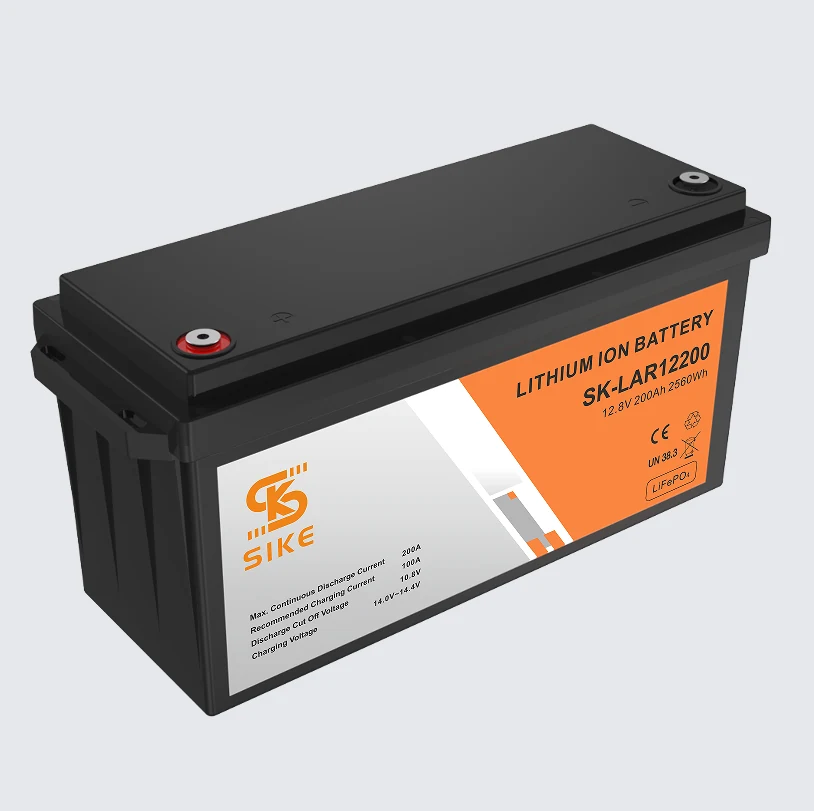
12V And 24V Lithium Batteries
Drop-in LiFePO4 replacements for lead-acid, from an 8Ah UPS block to a 400Ah house bank, with IP65 cases and Bluetooth monitoring.
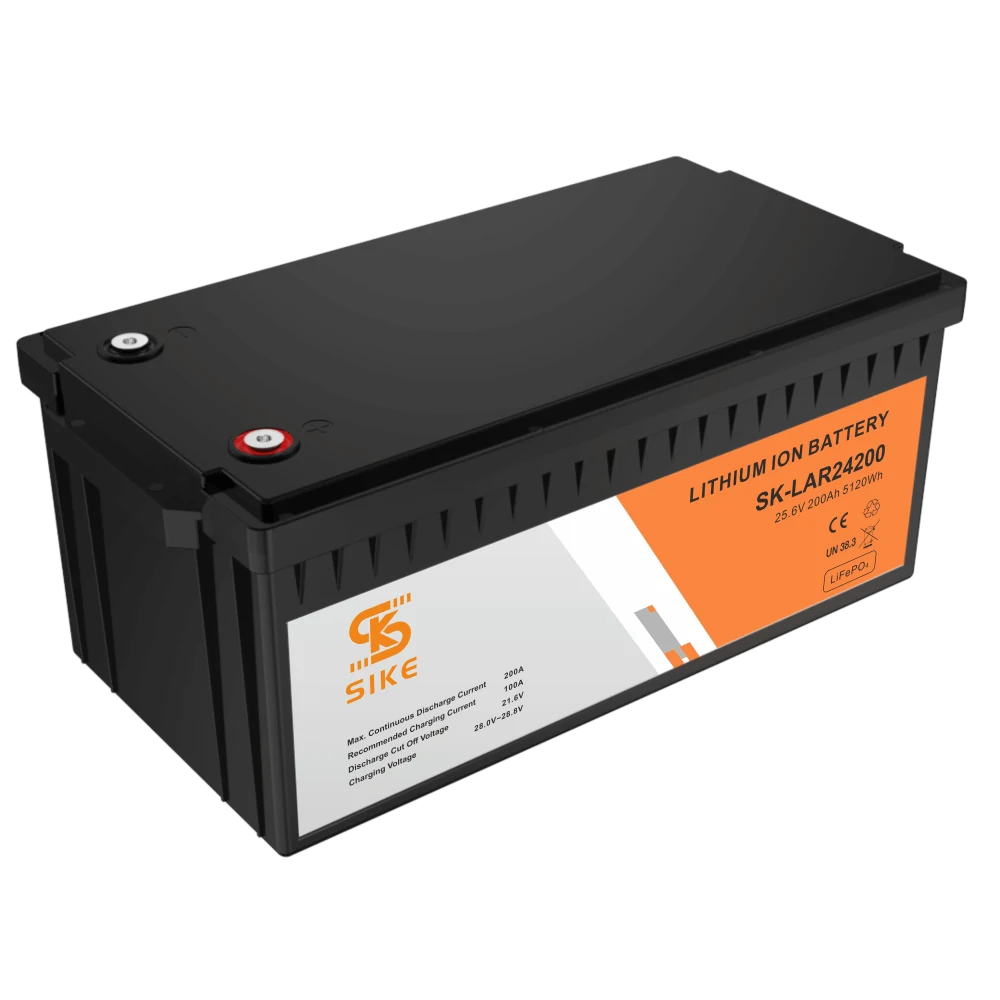
This is the range people arrive at when a lead-acid bank has let them down: half its rated capacity actually usable, three times the weight, and a replacement cycle every other season. Eleven packs from 8Ah to 400Ah share the same construction - grade A LiFePO4 cells, a smart BMS with over-charge, over-discharge, over-current, short-circuit and temperature protection, and an IP65 ABS case on the deep cycle models. The decision inside the range is rarely chemistry. It is how many amp hours fit in the tray you already have, and whether you need 12V or 24V to keep cable losses down.
The range
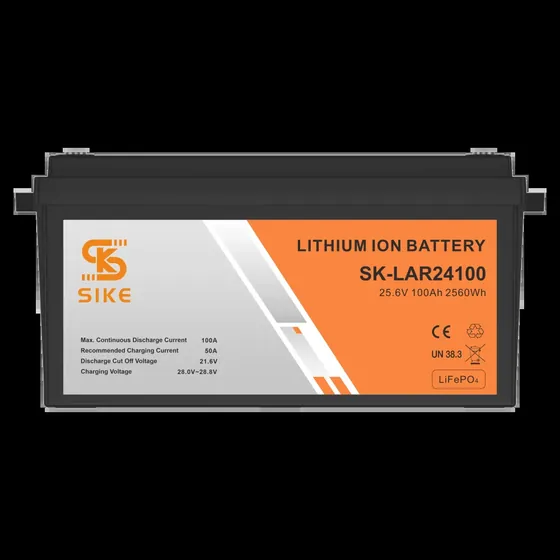
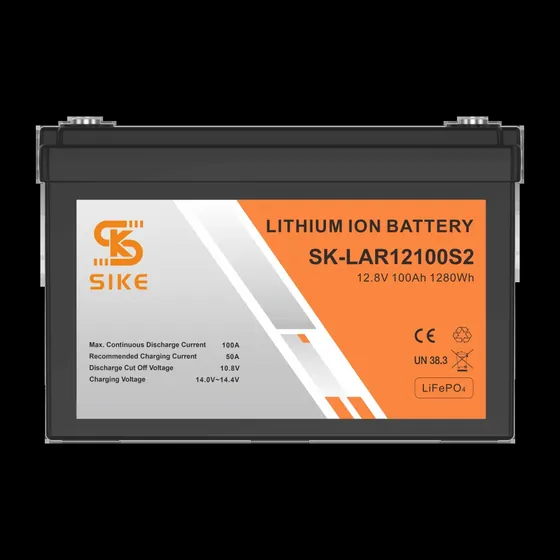
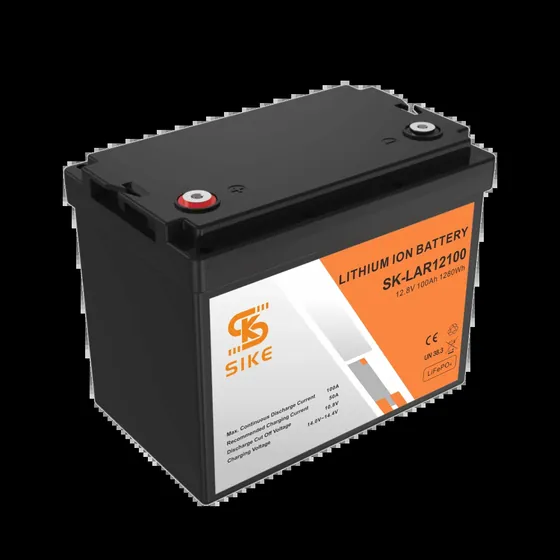
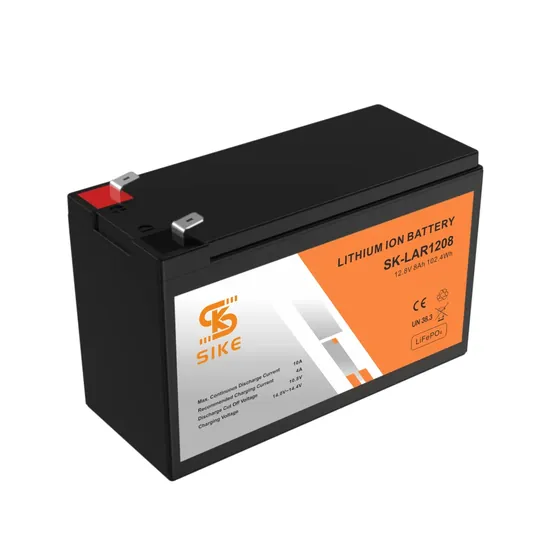
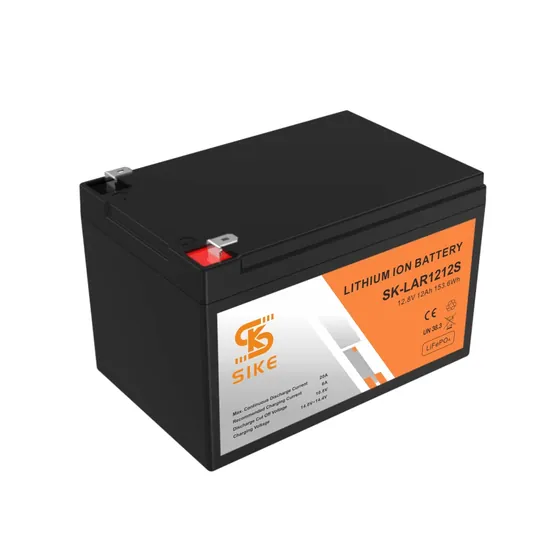
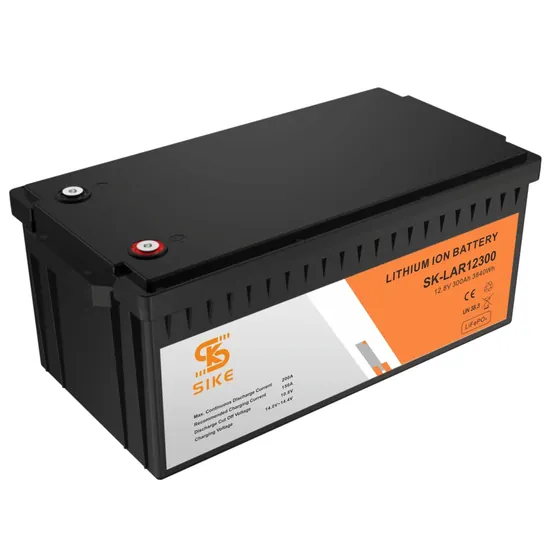
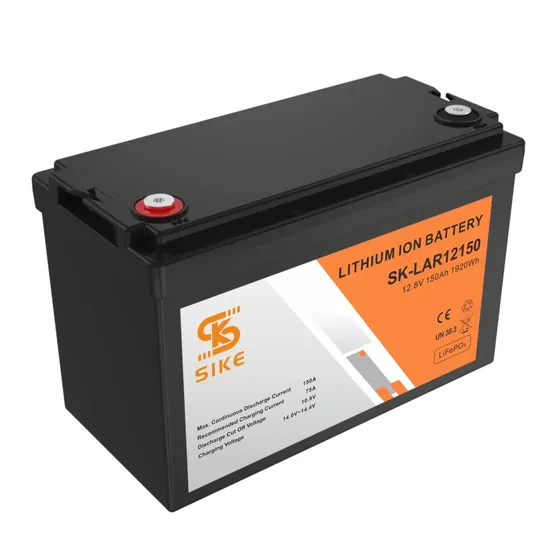
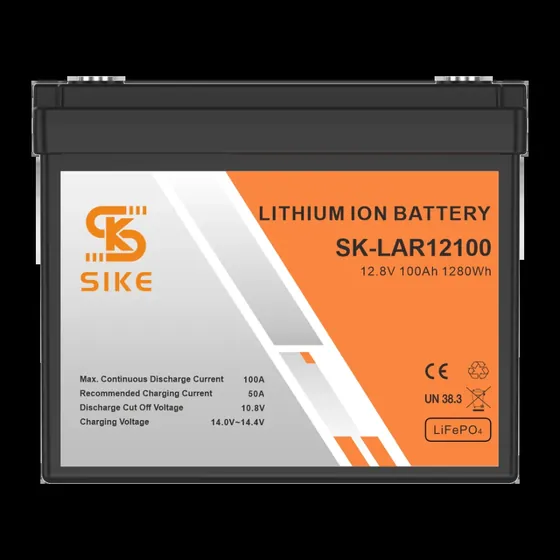
All 11 Products In This Group
The problem
What This Group Is Built To Solve
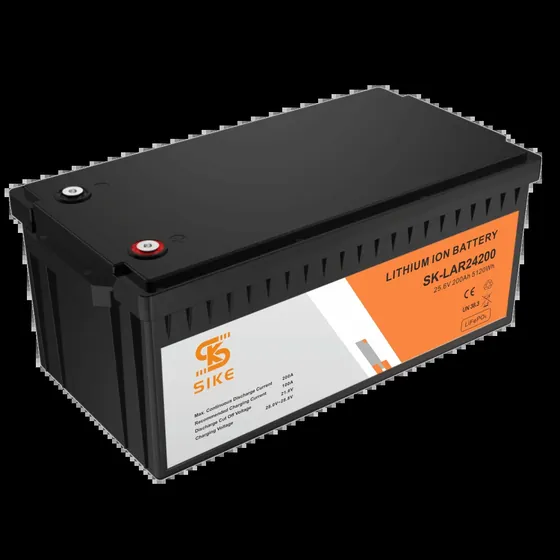
A 400Ah lead-acid bank gives you roughly 200Ah you can use without wrecking it, and it gets slower to recharge every year. Swapping to LiFePO4 changes three numbers at once: usable capacity doubles at the same nameplate rating, weight drops to about a third, and the pack accepts 0.5C to 1C charge so a day's solar harvest actually goes in. The trap is the case. If the new pack does not fit the group 24, group 31 or bespoke tray you already have, the upgrade turns into a fabrication job.
Who buys these
Who This Range Is For
RV And Marine Installers
Fitting a house bank into an existing battery locker where weight over the axle and the internal dimensions of the tray are both fixed.
Off-Grid And Solar Integrators
Building 12V and 24V systems where charge acceptance decides whether the array is worth expanding.
Distributors Replacing AGM Lines
Carrying group 24, group 31 and small UPS sizes so the counter sale is a like-for-like swap.
Why these
What Makes This Range Different
The Case Sizes People Actually Ask For
Group 24 at 260x170x210 mm, group 31 at 330x172x240 mm, plus 8Ah and 12Ah blocks for UPS and e-bike work. The tray you have decides the pack, not the other way round.
Bluetooth Monitoring On The Deep Cycle Range
State of charge, voltage and current in real time on the phone, which is what turns a warranty argument into a data question.
IP65 Cases On The Deep Cycle Models
Waterproof and dustproof ABS, built for a bilge or an underslung locker rather than a clean equipment room.
3000+ Cycles On The Main Sizes
Six to eight times the cycle life of the lead-acid pack it replaces, per the published figures on each product page.
Application
Where These Packs Are Used
- RV and caravan house banks replacing a pair of AGM batteries
- Trolling motor and marine electronics power on small craft
- Off-grid cabins and 12V or 24V solar systems
- UPS and backup blocks in the 8Ah and 12Ah sizes
- Light electric vehicles, floor scrubbers and mobility equipment
- Telecom and monitoring cabinets running on a 12V bus
Applications
Sectors That Specify This Group
RV And Camping Power
12V and 24V LiFePO4 house banks from 100Ah to 400Ah, IP65, Bluetooth monitored, at about a third of the weight of lead-acid.
Marine And Trolling Motor Batteries
12V and 24V deep cycle packs for trolling motors, electronics and house loads, IP65, 3000+ cycles.
Residential Solar Storage
Powerwall, stackable and rack mount 51.2V storage for homes running solar self-consumption, tariff shifting or full off-grid.
Further reading
Guides Related To This Group
LiFePO4 Versus Lead-Acid For Deep Cycle Work
Why a 100Ah lithium pack replaces a 200Ah lead-acid bank, what changes about charging, and where lead-acid still makes sense.
What A Smart BMS Actually Does In A LiFePO4 Pack
The five protections, why balancing decides whether a 6000-cycle rating is real, and what current rating to specify.
Charging LiFePO4 Correctly And What Ruins A Pack
Charge voltages, the 0 degrees rule, why an equalisation stage trips the BMS, and how to store a pack that will sit idle.
FAQ
12V And 24V Lithium Batteries Questions
Will these fit the tray my lead-acid battery came out of?
In the group 24, group 31, 8Ah and 12Ah sizes, yes - the case dimensions published on each product page match the BCI size they are named after. For the 200Ah, 300Ah and 400Ah packs, check the published dimensions against your locker before ordering, because those are lithium-only formats with no lead-acid equivalent.
Can I charge them with my existing lead-acid charger?
Only if it has a LiFePO4 or a user-defined profile. A lead-acid charger that ends on a 14.7V absorption and then floats at 13.6V will not damage a pack in the short term, but an equalisation stage at 15V or more will trip the BMS. Tell us the charger model and we will confirm before you order.
What is the difference between the 12V and 24V versions?
Cable loss and inverter choice. At the same power, a 24V bus halves the current, so the wiring and the fuses get smaller and cheaper. If your inverter, trolling motor or charger is 12V, stay at 12V; if you are specifying the whole system, 24V is usually the better build.
How many can I connect in parallel?
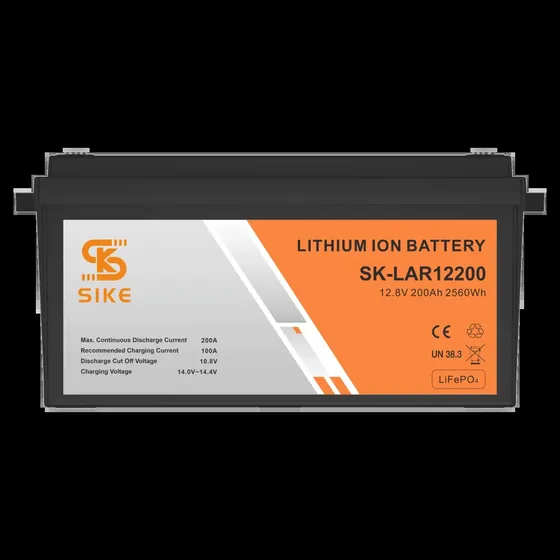
The deep cycle packs support parallel connection to build a bigger bank; the 12V 200Ah page publishes expansion to 4S4P and 40.96 kWh. Send us the target bank size and we will confirm the series and parallel arrangement and the BMS behaviour for that layout.
Is Bluetooth standard or an option?
Bluetooth real-time monitoring is published on the deep cycle range. On the automotive and small UPS blocks it is listed as optional. Confirm it on the enquiry and it will be on the specification sheet you approve.
What certificates come with them?
MSDS, UN38.3, CE, ROHS and UL are the certificates listed on these product pages. UN38.3 and the MSDS are the two that matter for shipping; ask us for the copies covering the exact model you are ordering.
Get A Quotation On 12V And 24V Lithium Batteries
Send the models, the quantities and the destination and we will confirm specification, packing and lead time.