
Technical Guide
What A Smart BMS Actually Does In A LiFePO4 Pack
The five protections, why balancing decides whether a 6000-cycle rating is real, and what current rating to specify.
Every pack we build carries a smart BMS from a top-brand supplier, and the phrase does real work. Strip it back and a BMS does five protective jobs, one maintenance job and, on most of our range, one reporting job.
The Five Protections
- Over-charge: disconnects before a cell is pushed above its safe upper voltage
- Over-discharge: disconnects before a cell is dragged below its safe lower voltage
- Over-current: protects the pack and the cabling when the load exceeds the pack's rating
- Short circuit: cuts within milliseconds of a dead short across the terminals
- Temperature: blocks charging when the pack is too cold and disconnects when it is too hot
The Maintenance Job: Balancing
Cells in a series string drift apart, and the pack is limited by whichever cell reaches its limit first. Balancing pulls the string back together near the top of each charge. This is the function that decides whether a 6000+ cycle rating describes the pack or only its best cell, and it is one reason grade A cells matter: cells that started matched stay matched for longer.
The Reporting Job
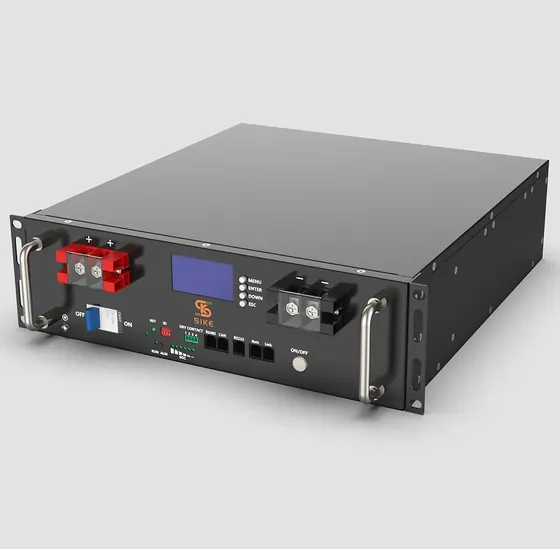
Bluetooth on the deep cycle and several rack models, and RS232, RS485 and CAN on the stackable range, turn the pack from a black box into a data source. State of charge, pack and cell voltages, current and temperature are what make a warranty conversation factual rather than adversarial.
Choosing A Current Rating
Our packs publish BMS ratings of 50A, 100A, 150A and 200A depending on the model. Specify against the real peak the pack will see - an inverter surge, a motor start, a trolling motor at full thrust - and not against the average running current. A BMS that trips under a legitimate peak is worse than one sized with headroom.
| Duty | What sets the peak | Typical rating in our range |
|---|---|---|
| Small UPS and e-bike blocks | Steady modest load | Integrated BMS on 8Ah and 12Ah packs |
| RV and marine house bank | Inverter surge and trolling motor thrust | 100A to 200A |
| Rack and telecom backup | Site load, largely constant | 50A to 150A |
| Golf cart and LSV | Acceleration and hill climbing | Pack-matched BMS in the 48V and 72V units |
If you are specifying an OEM pack, the BMS current rating, the protection thresholds and the communication protocol are all things to write into the specification rather than leave at default.
FAQ
Questions On This Guide
Can a BMS be repaired in the field?
On most pack formats the BMS is internal and not a field-serviceable part. Report the fault with the data and we will tell you whether it is a settings issue or a pack that needs replacing.
Why did my pack disconnect on a cold morning?
Most likely low-temperature charge protection. That is the BMS doing its job - charging LiFePO4 below 0 degrees Celsius permanently damages cells. A pack with the heating option avoids it.
Does Bluetooth drain the battery?
The draw is small compared with pack capacity, but for a battery left unused for months, a monitoring connection is one of several small loads to account for.
What happens if I exceed the BMS current rating?
The BMS disconnects to protect the pack. Repeated tripping means the pack is undersized for the duty, not that the BMS is faulty.
Related products
Packs Referenced In This Guide
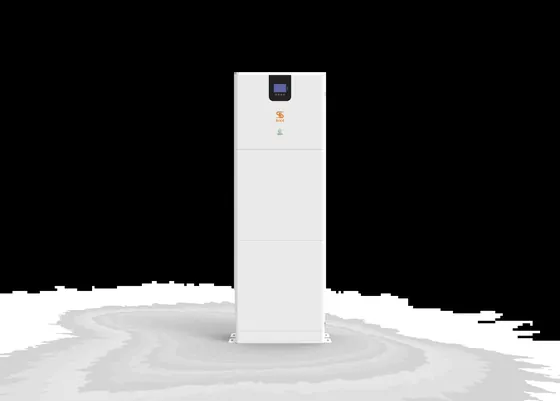
Product groups
Groups This Guide Covers
12V And 24V Lithium Batteries
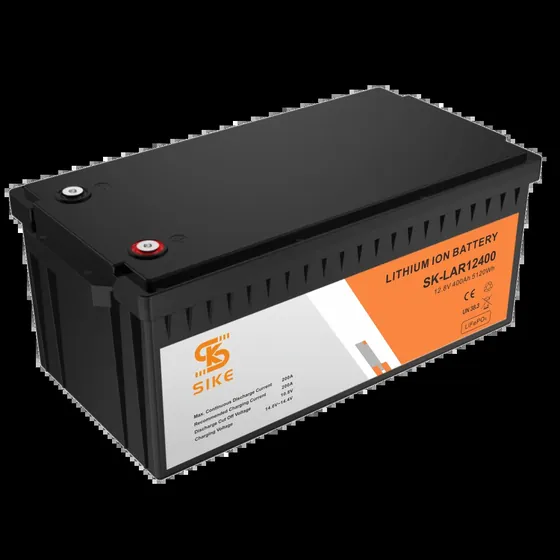
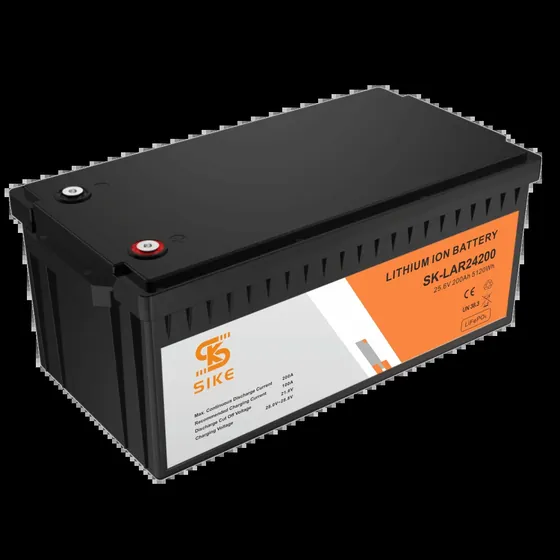
Drop-in LiFePO4 replacements for lead-acid, from an 8Ah UPS block to a 400Ah house bank, with IP65 cases and Bluetooth monitoring.
Powerwall Lithium Batteries
Wall-mounted 51.2V home storage from 5 kWh to 30 kWh, 6000+ cycles, five-year warranty, IP54 on the wall-hung models.
Turn This Into A Specification
Send us the application and we will translate it into a model, a capacity, a BMS rating and a delivery plan.